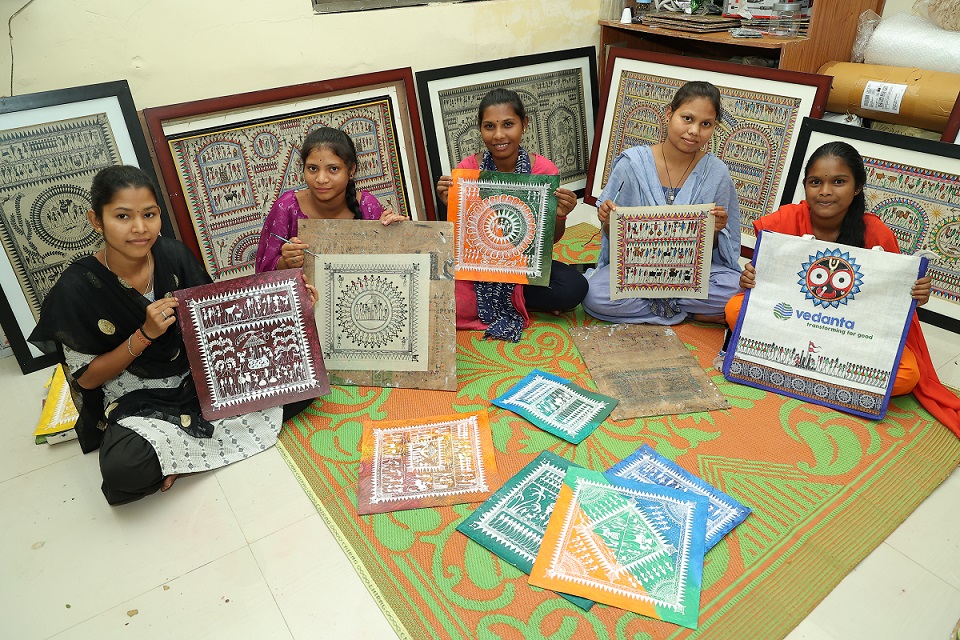



NEW DELHI (India CSR): On World Heritage Day, Vedanta Limited, India’s leading metals, oil & gas, critical minerals, power, and technology conglomerate, reaffirmed its commitment to preserving and promoting India’s rich cultural heritage through community-led initiatives. The company has impacted over 8 lakh beneficiaries in FY26, while supporting 600+ artisans and promoting 100+ cultural events and platforms across regions.
India is home to one of the world’s richest cultural ecosystems, yet many traditional art forms and artisan communities face declining incomes and limited market access. Vedanta’s initiatives aim to address this gap by making heritage economically sustainable. These efforts contribute directly to the UN Sustainable Development Goals, particularly SDG 8 (Decent Work & Economic Growth), and SDG 11 (Sustainable Cities & Communities).
Vedanta’s cultural stewardship is anchored in a three-pronged approach focused on preservation and revival of endangered art forms and traditions, livelihood creation through skilling and capacity building to enable sustainable incomes, and market integration and visibility by connecting artisans to national and global platforms.
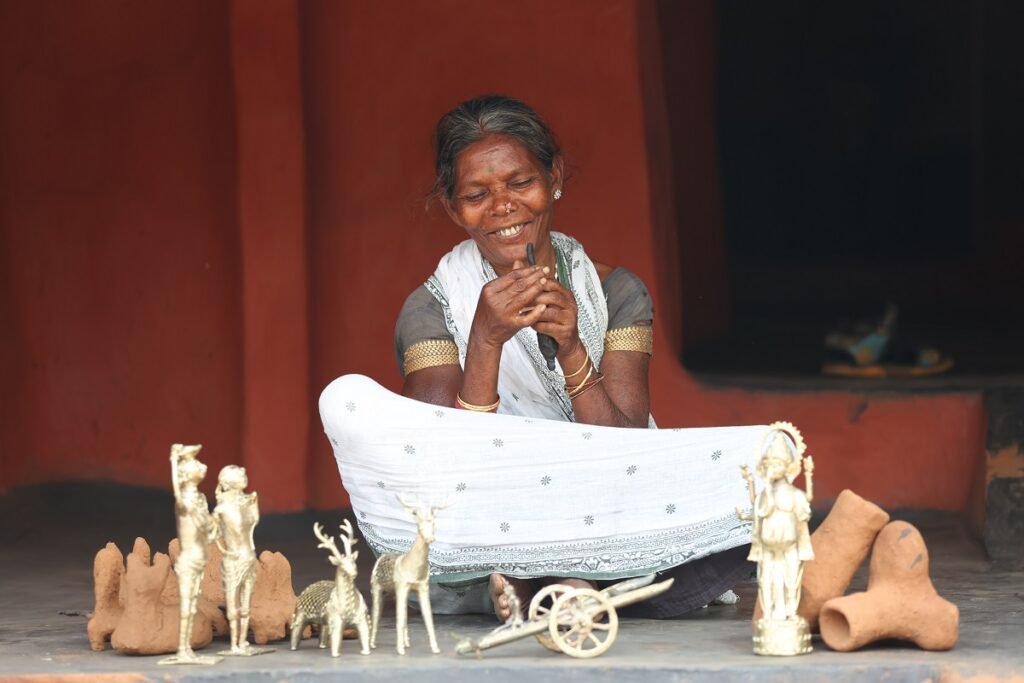
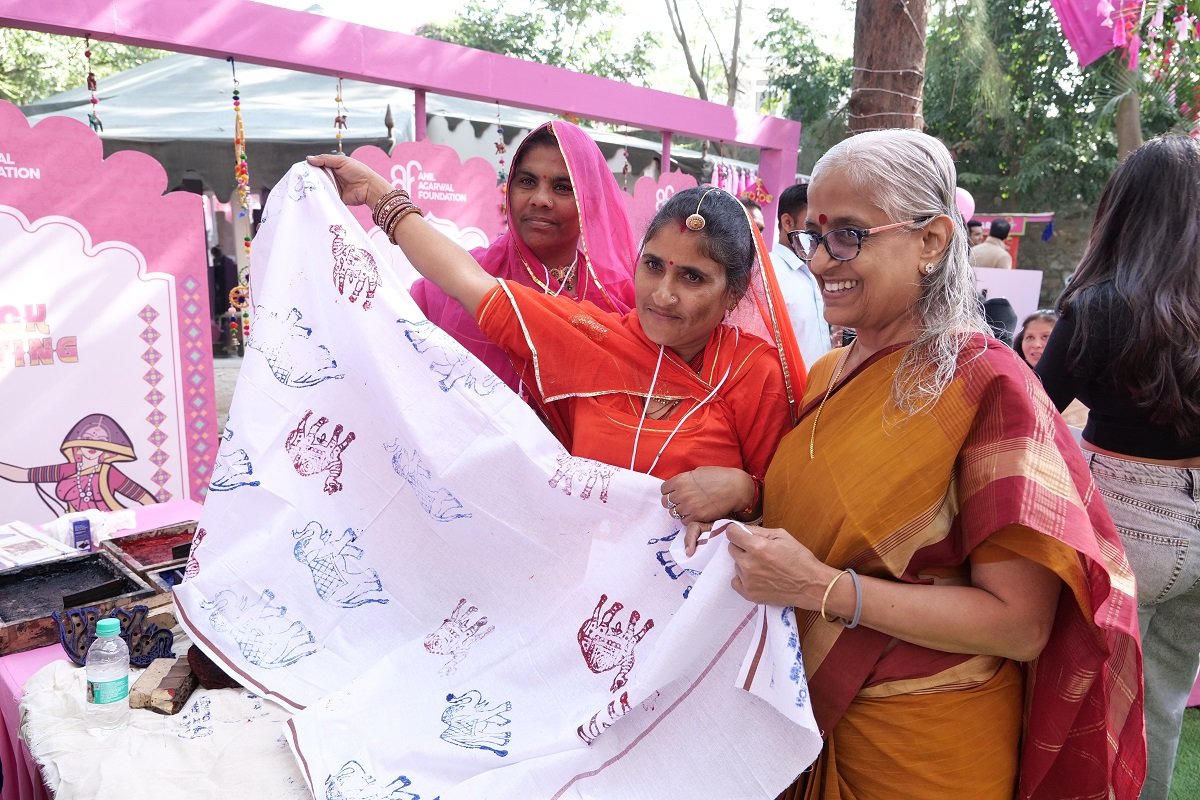
Across states including Odisha, Rajasthan, Assam, and Chhattisgarh, Vedanta continues to actively promote diverse art forms such as Saura paintings (a tribal mural art reflecting nature and community life), Dokra crafts (ancient lost-wax metal casting), Kosa silk weaving (a GI-tagged heritage textile of Chhattisgarh), Ajrakh block printing, bamboo crafts, and folk theatre traditions. These art forms have been showcased at leading cultural platforms including Jaipur Literature Festival, Jaigarh Heritage Festival, and Udaipur World Music Festival, Kalahandi Utsav, Chaiti Mahotsav, etc., significantly enhancing visibility and creating direct market access for artisan communities.
A strong focus on women-led livelihoods has enabled hundreds of women artisans to build financial independence through skill development across handloom, silk, terracotta, and jute-based crafts. Dedicated centres such as the Sampriti Maku Handloom Centre in Assam and the FACOR Kala Kendra in Odisha are strengthening grassroots cultural ecosystems.
“After attending the training by Vedanta, I clearly understood the difference between kosa silk and cotton. Since cotton threads are thicker, they tend to break less, whereas finer kosa threads require more skill to handle. Through this programme, we learned techniques to manage this effectively. What once felt difficult now feels achievable—I have learned to weave plain dupattas within a month and understand how to work efficiently on the loom. I am confident that in the coming weeks, I will be able to independently weave high-quality kosa dupattas and sarees.”
said Usha Bai, Artisan Beneficiary
Vedanta is also investing in cultural infrastructure and large-scale heritage conservation. Community spaces such as halls, temples, and Kirtan Mandaps are being revitalised as cultural hubs, while a Rs 85 crore heritage corridor partnership in Rajasthan is advancing restoration, tourism, and community-linked development.
Extending its cultural engagement globally, Vedanta supports international platforms such as the Ngoma and Kwacha Music Awards, celebrating artistic expression beyond India.
As India balances rapid development with the need to preserve its cultural identity, Vedanta is building scalable, community-driven models that position heritage as a driver of inclusive growth, ensuring that traditional art forms not only survive but thrive as engines of sustainable livelihoods.
(India CSR)