

• India CSR Awards 2026
  • India CSR Leadership Summit
  • Guest Posts
Wednesday, September 23, 2026
India CSR
  • Home
  • Corporate Social Responsibility
    • Art & Culture
    • CSR Leaders
    • Child Rights
    • Culture
    • Education
    • Gender Equality
    • Around the World
    • Skill Development
    • Safety
    • Covid-19
    • Safe Food For All
  • Sustainability
    • Sustainability Dialogues
    • Sustainability Knowledge Series
    • Plastics
    • Sustainable Development Goals
    • ESG
    • Circular Economy
    • BRSR
  • Corporate Governance
    • Diversity & Inclusion
  • Interviews
  • SDGs
    • No Poverty
    • Zero Hunger
    • Good Health & Well-Being
    • Quality Education
    • Gender Equality
    • Clean Water & Sanitation – SDG 6
    • Affordable & Clean Energy
    • Decent Work & Economic Growth
    • Industry, Innovation & Infrastructure
    • Reduced Inequalities
    • Sustainable Cities & Communities
    • Responsible Consumption & Production
    • Climate Action
    • Life Below Water
    • Life on Land
    • Peace, Justice & Strong Institutions
    • Partnerships for the Goals
  • Articles
  • Events
  • हिंदी
  • More
    • Business
    • Finance
    • Environment
    • Economy
    • Health
    • Around the World
    • Social Sector Leaders
    • Social Entrepreneurship
    • Trending News
      • Important Days
        • Festivals
      • Great People
      • Product Review
      • International
      • Sports
      • Entertainment
    • Case Studies
    • Philanthropy
    • Biography
    • Technology
    • Lifestyle
    • Sports
    • Gaming
    • Knowledge
    • Home Improvement
    • Words Power
    • Chief Ministers
No Result
View All Result
  • Home
  • Corporate Social Responsibility
    • Art & Culture
    • CSR Leaders
    • Child Rights
    • Culture
    • Education
    • Gender Equality
    • Around the World
    • Skill Development
    • Safety
    • Covid-19
    • Safe Food For All
  • Sustainability
    • Sustainability Dialogues
    • Sustainability Knowledge Series
    • Plastics
    • Sustainable Development Goals
    • ESG
    • Circular Economy
    • BRSR
  • Corporate Governance
    • Diversity & Inclusion
  • Interviews
  • SDGs
    • No Poverty
    • Zero Hunger
    • Good Health & Well-Being
    • Quality Education
    • Gender Equality
    • Clean Water & Sanitation – SDG 6
    • Affordable & Clean Energy
    • Decent Work & Economic Growth
    • Industry, Innovation & Infrastructure
    • Reduced Inequalities
    • Sustainable Cities & Communities
    • Responsible Consumption & Production
    • Climate Action
    • Life Below Water
    • Life on Land
    • Peace, Justice & Strong Institutions
    • Partnerships for the Goals
  • Articles
  • Events
  • हिंदी
  • More
    • Business
    • Finance
    • Environment
    • Economy
    • Health
    • Around the World
    • Social Sector Leaders
    • Social Entrepreneurship
    • Trending News
      • Important Days
        • Festivals
      • Great People
      • Product Review
      • International
      • Sports
      • Entertainment
    • Case Studies
    • Philanthropy
    • Biography
    • Technology
    • Lifestyle
    • Sports
    • Gaming
    • Knowledge
    • Home Improvement
    • Words Power
    • Chief Ministers
No Result
View All Result
India CSR
No Result
View All Result
Home Interviews

Menstrual Hygiene Awareness Must Go Beyond Pad Distribution: Prachi Kaushik, Vyomini Social Enterprise

India CSR by India CSR
March 8, 2026
in Interviews
Reading Time: 7 mins read
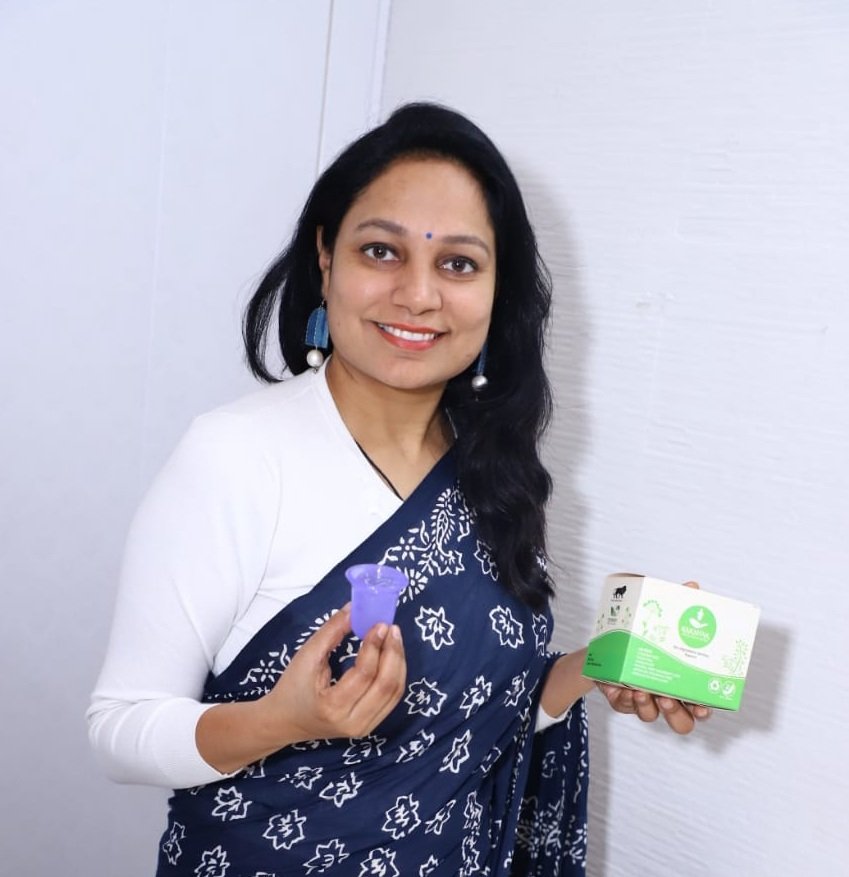
Prachi Kaushik, Founder and Director of Vyomini Social Enterprise

Prachi Kaushik, Founder and Director of Vyomini Social Enterprise

Share Share Share Share
WhatsApp icon
WhatsApp — Join Us
Instant updates & community
Google News icon
Google News — Follow Us
Get our articles in Google News feed
india csr awards
ADVERTISEMENT

Prachi Kaushik discusses menstrual health awareness and empowering 2 lakh women through Vyomini.
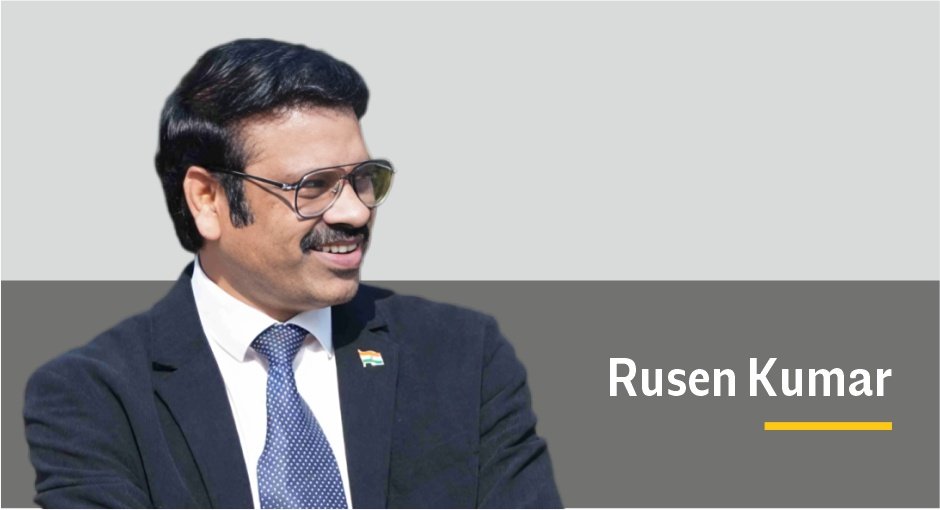
Rusen Kumar Founder and Managing Editor India CSR

By Rusen Kumar

Menstrual health continues to remain a deeply sensitive and often neglected subject in many parts of India. Cultural taboos, lack of awareness, and limited access to affordable menstrual hygiene products continue to affect millions of women and girls.

Working at the intersection of women’s health, entrepreneurship, and social change, Prachi Kaushik, Founder and Director of Vyomini Social Enterprise, has been addressing these challenges through innovative and community-driven initiatives. Vyomini has established India’s first incubation centre for sanitary napkin production, empowering women to become entrepreneurs while spreading menstrual hygiene awareness.

In this India CSR Interview, Prachi Kaushik speaks about the deep-rooted stigma around menstruation, the importance of awareness before menarche, the creation of “sanientrepreneurs,” and the role of the 3As—Awareness, Affordability, and Accessibility—in achieving menstrual equity. She also shares inspiring stories of grassroots change and her vision of expanding the model across India and beyond.
19th India CSR Leadership Summit 2026
ADVERTISEMENT

Edited Excerpts:

1. What major challenges have you faced in breaking menstrual taboos, and how have you addressed them?

The first and foremost challenge is viewing the menstrual cycle as impure and burdened by cultural influences. A girl child grows up with the thinking that the menstrual cycle is something we should not discuss with anyone, something stressful and unwanted.

In some communities, the first menstrual cycle is celebrated like a marriage function, mostly in Assam, Tamil Nadu, Andhra Pradesh, Kerala, etc and in some parts, the first menstrual cycle is kept secret.

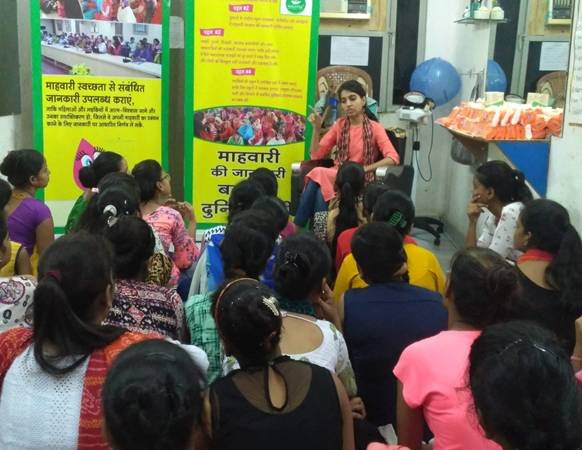
We have discussed the scientific way of menstruation and promoted the menstrual cycle as a biological process, which happens in all female genders. If we orient girls about menstruation before it starts, there will be better handling of the menstrual cycle.
India CSR

2. What inspired you to establish India’s first sanitary napkin incubation centre, and what impact has it created for women and communities?

Menstrual hygiene awareness is not a one-time activity. Simply distributing pads will not solve the problem; creating awareness across communities—irrespective of gender—will.

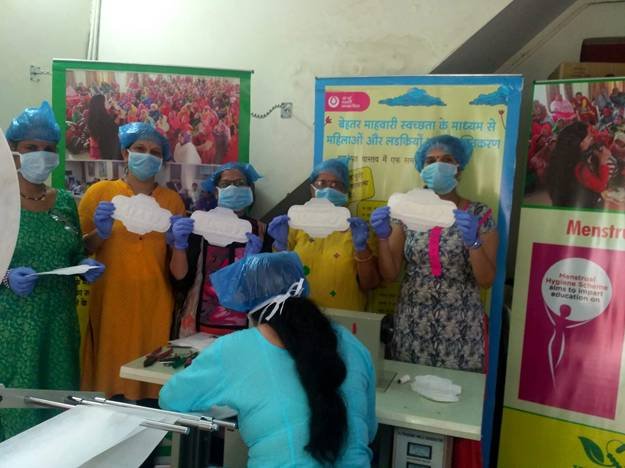
To address this, we have initiated an incubation centre to train entrepreneurs through menstrual hygiene awareness workshops and sanitary napkin manufacturing programs, aimed at promoting local production.

India is a highly populated country, and there is a continuous need for sanitation and hygiene products. We decided to set up and support sanitary napkin manufacturing units at the village level so that, along with awareness and sensitization, women can also gain income-generation opportunities. The involvement of the entire family in this initiative helps break menstrual taboos and fosters the creation of sanientrepreneurs—sanitation entrepreneurs.

Through our incubation program, we provide technical training to women on machine operation, packaging, obtaining necessary licenses, and marketing support.
India CSR

3. Beyond the impressive numbers, what are some of the most impactful personal stories or transformations you’ve witnessed among the 2 lakh women you’ve empowered as entrepreneurs?

When a woman is empowered, her entire family is empowered. However, belonging to a wealthy family does not necessarily mean that a woman has decision-making power.

I remember a woman from Rohtak, Haryana — Mrs. Manju, a very poor woman who began selling sanitary products in her village while also spreading menstrual hygiene awareness. The women in her village supported her and gradually shifted to the brand she was selling.

When we invited her to Delhi to share her experience, it was her first visit to the city, accompanied by her father. As she began speaking about how she had challenged period-related stigma and taboos, she requested her father to step out of the conference room because she felt hesitant to speak in his presence.

This is how change begins — slowly but meaningfully. Later, her father not only accepted her work but also supported her in expanding her business.

4. How do you ensure the sustainability and scalability of your initiatives, particularly in underserved and climate-affected areas?

Sustainability and scalability can only be achieved through continuous and consistent efforts. Many underserved areas still lack basic amenities, and even climate change has an impact on women’s menstrual cycles. Globally, the age of menarche has declined, and we are promoting a healthy lifestyle that helps manage conditions such as PCOD, PCOS, and irregular menstrual cycles, while also encouraging the use of sustainable and environment-friendly menstrual hygiene products.

There is also a myth that sustainable products are expensive. We are working to shift menstruators from synthetic products to eco-friendly alternatives. Every product has its own pros and cons, and it is important to let menstruators choose what works best for them. For example, during irregular bleeding, single-use pads may be a better option, while during regular cycles, reusable pads or menstrual cups can be more suitable and sustainable.

We are also supporting small-scale manufacturing units to scale up and supply sanitary products at the administrative level for distribution in schools and hospitals.

5. What role do government and non-government organizations play in supporting or hindering your efforts, and how do you navigate these relationships?

Today is the time for collaborations and partnerships. To achieve our goals in a shorter span of time, we are partnering with NGOs and government institutionsto promote the sensitization of period-friendly workplacesand theinstallation of necessary sanitation infrastructure at workplaces, public spaces, schools, and other institutions.

6. Could you discuss the “3 As” (awareness, affordability, and accessibility) in more detail, and how they guide Vyomini’s strategy for women’s health and economic upliftment?

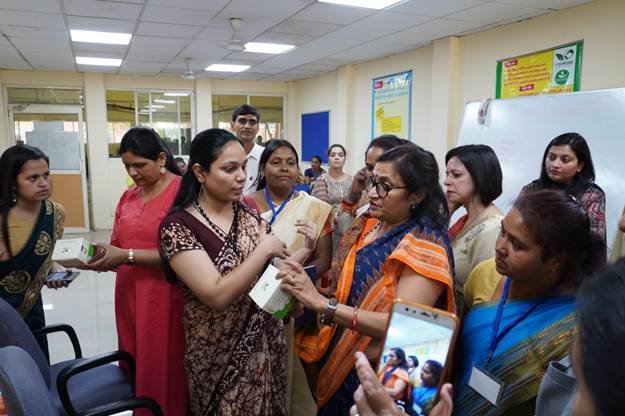
Awareness about menstrual hygiene is just the first step. To bring real change, we must also ensure that products are accessible and affordable. Behaviour cannot change until individuals have access to the necessary products. This is why we follow a 360-degree approach — where awareness creation is backed by continuous access to sanitary napkins. By setting up small-scale manufacturing units, we aim to make affordable products available locally, ensuring both sustainability and self-reliance within communities.
India CSR

7. What are your future aspirations for Vyomini Social Enterprise, and what new initiatives or regions are you looking to expand into?

We aim to establish one incubation centre in each district across India to ensure that maximum women can join our program and embark on their entrepreneurial journey. Through this initiative, we aspire to create a widespread network of trained women entrepreneurs driving menstrual hygiene awareness and local manufacturing. We are also expanding our model to African countries, fostering cross-border collaboration in sustainable menstrual health and women’s empowerment.

8. How do you measure the social and economic impact of your programs beyond the number of women educated and empowered?

We measure social impact by assessing how women’s and their families’ living standards have improved — from enhanced decision-making and better health and education outcomes to overall economic empowerment. We have witnessed women gaining financial independence, being able to purchase basic necessities for themselves, travel with confidence, and support others in achieving the same sense of freedom and dignity.

9. What advice would you offer to aspiring social entrepreneurs working in women’s health and economic empowerment?

Trust women-led businesses and invest in them. They not only promise strong returns but also drive transformative change for the nation at a much faster pace.

10. Given the global attention on menstrual health, what do you believe are the most crucial next steps needed to achieve menstrual equity worldwide?

To achieve this, we must make menstrual products affordable and recognize menstrual hygiene and health as an essential part of primary healthcare. It is equally important to eliminate stigma and taboos by initiating awareness programs as early as Class 4. Workplaces should be made period-friendly by allowing flexible working hours and work-from-home options when required. Men should also be sensitized about their role in supporting menstruating women.

Additionally, we must establish proper quality standards for menstrual hygiene products and implement menstrual hygiene programs at the local level. In regions such as African countries, where women continue to face period poverty, menstrual products should be provided free of cost.


About the Author:

Rusen Kumar, Editor of India CSR, is a renowned thought leader in the field of Corporate Sustainability and Corporate Social Responsibility (CSR). He regularly writes insightful articles and conducts interviews with industry leaders, policymakers, and development practitioners, promoting dialogue on responsible business and sustainable development.

Tags: Menstrual Hygiene
csr education cybernetyx
ADVERTISEMENT
India CSR Image 1 India CSR Image 2

CSR, Sustainability, and ESG success stories hindustan zinc
ADVERTISEMENT
India CSR

India CSR

India CSR® is the largest media on CSR and sustainability offering diverse content across multisectoral issues on business responsibility. It covers Sustainable Development, Corporate Social Responsibility (CSR), Sustainability, and related issues in India. Founded in 2009, the organisation aspires to become a globally admired media that offers valuable information to its readers through responsible reporting.

Related Posts

India CSR
Interviews

Interview: Ravi Mahajan on India’s Shift from Diesel to Solar-Powered Telecom Towers

Sanjay Hande, Head Of Manufacturing And Technology Management, Bosch India @india csr
Interviews

Giving Becomes Participation, and Participation Creates a Deeper Connection: Sanjay Hande, Bosch India

Vivek Prakash, Senior Vice President & Head, CSR at Jubilant Ingrevia Limited
Interviews

Didi Ki Dukaan is Helping Rural Women Become Independent Entrepreneurs: Vivek Prakash, Sr VP & Head–CSR, Jubilant Ingrevia

India CSR
Interviews

Responsible Business Must Turn Research into Real Impact: Prof Bob Doherty

Akanksha Sharma, Vice President – Sustainability, Subcontinent, Central Asia, Levant and; Egypt DP World
Interviews

DP World’s Sustainability Strategy: Building Greener, Inclusive Logistics in India

Dr. V.K. Raju
Interviews

Every Premature Baby Deserves the Right to Sight: Dr. V.K. Raju, Chairman, Goutami Eye Institute & Founder, Eye Foundation of America

Load More
csr education cybernetyx
ADVERTISEMENT
bba
ADVERTISEMENT

Interviews

India CSR
Interviews

Interview: Ravi Mahajan on India’s Shift from Diesel to Solar-Powered Telecom Towers

by India CSR

Ravi Mahajan of Vedang Cellular Services discusses solar energy, battery storage, AI and IoT in building efficient and resilient telecom...

Read moreDetails
Sanjay Hande, Head Of Manufacturing And Technology Management, Bosch India @india csr

Giving Becomes Participation, and Participation Creates a Deeper Connection: Sanjay Hande, Bosch India

Vivek Prakash, Senior Vice President & Head, CSR at Jubilant Ingrevia Limited

Didi Ki Dukaan is Helping Rural Women Become Independent Entrepreneurs: Vivek Prakash, Sr VP & Head–CSR, Jubilant Ingrevia

India CSR

Responsible Business Must Turn Research into Real Impact: Prof Bob Doherty

Load More
Ad 1 Ad 2 Ad 3 Ad 4 Ad 5 Ad 6
ADVERTISEMENT

CSR UPDATES

CSR: Nayara Energy Commits ₹2 Crore for Free Dialysis and Palliative Care in Kochi

Nita M. Ambani’s message to Indian athletes for the Asian Games: This is your moment, make it count

Indus Towers CSR Positively Impacts 33.88 Million Lives

From Potential to Progress: The Maashal Fellowship Story of GreenBreathe Innovations

Bata India Spends Rs 6.89 Cr on CSR in FY 2025-26, Supports Education, Health and Environment

BASF India Transfers Rs 8.86 Cr to Unspent CSR Account for Ongoing Projects in FY 2025-26

STEM Learning STEM Learning STEM Learning
ADVERTISEMENT
Facebook Twitter Youtube LinkedIn Instagram
India CSR Logo

India CSR® is the largest tech-led platform for information on CSR and sustainability in India offering diverse content across multisectoral issues. It covers Sustainable Development, Corporate Social Responsibility (CSR), Sustainability, and related issues in India. Founded in 2009, the organisation aspires to become a globally admired media that offers valuable information to its readers through responsible reporting. To enjoy the premium services, we invite you to partner with us.

Follow us on social media:

Subscribe to Our Newsletter

Don't miss out on the latest updates in corporate social responsibility. Subscribe to our newsletter at indiacsr.in and be part of the positive change.
Please enable JavaScript in your browser to complete this form.
Loading

  • About India CSR®
  • Team
  • India CSR® Awards 2026
  • India CSR® Leadership Summit
  • Partnership
  • Guest Posts
  • Services
  • ESG Professional Network
  • Content Writing Services
  • Business Information
  • Contact
  • Privacy Policy
  • Terms of Use
  • Donate

Copyright © 2026 - India CSR® | All Rights Reserved

No Result
View All Result
  • Home
  • Corporate Social Responsibility
    • Art & Culture
    • CSR Leaders
    • Child Rights
    • Culture
    • Education
    • Gender Equality
    • Around the World
    • Skill Development
    • Safety
    • Covid-19
    • Safe Food For All
  • Sustainability
    • Sustainability Dialogues
    • Sustainability Knowledge Series
    • Plastics
    • Sustainable Development Goals
    • ESG
    • Circular Economy
    • BRSR
  • Corporate Governance
    • Diversity & Inclusion
  • Interviews
  • SDGs
    • No Poverty
    • Zero Hunger
    • Good Health & Well-Being
    • Quality Education
    • Gender Equality
    • Clean Water & Sanitation – SDG 6
    • Affordable & Clean Energy
    • Decent Work & Economic Growth
    • Industry, Innovation & Infrastructure
    • Reduced Inequalities
    • Sustainable Cities & Communities
    • Responsible Consumption & Production
    • Climate Action
    • Life Below Water
    • Life on Land
    • Peace, Justice & Strong Institutions
    • Partnerships for the Goals
  • Articles
  • Events
  • हिंदी
  • More
    • Business
    • Finance
    • Environment
    • Economy
    • Health
    • Around the World
    • Social Sector Leaders
    • Social Entrepreneurship
    • Trending News
      • Important Days
      • Great People
      • Product Review
      • International
      • Sports
      • Entertainment
    • Case Studies
    • Philanthropy
    • Biography
    • Technology
    • Lifestyle
    • Sports
    • Gaming
    • Knowledge
    • Home Improvement
    • Words Power
    • Chief Ministers

Copyright © 2026 - India CSR® | All Rights Reserved

This website uses cookies. By continuing to use this website you are giving consent to cookies being used. Visit our Privacy and Cookie Policy.
