


What Types of Fire Safety Equipment Should I Have?
Understanding Different Types of Fire Extinguishers
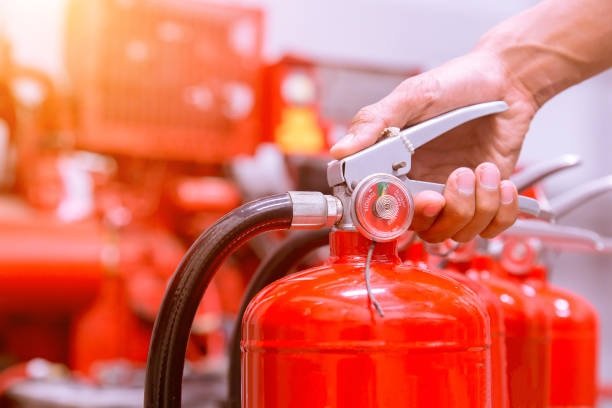
Fire extinguishers are essential for maintaining fire safety, as they allow the user to combat certain types of fires. Various classes of fire extinguishers have been developed in accordance with the source of the fire. Class A extinguishers cove ordinary combustible materials such as wood, paper, and textile fabric. Class B extinguishers cove flammable liquids like gasoline and oil. Class C extinguishers deal with electrical fires where water-based solutions would cause more problems than they would solve. Class D extinguishers cove combustible metals, whereas Class K extinguishers cove kitchen fires that result from cooking oils and fats. Choosing the appropriate fire extinguisher is vital to dedicating time and resources to fire hazard containment.
View Fire Safety Equipment – Dadao details to get into the details

What Is a Fire Alarm and Why Is It Important?
Consisting of integrated components that work sequentially, like heat or smoke sensors along with a sounding device, a fire alarm is a system that detects heat, smoke, or flame and serves as a warning sign for the presence of a fire. The essence of a fire alarm lies in its warning capabilities which, if acted upon promptly, can significantly minimize the loss of life and property. As part of a fire preparedness plan, fire alarms serve as the first indication that steps need to be taken to prevent disaster within a certain time period. Hence, they are vital for ascertaining building safety compliance.
For more in-depth information you should view Fire Safety Equipment – Dadao
The Role of Smoke Detectors in Fire Safety
Smoke detectors are devices that can sense the presence of smoke within the household, providing vital early warning signals long before flames are noticed. With every second counting during a fire emergency, knowing and understanding how smoke detectors function can make all the difference as it can mean the difference between life or death. There are ionization and photoelectric smoke detectors, with the former more effective against fast flaming fires and the latter being more adept at identifying slowly smoldering fires. Keeping smoke detectors functional – by replacing their batteries regularly and performing periodic system checks – is of paramount importance, as doing so dramatically increases the chances of safely escaping fire.
How Can I Ensure My Home is Safe from Fire Hazards?
Conducting a Home Fire Inspection
Regular fire inspections around the home can go a long way in preventing fires from happening in the first place. During the inspection, pay close attention to the electrical system, paying specific attention to frayed cords and overloaded circuits. Ensure that all cooking appliances function properly and that all flammable materials are kept at a safe distance from heat sources. Also, ensure that hallways and windows are able to be exited easily without obstruction. Smoke alarms and carbon monoxide detectors must also be checked during the inspection to ensure proper functionality. Completing these inspections no less than two times in a year will greatly help in lowering the chances of fire-related incidents happening throughout the year.
Why You Should Add A Sprinkler System to Your Home
Adding a sprinkler system to your home can greatly increase the level of protection during a fire emergency. The residential sprinkler system is designed to operate automatically, quickly putting water on the flames and stopping the fire from spreading. Unlike smoke detectors, which are meant to alert people, sprinklers ensure that any damage done by fire is reduced while the people within the vicinity may escape safely. Research shows that homes that have these systems installed suffer much less when it comes to fatalities and loss of property due to untamed fires. Adding simplistic and reliable smoke detectors also ensures that together with the sprinklers, a firm framework aimed at fire prevention and control is established.
Crafting a Fire Emergency Plan for Your Family
An emergency plan for a fire serves to protect your family and should be thought out in advance. First, determine at least two ways to exit each room and ensure each person in the household can navigate them easily. Set a location outside the house to meet up after evacuating and take attendance. Carry out fire drills from time to time to ensure that all learners are conversant with the plan and stress the need to get as low as possible to avoid inhaling smoke. Teach kids how to contact emergency responders and how to properly leave the house. Having a detailed and rehearsed plan will assist in responding swiftly and diminish panic during an actual fire situation.
What Are the Best Practices for Using Fire Safety Equipment?
How to Properly Use a Fire Extinguisher
In order to properly employ a fire extinguisher, one must remember the strategy called PASS. To begin, Pull the pin that breaks the safety seal. Then Aim the nozzle at the base of the fire but do not aim it at the flames. This will ensure the extinguishing agent goes to where it is supposed to. After that, Squeeze the handle to release the extinguishing agent while applying constant pressure. Finally, Sweep side to side with the nozzle at the base of the fire until it is completely extinguished. Remember to always have a clear escape plan before deploying the fire extinguisher and do not attempt to attempt to control vast, rapidly spreading fires. For safety, one must know the different classes of fire extinguishers, (e.g. Class A, B, C) and how to use them in order to avoid making a dangerous situation worse.
Consistent Upkeep of Smoke Detectors
Smoke detectors play a vital role in fire protection, and their upkeep should be done regularly to prevent their methods from failing. Review the manufacturer’s manual for particular maintenance, but a good rule of thumb is to vacuum the smoke alarms every month to keep dust from interfering with their sensors. Change the batteries every year, or immediately if the detector starts to emit a low-battery beep. For smoke detectors with sealed lithium batteries, replace the whole unit after the suggested lifespan of roughly 10 years. Furthermore, check the units for any signs of scratches or tears that may impact how well they function. Proper upkeep of smoke detectors guarantees their functionality in discovering critical signs of fire.
Evaluating Fire Alarm System Performance on a Regular Basis
To maintain the optimal functionality of fire alarms, testing them must be done regularly. One of the most common methods for verifying whether a fire alarm is effective is pressing and holding its test button to see if the alarm goes off; this is done once a month. Regular checks such as these ensure that a fire alarm is working as it should. Should the alarm not produce any sound during the test, it is best to check on the battery or unit; replacing them is advisable. With self-testing, malfunctions can be detected and dealt with efficiently before they negatively impact performance in emergencies. The effectiveness as well as reliability of a fire alarm greatly depend on its ability to provide adequate warnings during a fire scenario.
How Do Different Types of Fire Affect Fire Safety Equipment?
To ensure effective suppression, each class of fire requires an appropriate method of control. Each type of fire poses specific threats based on the material or substance fueling it. For instance, Class A fires involve combustibles like wood, paper, or textiles which are best extinguished using water or foam extinguishers. Class B fires require chemical agents like powder or carbon dioxide extinguishers due to gasoline or oil enabling the fires.
Electric fires, categorized as Class C, require CO2 or dry chemical powder extinguishing agents leaving no chance of electrocution. High-temperature combustible metals like magnesium or lithium make Class D fires that require specialized dry powder extinguishers to manage intense reactions from metals. Lastly, Class K fires usually associated with cooking oils or fats are dealt with wet chemical extinguishers which cool down and suppress as well as prevent the possibility of re-ignition. There is a wide array of approaches to safeguarding life and preserving property with the essential goal being damage control.
What Should I Do in Case of a Fire Emergency?
Immediate Actions to Take During a Fire Emergency
In the case of a fire emergency, your first step should always be to ensure the safety of your surroundings as well as yourself. Take a moment to evaluate the situation and do not hesitate to put out small fires using the appropriate methods such as an extinguisher. If the fire is getting out of hand, it is better to evacuate the area until the fire can be better managed. In either case, always make an effort to follow the building evacuation plan which suggests making use of emergency exits instead of elevators. Always remember to close doors so that smoke and fire do not spread to uncontrolled areas.
How to Tell Fire Services in Your Area Step-by-Step
The utmost important factor during an emergency like a fire is contacting the right professionals in a timely manner. Providing the specific area of the fire and other contextual information will assist emergency services immensely. At no point should you go back in a building once you have evacuated. Make sure you let people around you know so that they can help get in touch with someone who can avert the situation at hand.
Utilizing Fire Hose and Fire Suppression Systems Properly
As well as in any other spheres of life, both hoses and fire suppression systems have a firm place in industrial or commercial areas, water directed through fire hoses is a powerful tool for combating fire. If trained, you may use a fire hose to direct a steady stream of water at the base of the flames for Class A fires, ensuring you maintain a safe distance. For fire suppression systems, such as sprinkler systems, make sure they go off if they have not been set off automatically. These systems are specifically designed to either contain or extinguish fires while limiting damage to the surrounding area. Properly and appropriately using the system is essential for effective fire management. Be sure to always call for help and keep safe while operating such equipment.