




Hyderabad does a lot of knee and hip replacements. The hospitals across Jubilee Hills, Banjara Hills and the HITEC City stretch handle high volumes every year, and patients come from across Telangana specifically because the combination of skilled surgeons and reasonable costs works out better here than in some other cities.
What gets far less attention is everything that happens after the surgery. That part is quieter, less dramatic, and honestly just as important as the procedure itself.
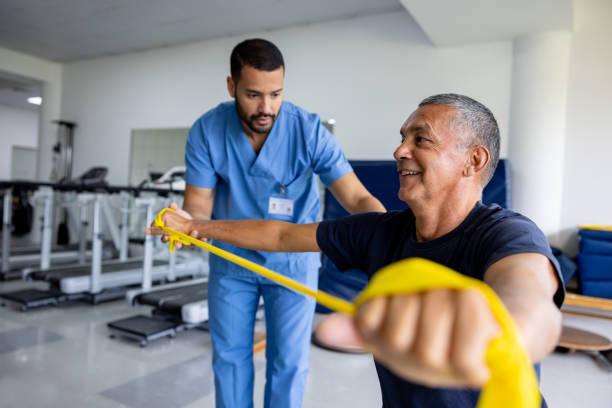
Knee and hip recovery doesn’t end at discharge. It starts there. The weeks that follow are when rehabilitation decides how much function actually comes back. And more patients in Hyderabad are choosing to do that rehabilitation at home rather than going to a clinic for every session.

Why the Preference Has Shifted
The reasons aren’t complicated once you think them through properly.
Travel works against what’s trying to heal. A patient sitting in Hyderabad traffic for forty minutes after a knee replacement, heading to a clinic somewhere in Kondapur or Ameerpet, arrives already worn out before the session has even started. Physiotherapy in Hyderabad brings the session to the patient instead. They’re at their own home, rested, not exhausted from the journey there.
Home is also where the function actually needs to come back. A clinic is a neutral space. It doesn’t have the specific chair your parent struggles to get up from every morning, or the bathroom layout they need to navigate safely, or the two steps at the entrance that are still a challenge at week three. A physiotherapist working through physiotherapy in the home at someone’s actual address can work on all of those things directly, not some generic version of them.
Hyderabad’s distances don’t help either. Getting from Secunderabad to a clinic near Gachibowli isn’t quick at any time of day. For someone managing real post-surgical pain and limited movement, that kind of commute is a genuine barrier to keeping sessions going consistently. Home visits take it off the table.
What the Rehabilitation Actually Involves
Recovery from knee or hip replacement moves through phases, and a good physiotherapist manages each one carefully.
The first few weeks aren’t about strength. They’re about keeping the joint moving while the tissue is still healing.
- Gentle range of motion work to stop stiffness setting in too early
- Safe transfer technique, getting from bed to chair to bathroom without putting wrong load through the joint
- Guidance on how to rest and sleep in positions that don’t compromise what’s healing
- Swelling management through ice, elevation and simple movement
Weeks four to eight shift to rebuilding what’s been lost.
- Quadriceps and hamstring strengthening for knee patients
- Gluteal and core work for hip replacement recovery
- Progressive weight-bearing as the joint starts tolerating more
- Balance work to rebuild confidence in the joint gradually
Weeks eight to twelve are where it connects back to real life.
- Stairs, if the home has them
- Getting in and out of a car properly
- Walking patterns that have gone uneven since surgery
- Returning to daily activities without compensation habits taking over
Pacing is What Makes or Breaks Recovery
The thing that sets people back most often isn’t effort; it’s rushing. A patient who feels better than expected at week four and pushes too hard by week five can lose two weeks of progress recovering from that mistake. It happens more than it should.
A physiotherapy home service that manages recovery at home tracks things session to session. They know your baseline. They know when progress is real and when someone’s compensating their way through an exercise that isn’t working right yet. That kind of ongoing clinical judgement is something a YouTube video or a gym programme genuinely can’t replicate.
What Families Actually Notice
Families usually notice their parent was more motivated working in their own environment. Sessions weren’t being disrupted by the effort of getting there. The exercises felt relevant because they were happening in the actual spaces where independence needed to come back.
The patient practising standing from a chair at home is practising on their actual chair. The one working on walking is doing it down their actual hallway. That specificity adds up over twelve weeks.
Hyderabad’s surgical care for joints is genuinely good. Making sure the rehabilitation side matches it is what determines the full result.
Disclaimer: This article is general information only and isn’t medical advice for your specific surgical recovery or rehabilitation needs. Please follow your orthopaedic surgeon’s instructions and consult a qualified physiotherapist before beginning any rehabilitation programme.



