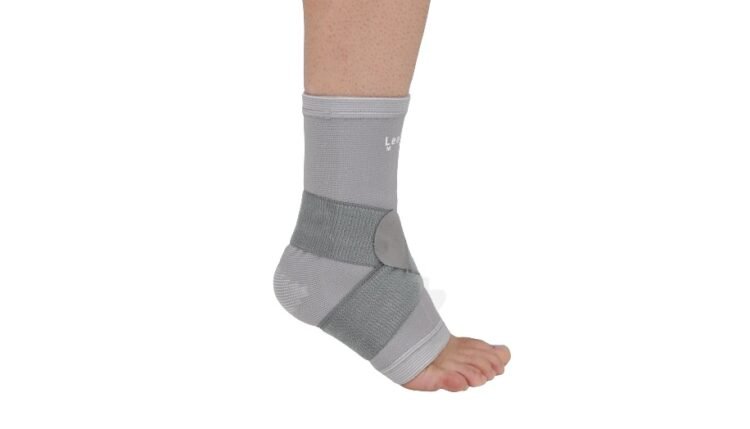


An ankle binder is a supportive garment worn around the ankle to provide additional stability during recovery from injury and to help reduce the risk of future injuries. It is commonly used during physical activity, rehabilitation, and for managing chronic ankle instability.
When Should You Wear an Ankle Binder?
Ankle binders may be useful in several situations where ankle support and stability are required.
During Exercise
Activities such as running, jumping, and sports involving rapid directional movements place significant stress on the ankles. Wearing an ankle binder may provide additional support and help reduce the risk of injury during such activities.
Following an Ankle Sprain
During recovery from an ankle sprain, an ankle binder may help reduce swelling and limit excessive movement, which can support the healing process. However, medical experts recommend that ankle support should not replace proper rehabilitation and medical treatment.
Chronic Ankle Instability
Some individuals experience repeated ankle sprains due to chronic ankle weakness or instability. In such cases, ankle binders may provide ongoing support and improve joint stability during movement.
How Long Should an Ankle Binder Be Worn?
The duration for wearing an ankle binder depends on the severity of the injury, physical activity levels, and medical advice.
- 1–2 weeks after an acute ankle injury: Support braces are often worn throughout the day to assist healing, but are generally removed at night to allow the skin to breathe and reduce irritation.
- During physical activity: As recovery progresses and muscle strength improves, ankle binders may be used mainly during activities that place stress on the ankle.
- For injury prevention: Some individuals continue using ankle support during high-risk activities even after recovery to help prevent future injuries.
Types of Ankle Support
Different types of ankle supports are available depending on the level of stability required.
Mild Ankle Support
Compression sleeves and ankle wraps are commonly used for mild sprains or preventive support. These supports help reduce swelling while allowing limited movement.
Common Uses:
- Mild ankle sprains
- Low-impact activities
- General ankle support
Ankle Sleeves
Ankle sleeves are lightweight supports typically made from elastic materials. They provide gentle compression, improve circulation, and are designed for daily comfort.
Ankle Wraps
Ankle wraps use adjustable straps that wrap around the foot and ankle to provide customizable support. They are generally easy to wear and suitable for mild support needs.
Moderate Ankle Support
For moderate sprains or physically demanding activities, stronger support systems may be recommended.
Common Uses:
- Moderate ankle sprains
- Chronic ankle instability
- Hiking, walking, and recreational sports
Lace-Up Ankle Braces
These braces are tightened using laces, allowing adjustable compression and support. They are designed to reduce excessive side-to-side ankle movement while still permitting forward and backward motion.
Hinged Ankle Supports
Hinged ankle braces use a rigid support mechanism to limit side movement while allowing controlled ankle motion. They are often used during recovery from moderate injuries.
Maximum Ankle Protection
Rigid ankle stabilisers are commonly used for severe injuries, fractures, or post-surgical support.
Common Uses:
- Severe ankle sprains
- Foot or ankle fractures
- Post-operative recovery
Ankle Stabilisers
Ankle stabilisers typically use semi-rigid structures to provide higher levels of support and help reduce the risk of re-injury. They may also assist in pain management and joint stability during recovery.
Tips for Comfortable Use
Experts recommend the following practices for safe and comfortable use of ankle binders:
- Wear thin socks underneath the binder to help prevent blisters and skin irritation.
- Ensure the binder is snug but not excessively tight, as restricted blood circulation may worsen discomfort.
- Remove the binder while sleeping unless advised otherwise by a healthcare professional.
- Keep both the ankle binder and feet clean to maintain hygiene and comfort.
- Seek medical advice if pain, numbness, or discomfort continues while using ankle support.
Important Note
While ankle binders can provide support and stability, medical professionals advise consulting a healthcare expert for proper diagnosis, treatment, and rehabilitation in case of serious injuries or persistent pain.