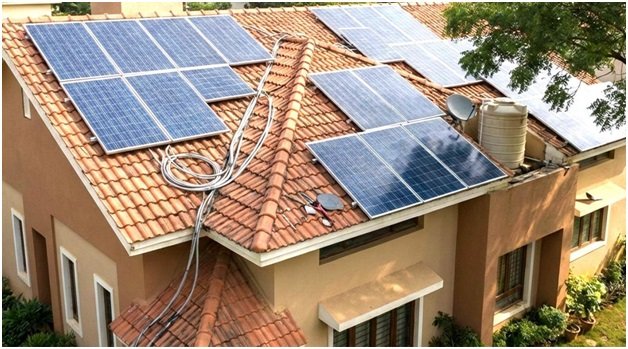


A solar power system can slash your electricity bills for decades—or quietly become an expensive disappointment if installed incorrectly. To get the maximum benefit of solar, it is important to carry out the installation procedure properly.
Let’s find out how to spot common installation mistakes early and ask the right questions to choose wisely.
1. Ignoring Detailed Site Survey and Shading Analysis
Many homeowners think that a basic rooftop inspection is enough—just like everyone else does. But, even a small amount of shading can have a serious effect. If a single solar panel drops by just 5% in performance due to shadow at any point during the day, that loss builds up over 25 years, sometimes exceeding the total cost of the entire solar plant.
A proper installation requires a detailed rooftop survey covering 37 critical checkpoints, that includes shading, orientation, and structural strength. With a proper site survey and proper system planning, homeowners can get better solar output, strong structural support, and a system that delivers the real results.
2. Poor Earthing and Lightning Protection
One of the commonly ignored solar installation mistakes is poor earthing. Some installers opt for just one or two earthing points, which may fail to provide proper protection during power strikes or voltage surges.
The trusted solar systems require multiple earthing points to channel excess current safely, prevent damage to components, and maintain electrical safety over the period.
3. Ignoring Wind Load Safety of the Structure
Many solar installations use lightweight structures that perform well initially but fail to withstand strong winds over time. After a few years, loose joints and weakened frames can even cause solar panels to come off the structure due to wind pressure and heavy storms.
A properly fixed mounting structure tested for high wind speeds—up to 160 km/h. It provides essential protection, especially in areas likely to strong winds and extreme weather.
4. Using Regular Conduit Pipes
Some installers use regular electrical conduit pipes that are not designed for outdoor exposure. These pipes can crack or degrade within 2–3 years due to constant sunlight and heat exposing increasing safety risks.
Outdoor-grade pipes like HDPE (High-Density Polyethylene) are a much better option for solar installations. They are designed to handle sunlight and heat, last longer, and keep electrical cables secured for years.
5. Compromising on Solar Wiring Quality
Some installations use normal or low-grade wires and such wiring is not suitable for long-term outdoor use or high electrical loads. Over time, this can lead to power loss, wear down the insulation, and raise the chances of electrical issues or even fire hazards.
Using high-quality DC solar cables, such as armoured cables made specifically for photovoltaic systems. These cables provide better protection against heat and moisture. This makes the system safer and ensures more reliable performance in the long run.
6. Using Cut-at-Site Pre-GI Mounting Structures
A common installation mistake is using pre-GI mounting structures that are cut directly at the site. While this may seem cost-effective, the exposed cut edges start corroding from day one. Such structures work fine for the first 2–3 years, but gradual rust weakens their strength and reduces system life.
Whereas, factory-made hot-dip galvanized structures are designed as per site requirements and do not require cutting, ensuring long-term durability, rust resistance, and structural safety for decades.
7. Mixing-up the Different Brands
Considering different brands or vendors for solar products is also the common mistake homeowners make. Buying solar modules, inverters and other key components from different places creates problems. It may look flexible but when you face breakdowns or performance issues, this will create confusion. Each vendor or party blames the other while keeping you waiting for the service support.
Choosing a complete solar solution from a single, trusted provider helps ensure smoother performance, and clear responsibility. This is where you can trust UTL Solar, a one-stop solar solution.
8. Ignoring Future Expansion Possibilities
Many homeowners plan their solar system around what they use today and don’t think much about what might change later. Adding things like an air conditioner or moving to induction cooking can quickly push electricity use higher. That’s why it’s worth talking to your installer early on about how your power needs could increase in the future.
9. Not Focusing on Maintenance and Panel Cleaning
Dust accumulation on solar panels kills performance and efficiency. Even a thin layer of dust can significantly reduce energy generation over time. Many homeowners ignore the importance of regular cleaning and maintenance.
Regular panel cleaning, especially during the first year of operation, helps maintain optimal efficiency and ensures the system delivers consistent output as expected.
10. Assuming “All Installations Are More or Less the Same”
Many people consider solar installation a common job and every installer follows the same process. But in reality, the quality of installation varies on many aspects. Shortcuts and improper installation often turn into bigger problems over time. These details may not be visible at first, but they quietly affect your system performance and efficiency.
Staying informed and asking a few simple but important questions can make a real difference.
11. Ignoring the Credibility of Solar Panel Brands
One of the most common mistakes homeowners make is focusing only on warranty years while ignoring the credibility and market presence of the solar brand itself. Solar is a long-term investment, often expected to perform reliably for 25 years or more. Many brands promise long warranties on paper, but some of these companies are only 2–3 years old. Many of them are not yet established enough to prove their long-term reliability. Trusting brands with a proven market presence and years of consistent operation offers far greater assurance than relying solely on warranty claims.
One should trust the brand that has been in the market for decades and have proven their product quality. Companies like UTL Solar are serving their trusted solar services with nearly 29 years of experience and have seen the market changes. Our long journey helps us to support customers better and earn trust through consistent performance.
The Final Note
Solar energy is a long-term investment, and its success depends far more on how the system is planned and installed. Most solar disappointments don’t happen because solar technology doesn’t work but it is because small but important installation steps are rushed or ignored.
By understanding these common mistakes and their solutions, homeowners can ask the right questions. Also, you can demand better installation practices, and choose systems that are safe, and built to last.