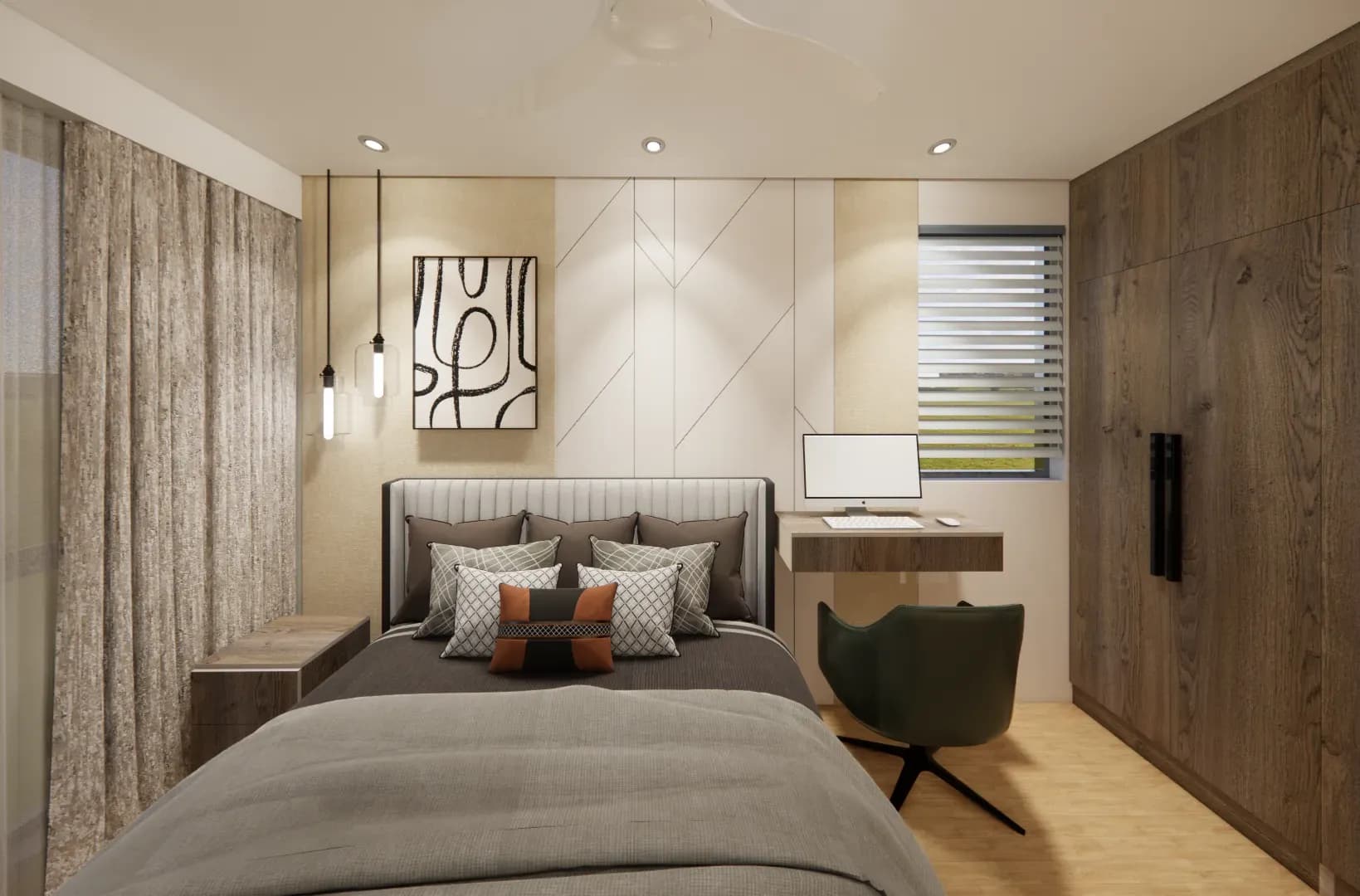



For years, flooring was often treated as a one-time decision based mainly on appearance or budget. Today, homeowners are asking different questions. Where do the materials come from? How long will they last? Can they withstand India’s varied climate? This shift points out to a broader change in how people think about their homes.
Sustainability has become an important part of the conversation. It’s no longer limited to energy-efficient appliances or recycled décor. It has become an important consideration from the ground up, with flooring emerging as one of the most impactful design choices. This is visible across cities such as Mumbai, Bengaluru, Hyderabad, Pune and Delhi, where homeowners increasingly seek materials that combine durability, low maintenance and environmental responsibility.
Sustainable Flooring Means More Than Recycled Materials
Recycled on a brochure is not the whole picture. When seen in practice, here is a list of things that decide whether a floor is genuinely responsible:

- Responsible sourcing of raw materials: Locally quarried stone or certified timber and bamboo cut transport emissions and don’t strip a forest somewhere else. Certification for responsible forestry is worth asking your supplier about.
- Long product lifespan: The greenest floor is often the one you never replace. Durability is sustainability, even if it doesn’t sound as fashionable.
- Minimal maintenance requirements: A surface that demands harsh chemical cleaners and litres of water every week carries a lifetime footprint people rarely count.
- Lower manufacturing emissions: Several manufacturers have moved to energy-efficient production and recycled inputs.
- Reduced volatile organic compound (VOC) emissions: Low-VOC flooring releases fewer airborne chemicals, a real consideration in homes with young children, elderly parents, or anyone with a sensitive chest.
- Ability to repair instead of replace: A wooden floor that can be sanded and refinished twice in its life beats one that must be torn out at the first scratch.
The growing focus on sustainable homes reflects a broader shift in how people think about their living spaces. According to the IKEA Life at Home Report 2024, 63% of people who say their home enables them to live sustainably also consider it their favourite place to be, highlighting the strong connection between environmentally conscious choices and overall satisfaction with the home. Flooring, as one of the most permanent elements in an interior, naturally plays an important role in supporting that mindset
Materials gaining popularity in Indian homes
1. Engineered wood
Engineered wood uses far less solid timber than traditional hardwood and looks nearly identical to it. It performs well in varying humidity conditions, making it apt for many Indian cities.
2. Bamboo flooring
Bamboo regenerates itself within a few years, thereby making it among the most sustainable types of floor materials. Recent strand-woven bamboo is also much tougher than earlier versions and hence very durable, apart from having a natural aesthetic value.
3. Natural stones
Kota, granite, sandstone, these have stood the test of time. That’s because they are local, light on transportation and long-lasting.
4.Terrazzo
Terrazzo has made a strong comeback in contemporary interiors. By using stone fragments within cement, it reduces material waste while creating an extremely durable surface.
5. Ceramic and vitrified tiles
Modern manufacturing has made ceramic and vitrified tiles more resource-efficient, with many manufacturers incorporating recycled content and water-saving production techniques.
Regional Choices Reflect Local Lifestyles
Climate decides more than taste does, and it plays out differently in every city.
In Bengaluru and Pune, engineered wood and wood-look tiles suit modern homes. Chennai and Hyderabad lean towards stone and vitrified surfaces that stay cool through extremely harsh summers. Delhi and Gurugram often split the difference: wood in bedrooms for winter warmth, stone or tile in living areas.
In the Mumbai Metropolitan Region, where coastal humidity and compact homes influence design decisions, moisture-resistant flooring has become a practical choice. This is why interior designers in Mumbai so often steer clients towards vitrified tiles, engineered wood or natural stone, materials that shrug off moisture and don’t demand fussy upkeep from people who have no time for it.
While residential areas keep on growing in Thane, flooring choices have been made on the basis of lifestyle requirements rather than trends. Larger families, dual office space and multifunctional houses need materials which can last long while requiring very little maintenance.
Many interior designers in Thane therefore recommend timeless flooring finishes that can adapt to evolving interiors. Choosing surfaces with strong wear resistance allows homeowners to update furniture over time without replacing the flooring, making sustainability both practical and cost-effective.
Some interior designers have built their whole approach around this thinking. Bonito Designs, for instance, curates homes around how people actually live: routines, maintenance habits, which room takes the daily beating, rather than around individual showpiece elements. When flooring is chosen that way, it stops being a surface and starts being part of how the home works.
Final Thoughts
Sustainable flooring is an important step towards building a home that is a practical investment in durability, comfort and responsible living. Whether you’re renovating a flat in Mumbai, setting up a home in Thane, or building fresh in Mumbai, Bengaluru, Hyderabad or Delhi, the same principle applies everywhere: choose a floor for the next thirty years, not the next trend. Everything else in the house is easier to change; the floor should be the one thing you never have to.