

• India CSR Awards 2025
  • India CSR Leadership Summit
  • Guest Posts
Wednesday, June 3, 2026
India CSR
  • Home
  • Corporate Social Responsibility
    • Art & Culture
    • CSR Leaders
    • Child Rights
    • Culture
    • Education
    • Gender Equality
    • Around the World
    • Skill Development
    • Safety
    • Covid-19
    • Safe Food For All
  • Sustainability
    • Sustainability Dialogues
    • Sustainability Knowledge Series
    • Plastics
    • Sustainable Development Goals
    • ESG
    • Circular Economy
    • BRSR
  • Corporate Governance
    • Diversity & Inclusion
  • Interviews
  • SDGs
    • No Poverty
    • Zero Hunger
    • Good Health & Well-Being
    • Quality Education
    • Gender Equality
    • Clean Water & Sanitation – SDG 6
    • Affordable & Clean Energy
    • Decent Work & Economic Growth
    • Industry, Innovation & Infrastructure
    • Reduced Inequalities
    • Sustainable Cities & Communities
    • Responsible Consumption & Production
    • Climate Action
    • Life Below Water
    • Life on Land
    • Peace, Justice & Strong Institutions
    • Partnerships for the Goals
  • Articles
  • Events
  • हिंदी
  • More
    • Business
    • Finance
    • Environment
    • Economy
    • Health
    • Around the World
    • Social Sector Leaders
    • Social Entrepreneurship
    • Trending News
      • Important Days
        • Festivals
      • Great People
      • Product Review
      • International
      • Sports
      • Entertainment
    • Case Studies
    • Philanthropy
    • Biography
    • Technology
    • Lifestyle
    • Sports
    • Gaming
    • Knowledge
    • Home Improvement
    • Words Power
    • Chief Ministers
No Result
View All Result
  • Home
  • Corporate Social Responsibility
    • Art & Culture
    • CSR Leaders
    • Child Rights
    • Culture
    • Education
    • Gender Equality
    • Around the World
    • Skill Development
    • Safety
    • Covid-19
    • Safe Food For All
  • Sustainability
    • Sustainability Dialogues
    • Sustainability Knowledge Series
    • Plastics
    • Sustainable Development Goals
    • ESG
    • Circular Economy
    • BRSR
  • Corporate Governance
    • Diversity & Inclusion
  • Interviews
  • SDGs
    • No Poverty
    • Zero Hunger
    • Good Health & Well-Being
    • Quality Education
    • Gender Equality
    • Clean Water & Sanitation – SDG 6
    • Affordable & Clean Energy
    • Decent Work & Economic Growth
    • Industry, Innovation & Infrastructure
    • Reduced Inequalities
    • Sustainable Cities & Communities
    • Responsible Consumption & Production
    • Climate Action
    • Life Below Water
    • Life on Land
    • Peace, Justice & Strong Institutions
    • Partnerships for the Goals
  • Articles
  • Events
  • हिंदी
  • More
    • Business
    • Finance
    • Environment
    • Economy
    • Health
    • Around the World
    • Social Sector Leaders
    • Social Entrepreneurship
    • Trending News
      • Important Days
        • Festivals
      • Great People
      • Product Review
      • International
      • Sports
      • Entertainment
    • Case Studies
    • Philanthropy
    • Biography
    • Technology
    • Lifestyle
    • Sports
    • Gaming
    • Knowledge
    • Home Improvement
    • Words Power
    • Chief Ministers
No Result
View All Result
India CSR
No Result
View All Result
Home Health

Fertility Treatment Accessibility & Health Equity in India: A Ground-Level Reality Check

India CSR by India CSR
February 2, 2026
in Health
Reading Time: 6 mins read
India CSR
Share Share Share Share
WhatsApp icon
WhatsApp — Join Us
Instant updates & community
Google News icon
Google News — Follow Us
Get our articles in Google News feed

Infertility is no longer an obscure or fringe health problem in India. Medical data and clinical experience indicate that almost 1 in 6 couples can experience difficulties in fertility at some point in their reproductive lives. Yet, despite this growing prevalence, access to fertility treatment remains deeply unequal, based on geography, income, education, gender norms, and social stigma.

In recent years, clinics such as Mannat Fertility Centre have drawn attention to the broader conversation around fertility health equity, highlighting that the challenge is not merely about advanced treatments like IVF, but about who gets timely, ethical, and informed care in the first place.
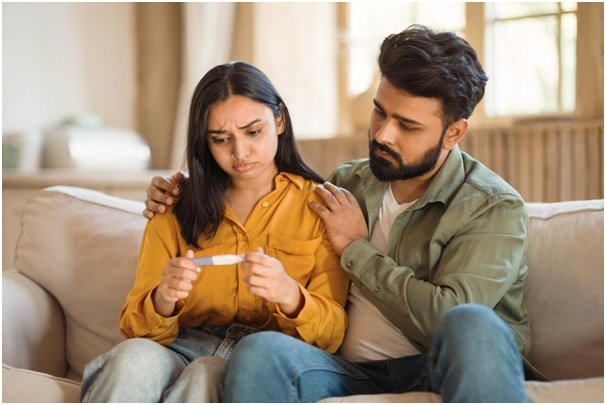
Fertility treatment accessibility in India should be considered from a public health perspective and not as a luxury medical service. Without this shift, infertility will continue to be a silent battle for millions who lack the means, awareness, or social permission to seek help.

The Invisible Divide in Fertility Care Access

India’s fertility care ecosystem is a stark divide. Metropolitan cities have world-class IVF labs, experienced specialists, and cutting-edge technology, and a large semi-urban and rural population finds it difficult to access even basic reproductive diagnostics.

For many couples who are not in major cities, the road starts with uncertainty, rather than care. Symptoms such as irregular cycles, repeated miscarriages, or male-factor infertility remain undetected for years. Social narratives promote patience, faith, or alternative remedies prior to medical evaluation, by which time age-related fertility decline may have already led to a diminished treatment success.

This delay is not accidental. It is a direct result of:

  • Fewer fertility specialists outside of metros
  • Absent/poor structured referral systems
  • Financial constraints and healthcare out-of-pocket expenditures
  • Deep-seated stigmatisation of infertility

Health equity requires that access to fertility care should not be dependent on postcode or privilege.

Cost, Perception, and the Burden of “Choice”

One of the most misunderstood areas of fertility care in India is cost. While IVF and assisted reproductive technologies are often made out to be prohibitively expensive, the actual financial burden is carried by late intervention, repeated treatments, and a lack of clarity.

Couples that arrive at fertility clinics after years of delay often need more complex interventions. In contrast, early diagnosis and timely guidance can avoid unnecessary procedures and fatigue from emotions.

Ethical fertility care includes helping patients to understand:

  • What treatment is appropriate and what isn’t
  • When to move forward, and when to wait
  • Realistic probabilities of success according to age and diagnosis

Health equity is also compromised when patients are overwhelmed with options but under-supported in the decision-making process.

Leadership and Accountability in Fertility Medicine

Equitable healthcare systems are determined not only by infrastructure, but by leadership. Fertility medicine demands a high level of clinical responsibility because it is practised at the boundary of science, hope, and the vulnerability of emotions.

At Mannat Fertility Centre, clinical direction is guided by Dr. Archana Agarwal, Director of the centre. Her role symbolises a need in the Indian fertility care that goes beyond her: leadership that engages the need for ethical counselling, patient education, and long-term reproductive health over procedure-driven results.

When fertility specialists take the time to explain limitations as honestly as possibilities, they contribute directly to health equity – because informed patients are empowered patients.

Geography Should Not Decide Parenthood

One of the most successful developments in the field of fertility care is the incremental decentralisation of services. Instead of requiring patients to move or travel back and forth to large cities, clinics are looking more to models that bring earlier stages of fertility care closer to communities.

This includes:

  • Initial consultations and diagnostic workups, local
  • Clear referral pathways to advanced procedures
  • Telemedicine-based follow-ups

Such models ease not only the financial burden, but also emotional fatigue, particularly for women, who tend to bear the physical and social brunt of treatment.

Accessibility is not only about physical presence, but it is also about continuity of care without disruption to daily life.

The Role of Preventive and Early Fertility Awareness

One of the major reasons for inequity is the lack of preventive fertility care in India. Reproductive health check-ups are something that not many people talk about unless a couple is actively trying to get pregnant and failing.

True accessibility is about normalising:

  • Fertility assessments at early adulthood
  • Menstrual & hormonal health conversations
  • Semen analysis is a routine, not an exception

Fertility preservation counselling, medical/personal reasons

If fertility awareness is started early, treatment is less invasive, less expensive, and emotionally easier.

Stigma: The Most Underestimated Barrier

No discussion on fertility equity in India is complete without that of addressing stigma. In many communities, infertility is still considered to be a personal inadequacy and not a medical condition. Women are often blamed unfairly, even when the male factor of infertility is equally common.

This stigma:

  • Causes delays in medical consultation
  • Discourages open dialogue
  • Prevents emotional support
  • Encourages couples to be secretive and misinformed

Clinics, healthcare providers, and public platforms have a vital role to play in changing this story. Awareness campaigns, patient education, and the use of inclusive language can help turn infertility from a whispered concern to a health conversation.

Technology as an Enabler and Not a Replacement

Advanced technology has, without a doubt, improved the results of fertility, but the real value of this technology is the way it is applied. AI-driven diagnostics, digital health tools, and teleconsultations can help bridge access gaps, but only when held against a framework of ethical clinical judgement.

Technology should:

  • Cut down on unnecessary clinic visits
  • Improve the accuracy of diagnosis
  • Support and do not rush treatment decisions

Health equity is achieved when innovation makes care easy instead of commercialising it.

Conclusion: Toward a More Equitable Fertility Future

Fertility treatment accessibility in India is not a matter of just technology or infrastructure – it is a matter of intent, ethics, and inclusivity. Health equity requires that reproductive care be available, comprehensible, and compassionate, regardless of social and economic background.

By addressing stigma, promoting early awareness, decentralising care, and strengthening ethical leadership, India can work towards a fertility healthcare system that will serve people, not just procedures.

The future of fertility care is understanding infertility as a public health problem – one that should be met with empathy, education, and equitable access at all levels.

#
ADVERTISEMENT
FKCCI
ADVERTISEMENT
Ambedkar Chamber
ADVERTISEMENT
ESG Professional Network
ADVERTISEMENT
India CSR Image 1 India CSR Image 2

CSR, Sustainability, and ESG success stories hindustan zinc
ADVERTISEMENT
India CSR

India CSR

India CSR® is the largest media on CSR and sustainability offering diverse content across multisectoral issues on business responsibility. It covers Sustainable Development, Corporate Social Responsibility (CSR), Sustainability, and related issues in India. Founded in 2009, the organisation aspires to become a globally admired media that offers valuable information to its readers through responsible reporting.

Related Posts

Financial Planning in 2026: Why Health Insurance Should Be Your First Investment in Your Early 20s
Health

Financial Planning in 2026: Why Health Insurance Should Be Your First Investment in Your Early 20s

3 weeks ago
Nursing Care Cost at Home
Health

24-Hour Nursing Care Cost at Home in India: What Families Actually Pay

3 weeks ago
Critical Health Insurance
Health

What are the Benefits of Critical Health Insurance in Serious Illness Cases?

1 month ago
Health Insurance
Health

Top Features to Look for in the Best Health Insurance Plan

1 month ago
childbirth
Health

How to Ensure Safe and Comfortable Childbirth?

2 months ago
Body Composition Analyser
Health

Body Composition Analyser: Why Every Fitness Lover Needs This Smart Machine

3 months ago
Load More
BBA - CSR, Sustainability and ESG, Rungta International Skills University Bhilai
ADVERTISEMENT
FKCCI
ADVERTISEMENT

Interviews

Indu Mehta, Chief Sustainability Officer (CSO) at Bhilwara Energy Limited @IndiaCSR
Interviews

ESG in India Has Moved Beyond Storytelling: Bhilwara Energy’s Indu Mehta on Sustainability as an Operating Discipline

by India CSR
May 30, 2026

Indu Mehta of Bhilwara Energy Limited shares insights on ESG regulations, decarbonisation and sustainability leadership.

Read moreDetails
Sourabh Lohtia, Chief Marketing & Communications Officer, PNB MetLife

Targeted Skilling Can Build Confident Futures for Underprivileged Women: Sourabh Lohtia, PNB MetLife

May 29, 2026
Shashi Shetty: SKF India’s UDAAN Scholarship Helps Rural Girls and Divyaang Students Build Careers

Shashi Shetty: SKF India’s UDAAN Scholarship Helps Rural Girls and Divyaang Students Build Careers

May 28, 2026
R. Pavithra Kumar, CEO, JSW Foundation

Redefining CSR and Driving Sustainable Social Impact: An Interview with R. Pavithra Kumar of JSW Foundation

April 16, 2026
Load More
Ad 1 Ad 2 Ad 3
ADVERTISEMENT

CSR UPDATES

Abhishek Ranjan Joins KindKart as Chief Impact Officer

Hindustan Zinc’s Shiksha Sambal Summer Camp Brings Learning and Innovation to Over 1,600 Students

CSR: Cargill to Strengthen Dairy Ecosystem with Integrated Livestock Development Initiative

CSR: Signature Global Foundation to Support Elderly Care in Varanasi

Satish Jha Foundation Offers 100% Scholarships for India’s First Dedicated BBA in CSR, Sustainability & ESG at Rungta International Skills University

CSR: Kamdhenu Jeevandhara starts Skill Development Courses in Bhiwadi, Rajasthan

STEM Learning STEM Learning STEM Learning
ADVERTISEMENT
Facebook Twitter Youtube LinkedIn Instagram
India CSR Logo

India CSR is the largest tech-led platform for information on CSR and sustainability in India offering diverse content across multisectoral issues. It covers Sustainable Development, Corporate Social Responsibility (CSR), Sustainability, and related issues in India. Founded in 2009, the organisation aspires to become a globally admired media that offers valuable information to its readers through responsible reporting. To enjoy the premium services, we invite you to partner with us.

Follow us on social media:

Subscribe to Our Newsletter

Don't miss out on the latest updates in corporate social responsibility. Subscribe to our newsletter at indiacsr.in and be part of the positive change.
Please enable JavaScript in your browser to complete this form.
Loading

  • About India CSR
  • Team
  • India CSR Awards 2026
  • India CSR Leadership Summit
  • Partnership
  • Guest Posts
  • Services
  • ESG Professional Network
  • Content Writing Services
  • Business Information
  • Contact
  • Privacy Policy
  • Terms of Use
  • Donate

Copyright © 2026 - India CSR | All Rights Reserved

No Result
View All Result
  • Home
  • Corporate Social Responsibility
    • Art & Culture
    • CSR Leaders
    • Child Rights
    • Culture
    • Education
    • Gender Equality
    • Around the World
    • Skill Development
    • Safety
    • Covid-19
    • Safe Food For All
  • Sustainability
    • Sustainability Dialogues
    • Sustainability Knowledge Series
    • Plastics
    • Sustainable Development Goals
    • ESG
    • Circular Economy
    • BRSR
  • Corporate Governance
    • Diversity & Inclusion
  • Interviews
  • SDGs
    • No Poverty
    • Zero Hunger
    • Good Health & Well-Being
    • Quality Education
    • Gender Equality
    • Clean Water & Sanitation – SDG 6
    • Affordable & Clean Energy
    • Decent Work & Economic Growth
    • Industry, Innovation & Infrastructure
    • Reduced Inequalities
    • Sustainable Cities & Communities
    • Responsible Consumption & Production
    • Climate Action
    • Life Below Water
    • Life on Land
    • Peace, Justice & Strong Institutions
    • Partnerships for the Goals
  • Articles
  • Events
  • हिंदी
  • More
    • Business
    • Finance
    • Environment
    • Economy
    • Health
    • Around the World
    • Social Sector Leaders
    • Social Entrepreneurship
    • Trending News
      • Important Days
      • Great People
      • Product Review
      • International
      • Sports
      • Entertainment
    • Case Studies
    • Philanthropy
    • Biography
    • Technology
    • Lifestyle
    • Sports
    • Gaming
    • Knowledge
    • Home Improvement
    • Words Power
    • Chief Ministers

Copyright © 2026 - India CSR | All Rights Reserved

This website uses cookies. By continuing to use this website you are giving consent to cookies being used. Visit our Privacy and Cookie Policy.
