

• India CSR Awards 2026
  • India CSR Leadership Summit
  • Guest Posts
Monday, August 17, 2026
India CSR
  • Home
  • Corporate Social Responsibility
    • Art & Culture
    • CSR Leaders
    • Child Rights
    • Culture
    • Education
    • Gender Equality
    • Around the World
    • Skill Development
    • Safety
    • Covid-19
    • Safe Food For All
  • Sustainability
    • Sustainability Dialogues
    • Sustainability Knowledge Series
    • Plastics
    • Sustainable Development Goals
    • ESG
    • Circular Economy
    • BRSR
  • Corporate Governance
    • Diversity & Inclusion
  • Interviews
  • SDGs
    • No Poverty
    • Zero Hunger
    • Good Health & Well-Being
    • Quality Education
    • Gender Equality
    • Clean Water & Sanitation – SDG 6
    • Affordable & Clean Energy
    • Decent Work & Economic Growth
    • Industry, Innovation & Infrastructure
    • Reduced Inequalities
    • Sustainable Cities & Communities
    • Responsible Consumption & Production
    • Climate Action
    • Life Below Water
    • Life on Land
    • Peace, Justice & Strong Institutions
    • Partnerships for the Goals
  • Articles
  • Events
  • हिंदी
  • More
    • Business
    • Finance
    • Environment
    • Economy
    • Health
    • Around the World
    • Social Sector Leaders
    • Social Entrepreneurship
    • Trending News
      • Important Days
        • Festivals
      • Great People
      • Product Review
      • International
      • Sports
      • Entertainment
    • Case Studies
    • Philanthropy
    • Biography
    • Technology
    • Lifestyle
    • Sports
    • Gaming
    • Knowledge
    • Home Improvement
    • Words Power
    • Chief Ministers
No Result
View All Result
  • Home
  • Corporate Social Responsibility
    • Art & Culture
    • CSR Leaders
    • Child Rights
    • Culture
    • Education
    • Gender Equality
    • Around the World
    • Skill Development
    • Safety
    • Covid-19
    • Safe Food For All
  • Sustainability
    • Sustainability Dialogues
    • Sustainability Knowledge Series
    • Plastics
    • Sustainable Development Goals
    • ESG
    • Circular Economy
    • BRSR
  • Corporate Governance
    • Diversity & Inclusion
  • Interviews
  • SDGs
    • No Poverty
    • Zero Hunger
    • Good Health & Well-Being
    • Quality Education
    • Gender Equality
    • Clean Water & Sanitation – SDG 6
    • Affordable & Clean Energy
    • Decent Work & Economic Growth
    • Industry, Innovation & Infrastructure
    • Reduced Inequalities
    • Sustainable Cities & Communities
    • Responsible Consumption & Production
    • Climate Action
    • Life Below Water
    • Life on Land
    • Peace, Justice & Strong Institutions
    • Partnerships for the Goals
  • Articles
  • Events
  • हिंदी
  • More
    • Business
    • Finance
    • Environment
    • Economy
    • Health
    • Around the World
    • Social Sector Leaders
    • Social Entrepreneurship
    • Trending News
      • Important Days
        • Festivals
      • Great People
      • Product Review
      • International
      • Sports
      • Entertainment
    • Case Studies
    • Philanthropy
    • Biography
    • Technology
    • Lifestyle
    • Sports
    • Gaming
    • Knowledge
    • Home Improvement
    • Words Power
    • Chief Ministers
No Result
View All Result
India CSR
No Result
View All Result
Home Words Power

E-Waste: A Growing Environmental Threat

The e-waste problem is a complex one, but it is one that we can solve. By working together, governments, businesses, and individuals can reduce the amount of e-waste that is generated and protect the environment from the harmful effects of e-waste.

India CSR by India CSR
October 2, 2023
in Words Power
Reading Time: 6 mins read
E-waste is a problem for a number of reasons. First, e-waste contains a variety of hazardous materials, such as lead, mercury, and cadmium. These materials can leach into the soil and groundwater, contaminating drinking water and harming human health.

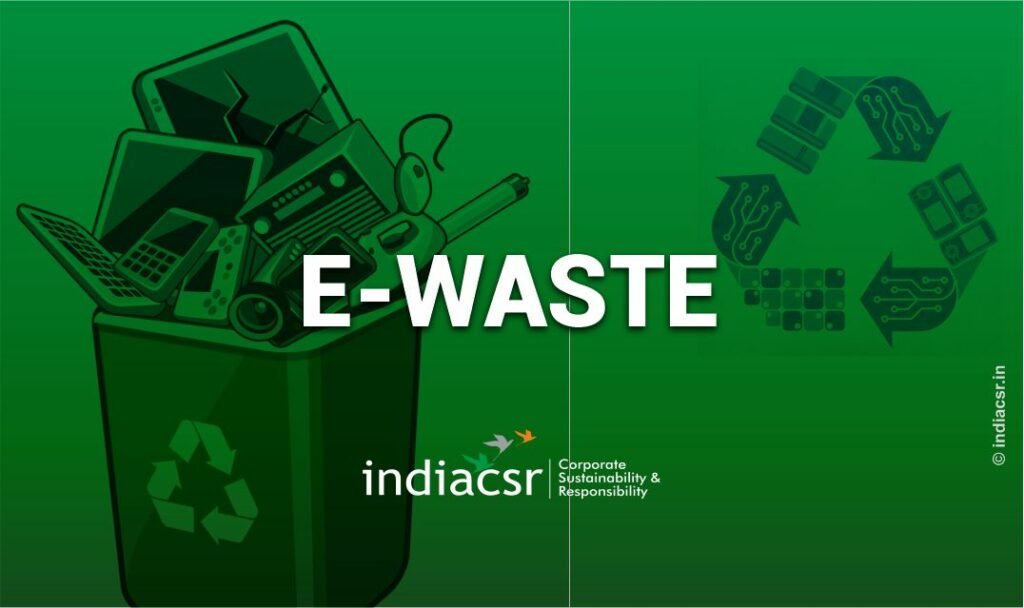
E-Waste

Share Share Share Share
WhatsApp icon
WhatsApp — Join Us
Instant updates & community
Google News icon
Google News — Follow Us
Get our articles in Google News feed
india csr awards
ADVERTISEMENT

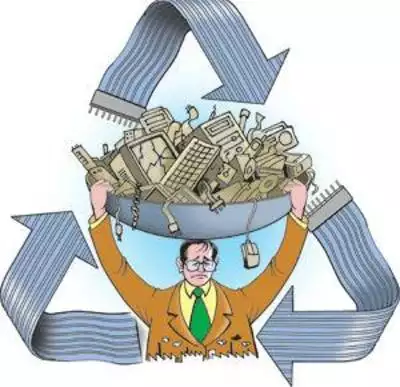
Electronic waste, or e-waste, is the waste generated from electronic devices. It includes a wide range of devices, such as computers, laptops, smartphones, tablets, televisions, refrigerators, and washing machines. E-waste is one of the fastest-growing waste streams in the world, and it poses a significant environmental threat. E-waste is a growing environmental threat. We need to take action to reduce our consumption of electronic devices, repair and reuse old devices, and recycle devices that can no longer be used. By taking these steps, we can help to protect the environment and conserve valuable resources.

19th India CSR Leadership Summit 2026
ADVERTISEMENT

What is E-Waste?

E-waste is any electronic device that has reached the end of its useful life. This can be due to a variety of factors, such as obsolescence, damage, or malfunction. E-waste is often disposed of in landfills, where it can release harmful chemicals into the environment.

***

Why is E-Waste a Problem?

E-waste is a problem for a number of reasons. First, e-waste contains a variety of hazardous materials, such as lead, mercury, and cadmium. These materials can leach into the soil and groundwater, contaminating drinking water and harming human health.

Second, e-waste is often disposed of in landfills, where it takes up valuable space and contributes to greenhouse gas emissions. Third, e-waste contains valuable resources, such as gold, silver, and copper. These resources can be recycled and reused, but only a small fraction of e-waste is currently recycled.

***

The Global E-Waste Problem

The global e-waste problem is growing rapidly. In 2021, the world generated an estimated 57.4 million metric tons of e-waste. This number is expected to grow to 74.7 million metric tons by 2030.

The vast majority of e-waste is generated in developed countries. In 2021, the United States generated an estimated 13.1 million metric tons of e-waste, followed by China (10.7 million metric tons) and Japan (6.3 million metric tons).

However, developing countries are also seeing a rapid increase in e-waste generation. This is due to the increasing penetration of electronic devices in developing countries and the lack of proper e-waste management systems.

Also Read: Environmental Sustainability: Definition, Meaning, Pillars, Applications and Significance
E-Waste Management Rules 2022

***

The Environmental Impacts of E-Waste

E-waste has a number of negative environmental impacts. These include:

Soil and groundwater contamination

E-waste contains a variety of hazardous materials, such as lead, mercury, and cadmium. These materials can leach into the soil and groundwater, contaminating drinking water and harming human health.

Air pollution

When e-waste is incinerated, it releases harmful pollutants into the air. These pollutants can cause respiratory problems and other health problems.

Greenhouse gas emissions

E-waste disposal in landfills contributes to greenhouse gas emissions. This is because e-waste decomposes and releases methane, a greenhouse gas that is 25 times more potent than carbon dioxide.

Resource depletion

E-waste contains valuable resources, such as gold, silver, and copper. When e-waste is not recycled, these resources are lost.

***
India CSR

Solutions


What Can Be Done to Address the E-Waste Problem?

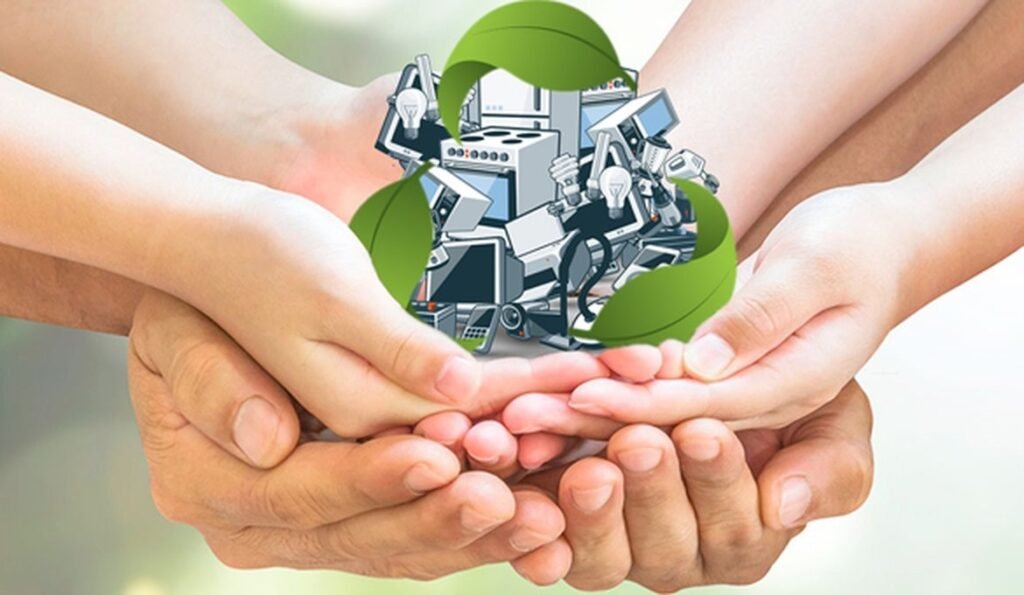
There are a number of things that can be done to address the e-waste problem. These include:

Reduce consumption: The best way to reduce e-waste is to reduce our consumption of electronic devices. We should only buy electronic devices when we need them and we should use them for as long as possible.

Repair and reuse: When electronic devices break, we should try to repair them instead of throwing them away. We can also reuse old electronic devices by donating them or selling them.

Recycle: When electronic devices can no longer be repaired or reused, they should be recycled. This will help to recover valuable resources and reduce the amount of e-waste that goes to landfills.

***
India CSR

The Role of Governments

Governments can play a key role in addressing the e-waste problem. They can do this by:

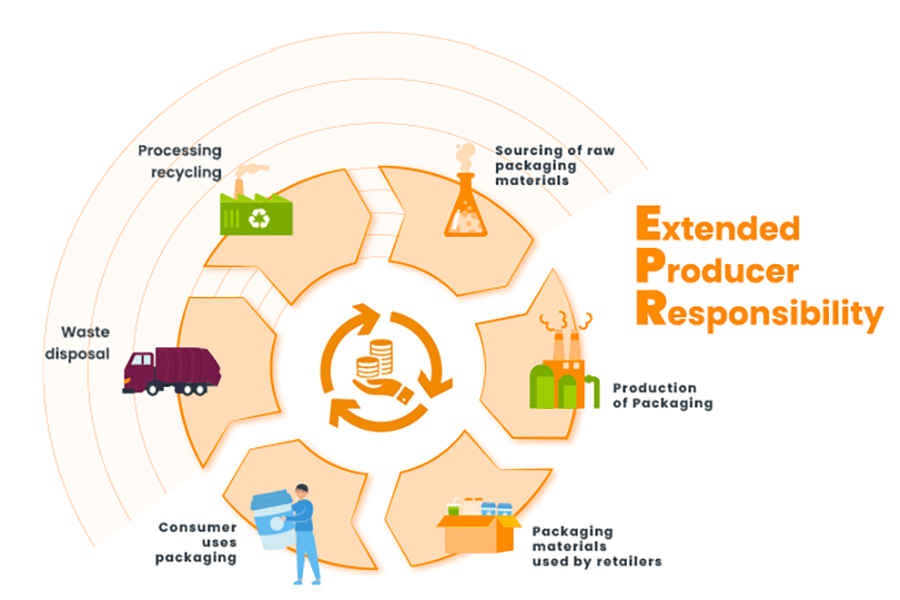
Implementing extended producer responsibility (EPR) programs: EPR programs require manufacturers to take responsibility for the collection and recycling of their products at the end of their useful life.

Providing subsidies and tax breaks for e-waste recycling: Governments can provide financial incentives for businesses and individuals to recycle e-waste.

Educating the public about e-waste: Governments can educate the public about the dangers of e-waste and the importance of recycling.

***
India CSR

The Role of Businesses

Businesses can also play a role in addressing the e-waste problem. They can do this by:

Designing products for durability and repairability: Businesses can design products that are more durable and easier to repair. This will help to extend the lifespan of products and reduce the amount of e-waste that is generated.

Offering take-back and recycling programs: Businesses can offer take-back and recycling programs for their products. This makes it easier for consumers to recycle their old electronic devices.

Using recycled materials in their products: Businesses can use recycled materials in their products. This helps to reduce the demand for virgin materials and reduce the amount of waste that goes to landfills.

***

The Role of Individuals

Individuals can also play a role in addressing the e-waste problem. They can do this by:

Reducing their consumption of electronic devices

Individuals should only buy electronic devices when they need them and they should use them for as long as possible.

Repairing and reusing electronic devices

When electronic devices break, individuals should try to repair them instead of throwing them away. They can also reuse old electronic devices by donating them or selling them.

Recycling electronic devices

When electronic devices can no longer be repaired or reused, they should be recycled. This can be done through local e-waste recycling programs or through mail-back programs offered by some manufacturers.

***

Conclusion

The issue of e-waste is intricate but solvable. With the collective efforts of governments, corporations, and individuals, we can minimize e-waste generation and shield the environment from its detrimental impacts.

Also Read: Non-Biodegradable Waste: Meaning, Definition, Examples, Impact, and Effective Management Practices

(Copyright@IndiaCSR)
Tags: E-WasteThe Environmental Impacts of E-WasteThe Global E-Waste ProblemWhat is E-Waste?Why is E-Waste a Problem?
SETU Bandhan
ADVERTISEMENT
India CSR Image 1 India CSR Image 2

CSR, Sustainability, and ESG success stories hindustan zinc
ADVERTISEMENT
India CSR

India CSR

India CSR® is the largest media on CSR and sustainability offering diverse content across multisectoral issues on business responsibility. It covers Sustainable Development, Corporate Social Responsibility (CSR), Sustainability, and related issues in India. Founded in 2009, the organisation aspires to become a globally admired media that offers valuable information to its readers through responsible reporting.

Related Posts

India CSR
Words Power

What Defines Globalization 2.0

Compressed Biogas
Corporate Social Responsibility

What is Compressed Biogas (CBG)? Definition, Importance, Application, Advancements, Future Trends Explained

Words Power

रुचि, रूचि या रुची या रूची में क्या सही है?

Emergency Response Vehicle Meaning Purpose Utilities_IndiaCSR
Words Power

What are Emergency Response Vehicles (ERVs): Meaning and Purpose Explained

Chief Growth Officer
Words Power

Who is a Chief Growth Officer (CGO)?: Key Role and Responsibilities

Market Capitalization
Words Power

What is Market Capitalization: Understanding the Value of Companies

Load More
bba
ADVERTISEMENT

Interviews

Akanksha Sharma, Vice President – Sustainability, Subcontinent, Central Asia, Levant and; Egypt DP World
Interviews

DP World’s Sustainability Strategy: Building Greener, Inclusive Logistics in India

by India CSR

Responsible leadership means taking a long-term view, acting with transparency and ensuring that growth creates value for people, communities and...

Read moreDetails
Dr. V.K. Raju

Every Premature Baby Deserves the Right to Sight: Dr. V.K. Raju, Chairman, Goutami Eye Institute & Founder, Eye Foundation of America

India CSR Interview with George Muthoot George, Deputy Managing Director of Muthoot Finance

Muthoot Finance CSR Is About Empowerment, Not Dependency: George Muthoot George

Hardeep S. Brar - BMW Group India CEO

Skills Are the Starting Line, Jobs Are the Finish Line: BMW Group India CEO Hardeep S. Brar

Load More
Ad 1 Ad 2 Ad 3 Ad 4 Ad 5 Ad 6
ADVERTISEMENT

CSR UPDATES

CSR: GMRVF Skill Development Centre Aims to Train up to 1,000 Youth Annually

Bharat Forge Releases CSR Report 2025-26, Highlights Impact Across Rural India

Jindal Steel Spends Rs 175.84 Cr on CSR in FY 2025-26

Indian Overseas Bank Extends CSR Support for School Bus to Aid Economically Backward Students

We are Contributing to the Foundations of a Stronger India: Naveen Jindal, Chairman, Jindal Steel

Bank of Baroda Celebrates Independence Day with Patriotic Fervour

STEM Learning STEM Learning STEM Learning
ADVERTISEMENT
Facebook Twitter Youtube LinkedIn Instagram
India CSR Logo

India CSR is the largest tech-led platform for information on CSR and sustainability in India offering diverse content across multisectoral issues. It covers Sustainable Development, Corporate Social Responsibility (CSR), Sustainability, and related issues in India. Founded in 2009, the organisation aspires to become a globally admired media that offers valuable information to its readers through responsible reporting. To enjoy the premium services, we invite you to partner with us.

Follow us on social media:

Subscribe to Our Newsletter

Don't miss out on the latest updates in corporate social responsibility. Subscribe to our newsletter at indiacsr.in and be part of the positive change.
Please enable JavaScript in your browser to complete this form.
Loading

  • About India CSR
  • Team
  • India CSR Awards 2026
  • India CSR Leadership Summit
  • Partnership
  • Guest Posts
  • Services
  • ESG Professional Network
  • Content Writing Services
  • Business Information
  • Contact
  • Privacy Policy
  • Terms of Use
  • Donate

Copyright © 2026 - India CSR | All Rights Reserved

18th CSR Leadership Summit 2026
APPLY NOW
No Result
View All Result
  • Home
  • Corporate Social Responsibility
    • Art & Culture
    • CSR Leaders
    • Child Rights
    • Culture
    • Education
    • Gender Equality
    • Around the World
    • Skill Development
    • Safety
    • Covid-19
    • Safe Food For All
  • Sustainability
    • Sustainability Dialogues
    • Sustainability Knowledge Series
    • Plastics
    • Sustainable Development Goals
    • ESG
    • Circular Economy
    • BRSR
  • Corporate Governance
    • Diversity & Inclusion
  • Interviews
  • SDGs
    • No Poverty
    • Zero Hunger
    • Good Health & Well-Being
    • Quality Education
    • Gender Equality
    • Clean Water & Sanitation – SDG 6
    • Affordable & Clean Energy
    • Decent Work & Economic Growth
    • Industry, Innovation & Infrastructure
    • Reduced Inequalities
    • Sustainable Cities & Communities
    • Responsible Consumption & Production
    • Climate Action
    • Life Below Water
    • Life on Land
    • Peace, Justice & Strong Institutions
    • Partnerships for the Goals
  • Articles
  • Events
  • हिंदी
  • More
    • Business
    • Finance
    • Environment
    • Economy
    • Health
    • Around the World
    • Social Sector Leaders
    • Social Entrepreneurship
    • Trending News
      • Important Days
      • Great People
      • Product Review
      • International
      • Sports
      • Entertainment
    • Case Studies
    • Philanthropy
    • Biography
    • Technology
    • Lifestyle
    • Sports
    • Gaming
    • Knowledge
    • Home Improvement
    • Words Power
    • Chief Ministers

Copyright © 2026 - India CSR | All Rights Reserved

This website uses cookies. By continuing to use this website you are giving consent to cookies being used. Visit our Privacy and Cookie Policy.

