• India CSR Awards 2025
  • India CSR Leadership Summit
  • Guest Posts
Tuesday, May 26, 2026
India CSR
  • Home
  • Corporate Social Responsibility
    • Art & Culture
    • CSR Leaders
    • Child Rights
    • Culture
    • Education
    • Gender Equality
    • Around the World
    • Skill Development
    • Safety
    • Covid-19
    • Safe Food For All
  • Sustainability
    • Sustainability Dialogues
    • Sustainability Knowledge Series
    • Plastics
    • Sustainable Development Goals
    • ESG
    • Circular Economy
    • BRSR
  • Corporate Governance
    • Diversity & Inclusion
  • Interviews
  • SDGs
    • No Poverty
    • Zero Hunger
    • Good Health & Well-Being
    • Quality Education
    • Gender Equality
    • Clean Water & Sanitation – SDG 6
    • Affordable & Clean Energy
    • Decent Work & Economic Growth
    • Industry, Innovation & Infrastructure
    • Reduced Inequalities
    • Sustainable Cities & Communities
    • Responsible Consumption & Production
    • Climate Action
    • Life Below Water
    • Life on Land
    • Peace, Justice & Strong Institutions
    • Partnerships for the Goals
  • Articles
  • Events
  • हिंदी
  • More
    • Business
    • Finance
    • Environment
    • Economy
    • Health
    • Around the World
    • Social Sector Leaders
    • Social Entrepreneurship
    • Trending News
      • Important Days
        • Festivals
      • Great People
      • Product Review
      • International
      • Sports
      • Entertainment
    • Case Studies
    • Philanthropy
    • Biography
    • Technology
    • Lifestyle
    • Sports
    • Gaming
    • Knowledge
    • Home Improvement
    • Words Power
    • Chief Ministers
No Result
View All Result
  • Home
  • Corporate Social Responsibility
    • Art & Culture
    • CSR Leaders
    • Child Rights
    • Culture
    • Education
    • Gender Equality
    • Around the World
    • Skill Development
    • Safety
    • Covid-19
    • Safe Food For All
  • Sustainability
    • Sustainability Dialogues
    • Sustainability Knowledge Series
    • Plastics
    • Sustainable Development Goals
    • ESG
    • Circular Economy
    • BRSR
  • Corporate Governance
    • Diversity & Inclusion
  • Interviews
  • SDGs
    • No Poverty
    • Zero Hunger
    • Good Health & Well-Being
    • Quality Education
    • Gender Equality
    • Clean Water & Sanitation – SDG 6
    • Affordable & Clean Energy
    • Decent Work & Economic Growth
    • Industry, Innovation & Infrastructure
    • Reduced Inequalities
    • Sustainable Cities & Communities
    • Responsible Consumption & Production
    • Climate Action
    • Life Below Water
    • Life on Land
    • Peace, Justice & Strong Institutions
    • Partnerships for the Goals
  • Articles
  • Events
  • हिंदी
  • More
    • Business
    • Finance
    • Environment
    • Economy
    • Health
    • Around the World
    • Social Sector Leaders
    • Social Entrepreneurship
    • Trending News
      • Important Days
        • Festivals
      • Great People
      • Product Review
      • International
      • Sports
      • Entertainment
    • Case Studies
    • Philanthropy
    • Biography
    • Technology
    • Lifestyle
    • Sports
    • Gaming
    • Knowledge
    • Home Improvement
    • Words Power
    • Chief Ministers
No Result
View All Result
India CSR
No Result
View All Result
Home Business

How DTF Printing Is Making Custom Apparel Production More Sustainable Than Traditional Methods

India CSR by India CSR
April 8, 2026
in Business
Reading Time: 7 mins read
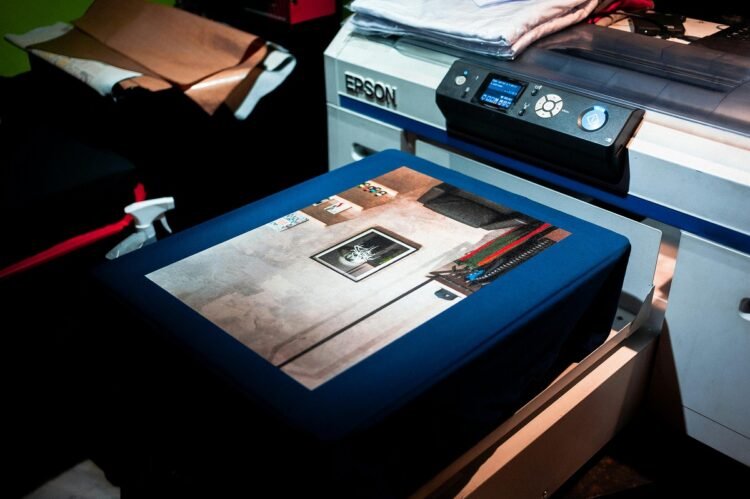
DTF Printing

Image Credit: Pexels

Share Share Share Share
WhatsApp icon
WhatsApp — Join Us
Instant updates & community
Google News icon
Google News — Follow Us
Get our articles in Google News feed

The global custom apparel industry is one of the largest contributors to industrial pollution, water waste, and chemical contamination. As ESG frameworks and responsible consumption standards tighten, the printing technology behind custom merchandise is increasingly part of the sustainability conversation.

DTF printing is emerging as a meaningfully cleaner alternative to the methods that have dominated the industry for decades.

Why Apparel Printing Methods Matter for Sustainability

Understanding what a DTF Transfer is and how it differs from traditional processes is the starting point for evaluating its environmental credentials against the benchmarks CSR and ESG reporting frameworks demand.

Admissions Open for BBA in CSR, Sustainability and ESG
  • The UN Environment Programme identifies fashion as responsible for 20 percent of global wastewater production
  • Screen printing relies on petroleum-based plastisol inks, chemical emulsions, and significant water use
  • Traditional methods require minimum orders that drive overproduction and landfill waste
  • UN Sustainable Development Goal 12 directly targets reduction of waste and harmful chemicals in industrial production
  • The Ellen MacArthur Foundation estimates less than one percent of clothing material is recycled into new clothing globally

The Environmental Problems With Traditional Apparel Printing

Screen printing and heat transfer vinyl have been industry standards for decades, but both carry significant environmental costs that modern businesses can no longer ignore.

Chemical-Intensive Production Process

Screen printing requires petroleum-based plastisol inks, chemical emulsions for screen preparation, and solvent-based cleaners for reclamation. Every print run generates hazardous waste streams that require specialist disposal. These chemical inputs represent one of the most significant environmental liabilities in traditional print operations.

High Water Consumption

Screen washing, ink cleanup, and screen reclamation consume large volumes of water per job. The resulting chemically contaminated wastewater requires treatment before disposal. Process water demand in screen printing operations is a direct contributor to the wastewater problem the UN Environment Programme attributes to the apparel sector.

Overproduction From Minimum Order Requirements

Screen printing’s economics require minimum quantities of 24 or more pieces per design to offset setup costs. This forces businesses to order more than they need, generating unsold inventory that ends up in landfill. Overproduction waste is one of the most damaging characteristics of the traditional custom apparel model.

Non-Recyclable Material Waste

Heat transfer vinyl generates significant offcut waste after every cut and weed process. Screen printing produces contaminated emulsion, ink residue, and cleaning materials as standard byproducts. Neither waste stream has a viable recycling pathway, making landfill the default destination for both.

Limited Compatibility With Sustainable Fabrics

Screen printing and heat transfer vinyl struggle to adhere consistently to recycled polyester, organic cotton blends, and technical performance fabrics. This limits businesses’ ability to transition toward certified sustainable materials. Fabric incompatibility is a practical barrier that has slowed the adoption of sustainable textile choices in custom merchandise production.

How DTF Printing Addresses Each of These Problems

DTF printing reduces environmental impact at multiple points across the production chain, from chemical inputs through to waste generation and resource consumption.

Water-Based Inks Replace Hazardous Chemicals

DTF printing uses water-based pigment inks with no petroleum-based components, no chemical emulsion preparation, and no solvent-based cleanup process. The hazardous waste streams associated with screen printing are eliminated entirely. Water-based DTF inks carry a significantly lower chemical hazard profile across the full production cycle.

No Screen Washing Eliminates Process Wastewater

DTF printing requires no screens and therefore no screen washing, removing one of the primary sources of chemically contaminated wastewater in print operations. Water consumption per job drops substantially compared to equivalent screen printing output. Elimination of screen washing directly supports SDG 6 Clean Water and Sanitation targets.

On-Demand Production Removes Overstock Risk

DTF printing has no minimum order requirement, enabling true on-demand production where every item printed corresponds to a confirmed order. Overproduction is eliminated structurally rather than managed reactively. On-demand fulfilment directly addresses the overproduction problem that sustainability frameworks identify as one of the industry’s most damaging characteristics.

Gang Sheet Printing Maximises Material Efficiency

Multiple designs and size variations can be nested efficiently on a single DTF film, minimising offcut waste per job. Material utilisation rates improve significantly compared to both heat transfer vinyl and individual screen print setups. Gang sheet optimisation aligns with circular economy principles by reducing the ratio of waste material to finished output.

Lower Energy Consumption Per Unit

Screen printing requires UV exposure units, conveyor dryers, and multiple heating cycles for complex multicolour designs. DTF consolidates decoration into a single print and heat press application. Fewer process steps reduce energy consumption per finished garment, contributing to Scope 3 emission reductions under GHG Protocol reporting.

Compatible With Certified Sustainable Fabrics

DTF transfers bond reliably to GOTS-certified organic cotton, GRS-certified recycled polyester, and blended performance fabrics that screen printing cannot handle consistently. Businesses can build product ranges around sustainable materials without compromising decoration quality. Fabric flexibility removes a key barrier to transitioning custom merchandise toward certified sustainable textile choices.

Environmental FactorScreen PrintingDTF Printing
Chemical inputsPetroleum-based inks, emulsions, solventsWater-based pigment inks
Water consumptionHigh, screen washing requiredMinimal, no screen process
Minimum orderYes, typically 24 or more piecesNone, true on-demand
Overstock waste riskHighEliminated
Material waste per jobInk residue, emulsion, cleaning materialsMinimal, gang sheet optimisation
Sustainable fabric compatibilityLimitedCompatible with organic and recycled fabrics
Energy per unitHigher, multiple process stepsLower, single print and press

How Businesses Can Use DTF Printing Within Their CSR and ESG Strategy

Branded merchandise and corporate apparel sit within the Scope 3 supply chain emissions that ESG reporting frameworks require businesses to measure and reduce.

Reducing Scope 3 Emissions Through Supplier Choice

Switching merchandise production from screen printing to DTF reduces the chemical, water, and energy intensity of a documentable supply chain input. ESG auditors and sustainability reporting standards increasingly scrutinize purchased goods and services under Scope 3. Supplier selection decisions in print merchandise are a low-complexity, high-credibility action toward responsible consumption commitments.

Supporting SDG 12 Responsible Consumption and Production

DTF printing’s elimination of chemical screen processes, reduction of overproduction waste, and lower water consumption each correspond to measurable SDG 12 indicators. Sustainability teams can reference these improvements directly in annual CSR reports and sustainability disclosures. Concrete production method changes provide evidence-based content for responsible consumption reporting.

Formalising Environmental Vendor Criteria in Procurement Policy

Procurement policies specifying water-based inks, on-demand production, and documented waste reduction practices give teams a measurable basis for vendor selection under ISO 14001 and GRI standards.

DTFVirginia.com represents the category of suppliers whose production model aligns with these environmental procurement criteria. Formalising vendor criteria turns individual sourcing decisions into systematic contributions to the organisation’s broader sustainability strategy.

Communicating Sustainable Merchandise Choices to Stakeholders

Businesses that shift branded merchandise production to DTF printing have a concrete, verifiable sustainability improvement to communicate to employees, customers, and investors. Stakeholder communications that reference specific production method changes carry more credibility than broad sustainability claims. Specific, measurable actionsi n merchandise sourcing strengthen the overall credibility of a business’s sustainability narrative.

Conclusion

DTF printing offers custom apparel businesses a practical, measurable step toward the responsible consumption and production standards that CSR frameworks and ESG reporting require. Reduced chemical use, lower water consumption, on-demand production, and sustainable fabric compatibility make it one of the most accessible sustainability improvements available to any business producing custom merchandise today.
FKCCI
ADVERTISEMENT
Ambedkar Chamber
ADVERTISEMENT
ESG Professional Network
ADVERTISEMENT
India CSR Image 1 India CSR Image 2
Tags: DTF Printing

CSR, Sustainability, and ESG success stories hindustan zinc
ADVERTISEMENT
India CSR

India CSR

India CSR® is the largest media on CSR and sustainability offering diverse content across multisectoral issues on business responsibility. It covers Sustainable Development, Corporate Social Responsibility (CSR), Sustainability, and related issues in India. Founded in 2009, the organisation aspires to become a globally admired media that offers valuable information to its readers through responsible reporting.

Related Posts

Bihar AI Summit 2026 Highlights Bihar’s Vision to Lead India’s Intelligence  Revolution Through Artificial Intelligence and Emerging Technologies
Business

Bihar AI Summit 2026 Highlights Bihar’s Vision to Lead India’s Intelligence  Revolution Through Artificial Intelligence and Emerging Technologies

14 hours ago
Tooth Wish Launches India’s First-Ever 24/7 Dental Hospital in Hyderabad
Business

Tooth Wish Launches India’s First-Ever 24/7 Dental Hospital in Hyderabad

14 hours ago
Leading Operations with Vision: Philip V Alex on Growth, AI, and Building Global Teams from Kerala
Business

Leading Operations with Vision: Philip V Alex on Growth, AI, and Building Global Teams from Kerala

14 hours ago
The Dangerous Belief System Behind India’s Recurring Project Delays
Business

The Dangerous Belief System Behind India’s Recurring Project Delays

21 hours ago
Celebrating International HR Day 2026 : Empowering People to Lead Change
Business

Celebrating International HR Day 2026 : Empowering People to Lead Change

22 hours ago
Five Dogs, Two Cats, One Toddler, and a Journey That Redefined What Family Truly Means
Business

Five Dogs, Two Cats, One Toddler, and a Journey That Redefined What Family Truly Means

22 hours ago
Load More
FKCCI
ADVERTISEMENT
BBA - CSR, Sustainability and ESG, Rungta International Skills University Bhilai
ADVERTISEMENT

LATEST NEWS

IIT Madras Gets ₹4.5 Cr CSR Boost from Mazagon Dock for Maritime Research Facility

CSR Funds Bypass Northeast India, Says Axis Bank’s Abhejit Agarwal

India Auctions Record 212 Mineral Blocks in FY26, Highest Since 2015 Regime

SECL-Adani Pelma Opencast Coal Mine Project in Raigarh Set for Public Hearing on June 8

Vedanta Unveils V-Volunteer Platform to Boost Social Volunteering

Odisha’s Pranati Nayak Bags Silver at FIG World Challenge Cup

Ambedkar Chamber
ADVERTISEMENT

TOP NEWS

Where Learning Meets Creativity and Critical Thinking: Inside the Evolving Academic Culture at MATS University

TCL ने भारत में एडवांस्ड QLED और Mini LED के साथ Phase 1 प्रीमियम टेलीविजन लाइनअप पेश किया

Comparing an SIP Calculator and a Public Provident Fund Calculator for Long-term Planning

CSR: Fleetguard Filters Conducts River Cleaning Drive at Vruddheshwar Siddheshwar Ghat in Pune

CSR: Maruti Suzuki Sets Up Smart Factory Lab at Govt Polytechnic College, Lucknow

हिंदुस्तान जिंक की जिंक फुटबॉल अकादमी से 1,400+ युवा सशक्त

Load More
Ad 1 Ad 2 Ad 3
ADVERTISEMENT
Economy India Largest Media on Indian Economy and Business
ADVERTISEMENT

Interviews

R. Pavithra Kumar, CEO, JSW Foundation
Interviews

Redefining CSR and Driving Sustainable Social Impact: An Interview with R. Pavithra Kumar of JSW Foundation

by Rusen Kumar
April 16, 2026

Exploring impact-driven CSR models focused on skilling, sustainability, and inclusive growth

Read moreDetails
Jyoti Sagar, Founder Trustee, Genesis Foundation

Interview: Jyoti Sagar on 25 Years of Saving Young Lives at Genesis Foundation

April 8, 2026
Satish Singh, Chief People Officer at PNB Housing Finance

Interview: Satish Singh on ESG Leadership and CSR Impact at PNB Housing Finance

April 1, 2026
Ajeet Kumar Singh, Co-Founder and Managing Director of SAVE Solutions

Driving Financial Inclusion: Ajeet Kumar Singh on SAVE Solutions’ Growth Journey

March 30, 2026
Load More
ESG Professional Network
ADVERTISEMENT
STEM Learning STEM Learning STEM Learning
ADVERTISEMENT
Facebook Twitter Youtube LinkedIn Instagram
India CSR Logo

India CSR is the largest tech-led platform for information on CSR and sustainability in India offering diverse content across multisectoral issues. It covers Sustainable Development, Corporate Social Responsibility (CSR), Sustainability, and related issues in India. Founded in 2009, the organisation aspires to become a globally admired media that offers valuable information to its readers through responsible reporting. To enjoy the premium services, we invite you to partner with us.

Follow us on social media:


Dear Valued Reader

India CSR is a free media platform that provides up-to-date information on CSR, Sustainability, ESG, and SDGs. We need reader support to continue delivering honest news. Donations of any amount are appreciated.

Help save India CSR.

Donate Now

Donate at India CSR

  • About India CSR
  • Team
  • India CSR Awards 2026
  • India CSR Leadership Summit
  • Partnership
  • Guest Posts
  • Services
  • ESG Professional Network
  • Content Writing Services
  • Business Information
  • Contact
  • Privacy Policy
  • Terms of Use
  • Donate

Copyright © 2026 - India CSR | All Rights Reserved

No Result
View All Result
  • Home
  • Corporate Social Responsibility
    • Art & Culture
    • CSR Leaders
    • Child Rights
    • Culture
    • Education
    • Gender Equality
    • Around the World
    • Skill Development
    • Safety
    • Covid-19
    • Safe Food For All
  • Sustainability
    • Sustainability Dialogues
    • Sustainability Knowledge Series
    • Plastics
    • Sustainable Development Goals
    • ESG
    • Circular Economy
    • BRSR
  • Corporate Governance
    • Diversity & Inclusion
  • Interviews
  • SDGs
    • No Poverty
    • Zero Hunger
    • Good Health & Well-Being
    • Quality Education
    • Gender Equality
    • Clean Water & Sanitation – SDG 6
    • Affordable & Clean Energy
    • Decent Work & Economic Growth
    • Industry, Innovation & Infrastructure
    • Reduced Inequalities
    • Sustainable Cities & Communities
    • Responsible Consumption & Production
    • Climate Action
    • Life Below Water
    • Life on Land
    • Peace, Justice & Strong Institutions
    • Partnerships for the Goals
  • Articles
  • Events
  • हिंदी
  • More
    • Business
    • Finance
    • Environment
    • Economy
    • Health
    • Around the World
    • Social Sector Leaders
    • Social Entrepreneurship
    • Trending News
      • Important Days
      • Great People
      • Product Review
      • International
      • Sports
      • Entertainment
    • Case Studies
    • Philanthropy
    • Biography
    • Technology
    • Lifestyle
    • Sports
    • Gaming
    • Knowledge
    • Home Improvement
    • Words Power
    • Chief Ministers

Copyright © 2026 - India CSR | All Rights Reserved

This website uses cookies. By continuing to use this website you are giving consent to cookies being used. Visit our Privacy and Cookie Policy.