

• India CSR Awards 2025
  • India CSR Leadership Summit
  • Guest Posts
Thursday, June 11, 2026
India CSR
  • Home
  • Corporate Social Responsibility
    • Art & Culture
    • CSR Leaders
    • Child Rights
    • Culture
    • Education
    • Gender Equality
    • Around the World
    • Skill Development
    • Safety
    • Covid-19
    • Safe Food For All
  • Sustainability
    • Sustainability Dialogues
    • Sustainability Knowledge Series
    • Plastics
    • Sustainable Development Goals
    • ESG
    • Circular Economy
    • BRSR
  • Corporate Governance
    • Diversity & Inclusion
  • Interviews
  • SDGs
    • No Poverty
    • Zero Hunger
    • Good Health & Well-Being
    • Quality Education
    • Gender Equality
    • Clean Water & Sanitation – SDG 6
    • Affordable & Clean Energy
    • Decent Work & Economic Growth
    • Industry, Innovation & Infrastructure
    • Reduced Inequalities
    • Sustainable Cities & Communities
    • Responsible Consumption & Production
    • Climate Action
    • Life Below Water
    • Life on Land
    • Peace, Justice & Strong Institutions
    • Partnerships for the Goals
  • Articles
  • Events
  • हिंदी
  • More
    • Business
    • Finance
    • Environment
    • Economy
    • Health
    • Around the World
    • Social Sector Leaders
    • Social Entrepreneurship
    • Trending News
      • Important Days
        • Festivals
      • Great People
      • Product Review
      • International
      • Sports
      • Entertainment
    • Case Studies
    • Philanthropy
    • Biography
    • Technology
    • Lifestyle
    • Sports
    • Gaming
    • Knowledge
    • Home Improvement
    • Words Power
    • Chief Ministers
No Result
View All Result
  • Home
  • Corporate Social Responsibility
    • Art & Culture
    • CSR Leaders
    • Child Rights
    • Culture
    • Education
    • Gender Equality
    • Around the World
    • Skill Development
    • Safety
    • Covid-19
    • Safe Food For All
  • Sustainability
    • Sustainability Dialogues
    • Sustainability Knowledge Series
    • Plastics
    • Sustainable Development Goals
    • ESG
    • Circular Economy
    • BRSR
  • Corporate Governance
    • Diversity & Inclusion
  • Interviews
  • SDGs
    • No Poverty
    • Zero Hunger
    • Good Health & Well-Being
    • Quality Education
    • Gender Equality
    • Clean Water & Sanitation – SDG 6
    • Affordable & Clean Energy
    • Decent Work & Economic Growth
    • Industry, Innovation & Infrastructure
    • Reduced Inequalities
    • Sustainable Cities & Communities
    • Responsible Consumption & Production
    • Climate Action
    • Life Below Water
    • Life on Land
    • Peace, Justice & Strong Institutions
    • Partnerships for the Goals
  • Articles
  • Events
  • हिंदी
  • More
    • Business
    • Finance
    • Environment
    • Economy
    • Health
    • Around the World
    • Social Sector Leaders
    • Social Entrepreneurship
    • Trending News
      • Important Days
        • Festivals
      • Great People
      • Product Review
      • International
      • Sports
      • Entertainment
    • Case Studies
    • Philanthropy
    • Biography
    • Technology
    • Lifestyle
    • Sports
    • Gaming
    • Knowledge
    • Home Improvement
    • Words Power
    • Chief Ministers
No Result
View All Result
India CSR
No Result
View All Result
Home Fashion

Cotton and Combed Cotton Fabric: Differences, Advantages, and Uses in Fashion

India CSR by India CSR
March 3, 2025
in Fashion
Reading Time: 5 mins read
India CSR
Share Share Share Share
WhatsApp icon
WhatsApp — Join Us
Instant updates & community
Google News icon
Google News — Follow Us
Get our articles in Google News feed

What is Cotton and Combed Cotton Fabric?

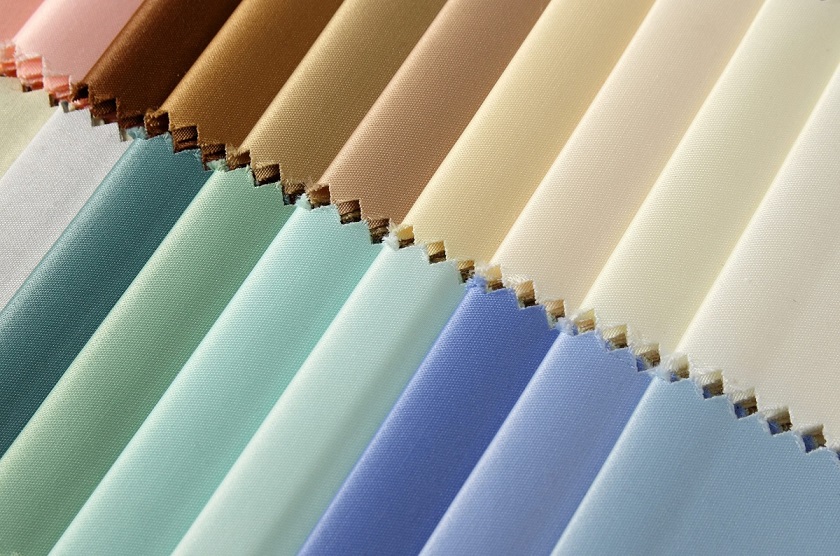
Cotton fabric is a type of textile made from the natural fibers of the cotton plant. It is well known for its softness, high absorbency, and comfort when worn. Cotton is widely used in various textile products, from clothing to household items such as bed sheets and towels.

On the other hand, combed cotton fabric is a type of cotton that has undergone a fiber combing process. This process removes short fibers, making the fabric smoother, stronger, and more comfortable to wear. Combed cotton is often used for high-quality clothing such as premium t-shirts and baby apparel.

Differences Between Regular Cotton and Combed Cotton

Although both come from cotton fibers, regular cotton and combed cotton have several key differences:

  1. Production Process
    1. Regular cotton does not go through the combing process, leaving short fibers that may make its surface slightly rough.
    1. Combed cotton undergoes combing, making it softer and more comfortable to wear.
  2. Texture and Comfort
    1. Regular cotton tends to be rougher compared to combed cotton as it still contains short fibers.
    1. Combed cotton has a smoother texture as it only uses high-quality long fibers.
  3. Quality and Durability
    1. Regular cotton is more prone to shrinking, and its fibers can easily loosen.
    1. Combed cotton is stronger and more durable as it only uses the best cotton fibers.
  4. Price
    1. Regular cotton is cheaper than combed cotton due to its simpler production process.
    1. Combed cotton is more expensive because the combing process enhances its quality.

Advantages of Combed Cotton Over Regular Cotton

Combed cotton offers several advantages over regular cotton, including:

  1. Softer and More Comfortable Combed cotton does not contain short rough fibers, making it softer and more comfortable on the skin.
  2. More Durable and Less Prone to Damage Since it only uses high-quality long fibers, combed cotton is more durable and less likely to pill or wear out after multiple washes.
  3. Better Sweat Absorption The tighter structure of combed cotton absorbs sweat better than regular cotton, making it ideal for daily wear, especially in tropical climates.
  4. Better for Printing and Embroidery The smooth surface of combed cotton results in higher-quality prints and embroidery compared to regular cotton.

Types of Combed Cotton Fabric Based on GSM

GSM (grams per square meter) measures fabric thickness. Below are the common types of combed cotton fabric based on GSM used in the textile industry:

  1. Combed 20s (180-220 gsm)
    1. Thicker and stronger fabric, commonly used for distro t-shirts and hoodies.
    1. Suitable for oversized or streetwear designs.
  2. Combed 24s (160-170 gsm)
    1. Medium thickness, suitable for casual t-shirts and work uniforms.
    1. Balanced between thickness and comfort.
  3. Combed 30s (140-150 gsm)
    1. Thinner and lighter, very comfortable to wear in hot weather.
    1. Commonly used for premium t-shirts and everyday clothing.
  4. Combed 40s (110-120 gsm)
    1. Thinnest and lightest, extremely smooth and soft on the skin.
    1. Used for underwear or super premium t-shirts.

Uses of Cotton and Combed Cotton Fabric in the Fashion Industry

Both regular cotton and combed cotton play an important role in the fashion industry. Here are some of their common applications:

  1. Casual and Distro T-Shirts
    1. Combed cotton is frequently used for casual t-shirts due to its softness and excellent absorbency.
    1. High-quality distro t-shirts typically use combed 20s or 30s.
  2. Baby and Children’s Clothing
    1. Due to its soft and comfortable nature, combed cotton is the top choice for baby clothing.
  3. Shirts and Formal Wear
    1. Regular cotton is often used for formal shirts as it provides a neat and professional look.
  4. Hijabs and Muslim Wear
    1. Lightweight and sweat-absorbing combed cotton is perfect for hijabs and daily Muslim wear.
  5. Pajamas and Sleepwear
    1. Comfort is the main factor in choosing sleepwear, making thin combed cotton fabric a popular choice for pajamas.

Conclusion

Both cotton and combed cotton originate from the same cotton plant but differ significantly in quality, softness, and durability. Combed cotton is superior in terms of comfort, strength, and sweat absorption, making it a preferred choice in premium fashion. Various types of combed cotton based on GSM offer suitable options for different clothing needs, from casual t-shirts to baby garments.

By understanding the characteristics and advantages of both regular cotton and combed cotton, you can choose the right fabric for your fashion needs or clothing business.

#
ADVERTISEMENT
FKCCI
ADVERTISEMENT
Ambedkar Chamber
ADVERTISEMENT
ESG Professional Network
ADVERTISEMENT
India CSR Image 1 India CSR Image 2

CSR, Sustainability, and ESG success stories hindustan zinc
ADVERTISEMENT
India CSR

India CSR

India CSR® is the largest media on CSR and sustainability offering diverse content across multisectoral issues on business responsibility. It covers Sustainable Development, Corporate Social Responsibility (CSR), Sustainability, and related issues in India. Founded in 2009, the organisation aspires to become a globally admired media that offers valuable information to its readers through responsible reporting.

Related Posts

Bandhgala Kurta for Men: A Royal Choice for Weddings and Celebrations
Fashion

Bandhgala Kurta for Men: A Royal Choice for Weddings and Celebrations

5 months ago
Gym
Fashion

What to Wear to the Gym: Best Fabrics & Gear Guide?

6 months ago
Perfumes
Fashion

Things to Look at When Buying Perfumes That Match Her Personality

6 months ago
Find the Perfect Shared Office Space for Rent in Chennai
Fashion

Find the Perfect Shared Office Space for Rent in Chennai

2 years ago
Panchmukhi Hanuman Ji: The Five-Faced Protector
Fashion

Panchmukhi Hanuman Ji: The Five-Faced Protector

2 years ago
Eternity Mangalsutra Bracelet
Fashion

A Treasure Trove for Your Wrist: Anniversary Bracelets and Their Secret Meanings 

2 years ago
Load More
BBA - CSR, Sustainability and ESG, Rungta International Skills University Bhilai
ADVERTISEMENT
FKCCI
ADVERTISEMENT

Interviews

Indu Mehta, Chief Sustainability Officer (CSO) at Bhilwara Energy Limited @IndiaCSR
Interviews

ESG in India Has Moved Beyond Storytelling: Bhilwara Energy’s Indu Mehta on Sustainability as an Operating Discipline

by India CSR
May 30, 2026

Indu Mehta of Bhilwara Energy Limited shares insights on ESG regulations, decarbonisation and sustainability leadership.

Read moreDetails
Sourabh Lohtia, Chief Marketing & Communications Officer, PNB MetLife

Targeted Skilling Can Build Confident Futures for Underprivileged Women: Sourabh Lohtia, PNB MetLife

May 29, 2026
Shashi Shetty: SKF India’s UDAAN Scholarship Helps Rural Girls and Divyaang Students Build Careers

Shashi Shetty: SKF India’s UDAAN Scholarship Helps Rural Girls and Divyaang Students Build Careers

May 28, 2026
R. Pavithra Kumar, CEO, JSW Foundation

Redefining CSR and Driving Sustainable Social Impact: An Interview with R. Pavithra Kumar of JSW Foundation

April 16, 2026
Load More
Ad 1 Ad 2 Ad 3 Ad 4 Ad 5 Ad 6
ADVERTISEMENT

CSR UPDATES

DP World, NITI Aayog Honour 10 Women Entrepreneurs Under We Rise Initiative

NSE to Route 10% of Annual CSR Corpus Through Social Stock Exchange Projects

CSR: PepsiCo India to Support 1.1 Lakh Rural Women Under Lakhpati Didi Yojana in Haryana

AM/NS India and IIT Roorkee Sign Strategic MoU to Advance Education, Research and Innovation in Manufacturing and Steel Technologies

Ambuja Cements Skilling Programme transforms over 20,000 rural youth across Gujarat

21 Differently-Abled Couples Take Sacred Vows at Narayan Seva Sansthan Mass Wedding

STEM Learning STEM Learning STEM Learning
ADVERTISEMENT
Facebook Twitter Youtube LinkedIn Instagram
India CSR Logo

India CSR is the largest tech-led platform for information on CSR and sustainability in India offering diverse content across multisectoral issues. It covers Sustainable Development, Corporate Social Responsibility (CSR), Sustainability, and related issues in India. Founded in 2009, the organisation aspires to become a globally admired media that offers valuable information to its readers through responsible reporting. To enjoy the premium services, we invite you to partner with us.

Follow us on social media:

Subscribe to Our Newsletter

Don't miss out on the latest updates in corporate social responsibility. Subscribe to our newsletter at indiacsr.in and be part of the positive change.
Please enable JavaScript in your browser to complete this form.
Loading

  • About India CSR
  • Team
  • India CSR Awards 2026
  • India CSR Leadership Summit
  • Partnership
  • Guest Posts
  • Services
  • ESG Professional Network
  • Content Writing Services
  • Business Information
  • Contact
  • Privacy Policy
  • Terms of Use
  • Donate

Copyright © 2026 - India CSR | All Rights Reserved

No Result
View All Result
  • Home
  • Corporate Social Responsibility
    • Art & Culture
    • CSR Leaders
    • Child Rights
    • Culture
    • Education
    • Gender Equality
    • Around the World
    • Skill Development
    • Safety
    • Covid-19
    • Safe Food For All
  • Sustainability
    • Sustainability Dialogues
    • Sustainability Knowledge Series
    • Plastics
    • Sustainable Development Goals
    • ESG
    • Circular Economy
    • BRSR
  • Corporate Governance
    • Diversity & Inclusion
  • Interviews
  • SDGs
    • No Poverty
    • Zero Hunger
    • Good Health & Well-Being
    • Quality Education
    • Gender Equality
    • Clean Water & Sanitation – SDG 6
    • Affordable & Clean Energy
    • Decent Work & Economic Growth
    • Industry, Innovation & Infrastructure
    • Reduced Inequalities
    • Sustainable Cities & Communities
    • Responsible Consumption & Production
    • Climate Action
    • Life Below Water
    • Life on Land
    • Peace, Justice & Strong Institutions
    • Partnerships for the Goals
  • Articles
  • Events
  • हिंदी
  • More
    • Business
    • Finance
    • Environment
    • Economy
    • Health
    • Around the World
    • Social Sector Leaders
    • Social Entrepreneurship
    • Trending News
      • Important Days
      • Great People
      • Product Review
      • International
      • Sports
      • Entertainment
    • Case Studies
    • Philanthropy
    • Biography
    • Technology
    • Lifestyle
    • Sports
    • Gaming
    • Knowledge
    • Home Improvement
    • Words Power
    • Chief Ministers

Copyright © 2026 - India CSR | All Rights Reserved

This website uses cookies. By continuing to use this website you are giving consent to cookies being used. Visit our Privacy and Cookie Policy.
