




Uneven skin tone is one of the most common skin concerns across different age groups and skin types, and it is also one of the more misunderstood ones in terms of what actually causes it and what realistically helps. Most people who deal with it have tried something. A brightening serum, a vitamin C product, a face pack that promised results in a week. Some of those things help to a degree. What tends to get less attention is the cleansing step, which is where the foundation for how skin responds to everything else gets set, and where the wrong product can actively make unevenness worse even when the rest of the routine is well thought out.
Uneven tone has more than one origin. Post-inflammatory hyperpigmentation, the kind that follows a breakout or a bout of irritation, is different from the kind caused by sun exposure, which is different again from the uneven patches that come from oil and shine distribution across the face. These look similar in photographs and in the mirror, but they respond differently to different approaches. A cleanser that addresses the oiliness and texture component of uneven tone is working on a specific part of the problem rather than all of it, and understanding that scope matters when setting expectations.
What Skin With Uneven Tone Needs From a Cleanser
The cleansing step in a skincare routine does three things when it is working well. It removes the buildup of oil, sweat, and environmental residue that accumulates through the day, it clears the surface in a way that allows the products applied afterward to absorb and function as intended, and it does all of that without disturbing the skin barrier to the point where the skin becomes reactive or dry. A cleanser for uneven skin tone needs to do these things without being so aggressive that it triggers the inflammation response that causes post-inflammatory marks in the first place.

This is a balance that some cleansers do not manage. Foaming cleansers that feel satisfyingly clean immediately after use sometimes strip the skin to a degree that causes rebound oil production, which in turn contributes to the congestion and tone irregularity the person was trying to address. Cleansers with high fragrance content or certain preservatives can trigger irritation in skin that is already dealing with pigmentation concerns.
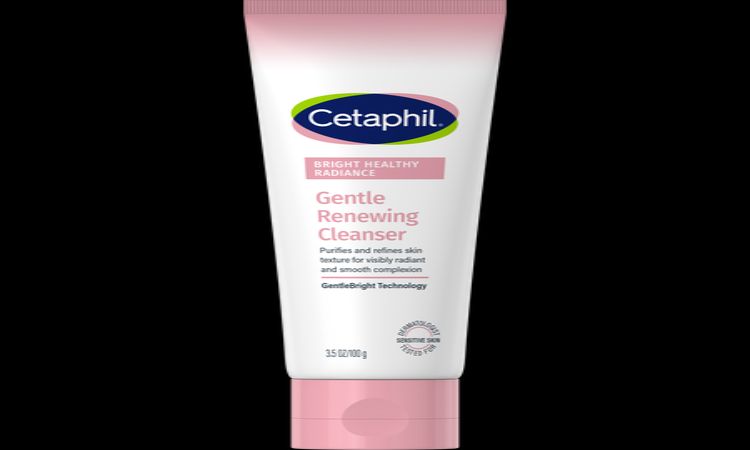
Cetaphil’s approach across its cleanser range is formulation for skin that is sensitive or compromised, which makes products from this range a reasonable starting point for skin that is dealing with tone irregularities and needs a stable, non-reactive cleansing base. The ExCell Oil and Shine range specifically targets oiliness and surface texture, and you can read about how it addresses this through this page on cleanser for uneven skin tone, which outlines the product’s function and the skin concerns it is suited to.
The Role of Consistency in Tone Improvement
Skin tone improvement through a skincare routine is a slow process by nature, and this comes up more often than expected when people describe frustration with products that they expected to show results within days. The cycle of skin cell turnover, which is the biological process through which surface-level pigmentation changes, takes several weeks to complete even under the best conditions. A cleanser or any other topical product can support that process, but it cannot accelerate it beyond a certain rate.
What a consistent cleansing routine does over time is reduce the accumulation of new triggers while allowing the skin’s natural renewal process to gradually address existing ones. Regular removal of surface oil and debris reduces the likelihood of new breakouts that would add to existing post-inflammatory marks. A cleanser that does not irritate the skin removes a source of new pigmentation triggers. These are the mechanisms behind the improvement that comes with a sustained routine rather than a dramatic one-product result.
Applying a targeted treatment for pigmentation, whether a niacinamide product, a vitamin C serum, or a prescribed topical, on top of a well-chosen cleanser base tends to produce better results than the treatment alone, because the surface is prepared for absorption and the barrier underneath is intact rather than compromised. This is the part that many routines miss, and it is usually the cleanser that determines whether the rest of the routine has a foundation to work from.