

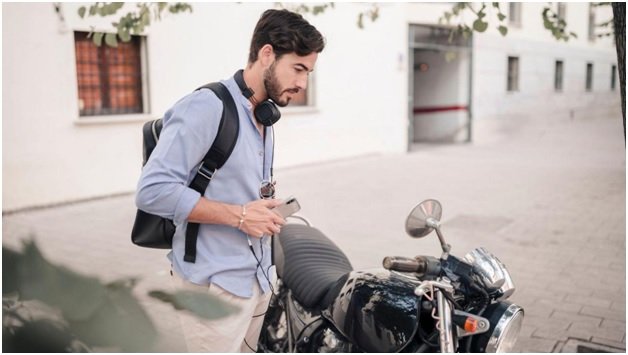



City riders and highway riders both need valid insurance, but their coverage requirements are not always the same.
City and highway riders face different risks every day because they use their bikes in different ways. A city rider often deals with traffic, tight parking spaces and frequent stops, while a highway rider handles long routes, higher speeds and changing road conditions.
This is why your two wheeler insurance should match the way you ride. The right cover can make repairs, claims and roadside support easier to manage when needed.
Why Your Riding Pattern Matters
In India, every two-wheeler used in a public place must have at least third-party insurance. This cover mainly protects against liabilities related to third-party injury, death or property damage. However, it does not cover damage to your own bike.

Since city riding and highway riding come with different risks, riders may need to look beyond basic cover and choose own damage or comprehensive insurance based on their usage and policy terms.
City Rider vs Highway Rider: A Quick Comparison
Here is a simple comparison to understand how both riding styles may need different levels of cover.
| Rider Type | Common Riding Conditions | Possible Insurance Need |
| City Rider | Daily traffic, signals, narrow lanes, parking risks | Comprehensive cover with useful add-ons |
| Highway Rider | Long routes, higher speeds and weather changes | Wider cover with roadside and engine-related add-ons |
| Occasional Rider | Short trips, limited usage | Basic cover may be enough, but renewal should stay active |
| Delivery Or Work Rider | Frequent usage, time-bound travel, high exposure | Stronger own damage cover and careful add-on selection |
What City Riders Should Consider
City riding often means moving through heavy traffic, narrow lanes and crowded parking areas. Even short daily rides can expose your bike to minor collisions, scratches, dents or theft-related risks. This makes it important to choose a cover that protects your bike beyond basic third-party liability.
A city rider may benefit from:
- Comprehensive two-wheeler insurance instead of only third-party cover
- Zero depreciation add-on, if suitable for the bike’s age and usage
- No Claim Bonus protection, if available and relevant
- Cashless garage access in nearby areas
- Easy online renewal to avoid policy breaks
What Highway Riders Should Consider
Highway riding can expose your bike to longer travel hours, weather changes, tyre issues and engine strain. Since repair support may not always be nearby, highway riders may consider stronger coverage with add-ons such as roadside assistance, engine protection, or consumables coverage, depending on policy terms.
Highway riders should also check:
- Whether towing assistance is available
- Whether the policy covers natural calamity-related damage
- Whether engine or gearbox protection is available as an add-on
- Whether the claim process is easy to follow while travelling
- Whether the insurer has a wide garage network
Who Needs Stronger Cover?
A highway rider generally needs stronger bike insurance coverage because the risk exposure can be wider. Long-distance travel, higher speeds and remote routes can make breakdowns or damage more difficult to manage.
However, a city rider should not assume that basic cover is enough. If the bike is used daily, parked in public areas or exposed to traffic-heavy roads, comprehensive cover can be useful.
In simple terms, a stronger cover may be more suitable if:
- You ride almost every day
- Your bike is new or high-value
- You travel across cities or states
- You ride during the monsoon or on uneven roads
- You depend on your bike for work
- You want protection for your own vehicle, not only third-party liability
How to Choose the Right Cover
Choose a cover based on how often you ride, where you ride and how much protection your bike needs. Before buying or renewing two-wheeler insurance, compare the cover type, IDV, add-ons, claim process, garage network and renewal terms.
Also, read the policy wording, as benefits depend on policy terms and required documents. This ensures better clarity, smoother claims and fewer surprises later.
Final Thoughts
City riders and highway riders both need valid insurance, but their coverage requirements are not always the same. City riders should focus on daily-use protection, parking risks and easy repairs. Highway riders should focus on wider support, roadside assistance and protection against travel-related risks. The right two-wheeler insurance cover is the one that fits your bike, your routes and your actual riding pattern.



