

• India CSR Awards 2025
  • India CSR Leadership Summit
  • Guest Posts
  • Login
Friday, April 3, 2026
India CSR
  • Home
  • Corporate Social Responsibility
    • Art & Culture
    • CSR Leaders
    • Child Rights
    • Culture
    • Education
    • Gender Equality
    • Around the World
    • Skill Development
    • Safety
    • Covid-19
    • Safe Food For All
  • Sustainability
    • Sustainability Dialogues
    • Sustainability Knowledge Series
    • Plastics
    • Sustainable Development Goals
    • ESG
    • Circular Economy
    • BRSR
  • Corporate Governance
    • Diversity & Inclusion
  • Interviews
  • SDGs
    • No Poverty
    • Zero Hunger
    • Good Health & Well-Being
    • Quality Education
    • Gender Equality
    • Clean Water & Sanitation – SDG 6
    • Affordable & Clean Energy
    • Decent Work & Economic Growth
    • Industry, Innovation & Infrastructure
    • Reduced Inequalities
    • Sustainable Cities & Communities
    • Responsible Consumption & Production
    • Climate Action
    • Life Below Water
    • Life on Land
    • Peace, Justice & Strong Institutions
    • Partnerships for the Goals
  • Articles
  • Events
  • हिंदी
  • More
    • Business
    • Finance
    • Environment
    • Economy
    • Health
    • Around the World
    • Social Sector Leaders
    • Social Entrepreneurship
    • Trending News
      • Important Days
        • Festivals
      • Great People
      • Product Review
      • International
      • Sports
      • Entertainment
    • Case Studies
    • Philanthropy
    • Biography
    • Technology
    • Lifestyle
    • Sports
    • Gaming
    • Knowledge
    • Home Improvement
    • Words Power
    • Chief Ministers
No Result
View All Result
  • Home
  • Corporate Social Responsibility
    • Art & Culture
    • CSR Leaders
    • Child Rights
    • Culture
    • Education
    • Gender Equality
    • Around the World
    • Skill Development
    • Safety
    • Covid-19
    • Safe Food For All
  • Sustainability
    • Sustainability Dialogues
    • Sustainability Knowledge Series
    • Plastics
    • Sustainable Development Goals
    • ESG
    • Circular Economy
    • BRSR
  • Corporate Governance
    • Diversity & Inclusion
  • Interviews
  • SDGs
    • No Poverty
    • Zero Hunger
    • Good Health & Well-Being
    • Quality Education
    • Gender Equality
    • Clean Water & Sanitation – SDG 6
    • Affordable & Clean Energy
    • Decent Work & Economic Growth
    • Industry, Innovation & Infrastructure
    • Reduced Inequalities
    • Sustainable Cities & Communities
    • Responsible Consumption & Production
    • Climate Action
    • Life Below Water
    • Life on Land
    • Peace, Justice & Strong Institutions
    • Partnerships for the Goals
  • Articles
  • Events
  • हिंदी
  • More
    • Business
    • Finance
    • Environment
    • Economy
    • Health
    • Around the World
    • Social Sector Leaders
    • Social Entrepreneurship
    • Trending News
      • Important Days
        • Festivals
      • Great People
      • Product Review
      • International
      • Sports
      • Entertainment
    • Case Studies
    • Philanthropy
    • Biography
    • Technology
    • Lifestyle
    • Sports
    • Gaming
    • Knowledge
    • Home Improvement
    • Words Power
    • Chief Ministers
No Result
View All Result
India CSR
No Result
View All Result
Home Health

Can Traditional Health Systems Reduce the Burden of Lifestyle Diseases in Modern India?

India CSR by India CSR
January 23, 2026
in Health
Reading Time: 4 mins read
Lifestyle Disease
Share Share Share Share
WhatsApp icon
WhatsApp — Join Us
Instant updates & community
Google News icon
Google News — Follow Us
Get our articles in Google News feed

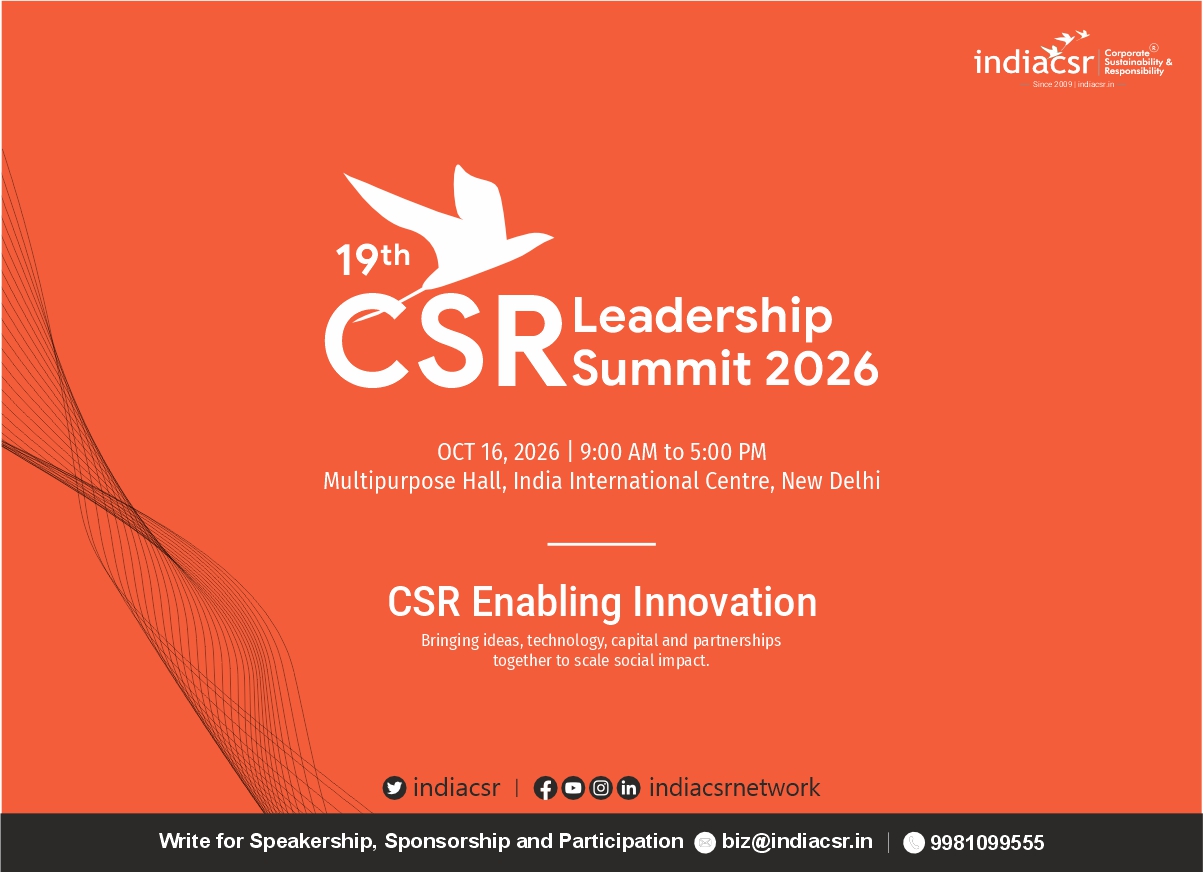
India is facing a silent epidemic. Lifestyle-related diseases such as diabetes, hypertension, digestive disorders, obesity, and stress-related conditions are rising rapidly across both urban and rural populations. What makes this crisis particularly challenging is not just treatment cost, but sustainability.

Healthcare systems are increasingly reactive. They intervene once disease is established, often too late and at great expense. What is missing is a scalable, preventive framework that empowers individuals long before chronic illness sets in.

This is where traditional health systems, when applied thoughtfully, may offer a meaningful solution.
The Growing Cost of Lifestyle Disease

India now accounts for one of the largest populations living with diabetes and cardiovascular disease globally. These conditions are driven not by infectious agents, but by daily habits—food choices, meal timing, stress, sleep, and physical activity.

The economic impact is substantial. Long-term medication use, hospitalizations, productivity loss, and caregiver burden place strain on families and public systems alike. Yet many of these conditions are preventable or reversible in early stages.

Prevention, however, requires more than awareness campaigns. It requires practical, culturally aligned education that people can apply in daily life.

Why Prevention Often Fails in Practice

Most public health messaging focuses on generic advice: eat healthy, exercise more, reduce stress. While well-intentioned, such guidance lacks specificity. People struggle to translate it into action because it does not account for individual differences in digestion, metabolism, work schedules, or climate.

A one-size-fits-all approach is easy to communicate but difficult to implement. As a result, compliance is low and outcomes are inconsistent.

Effective prevention must meet people where they are—culturally, biologically, and socially.

Ayurveda as a Preventive Framework

Ayurveda, one of India’s traditional systems of health, was designed primarily as a preventive science. Rather than focusing on disease labels, it emphasizes balance in digestion, metabolism, daily routine, and mental state.

Individuals are understood to differ in digestive strength, energy patterns, and stress response. Food, lifestyle, and daily timing are adjusted accordingly. This personalization is not cosmetic. It is central to the system’s logic.

What makes Ayurveda relevant today is not nostalgia, but structure. Its principles offer a way to categorize risk early, long before laboratory values cross pathological thresholds.

Aligning Tradition With Modern Public Health

For traditional systems to contribute meaningfully to modern healthcare, they must be applied responsibly. This means education over dogma, and prevention over promise.

Programs such as Cure Natural’s Ayurveda training focus on teaching individuals how to recognize early imbalances, improve digestion with Ayurveda, align meals with natural rhythms, and reduce stress through practical routines. The emphasis is on self-care literacy, not dependency.

When individuals understand why certain foods or habits affect them negatively, behavior change becomes sustainable rather than forced.

Community-Level Impact and Scalability

One of the strengths of traditional preventive systems is scalability. Education can be delivered through community programs, schools, workplaces, and digital platforms. The cost per individual is low compared to long-term treatment.

CSR initiatives that integrate preventive education can reduce absenteeism, improve workforce well-being, and lower healthcare utilization over time. For underserved populations, early education may prevent decades of chronic illness.

Importantly, such approaches do not replace modern medicine. They complement it by reducing the load on tertiary care.

The Role of Cultural Familiarity

Health advice resonates more strongly when it aligns with cultural context. Ayurveda is not foreign to Indian households. Its language around food, routine, and balance is already embedded in daily life, even if applied inconsistently.

By modernizing delivery while respecting tradition, preventive education becomes more accessible and less intimidating. This increases trust and engagement—critical components of public health success.

A Shift From Treatment to Resilience

The future of healthcare in India cannot rely solely on expanding hospitals and pharmaceutical access. It must also invest in resilience-building—helping people maintain health rather than manage disease.

Traditional systems, when integrated thoughtfully and taught responsibly, can play a role in this shift. They offer a framework for early intervention, personalization, and daily self-regulation.

The question is no longer whether India can afford to invest in prevention. It is whether it can afford not to.

India Responsible Education & AI Summit 2026
ADVERTISEMENT
Academic–Industry National Roundtable
ADVERTISEMENT
Ambedkar Chamber
ADVERTISEMENT
ESG Professional Network
ADVERTISEMENT
India Sustainability Awards 2026
ADVERTISEMENT
India CSR Image 1 India CSR Image 2

India CSR Day CSR, Sustainability, and ESG success stories hindustan zinc
ADVERTISEMENT
India CSR

India CSR

India CSR is the largest media on CSR and sustainability offering diverse content across multisectoral issues on business responsibility. It covers Sustainable Development, Corporate Social Responsibility (CSR), Sustainability, and related issues in India. Founded in 2009, the organisation aspires to become a globally admired media that offers valuable information to its readers through responsible reporting.

Related Posts

childbirth
Health

How to Ensure Safe and Comfortable Childbirth?

Body Composition Analyser
Health

Body Composition Analyser: Why Every Fitness Lover Needs This Smart Machine

Women Lead the Way in Emergency Care at Bharati Hospital in Pune
Health

Women Lead the Way in Emergency Care at Bharati Hospital in Pune

Bile Duct Cancer
Health

Early Warning Signs of Gallbladder and Bile Duct Cancer

Cracking Cachexia: How Brain–Liver Miscommunication Drives Severe Weight Loss in Cancer
Health

Cracking Cachexia: How Brain–Liver Miscommunication Drives Severe Weight Loss in Cancer

Understanding the Brain-Glucose Connection: What Alzheimer’s, Diabetes, and CGM Have in Common
Health

Understanding the Brain-Glucose Connection: What Alzheimer’s, Diabetes, and CGM Have in Common

Load More
India Responsible Education & AI Summit 2026
ADVERTISEMENT
Academic–Industry National Roundtable
ADVERTISEMENT

LATEST NEWS

Safdarjung Tomb Illuminated Blue for World Autism Awareness Day

Avanti Feeds CSR Report Highlights Rs 5.68 Crore Spend in FY25

Goa Becomes First State to Adopt Hyundai Motor India’s SAM Accessibility Metric

CSR: M3M Foundation Connects 2,500 Farmers, 1,000 Visitors at Kisan Kumbh 2026, IIT Delhi

एम3एम फाउंडेशन ने 2500 किसानों, 1000 आगंतुकों को जोड़ा किसान कुंभ, आईआईटी दिल्ली में

India’s Premium Housing Segment Gains Momentum Amid Demand Rise: Rohan Khatau

Ambedkar Chamber
ADVERTISEMENT

TOP NEWS

Adani Group Completes Full Takeover of IANS: News Agency Now 100% Owned by Conglomerate’s Media Arm

CSR: Spark Minda Foundation Supports 6000+ PwDs in Noida Camp

How to Increase YouTube Subscribers in India with Proven Methods

Driving Financial Inclusion: Ajeet Kumar Singh on SAVE Solutions’ Growth Journey

Beyond Protection: How Security Companies Contribute to Safer and More Sustainable Communities

पंजाब के श्रीमुक्तसर साहिब में नए ईएसआईसी शाखा कार्यालय का उद्घाटन

Load More
India Sustainability Awards 2026
ADVERTISEMENT
Ad 1 Ad 2 Ad 3
ADVERTISEMENT
Economy India Largest Media on Indian Economy and Business
ADVERTISEMENT

Interviews

Satish Singh, Chief People Officer at PNB Housing Finance
Interviews

Interview: Satish Singh on ESG Leadership and CSR Impact at PNB Housing Finance

by India CSR

PNB Housing Finance ESG Strategy: Satish Singh on Sustainability, CSR Impact and Pehel Foundation.

Read moreDetails
Ajeet Kumar Singh, Co-Founder and Managing Director of SAVE Solutions

Driving Financial Inclusion: Ajeet Kumar Singh on SAVE Solutions’ Growth Journey

Nirbhay Lumde is a seasoned leader in ESG and CSR with a vision to create a more sustainable and equitable world.

How Prestige Group is Integrating Biodiversity into Urban Development

Kayana Monga, a student at Shiv Nadar School, Noida, Founder - Project Muskan

An Interview with Student Changemaker Kayana Monga Working on Rural Mental Health

Load More
ESG Professional Network
ADVERTISEMENT
STEM Learning STEM Learning STEM Learning
ADVERTISEMENT
Facebook Twitter Youtube LinkedIn Instagram
India CSR Logo

India CSR is the largest tech-led platform for information on CSR and sustainability in India offering diverse content across multisectoral issues. It covers Sustainable Development, Corporate Social Responsibility (CSR), Sustainability, and related issues in India. Founded in 2009, the organisation aspires to become a globally admired media that offers valuable information to its readers through responsible reporting. To enjoy the premium services, we invite you to partner with us.

Follow us on social media:


Dear Valued Reader

India CSR is a free media platform that provides up-to-date information on CSR, Sustainability, ESG, and SDGs. We need reader support to continue delivering honest news. Donations of any amount are appreciated.

Help save India CSR.

Donate Now

Donate at India CSR

  • About India CSR
  • Team
  • India CSR Awards 2026
  • India CSR Leadership Summit
  • Partnership
  • Guest Posts
  • Services
  • ESG Professional Network
  • Content Writing Services
  • Business Information
  • Contact
  • Privacy Policy
  • Terms of Use
  • Donate

Copyright © 2025 - India CSR | All Rights Reserved

Welcome Back!

Login to your account below

Forgotten Password?

Retrieve your password

Please enter your username or email address to reset your password.

Log In
×
INDIA CSR DAY
Watch Now
No Result
View All Result
  • Home
  • Corporate Social Responsibility
    • Art & Culture
    • CSR Leaders
    • Child Rights
    • Culture
    • Education
    • Gender Equality
    • Around the World
    • Skill Development
    • Safety
    • Covid-19
    • Safe Food For All
  • Sustainability
    • Sustainability Dialogues
    • Sustainability Knowledge Series
    • Plastics
    • Sustainable Development Goals
    • ESG
    • Circular Economy
    • BRSR
  • Corporate Governance
    • Diversity & Inclusion
  • Interviews
  • SDGs
    • No Poverty
    • Zero Hunger
    • Good Health & Well-Being
    • Quality Education
    • Gender Equality
    • Clean Water & Sanitation – SDG 6
    • Affordable & Clean Energy
    • Decent Work & Economic Growth
    • Industry, Innovation & Infrastructure
    • Reduced Inequalities
    • Sustainable Cities & Communities
    • Responsible Consumption & Production
    • Climate Action
    • Life Below Water
    • Life on Land
    • Peace, Justice & Strong Institutions
    • Partnerships for the Goals
  • Articles
  • Events
  • हिंदी
  • More
    • Business
    • Finance
    • Environment
    • Economy
    • Health
    • Around the World
    • Social Sector Leaders
    • Social Entrepreneurship
    • Trending News
      • Important Days
      • Great People
      • Product Review
      • International
      • Sports
      • Entertainment
    • Case Studies
    • Philanthropy
    • Biography
    • Technology
    • Lifestyle
    • Sports
    • Gaming
    • Knowledge
    • Home Improvement
    • Words Power
    • Chief Ministers

Copyright © 2025 - India CSR | All Rights Reserved

This website uses cookies. By continuing to use this website you are giving consent to cookies being used. Visit our Privacy and Cookie Policy.
