


Stakeholders explore funding pathways, regulatory clarity and cross-sector collaboration to help social enterprises and non-profits scale sustainable solutions across West Bengal.
KOLKATA (India CSR): Stronger connections between corporate CSR resources, social enterprises, non-profits and development priorities could help unlock a new phase of inclusive growth in West Bengal. With this objective, CSR leaders, social entrepreneurs and ecosystem builders came together in Kolkata to explore funding opportunities, credible partnerships and scalable models for social impact.
The conversations took place at the CSR Unconference titled “Funding Bengal’s Impact Economy”, hosted by AIC Techno Innovation and Incubation Council—an initiative of Techno India University supported by Atal Innovation Mission, NITI Aayog. The gathering focused on improving awareness of CSR legislation, Schedule VII opportunities and funding structures available to organisations addressing social and environmental challenges.
Turning Intent Into Impact
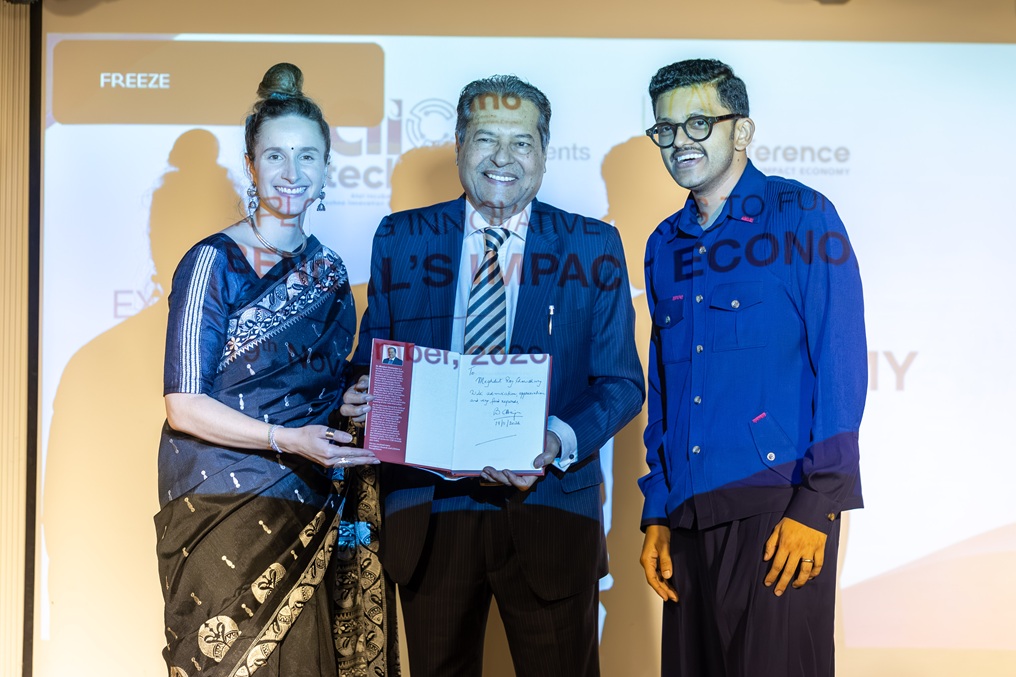
The inaugural session was attended by Dr Ravindra Chamaria, Chairman and Managing Director, Infinity Group and Head of the Advisory Board, AIC Techno; Meghdut Roychowdhury, Executive Director, Techno India Group and Chief Mentor, AIC Techno; and Pauline Laravoire, Sustainability Director, Techno India Group and Vertical Head, Social Innovation, AIC Techno.
Dr Bhaskar Chatterjee, former Secretary, Government of India and Principal Advisor, AIC Techno, delivered the keynote address. He underlined the need for a more informed, accountable and partnership-led approach to CSR deployment.
“CSR has the potential to play a significant role in addressing developmental challenges when resources are directed towards well-planned, sustainable and measurable interventions. It is important to build a better understanding of the regulatory framework, identify credible organisations and encourage meaningful partnerships. Platforms such as this Unconference can help bring these stakeholders together and strengthen the way CSR is channeled towards social impact,” Dr Bhaskar Chatterjee said.
Building Better Pathways
The discussions highlighted that funding alone is not enough to build a resilient impact economy. Organisations also need the capacity to design measurable programmes, comply with regulatory requirements, build trust with corporate partners and demonstrate long-term outcomes.
“Building a strong impact economy requires more than funding alone. It calls for innovative solutions, an enabling ecosystem and stronger connections between social enterprises, non-profits and the corporate sector,” said Pauline Laravoire.
“Through this Unconference, we aim to bring these stakeholders together, encourage the exchange of ideas and explore how CSR resources can be channelled towards initiatives that address Bengal’s development priorities,” she added.
Four learning capsules offered participants practical perspectives on the social-impact ecosystem. Manoj Kumar, Social Work Practitioner and Technical Advisor for NGOs and Foundations, spoke on Bengal’s development landscape, progress and the SDG localisation agenda. Rajani Jalan, Chief Mentor at mPokket, led a session on rethinking how CSR can move from charitable intent to measurable impact.
Pauline Laravoire discussed organisational models for social impact and AIC Techno’s ambitions for the ecosystem. Anubhab Sarkar, Managing Partner, Triumvir Law, explained the regulatory frameworks, legal pathways and CSR funding opportunities available for impact initiatives.
Ideas Seeking Scale
A key feature of the programme was an Impact Pitch Session, where selected startups, social businesses, Section 8 companies and non-profit organisations from the AIC Techno ecosystem presented their work. The session enabled participating organisations to showcase their models, articulate their funding needs and engage directly with stakeholders from the wider CSR and impact ecosystem.
Moderated by Dr Suhani Sharma, psychologist, well-being consultant, behavioural science and human sustainability specialist, and Founder of FlowRise & Why Not, the session created space for conversations around scalable interventions, organisational readiness and partnership potential.
The programme also featured an interactive dialogue, “Co-Creating Impact: Corporate Perspectives & Partnership Pathways”, moderated by Prof Rohan Sarma, Professor, Social Scientist and Convenor, Bureau of Indian Standards. Corporate and CSR leaders reflected on the impact pitches, shared their priorities and discussed the challenges involved in designing meaningful, measurable and sustainable CSR interventions.
Shared Development Vision
The engagement highlighted a growing need to connect grassroots innovation with institutional funding, technical expertise and market-linked support. For Bengal’s social-impact organisations, stronger collaborations can help transform promising ideas into durable solutions across areas such as education, livelihoods, healthcare, environmental sustainability and community development.
By creating greater understanding between corporates, funders, social entrepreneurs and non-profits, the initiative sought to strengthen the pathways through which CSR can contribute to West Bengal’s long-term development priorities and a more inclusive impact economy.
AIC Techno Innovation and Incubation Council is an initiative of Techno India University and is supported by Atal Innovation Mission, NITI Aayog. The organisation supports innovators and startups through mentors, investors, operators and domain experts across product development, market access, finance, intellectual property, legal support, fundraising and scale.
Also Read