

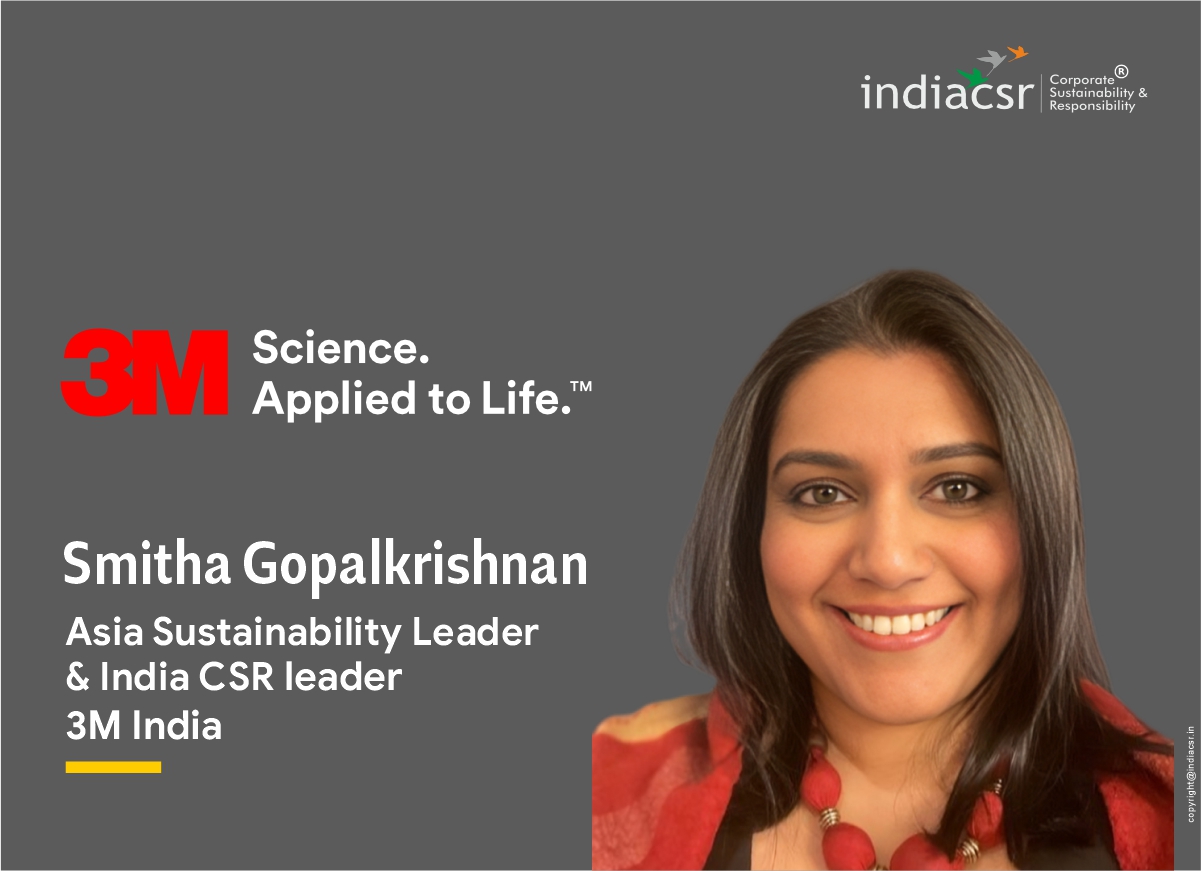


Smitha Gopalkrishnan, Asia Sustainability Leader and India CSR Leader at 3M India, discusses watershed restoration, water circularity, community ownership and climate resilience in Pune.
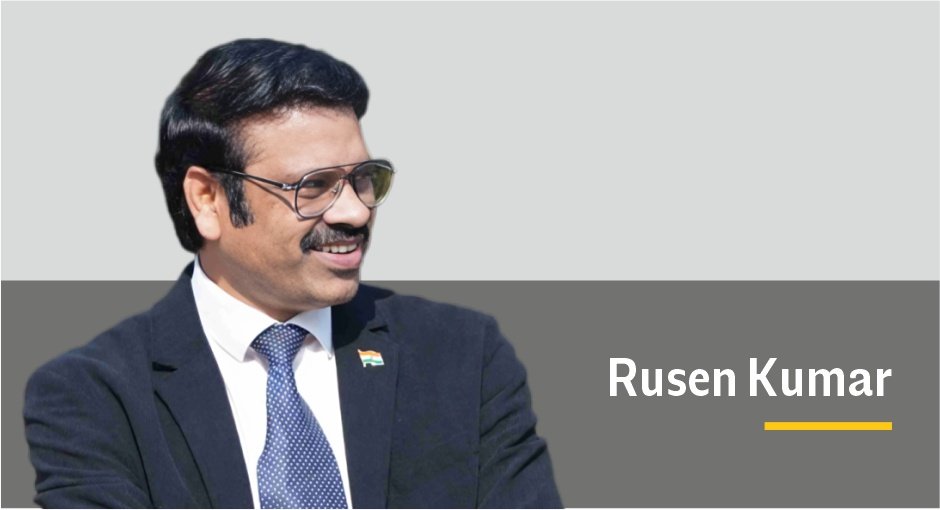
By Rusen Kumar
NEW DELHI (India CSR): In Pune’s Ranjangaon and Shirur Taluka region, where erratic rainfall and depleted groundwater have created persistent water stress, 3M India has developed a community-focused water stewardship initiative. Implemented with Water for People India Trust, the programme follows a ridge-to-valley watershed approach and combines water-conservation infrastructure with community participation, behavioural change and climate-resilient farming. After three monsoon cycles, the initiative has helped conserve over 190 million litres of water across 1,121 hectares of land, benefiting more than 1,000 farmers and their livelihoods. In this India CSR interview, Smitha Gopalkrishnan explains how 3M India is connecting science, local institutions, circular water management and multi-stakeholder partnerships to help create water-secure and climate-resilient communities.
3M India Limited is a subsidiary of the American multinational conglomerate 3M Company. Incorporated in 1987, the company manufactures and supplies a vast range of industrial, safety, health care, and consumer products across India.
What prompted 3M India to focus its community water stewardship efforts on Pune, and what impact has the project delivered for local communities so far?
3M India has a manufacturing presence in Ranjangaon, Shirur Taluka, Pune, and our social commitment extends to communities around our manufacturing sites. These initiatives include healthcare delivery, STEM education, renewable energy access, and water conservation.
3M’s global water risk assessment identified Ranjangaon as being located in a highly water-stressed region, due to erratic rainfall and depleted groundwater. Before we embarked on a water conservation community initiative in the region, our implementing partner, Water for People India Trust, helped us understand the existing groundwater conditions, topography, rainfall and water stress levels.
Implementation began in 11 villages located along the ridge areas and later expanded to 6 villages in the valley region, enabling us to address the entire watershed as one interconnected system. We also invested significantly in behaviour change activities and community ownership to ensure that the assets created are sustainably managed over the long term.
After three monsoon cycles, we are seeing encouraging results. The initiative has helped conserve more than 190 million litres of water across 1,121 hectares of land, benefiting over 1,000 farmers and their livelihoods. To put this into perspective, the volume of water conserved is equivalent to approximately 40,000 water tankers.
***
How do you measure the success of a corporate water stewardship programme – litres conserved, groundwater recharge, community impact or something else?
While environmental outcomes such as water replenishment and groundwater recharge are important, social impact on communities’ knowledge, local institutions and behaviour change are equally important to sustain the impact.
From an environmental perspective, we track metrics such as total water conserved and replenished, improvements in groundwater levels, increased water availability for domestic use and agriculture, hectares of land restored, and adoption of water-use efficiency measures such as drip irrigation and other sustainable farming practices.
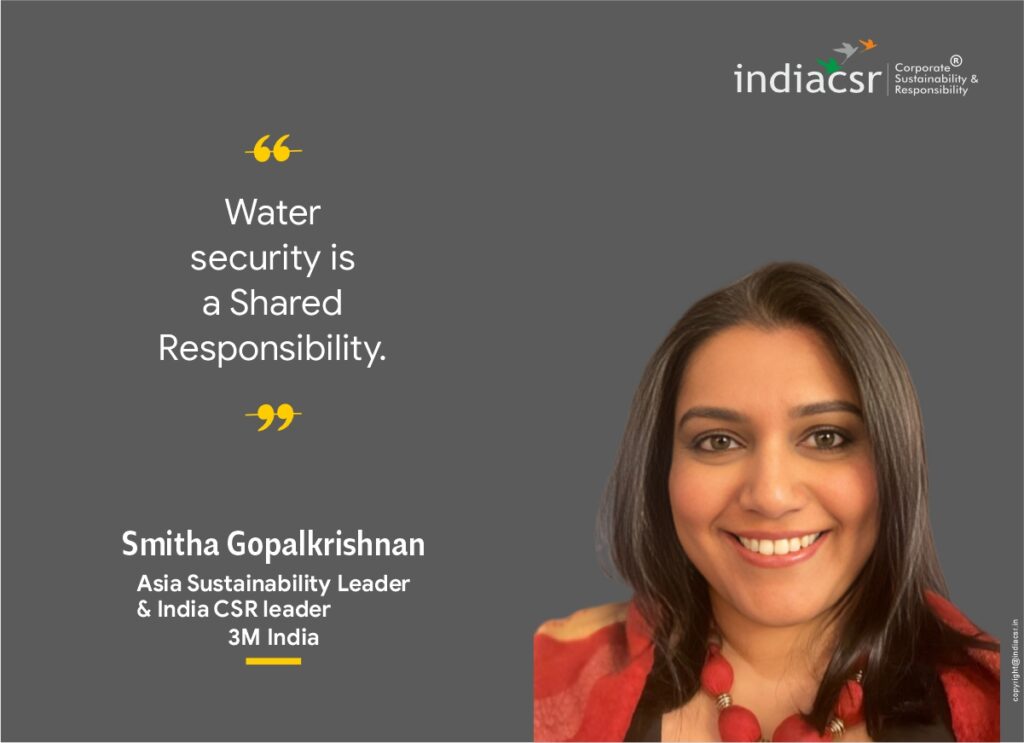
The strongest indicator of success is when communities begin taking ownership, leverage local institutions and government schemes to continue the work.
***
How does 3M’s work in the community connect with water circularity at its Pune facility?
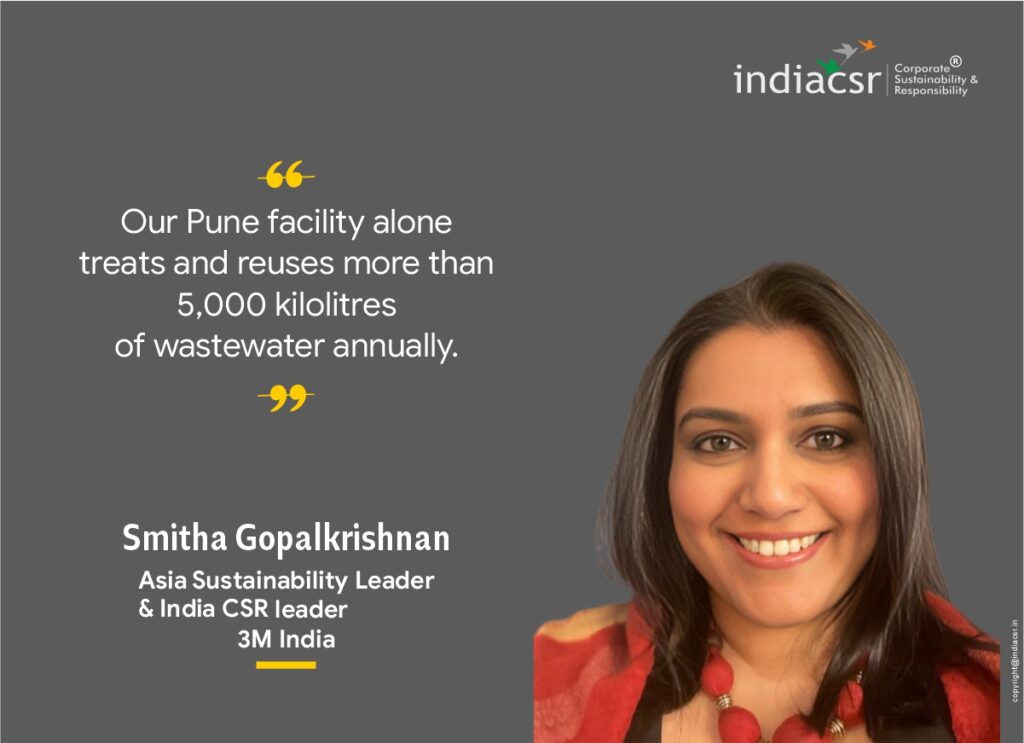
Water circularity is about keeping water in use for as long as possible, minimizing losses, and replenishing water resources. The principles of water circularity are similar in objective but differ in the mechanisms when it comes to industry and communities. At our manufacturing sites, water circularity is achieved through reducing freshwater consumption, reusing treated wastewater in operations and ensuring zero discharge within the premises. Our Pune facility alone treats and reuses more than 5000 kiloliters of wastewater annually. Additionally, we have also implemented rainwater harvesting and groundwater recharge systems through recharge pits and wells within the premises to enhance aquifer replenishment and reduce dependence on external water sources. These initiatives support our zero-liquid-discharge approach.
The underlying principles of water stewardship are the same within our factory premises, which complement our community initiatives, helping us create positive impact and build resilience in the region.
***
What role should technology and science play in solving India’s water-security challenge?
India’s water security challenges hinge on multiple factors like excessive groundwater extraction, erratic rainfall due to climate change, water quality due to contamination, and lack of access to water sources within communities.
Technology and science play an important role because efficient water management begins with access to data, which is critical to decision-making. With respect to 3M India’s initiative in Pune, we have implemented the Ridge-to-Valley watershed technology, which is a science-based approach to water management. Tools like GIS mapping, hydrogeological studies, groundwater assessments, etc., provide useful data to understand water resources.
In our project, one of the most effective tools has been the use of 3D watershed models which are set up in gram panchayat offices. These models help make the invisible visible by allowing communities to visualize their watershed landscape, understand how water flows across the watershed, identify recharge zones, and appreciate how the interventions help in reducing the surface runoff and erosion.
New technologies also emerge through the Agri start-ups, which are helping farmers improve water-use efficiency through precision irrigation, remote sensing, soil moisture monitoring, digital advisory services, and climate-smart farming practices.
However, it is communities’ access and participation that determine the sustenance of these solutions in the long term.
***
The water crisis has become a recurring concern. What role can industry realistically play in addressing the water challenges across cities?
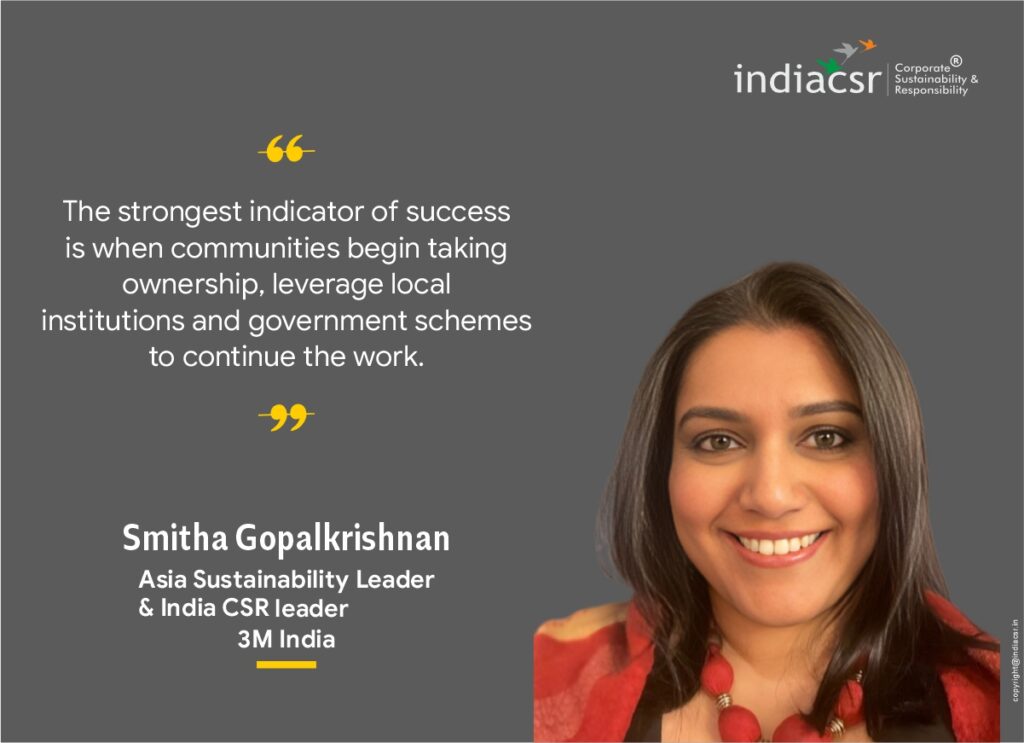
Water security is a shared responsibility. Industry can work to ensure their operations help conserve water or reduce water consumption and discharge. Industry responsibility also extends to protecting water resources from waste through effective effluent and sewage water treatment and efficient waste management.
Industry also brings technology, innovation, and implementation expertise that can help cities adopt more circular approaches to water management.
***
Many sustainability projects focus on creating infrastructure. How important are community participation, behavioural change, and ongoing maintenance in ensuring lasting water security outcomes?
Any rural program around water must have the community at the center of the initiative. Water sits at the intersection of agriculture, livelihoods, health, and climate resilience, making it one of the most critical enablers of sustainable community development. So, implementing a water security program must take a holistic approach.
Supply-side interventions focus on increasing water availability through traditional watershed structures such as check dams, contour trenches and groundwater recharge structures.
3M’s water project in Pune looked at implementation around three pillars –
Climate-resilient agricultural practices – Any water conservation program must include agricultural interventions to influence farmer behavior and water-use practices. Techniques such as regenerative agriculture, mulching, vermicomposting, drip irrigation, and other water-efficiency measures can significantly reduce water demand.
Behavioural change – Bringing to life the lived experiences of communities through theatre, talks and walks, 3D models of the watershed and how it works help make the invisible visible.
Community ownership – strengthening community-based institutions and ensuring inclusive participation are critical in sustainability. Having representation from the users of the water resources, like livestock owners, women farmers, landless farmers, etc., helps in addressing conflicts and social issues.
When these institutions are embedded within existing Gram Panchayat structures, they can continue to function well beyond the duration of a CSR project.

***
Looking ahead, how can collaborations between industry, local governments, NGOs, and communities help build climate-resilient and water-secure ecosystems in vulnerable regions?
Complex challenges like water security can be addressed only through a systems approach. Industry can contribute resources, innovation, and expertise. NGOs bring technical expertise, community engagement capabilities, and implementation experience. Governments provide scale, policy support, and institutional continuity. Communities contribute local knowledge and ultimately serve as the custodians of the resource.
Collaborations can work in multiple ways –
- Initiatives through pilots funded through CSR and start-up innovations, for scaling and replication by Government.
- Strengthening community institutions.
- Supporting scientific research studies and data-driven planning
- Promoting convergence between sectors like departments like water, agriculture, rural development, and local governance, to create integrated solutions rather than isolated interventions.
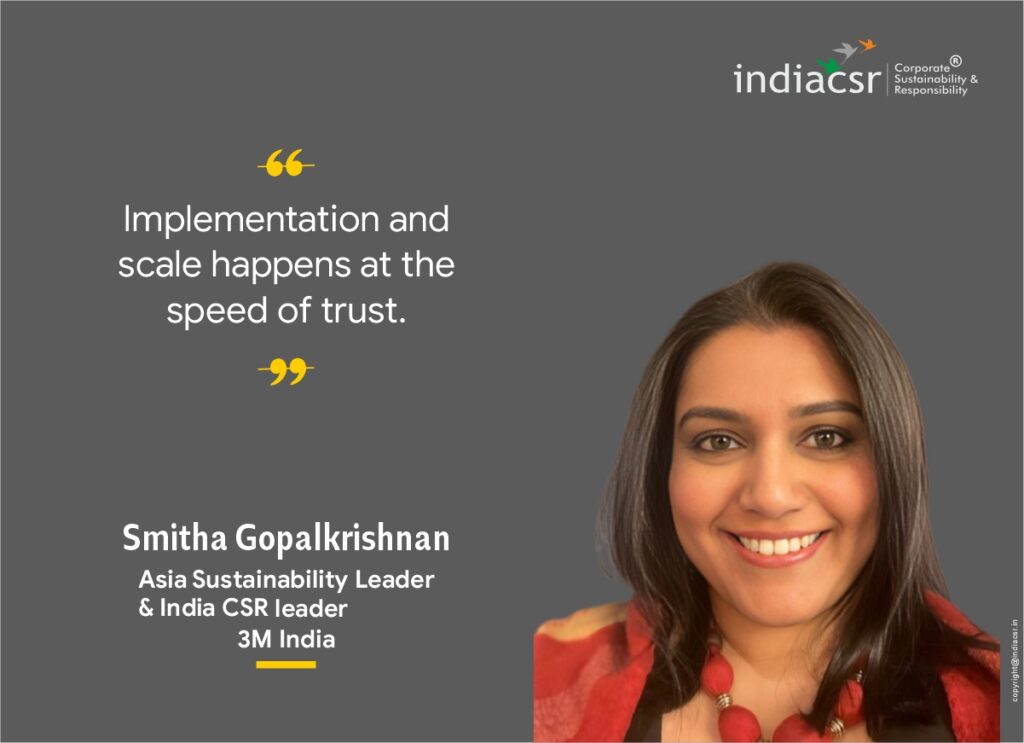
One of the key learnings from the project is that implementation and scale happen at the speed of trust. The importance of building relationships at all stages and getting buy-in from Government departments both at the block and district level is critical.
© Copyright Disclaimer: All rights reserved. No part of this report may be reproduced, republished, distributed or transmitted in any form without prior written permission from India CSR®.
Rusen Kumar is the founder and managing editor of India CSR – The CSR chronicle of India. He writes regularly on CSR, Sustainability and Environmental affairs.



