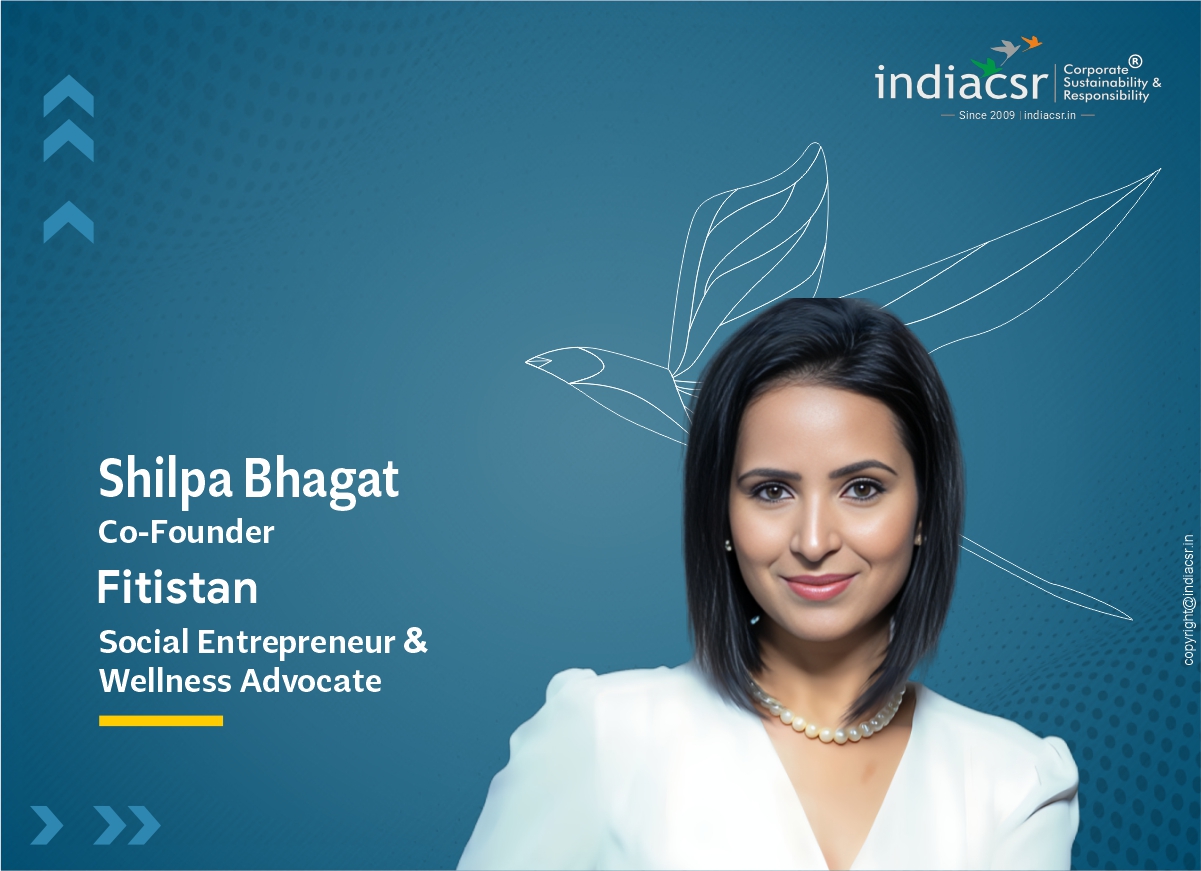


Fitistan’s co-founder explains why community, balance and small daily habits are central to lasting well-being.
NEW DELHI (India CSR): In an interview with India CSR, Shilpa Bhagat, Co-Founder of Fitistan, social entrepreneur and wellness advocate, shares her perspective on why well-being has become an essential measure of modern success. She says ambition becomes meaningful only when people have the physical energy, emotional resilience and mental clarity to enjoy what they achieve.
Bhagat discusses the growing shift from burnout to balance, the importance of making wellness inclusive rather than perfection-driven, and the role of community in helping people sustain healthier habits. Through Fitistan, she advocates a simple, accessible and social approach to health—where progress, consistency and belonging matter more than appearance, pressure or dramatic transformation.
Excerpts:
Has wellness become the new definition of success?
I don’t think wellness has become the new definition of success, but it has certainly become one of its most important parameters. For years, success was measured by titles, income, possessions, and productivity. Today, more people are asking a different question: “Can I enjoy everything I’ve worked so hard to build?” True success isn’t just about achieving milestones; it’s about having the physical energy, emotional resilience, and mental clarity to experience them fully. Wellness doesn’t replace ambition; it makes ambition sustainable. If your achievements come at the cost of your health, relationships, or peace of mind, it’s worth asking whether that success is truly complete.
***
What does “freedom within” mean to you personally?
To me, freedom within means having a mind that isn’t constantly controlled by external validation, criticism, or circumstances. It is the ability to remain grounded even when life becomes uncertain. It means knowing who you are, what you value, and not allowing every opinion, setback, or comparison to shake your sense of self. External freedom is important, but internal freedom is what gives it meaning. When you’re centred from within, you don’t collapse at the first sign of rejection or failure. You respond instead of react, choose instead of compulsively chase, and live according to your own values rather than someone else’s expectations.
***
Why do you think people today are choosing balance over burnout?
I think people are choosing balance because they’ve experienced the true cost of burnout. Many achieved career milestones, financial success, or professional recognition, only to realise they were too exhausted to enjoy any of it. Burnout doesn’t just affect productivity; it affects relationships, health, creativity, and happiness. People are beginning to understand that constantly running at maximum speed isn’t sustainable. They want careers that energise them instead of draining them, and lives that allow space for family, hobbies, and recovery. Balance isn’t about doing less: it’s about creating a life where success and well-being can exist together instead of competing with each other.
***
How has Fitistan changed the way people think about wellness?
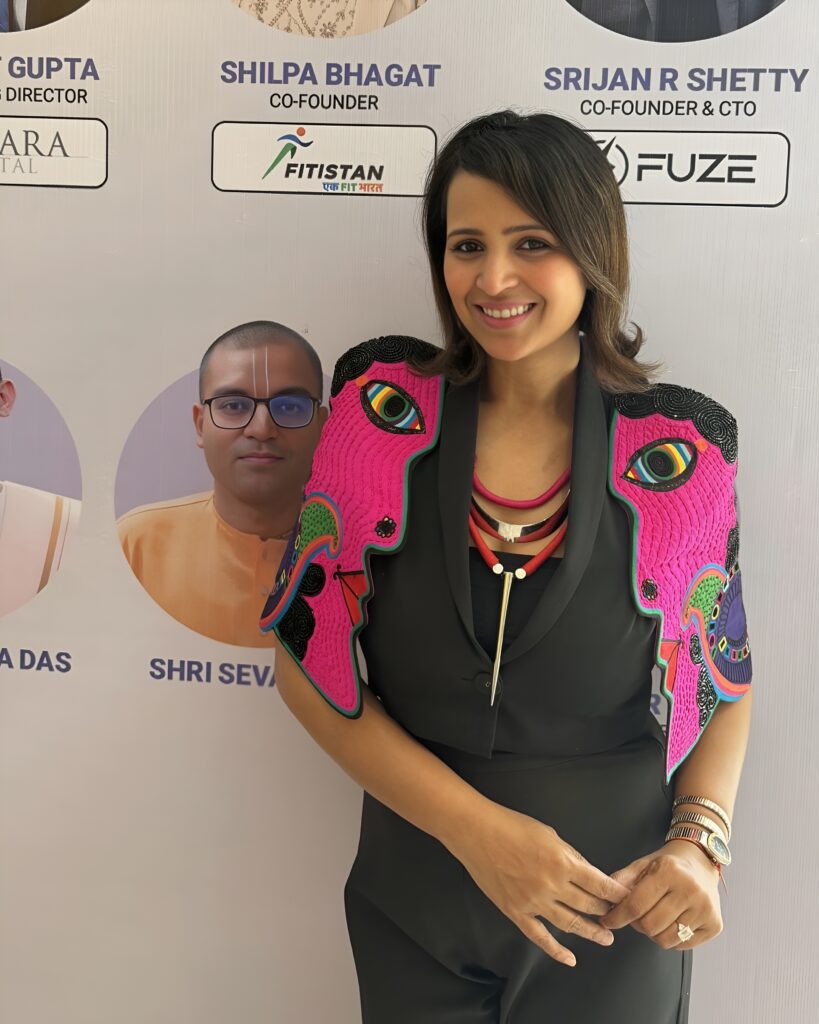
One of the biggest shifts Fitistan has created is challenging the idea that wellness has to be a lonely journey. We believe health becomes easier when it becomes social. Instead of relying purely on motivation or willpower, we build accountability through community. When people exercise, participate in challenges, celebrate milestones, and support one another, healthy habits become enjoyable rather than burdensome. We’ve shown that wellness doesn’t have to be expensive, intimidating, or overly complicated. It can be simple, consistent, and accessible. At Fitistan, fitness isn’t just about individual transformation, it’s about creating an environment where everyone inspires each other to stay healthier together.
***
Can wellness truly be inclusive in a world driven by perfection?
Absolutely! But only if we redefine what wellness actually means. Wellness isn’t about looking a certain way or achieving an ideal body. It’s about helping every individual become a healthier version of themselves, regardless of age, body type, fitness level, or starting point. Perfection creates pressure; wellness should create possibility. When we stop treating health as a competition and start viewing it as a lifelong journey, more people feel welcome to participate. Inclusivity begins when we celebrate consistency over perfection, progress over comparison, and recognise that every person’s path to better health will naturally look different.
***
Why do you believe community is the future of health and well-being?
Human beings have always thrived in communities. We are naturally wired to learn from one another, encourage one another, and stay committed when we don’t feel alone. That’s why I believe community is the future of wellness. Most people don’t struggle because they lack information: they struggle because they lack consistency and support. A strong community provides encouragement on difficult days, celebrates progress on good days, and creates accountability without judgment. At Fitistan, we’ve seen firsthand how people stick to healthier habits for much longer when they feel connected to others. Sustainable wellness isn’t built through isolation; it’s built through belonging.
***
How do you define wellness beyond fitness and physical appearance?
For me, wellness is much broader than exercise or physical appearance. It’s about having the energy to do meaningful work, the emotional stability to navigate challenges, the mental clarity to make good decisions, and the relationships that give life purpose. Someone may look physically fit yet constantly feel stressed, anxious, or disconnected. That isn’t complete wellness. True well-being is about functioning well across every dimension of life (body, mind, emotions, and relationships). Fitness is certainly an important part of the equation, but it is only one component. Real wellness is about living well, not just looking well.
***
What is the biggest misconception people still have about living well?
One of the biggest misconceptions is that living well has to be difficult, expensive, or highly complicated. People often believe they need perfect diets, intense workout routines, expensive memberships, or the latest wellness trends to become healthier. In reality, sustainable health is built through small, consistent choices. It can be as simple as taking a short walk after dinner, replacing a sugary snack with a piece of fruit, drinking more water, or getting enough sleep. Wellness isn’t created by dramatic transformations; it’s created by everyday habits repeated consistently. Simplicity, not complexity, is often the secret to lasting health.
***
How do you help people prioritise their health without adding more pressure to their lives?
We don’t believe health should feel like another item on an already overwhelming to-do list. Instead of demanding drastic lifestyle changes, we encourage small, practical habits that fit naturally into everyday routines. We focus on gentle nudges, smarter choices, and sustainable progress rather than perfection. Sometimes it’s choosing the healthier meal, taking the stairs, joining a community challenge, or committing to just twenty minutes of movement. These small actions build confidence instead of guilt. Our goal is to make wellness feel achievable rather than intimidating, so people experience health as something that supports their lives—not something that adds more stress.
***
If wellness is the new status symbol, what does that say about the world we live in today?
If wellness is becoming the new status symbol, I think it reflects a positive shift in what society values. For a long time, success was associated primarily with wealth, possessions, and relentless hustle. Today, more people admire those who have energy, peace of mind, healthy relationships, and the ability to live balanced lives. It suggests we’re recognising that achievement without well-being isn’t truly fulfilling. While there is always a risk of wellness becoming another trend or performance, I believe the larger movement is encouraging. It signals a world that’s gradually placing greater importance on longevity, resilience, and quality of life over constant busyness.
© Copyright Disclaimer: All rights reserved. No part of this report may be reproduced, republished, distributed or transmitted in any form without prior written permission from India CSR®.
Read more interviews.