

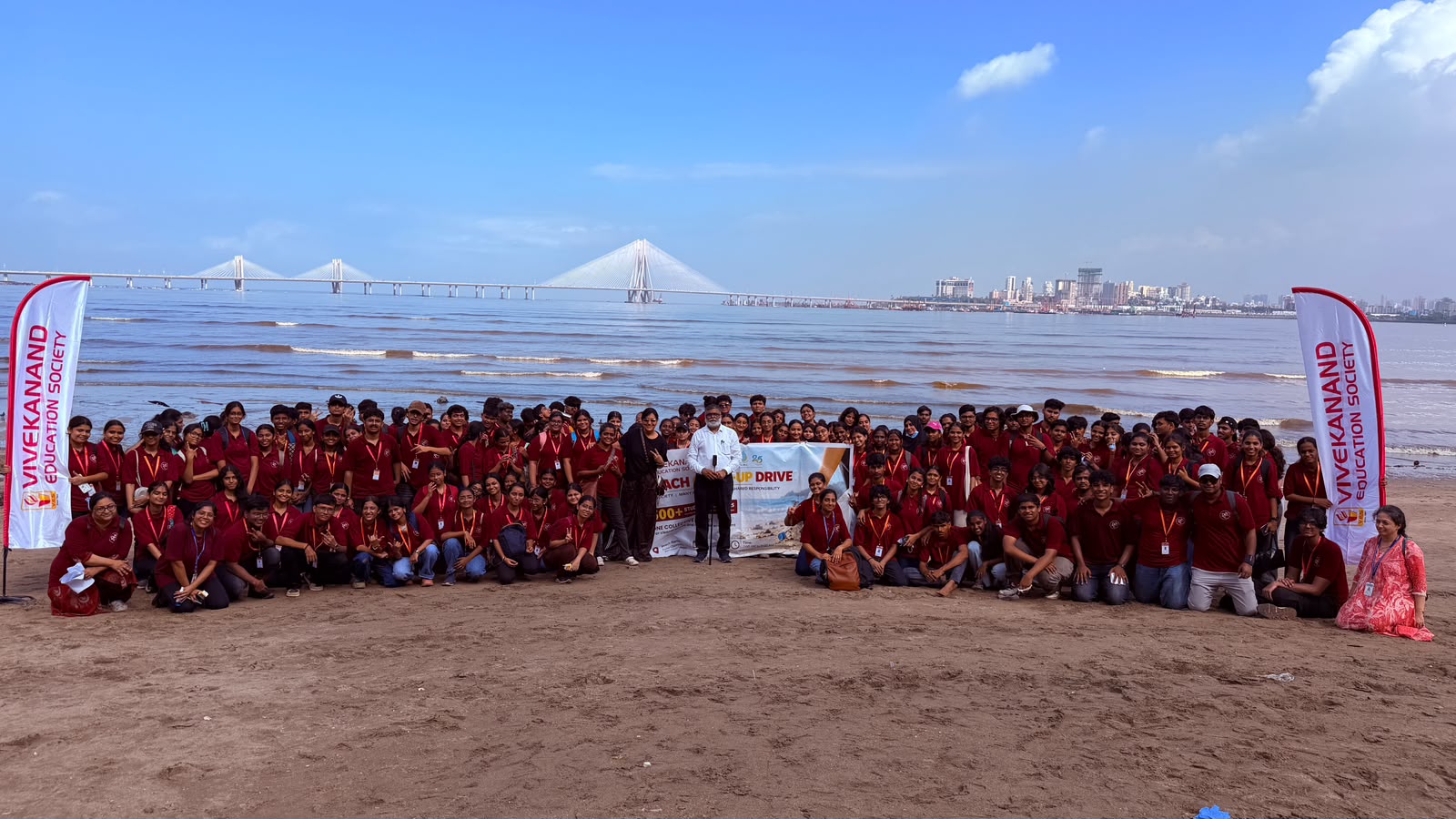



At Dadar Chowpatty, students and teachers removed over 2,000 kg of waste after Ganpati Visarjan. Their effort deserves appreciation—but the waste should never have reached the beach.
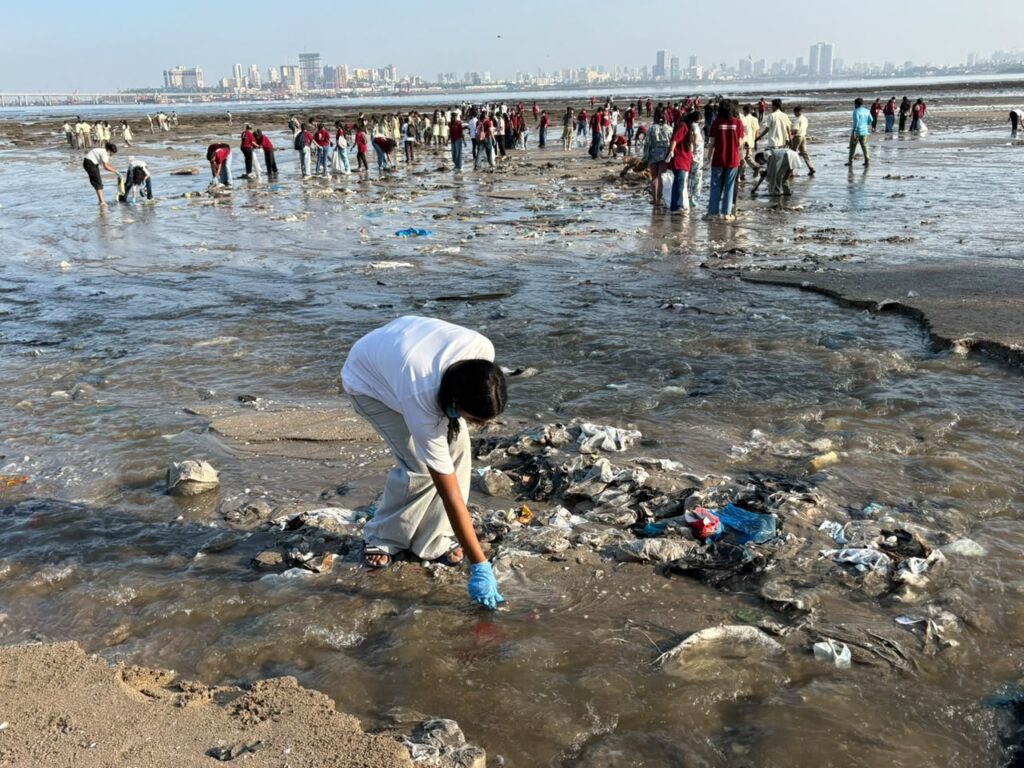
MUMBAI (India CSR): Mumbai’s beaches should not become dumping grounds after festivals. Yet, year after year, the same disturbing pattern repeats: some people leave behind plastic, cloth, packaging and other waste, while students, volunteers, civic workers and environmental groups must return later to clean it.
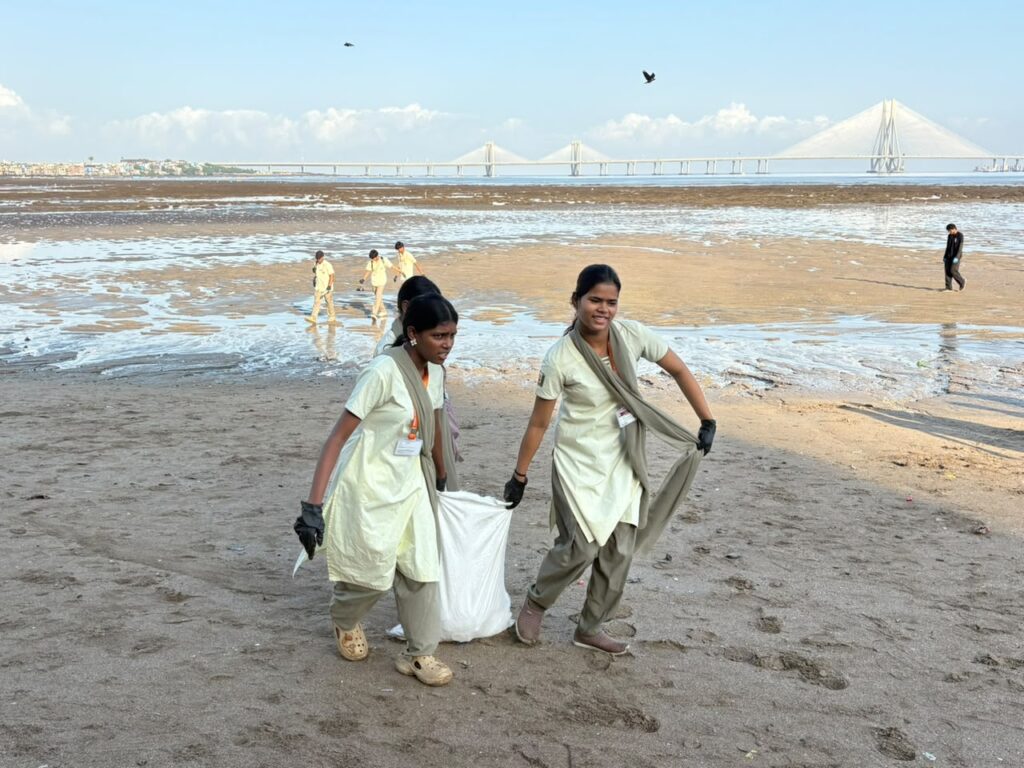
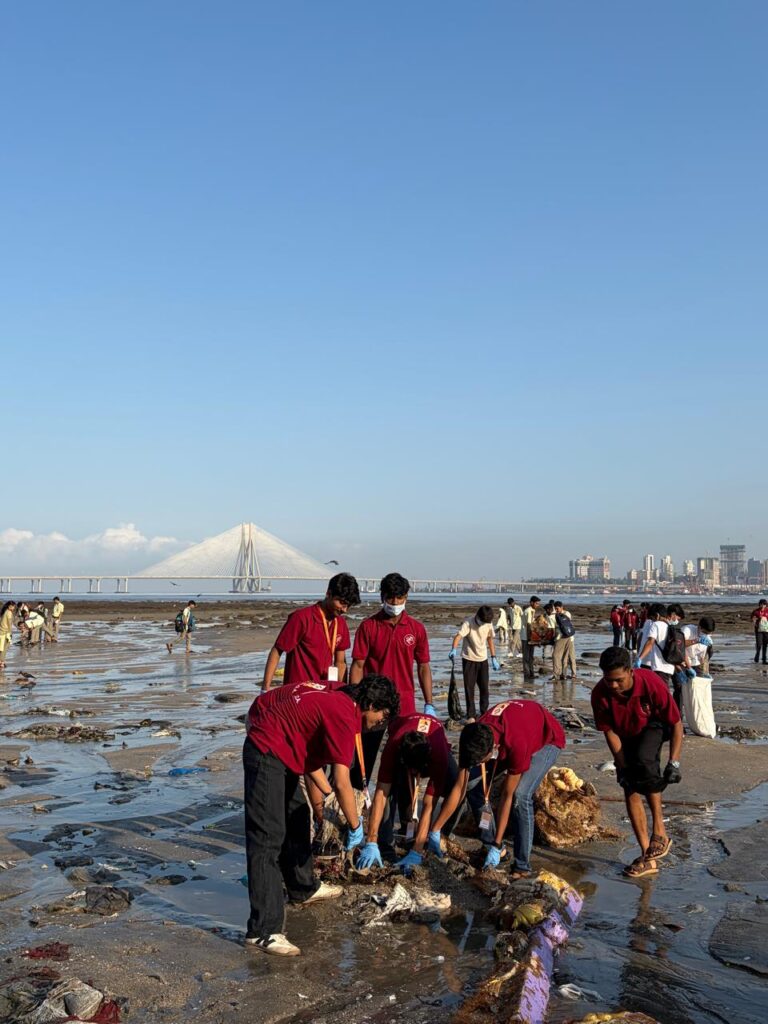
Following Ganpati Visarjan, Vivekanand Education Society (VES), along with environmental organisation Vanashakti, conducted a beach clean-up drive at Dadar Chowpatty. More than 500 students, 40 teachers, NSS volunteers and representatives from VES institutions participated. They collected over 2,000 kg of waste, including plastic and cloth materials, which was segregated and removed.
This is a commendable act of service. But it should also make us uncomfortable. Why must young students spend their time cleaning up waste that responsible citizens should not have left behind in the first place?

A Preventable Burden
A clean-up drive reflects community spirit, but it also exposes a failure of civic responsibility. When waste is discarded on the beach or allowed to enter the sea, the burden does not disappear. It merely shifts—from the person who littered it to volunteers, municipal workers, taxpayers, coastal ecosystems and future generations.
Plastic, cloth, decorative material and food packaging do not belong on a shoreline. Such waste affects the beauty of public spaces, threatens marine ecosystems, puts pressure on waste-management systems and can ultimately affect water quality. It also wastes resources: labour, public money, fuel for transport, landfill capacity and the time of those who must clean what others casually discard.
The real cost of litter is therefore much higher than the visible garbage on the sand.
Faith Needs Responsibility
Ganpati Visarjan is a deeply meaningful occasion for millions of people. It represents devotion, gratitude, celebration and cultural unity. The problem is not faith. The problem is carelessness carried out in the name of celebration.
No tradition asks people to pollute water bodies, abandon waste in public spaces or leave others to deal with the consequences. In fact, respect for nature should be an essential part of every religious and cultural practice. A festival that celebrates divinity should also protect the environment in which people live.
There must be a clear distinction between immersion rituals and irresponsible disposal. Plastic bags, food wrappers, cloth, thermocol, decorative waste and other non-biodegradable materials should never be treated as part of a religious offering. They are simply garbage.
Devotion cannot become an excuse for environmental damage.
From Cleanup To Prevention
India does not need only bigger beach-cleaning campaigns. It needs fewer reasons for them.
The success of a post-visarjan initiative should not be measured only by the number of bags collected or kilograms removed. The greater success would be a visibly cleaner beach, lower waste generation and stronger discipline among participants.
Festival organisers, housing societies, local groups, vendors, educational institutions and municipal authorities all have a role to play. Waste-segregation points should be available near procession and immersion locations. Single-use plastic and non-biodegradable decorative materials should be avoided. Public awareness campaigns must begin before the festival, not after the garbage has already reached the shore.
Volunteers can guide people, but accountability must rest with those generating the waste. Civic authorities should also ensure that disposal arrangements, collection systems and enforcement are visible, accessible and consistent.
Shared Civic Duty
The VES and Vanashakti initiative shows how educational institutions can turn environmental concern into practical action. It teaches students that citizenship is not limited to classrooms, speeches or social-media posts. It is demonstrated through service.
However, students should not have to become an annual cleanup force for preventable public negligence. Their contribution should inspire citizens to change behaviour—not make society comfortable with repeating the same mistake every year.
A clean beach is not the responsibility of environmental organisations alone. It is the responsibility of every visitor, devotee, resident, vendor and organiser. The sea is not a dustbin. A beach is not a temporary storage site for festival waste. Public spaces and water bodies belong to everyone.
The cleanest festival is not one followed by the largest cleanup drive. It is one that leaves behind devotion, dignity and gratitude—not garbage.
Some Pollute, Others Clean: Why Post-Visarjan Beach Garbage Must End – India CSR



