


New Report by Aspire Circle and Aspire Impact Maps ESG Risks and Opportunities in India’s Utilities Sector
NEW DELHI (India CSR): Aspire Circle and Aspire Impact have launched “Utilities: An ESG Performance Framework”, the latest publication under the Impact Future Project (IFP), a thought-leadership initiative supported by Capgemini. The publication brings together 13 senior industry leaders and practitioners from across India’s power generation, trading, transmission, and distribution, water supply and management, waste management and sustainability ecosystem, as co-authors, to develop a practical, sector-relevant approach to measuring ESG performance and understanding the ESG risks and ESG opportunities shaping the utilities sector.
The Utilities framework is the sixth in a planned series of 12 sector-specific ESG performance frameworks being developed under IFP, as part of a larger effort by Aspire Circle and Aspire Impact to create greater sector-specificity and comparability in ESG assessment across the Indian economy.
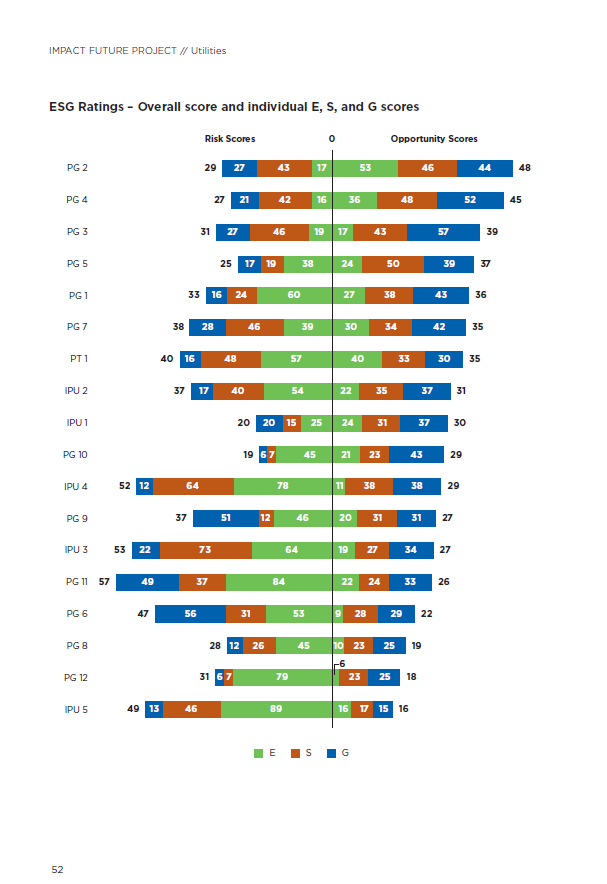
The utilities sector sits at the heart of India’s economic growth and its transition towards a Net Zero economy. As the country expands renewable energy, modernises power infrastructure, strengthens water & waste systems and builds resilience against climate change, utilities companies are increasingly exposed to a complex mix of ESG considerations. The new framework seeks to bring greater clarity to these issues by moving beyond a single, blended ESG assessment and examining ESG Risk and ESG Opportunities separately, allowing stakeholders to understand both where a company may be vulnerable and where it has the potential to create long-term sustainable value.

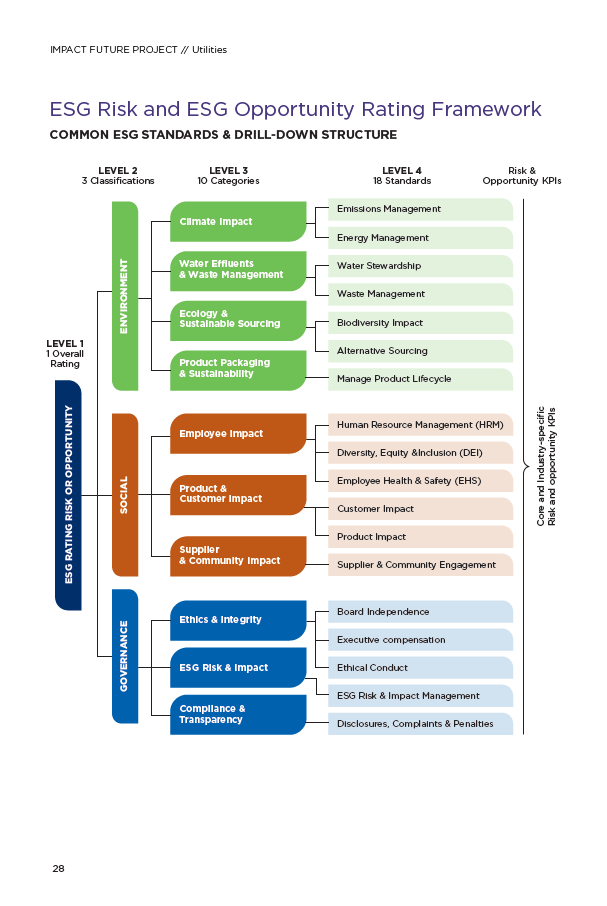
The framework combines industry-agnostic core KPIs with utilities-specific indicators. The Utilities assessment covers the ESG pillars and drills down into issues including Emissions Management, Energy Management, Water Stewardship, Waste Management, Biodiversity Impact, Alternative Sourcing, Product Lifecycle Management, Employee Health & Safety, Human Resource Management, Diversity, Equity & Inclusion, Customer Impact, Product Impact, Supplier & Community Engagement, Ownership & Board Independence, Executive Compensation, Ethical Conduct, ESG Risk & Impact Management, and Disclosures, Complaints & Penalties. This structure allows common ESG expectations to be retained while bringing greater specificity to issues that matter particularly to utilities.
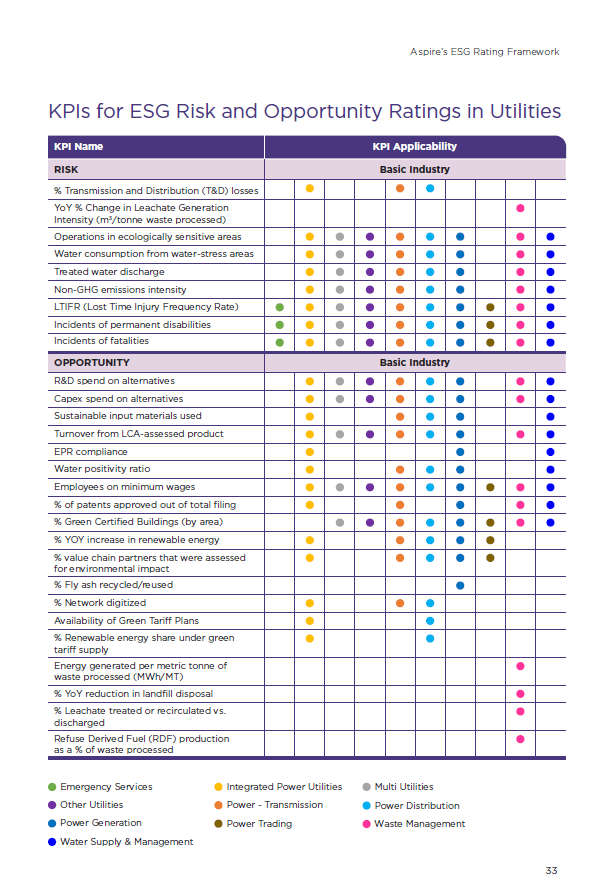
The sector-specific KPI architecture includes risk indicators like Transmission & Distribution losses, change in leachate generation intensity, operations in ecologically sensitive areas, treated water discharge, and water consumption from water-stressed areas. On the opportunity side, the framework examines areas such as sustainable sourcing, investment in alternative materials & processes, product lifecycle assessment and EPR compliance.
The essence of the framework is that clearer identification of material ESG risks, combined with measurable opportunities, can lead to better decision-making, stronger resilience, more responsible resource use and improved stakeholder outcomes.
Amit Bhatia, Founder, Aspire Circle and Aspire Impact, said, “India’s utilities sector is fundamental to our economic and sustainability transition. As capital increasingly seeks both resilience and sustainable growth, we need to understand not only the ESG risks companies face, but also the opportunities they are creating. This framework is an attempt to bring greater rigour, comparability and sector relevance to ESG measurement, while ensuring that the indicators reflect the realities of India’s utilities landscape.”
The framework’s analysis also demonstrates why a segregated Risk and Opportunity approach can provide more useful insights than a single ESG score.
The publication has been developed through an extensive Working Group process, with 13 co-authors: Amit Bhatia, Founder & CEO- Aspire Circle & Aspire Impact; Abhay Bhavsar, Head- ESG & CSR- Fourth Partner Energy; Amit Raje, Chairman & Managing Director,-Aartech Solonics; Ankit Jain, Regulatory & Power Sales- JSW Energy; Dr. Bhushan Pachpande, Head, Sustainability- VA Tech Wabag; Ekta Kumar, Co-founder, Binary Green; Kundan Chaudhary, Bid Management & Business Development- KPI Green Energy; Manik Dhingra, Co-Founder- Shoonya Environmental Solutions; Rahul Joshi, ESG Head- JSC Rustavi Azot Indorama; Rajeev Kher, Founder- 3S India – Sara Plast.; Tanya Singhal, Country Head- The Global Energy Alliance for People and Planet (GEAPP); Dr. Vipin Upadhyay, Head- HSE & Sustainability, Thermax; and Wilma Rodrigues, Founder & CEO- Saahas Zero Waste.
Capgemini continues to support the Impact Future Project as its sponsor. Anurag Pratap, VP & CSR Leader, Capgemini, said, “We believe the time has come to mainstream the principles of an Impact Economy. The Impact Future Project is playing a significant role in accelerating this vision by fostering greater awareness, encouraging collaboration, and bringing together diverse stakeholders to drive meaningful action towards a more sustainable and inclusive future.”
According to Harpreet Kaur, Chief Knowledge Officer, Aspire Impact: “The publication ultimately seeks to make ESG measurement more useful for companies, investors, regulators and other stakeholders by combining a common set of industry-agnostic indicators with utilities-specific KPIs, separating ESG Risks from ESG Opportunities, moving ESG assessment beyond broad sustainability claims towards more measurable, comparable and actionable insights.”