

NEW DELHI: The Khadi and Village Industries sector recorded a turnover of more than Rs. 1.87 lakh crore during the financial year 2025–26, while providing employment to over 2.04 crore people across India, according to the Khadi and Village Industries Commission.
KVIC Chairman Manoj Goel said the sector had achieved significant progress due to supportive government policies, growing consumer demand and renewed emphasis on local production, rural enterprise and sustainable livelihoods.
He expressed confidence that the sustained expansion of Khadi and Village Industries could help the sector achieve a turnover of around Rs. 2.51 lakh crore in the coming years.
The figures underline the growing economic importance of the sector, particularly in generating employment and livelihood opportunities for artisans, weavers, rural entrepreneurs and small producers.
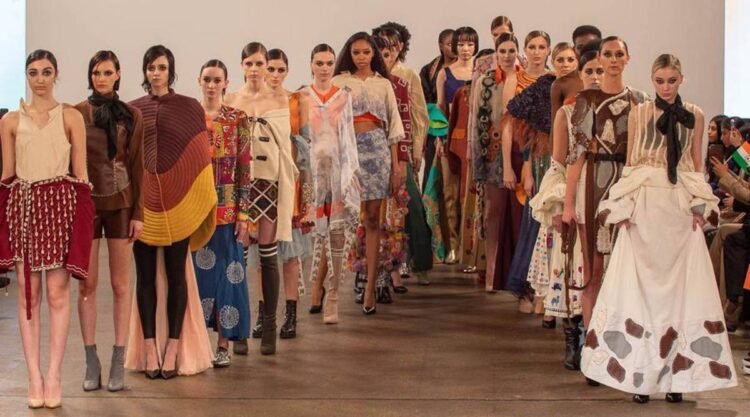
Khadi has also expanded beyond traditional garments into home décor, lifestyle products, contemporary fashion and innovation-based products designed for younger and global consumers.
The government has been promoting the sector through initiatives linked to Atmanirbhar Bharat, Vocal for Local, Local to Global and Viksit Bharat 2047.
The latest performance figures were highlighted during the inauguration of the Khadi India Pavilion at Bharat Tex 2026 at Bharat Mandapam in New Delhi.
The pavilion showcases contemporary Khadi apparel, home linen, indigenous fibre products, traditional production tools and design-led innovations from Khadi institutions across the country.
The Khadi and Village Industries Commission (KVIC) has showcased the expanding economic, employment and design potential of India’s Khadi sector at Bharat Tex 2026, presenting traditional craftsmanship in a contemporary format aimed at domestic and global markets.
KVIC Chairman Manoj Goel inaugurated the Khadi India Pavilion at Bharat Tex 2026 at Bharat Mandapam in New Delhi. The pavilion, located in Hall No. 10, brings together Khadi garments, contemporary apparel, home linen, home décor, indigenous fibre innovations, traditional production tools and specially developed collections from Khadi institutions across the country.
The showcase highlights Khadi’s evolution from a traditional hand-spun and handwoven fabric into a broader economic and cultural movement connected with rural entrepreneurship, employment creation, sustainability, fashion and self-reliance.
Bharat Tex 2026, described as India’s largest global textiles event, is being organised from July 14 to 17, 2026, at Bharat Mandapam. The event has brought together buyers, designers, textile companies, entrepreneurs, industry leaders, policymakers and representatives from India and other countries.
KVIC Chairman Interacts with Artisans and Exhibitors
During his visit to the pavilion, Manoj Goel interacted with artisans, exhibitors and representatives of Khadi institutions from different states.
He reviewed the range of products on display and gathered information about the experiences, production practices, market challenges and design innovations of participating institutions.
Senior KVIC officials, employees and representatives of the Centre of Excellence for Khadi were also present during the inauguration and inspection of the pavilion.
The Chairman explored Khadi home furnishings, home linen, contemporary clothing, décor products, innovation-based products and traditional tools used in the production of Khadi.
He appreciated efforts to reinterpret traditional materials and techniques in ways that meet the needs of modern consumers.
‘Mula’ Jamdani Collection Draws Attention
One of the key attractions at the pavilion was the ‘Mula’ Jamdani saree and apparel collection presented by the Ghoranash Silk Khadi Gramodyog Samiti of West Bengal.
The collection combines the traditional Jamdani weaving technique with modern design and contemporary styling.
Goel interacted with representatives of the institution and appreciated their efforts to preserve traditional craftsmanship while adapting it to evolving fashion and market preferences.
He said that such innovations could play an important role in creating a distinct identity for Indian Khadi and handicrafts in global markets.
The collection reflects a wider effort within the sector to retain the cultural and artisanal character of Khadi while introducing new designs, product categories and applications.
Khadi Reimagined for Contemporary Living
The Khadi India Pavilion has been developed around the theme:
“Khadi Reimagined: Tradition for Contemporary Living.”
The theme seeks to demonstrate how traditional skills, indigenous materials and artisanal knowledge can be integrated with modern design, lifestyle requirements and changing consumer expectations.
The major highlights of the pavilion include contemporary home décor products, innovative items made from indigenous fibres, displays of traditional Khadi tools and new product ranges created for younger consumers.
The pavilion also presents an exclusive collection under the message:
“Naye Bharat Ki Nayi Khadi – Khadi for Nation, Khadi for Fashion, Khadi for Transformation.”
According to KVIC, the new generation of Khadi products is being developed through research, design intervention, innovation and improved market understanding.
The objective is to align Khadi with the preferences of younger consumers and the requirements of international buyers without weakening its association with traditional craftsmanship and rural livelihoods.
From Traditional Fabric to Lifestyle Product
Goel said Khadi has moved beyond its traditional identity as a fabric and has established a wider presence in apparel, home products, contemporary lifestyle categories and the fashion industry.
He said Khadi now represents a combination of India’s cultural heritage, sustainable production, self-reliance and employment for millions of artisans, weavers and rural workers.
The Chairman underlined that Khadi should not be viewed merely as a textile product.
It is also connected with the incomes of rural families, the survival of traditional skills, village-based economic activity and India’s commitment to environmentally responsible development.
The growing focus on product diversification has enabled Khadi institutions to expand into new categories, including household furnishings, décor, accessories and design-led fashion products.