

• India CSR Awards 2025
  • India CSR Leadership Summit
  • Guest Posts
Friday, February 20, 2026
India CSR
  • Home
  • Corporate Social Responsibility
    • Art & Culture
    • CSR Leaders
    • Child Rights
    • Culture
    • Education
    • Gender Equality
    • Around the World
    • Skill Development
    • Safety
    • Covid-19
    • Safe Food For All
  • Sustainability
    • Sustainability Dialogues
    • Sustainability Knowledge Series
    • Plastics
    • Sustainable Development Goals
    • ESG
    • Circular Economy
    • BRSR
  • Corporate Governance
    • Diversity & Inclusion
  • Interviews
  • SDGs
    • No Poverty
    • Zero Hunger
    • Good Health & Well-Being
    • Quality Education
    • Gender Equality
    • Clean Water & Sanitation – SDG 6
    • Affordable & Clean Energy
    • Decent Work & Economic Growth
    • Industry, Innovation & Infrastructure
    • Reduced Inequalities
    • Sustainable Cities & Communities
    • Responsible Consumption & Production
    • Climate Action
    • Life Below Water
    • Life on Land
    • Peace, Justice & Strong Institutions
    • Partnerships for the Goals
  • Articles
  • Events
  • हिंदी
  • More
    • Business
    • Finance
    • Environment
    • Economy
    • Health
    • Around the World
    • Social Sector Leaders
    • Social Entrepreneurship
    • Trending News
      • Important Days
        • Festivals
      • Great People
      • Product Review
      • International
      • Sports
      • Entertainment
    • Case Studies
    • Philanthropy
    • Biography
    • Technology
    • Lifestyle
    • Sports
    • Gaming
    • Knowledge
    • Home Improvement
    • Words Power
    • Chief Ministers
No Result
View All Result
  • Home
  • Corporate Social Responsibility
    • Art & Culture
    • CSR Leaders
    • Child Rights
    • Culture
    • Education
    • Gender Equality
    • Around the World
    • Skill Development
    • Safety
    • Covid-19
    • Safe Food For All
  • Sustainability
    • Sustainability Dialogues
    • Sustainability Knowledge Series
    • Plastics
    • Sustainable Development Goals
    • ESG
    • Circular Economy
    • BRSR
  • Corporate Governance
    • Diversity & Inclusion
  • Interviews
  • SDGs
    • No Poverty
    • Zero Hunger
    • Good Health & Well-Being
    • Quality Education
    • Gender Equality
    • Clean Water & Sanitation – SDG 6
    • Affordable & Clean Energy
    • Decent Work & Economic Growth
    • Industry, Innovation & Infrastructure
    • Reduced Inequalities
    • Sustainable Cities & Communities
    • Responsible Consumption & Production
    • Climate Action
    • Life Below Water
    • Life on Land
    • Peace, Justice & Strong Institutions
    • Partnerships for the Goals
  • Articles
  • Events
  • हिंदी
  • More
    • Business
    • Finance
    • Environment
    • Economy
    • Health
    • Around the World
    • Social Sector Leaders
    • Social Entrepreneurship
    • Trending News
      • Important Days
        • Festivals
      • Great People
      • Product Review
      • International
      • Sports
      • Entertainment
    • Case Studies
    • Philanthropy
    • Biography
    • Technology
    • Lifestyle
    • Sports
    • Gaming
    • Knowledge
    • Home Improvement
    • Words Power
    • Chief Ministers
No Result
View All Result
India CSR
No Result
View All Result
Home Health

Cracking Cachexia: How Brain–Liver Miscommunication Drives Severe Weight Loss in Cancer

India CSR by India CSR
February 20, 2026
in Health
Reading Time: 4 mins read
India CSR
Share Share Share Share
WhatsApp icon
WhatsApp — Join Us
Instant updates & community
Google News icon
Google News — Follow Us
Get our articles in Google News feed

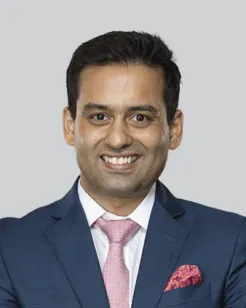
By Dr. Sai Vivek V

NEW DELHI (India CSR): Until recently, the root cause of cachexia was identified as the inflammatory mediators produced either by the tumour itself or the body. However, a new stream of research is about to upend this conventional wisdom, with findings indicating that cachexia could actually be a neuro-metabolic problem.
For many families, the most shocking part of a cancer journey is not the tumour itself, but the steady wasting that follows — loss of appetite, falling weight, thinning muscles, and the feeling that treatment is failing even when scans show the tumour is controlled. This condition, known as cachexia, associated with cancer, is more than merely feeling weak or having weight loss due to poor dietary habits: cachexia is a complex and serious chronic metabolic disorder that reduces survival and limits the effectiveness of chemotherapy and radiation therapy.

Until recently, the root cause of cachexia was identified as the inflammatory mediators produced either by the tumour itself or the body. However, a new stream of research is about to upend this conventional wisdom, with findings indicating that cachexia could actually be a neuro-metabolic problem. It is believed that inflammatory process might interfere with the nerve impulses between the brain and the liver, thereby reprogramming the body’s metabolic functions due to inappropriate nerve impulses, leading to severe wasting of the body. This latest discovery holds out new avenues for treatment, but also warns us that the complexity of the mechanism lying behind wasting is very subtle.

What is cachexia?

Cachexia is a syndrome marked by involuntary loss of body weight and muscle despite nutritional intake. It affects up to 80% patients with advanced cancers and accounts for a sizeable fraction of cancer deaths. Unlike starvation, cachexia involves increased energy expenditure and metabolic breakdown of muscle and fat driven by tumour–host biology. That is why simply “feeding” patients does not reliably reverse it.

What research shows

The new wave of studies has turned attention to the vagus nerve — the major highway of parasympathetic signals that carries information between the gut, liver and the brain. In experimental cancer models, persistent tumour-related inflammation appears to alter vagal signalling. That, in turn, leads to changes in the liver’s gene programmes, notably suppression of HNF4α, a master regulator of hepatic metabolism. When the liver’s metabolic balance tips, it releases factors and metabolic products that promote anorexia (loss of appetite), systemic inflammation, and muscle wasting — the hallmarks of cachexia.

Put simply: tumour → inflammation → vagal dysregulation → liver reprogramming → whole-body wasting. This reframes cachexia as more than peripheral inflammation; it is organ crosstalk gone awry.

Why the liver matters

The liver is the metabolic powerhouse of the human body. Apart from digesting nutrients, it synthesises proteins, controls energy reserves, and also participates in the regulation of immune signals.

Recently, metabolomic analyses of animal models and human samples have revealed a number of characteristic alterations in liver biochemistry under cachexia, diminished vitamin B-dependent enzymes, changed amino acid metabolism, and deranged lipid metabolism. These liver changes are not solitary events; they alter the composition of the blood and send signals to the muscle and brain, thus upregulating the catabolic process.

Reversing cachexia

The most striking part of the recent work is how reversible some of these pathways appear in the lab. In mice, interrupting the maladaptive vagal signal or preventing HNF4α loss in the liver blunted weight loss and muscle wasting. Researchers are starting to look into the possibility that electrical stimulation of the vagus nerve, with the help of wearable or implantable devices, might be able to fight cancer-related cachexia.

The focus can also now be moved from individual cytokines to the neuro-metabolic circuit. That change in perspective is a good explanation as to why anti-cytokine drugs, just by themselves, have generally been unsuccessful, and it also brings up several potential new interventions, neuromodulation, liver-directed metabolic support, or drugs that restore hepatic transcriptional programmes.

The initial results are encouraging but the majority of the evidence has been obtained from preclinical studies only. Human biology is enormously complicated and, to establish the safety and effectiveness of such therapy, to check that it would not adversely affect anti-cancer immunity or ongoing treatments, well-designed clinical trials are absolutely necessary.

What this means

For clinicians, the updated framework supports some practical points that have already been surfacing from cachexia research:

One should never delay in recognising the disease. It is easier to slow down cachexia at an early stage than to reverse it at a late stage. The patient’s weight, muscle strength, and appetite should be checked regularly. Treat the whole patient, not just the cancer. The best way to preserve a patient’s function is to combine anti-inflammatory strategies, targeted nutritional support, exercise if possible, and symptom control for nausea or pain.

Research trials are important. Do not hesitate to tell patients who are eligible that they should take part in clinical trials of cachexia therapies so that we will know what really works in humans, not just in animals, in the future.

Cachexia remains neglected, but these emerging brain–liver insights offer hope; early detection, combined care, and clinical research remain key today.

About the Author

Dr. Sai Vivek V, Consultant – Medical Oncology and Haemato – Oncology.

(India CSR)

India Responsible Education & AI Summit 2026
ADVERTISEMENT
Ambedkar Chamber
ADVERTISEMENT
ESG Professional Network
ADVERTISEMENT
India Sustainability Awards 2026
ADVERTISEMENT
India CSR Image 1 India CSR Image 2
Tags: Cachexia

CSR, Sustainability, and ESG success stories hindustan zinc
ADVERTISEMENT
India CSR

India CSR

India CSR is the largest media on CSR and sustainability offering diverse content across multisectoral issues on business responsibility. It covers Sustainable Development, Corporate Social Responsibility (CSR), Sustainability, and related issues in India. Founded in 2009, the organisation aspires to become a globally admired media that offers valuable information to its readers through responsible reporting.

Related Posts

Understanding the Brain-Glucose Connection: What Alzheimer’s, Diabetes, and CGM Have in Common
Health

Understanding the Brain-Glucose Connection: What Alzheimer’s, Diabetes, and CGM Have in Common

4 days ago
Fertility Treatment Accessibility & Health Equity in India: A Ground-Level Reality Check
Health

Fertility Treatment Accessibility & Health Equity in India: A Ground-Level Reality Check

3 weeks ago
nipah virus
Health

What is Nipah Virus? Symptoms, Spread, and Risk Explained

3 weeks ago
Online Pharmacy Website Before Ordering
Health

5 Safety Features To Look For In An Online Pharmacy Website Before Ordering

3 weeks ago
Best Health Insurance Plans for Individuals Above 50: What to Consider
Health

Best Health Insurance Plans for Individuals Above 50: What to Consider

3 weeks ago
Lifestyle Disease
Health

Can Traditional Health Systems Reduce the Burden of Lifestyle Diseases in Modern India?

4 weeks ago
Load More
India Responsible Education & AI Summit 2026
ADVERTISEMENT
Ambedkar Chamber
ADVERTISEMENT
India Sustainability Awards 2026
ADVERTISEMENT

LATEST NEWS

‘Get Thunai’ – A Smart Utility Support App Launched in Chennai to Simplify Bill Storage and Service Access

Circular Fashion Showcases Upcycled Line by Bengaluru Women

BBNG Annual Flagship Event ‘Parivartan’ Makes Trailblazing Records

Kolkata Hosts Landmark MOBA Legends 5v5 Championship as India’s Mobile MOBA Ecosystem Accelerates

Cracking Cachexia: How Brain–Liver Miscommunication Drives Severe Weight Loss in Cancer

CSR: PharmEasy Partners Samsung Health to Expand Affordable Healthcare

Economy India Largest Media on Indian Economy and Business
ADVERTISEMENT
Ad 1 Ad 2 Ad 3
ADVERTISEMENT
ESG Professional Network
ADVERTISEMENT

TOP NEWS

CSR: Nasscom Foundation, Tieto Boost 250 Rural Women Entrepreneurs

ध्यान गुरु रघुनाथ येमूल गुरुजी ने बनाया विश्व का सबसे बड़ा 5210 किलो का पारद शिवलिंग; हरिद्वार में महाशिवरात्रि पर विशेष पूजन

Startups and SMBs Urged to Recognize the “Iteration Tax” Slowing Growth Momentum

From ESG to UI: Measuring Harm-Reduction Features in Consumer Apps

Types of Aluminium Doors and Windows Used in Dubai – Mazari Contracting

What Is P2P Crypto Trading, And How to Trade Safely on Binance

Load More
STEM Learning STEM Learning STEM Learning
ADVERTISEMENT

Interviews

Monika Walia Head – Corporate Social Responsibility GlobalLogic
Interviews

CSR: Robots, Resolve and Rising Girls

by India CSR
February 18, 2026

Inside GlobalLogic’s STEM Push from Pune.

Read moreDetails
Prof. Kang Sung Lee, PhD

Prof. Kang Sung Lee on Academia, Policy, and Industry-Linked Career Pathways

February 5, 2026
Magma Group CEO and Founder, Neal Thakker

Embedding CSR in Responsible Manufacturing at Magma Group: An Interview with Neal Thakker

January 21, 2026
Sudeep Agrawal, CFO & Head – CSR, Ashirvad by Aliaxis

Integrating Financial Leadership With Impactful CSR Initiatives: An Interview with Sudeep Agrawal, Ashirvad by Aliaxis

December 29, 2025
Load More
Facebook Twitter Youtube LinkedIn Instagram
India CSR Logo

India CSR is the largest tech-led platform for information on CSR and sustainability in India offering diverse content across multisectoral issues. It covers Sustainable Development, Corporate Social Responsibility (CSR), Sustainability, and related issues in India. Founded in 2009, the organisation aspires to become a globally admired media that offers valuable information to its readers through responsible reporting. To enjoy the premium services, we invite you to partner with us.

Follow us on social media:


Dear Valued Reader

India CSR is a free media platform that provides up-to-date information on CSR, Sustainability, ESG, and SDGs. We need reader support to continue delivering honest news. Donations of any amount are appreciated.

Help save India CSR.

Donate Now

Donate at India CSR

  • About India CSR
  • Team
  • India CSR Awards 2025
  • India CSR Leadership Summit
  • India Responsible Education & AI Summit 2026
  • Partnership
  • Guest Posts
  • Services
  • ESG Professional Network
  • Content Writing Services
  • Business Information
  • Contact
  • Privacy Policy
  • Terms of Use
  • Donate

Copyright © 2025 - India CSR | All Rights Reserved

No Result
View All Result
  • Home
  • Corporate Social Responsibility
    • Art & Culture
    • CSR Leaders
    • Child Rights
    • Culture
    • Education
    • Gender Equality
    • Around the World
    • Skill Development
    • Safety
    • Covid-19
    • Safe Food For All
  • Sustainability
    • Sustainability Dialogues
    • Sustainability Knowledge Series
    • Plastics
    • Sustainable Development Goals
    • ESG
    • Circular Economy
    • BRSR
  • Corporate Governance
    • Diversity & Inclusion
  • Interviews
  • SDGs
    • No Poverty
    • Zero Hunger
    • Good Health & Well-Being
    • Quality Education
    • Gender Equality
    • Clean Water & Sanitation – SDG 6
    • Affordable & Clean Energy
    • Decent Work & Economic Growth
    • Industry, Innovation & Infrastructure
    • Reduced Inequalities
    • Sustainable Cities & Communities
    • Responsible Consumption & Production
    • Climate Action
    • Life Below Water
    • Life on Land
    • Peace, Justice & Strong Institutions
    • Partnerships for the Goals
  • Articles
  • Events
  • हिंदी
  • More
    • Business
    • Finance
    • Environment
    • Economy
    • Health
    • Around the World
    • Social Sector Leaders
    • Social Entrepreneurship
    • Trending News
      • Important Days
      • Great People
      • Product Review
      • International
      • Sports
      • Entertainment
    • Case Studies
    • Philanthropy
    • Biography
    • Technology
    • Lifestyle
    • Sports
    • Gaming
    • Knowledge
    • Home Improvement
    • Words Power
    • Chief Ministers

Copyright © 2025 - India CSR | All Rights Reserved

This website uses cookies. By continuing to use this website you are giving consent to cookies being used. Visit our Privacy and Cookie Policy.
