

• India CSR Awards 2025
  • India CSR Leadership Summit
  • Guest Posts
Sunday, May 24, 2026
India CSR
  • Home
  • Corporate Social Responsibility
    • Art & Culture
    • CSR Leaders
    • Child Rights
    • Culture
    • Education
    • Gender Equality
    • Around the World
    • Skill Development
    • Safety
    • Covid-19
    • Safe Food For All
  • Sustainability
    • Sustainability Dialogues
    • Sustainability Knowledge Series
    • Plastics
    • Sustainable Development Goals
    • ESG
    • Circular Economy
    • BRSR
  • Corporate Governance
    • Diversity & Inclusion
  • Interviews
  • SDGs
    • No Poverty
    • Zero Hunger
    • Good Health & Well-Being
    • Quality Education
    • Gender Equality
    • Clean Water & Sanitation – SDG 6
    • Affordable & Clean Energy
    • Decent Work & Economic Growth
    • Industry, Innovation & Infrastructure
    • Reduced Inequalities
    • Sustainable Cities & Communities
    • Responsible Consumption & Production
    • Climate Action
    • Life Below Water
    • Life on Land
    • Peace, Justice & Strong Institutions
    • Partnerships for the Goals
  • Articles
  • Events
  • हिंदी
  • More
    • Business
    • Finance
    • Environment
    • Economy
    • Health
    • Around the World
    • Social Sector Leaders
    • Social Entrepreneurship
    • Trending News
      • Important Days
        • Festivals
      • Great People
      • Product Review
      • International
      • Sports
      • Entertainment
    • Case Studies
    • Philanthropy
    • Biography
    • Technology
    • Lifestyle
    • Sports
    • Gaming
    • Knowledge
    • Home Improvement
    • Words Power
    • Chief Ministers
No Result
View All Result
  • Home
  • Corporate Social Responsibility
    • Art & Culture
    • CSR Leaders
    • Child Rights
    • Culture
    • Education
    • Gender Equality
    • Around the World
    • Skill Development
    • Safety
    • Covid-19
    • Safe Food For All
  • Sustainability
    • Sustainability Dialogues
    • Sustainability Knowledge Series
    • Plastics
    • Sustainable Development Goals
    • ESG
    • Circular Economy
    • BRSR
  • Corporate Governance
    • Diversity & Inclusion
  • Interviews
  • SDGs
    • No Poverty
    • Zero Hunger
    • Good Health & Well-Being
    • Quality Education
    • Gender Equality
    • Clean Water & Sanitation – SDG 6
    • Affordable & Clean Energy
    • Decent Work & Economic Growth
    • Industry, Innovation & Infrastructure
    • Reduced Inequalities
    • Sustainable Cities & Communities
    • Responsible Consumption & Production
    • Climate Action
    • Life Below Water
    • Life on Land
    • Peace, Justice & Strong Institutions
    • Partnerships for the Goals
  • Articles
  • Events
  • हिंदी
  • More
    • Business
    • Finance
    • Environment
    • Economy
    • Health
    • Around the World
    • Social Sector Leaders
    • Social Entrepreneurship
    • Trending News
      • Important Days
        • Festivals
      • Great People
      • Product Review
      • International
      • Sports
      • Entertainment
    • Case Studies
    • Philanthropy
    • Biography
    • Technology
    • Lifestyle
    • Sports
    • Gaming
    • Knowledge
    • Home Improvement
    • Words Power
    • Chief Ministers
No Result
View All Result
India CSR
No Result
View All Result
Home Sustainability

From ESG to UI: Measuring Harm-Reduction Features in Consumer Apps

ESG is often discussed as policy, audits, and corporate commitments. For consumer apps, ESG can also be observed in the interface itself.

India CSR by India CSR
February 18, 2026
in Sustainability
Reading Time: 7 mins read
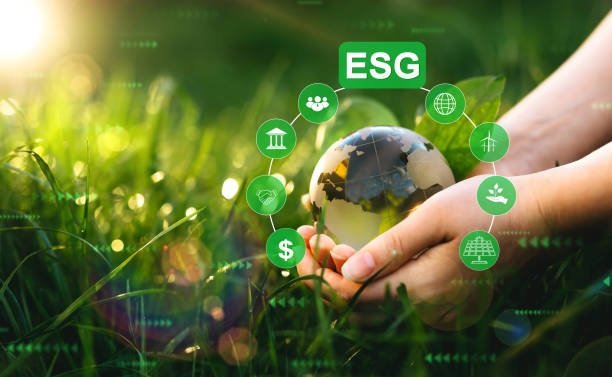
Global Environment, Social, and Governance (ESG): Transforming Industries with Sustainability

Image Credit: iStock

Share Share Share Share
WhatsApp icon
WhatsApp — Join Us
Instant updates & community
Google News icon
Google News — Follow Us
Get our articles in Google News feed

Harm-reduction design is one of the most constructive ways to bring ESG into product reality. It does not mean removing excitement or creativity from digital experiences. It means adding guardrails that help users stay in control, especially during fast moments. Real-time products make the challenge visible because they compress decisions into seconds. A recognizable example is aviator spribe gaming, where outcomes can shift quickly and attention tightens. That same “fast loop” exists in many consumer categories, from one-tap purchases to instant posting and live dashboards. Measuring how well an app supports safe decisions is a modern way to show social responsibility through design, not slogans.

Why Harm-Reduction Belongs in ESG Reporting

ESG is often discussed as policy, audits, and corporate commitments. For consumer apps, ESG can also be observed in the interface itself. The UI is the place where a company’s values meet human behavior. If a product nudges clarity, autonomy, and informed choice, it supports the “S” and “G” in a direct and measurable way.

From a social perspective, harm-reduction features reduce preventable stress and regret. They help users avoid accidental actions, overspending, or impulsive choices that feel good for a moment and frustrating later. From a governance perspective, these features demonstrate responsible decision architecture. They show that growth is not built on confusion or pressure, but on long-term trust.

Admissions Open for BBA in CSR, Sustainability and ESG

These design decisions also align with business outcomes. Fewer disputes. Fewer support escalations. Higher retention. Better brand reputation. In a market where switching apps is easy, trust becomes one of the strongest forms of loyalty.

Harm-reduction design is also scalable. A single guardrail, applied across millions of users, can prevent countless small negative experiences. That is a powerful ESG story because it is concrete and repeatable, not theoretical.

Which UI Patterns Increase Risk in Real-Time Products

Harm-reduction starts with understanding where risk comes from. In many consumer apps, risk is not created by “bad users.” It is created by rushed moments, unclear flows, and interface pressure. Real-time products magnify these factors because they move quickly and deliver constant feedback.

Several UI patterns commonly raise the likelihood of regret:

Urgency cues that narrow attention. Countdown timers, flashing prompts, and “limited time” messaging can be useful for information. They can also trigger reflex decisions when used too aggressively.

Frictionless commits. One-tap actions are convenient, but they can become risky when the action is costly or irreversible. A fast commit needs a matching safety net.

Ambiguous buttons and labels. If “Continue,” “Confirm,” and “Proceed” are used interchangeably, users rely on habit rather than understanding. Habit increases errors when stakes are high.

Layout shifts at the worst time. A banner loads late. A pop-up changes spacing. A button moves just as a user taps. These micro-events are a top source of accidental actions.

Overloaded screens with too many choices. Dense options force users to skim. Skimming is fine for low-stakes browsing, but dangerous for financial or personal decisions.

These patterns do not need to be banned. They need to be balanced. The goal is not to slow the product down. The goal is to prevent the product from turning speed into pressure.

A Measurement Framework: What to Track and How to Interpret It

If harm-reduction is part of ESG, it must be measurable. The most useful approach combines user behavior signals with outcomes that reflect user wellbeing and trust. Measurement should be practical, not academic. It should connect to real product decisions.

A strong framework separates leading indicators from lagging indicators.

Leading indicators show risk developing before it becomes a complaint. They include patterns like rapid reversals, repeated taps, frequent backtracking, or unusually fast confirmation times. These behaviors suggest that the interface may be prompting reflex actions.

Lagging indicators reflect consequences. Support tickets about accidental purchases, refund requests, charge disputes, and account lock issues. These outcomes often arrive after harm has occurred.

Measurement also benefits from context. A spike in fast confirmations may not be negative if the flow is truly clear. A spike in reversals after a new design launch often signals confusion. Trends matter more than single numbers.

A positive ESG lens helps here. The point is not to accuse teams of bad design. The point is to build a learning loop. Measure. Improve. Re-measure. Over time, harm-reduction becomes a product capability, not a one-time fix.

A practical measurement framework can include

  • Regret actions: cancellations, refunds, undo usage, and reversals within short windows.
  • Misclick proxies: multiple taps on the same button, or immediate navigation away from confirmation screens.
  • Friction sensitivity: drop-off rates when a protective step is added.
  • Support and dispute rates: categorized by “accidental action” or “confusion”.
  • Time-to-decision distributions: unusually fast choices for high-stakes actions can indicate pressure.
  • User sentiment: feedback that references feeling rushed, tricked, or unclear.

When these metrics improve, the ESG story becomes stronger. It is not a promise. It is a verified pattern of care.

Design Guardrails That Reduce Harm Without Killing Usability

The most effective harm-reduction features work quietly. They do not add complexity for the sake of caution. They add clarity and control at the precise moment when mistakes are most likely.

Undo windows are one of the most user-friendly guardrails. They keep the experience fast while giving users a short window to correct accidental actions. This approach works well for content posting, messaging actions, and many settings changes.

Meaningful confirmations protect high-stakes decisions. The best confirmations do not rely on generic popups. They restate the action clearly and highlight what changes. They make “Cancel” as easy to find as “Confirm.”

Hold-to-confirm and swipe-to-confirm are strong patterns for irreversible actions. They prevent accidental taps without feeling punishing. They also communicate, through interaction, that the decision matters.

Cooling-off moments can be integrated without drama. A short pause before finalizing a high-cost action. A “Review” step that is structured and clear. A gentle reminder when a behavior pattern suggests impulsive action.

Transparent limits and self-controls are another form of harm reduction. Time reminders. Spending caps. Activity summaries. These features support autonomy. They let users choose boundaries rather than having boundaries imposed on them.

Practical Scorecard for Auditing Consumer Apps

An audit scorecard helps teams translate ESG intentions into actionable checks. It can be used during design reviews, feature launches, and quarterly reporting. It also creates alignment across product, legal, and trust teams.

Below is a practical scorecard that works across many consumer categories. Each point is designed to be observable and testable:

  • Clarity at commit moments: high-stakes actions have specific labels and a clear preview of outcomes.
  • Accidental action protection: irreversible actions include hold, swipe, confirmation, or an undo window.
  • Layout stability: critical buttons do not shift due to late-loading content or pop-ups.
  • Friction is proportional: protective steps appear where stakes are high, not everywhere.
  • User control features exist: limits, reminders, and summaries are available and easy to find.
  • Regret signals are monitored: reversals, cancellations, and disputes are tracked and reviewed after releases.
  • Dark-pattern resistance: prompts do not hide declines or make “Cancel” difficult to choose.

This scorecard can be adapted for ESG reporting. It turns user protection into a measurable design standard. It also helps teams celebrate improvements. Small adjustments that reduce regret can be recognized as meaningful impact.

When ESG Feels Real in the Interface

Harm-reduction design is a positive strategy because it improves both user experience and business stability. It shows that a company takes responsibility for how its product shapes behavior, not only for what the product claims to do.

The best part is that this work does not require sacrificing innovation. Real-time products can still be dynamic, engaging, and modern. They simply become more supportive. They help users make decisions with confidence rather than pressure.

As consumer apps continue to grow into essential tools, the UI becomes a public statement of values. Companies that connect ESG to interface decisions will stand out. They will not only say they care. They will prove it through design patterns, measured outcomes, and a consistent commitment to user control.

(India CSR)
FKCCI
ADVERTISEMENT
Ambedkar Chamber
ADVERTISEMENT
ESG Professional Network
ADVERTISEMENT
India CSR Image 1 India CSR Image 2
Tags: ConsumerESGESG Reporting

CSR, Sustainability, and ESG success stories hindustan zinc
ADVERTISEMENT
India CSR

India CSR

India CSR® is the largest media on CSR and sustainability offering diverse content across multisectoral issues on business responsibility. It covers Sustainable Development, Corporate Social Responsibility (CSR), Sustainability, and related issues in India. Founded in 2009, the organisation aspires to become a globally admired media that offers valuable information to its readers through responsible reporting.

Related Posts

TVS Srinivasan Services Trust Wins Water Positivity Award 2026 at India Sustainability Awards by India CSR®
Sustainability

TVS Srinivasan Services Trust Wins Water Positivity Award 2026 at India Sustainability Awards by India CSR®

3 days ago
Godrej Enterprises Group has reported a 19% rise in the biodiversity index at its Vikhroli campus in FY 2024-25, strengthening its commitment to nature-positive growth. The campus, including its mangrove ecosystem, hosts over 1,500 species of plants, birds, animals, amphibians, reptiles and aquatic fauna.
Sustainability

Godrej Enterprises Group Reports 19% Rise in Biodiversity Index

4 days ago
ESG: Epsilon Carbon Secures INR 100 Crore Sustainability-Linked Funding
Sustainability

Standard Chartered Extends Rs 540 Crore Green Facility to Indorama

3 weeks ago
ESG: India CSR
ESG

Sigenergy Releases 2025 Environmental, Social, and Governance (ESG) Report

3 weeks ago
Hitachi Vantara
Sustainability

Hitachi Vantara FY25 Sustainability Report Highlights Energy-Efficient AI Systems

1 month ago
Balancing Modern Luxury with Environmental Responsibility
Sustainability

Balancing Modern Luxury with Environmental Responsibility

1 month ago
Load More
FKCCI
ADVERTISEMENT
BBA - CSR, Sustainability and ESG, Rungta International Skills University Bhilai
ADVERTISEMENT

LATEST NEWS

Tattva Wellness Spa Opens at Hyatt Place, Vijayawada, Bringing a New Wellness Retreat to Gunadala

CosmoQuick and the Last Job Board You’ll Ever Need to Think About

Yamaha Music India Announces the 7th Edition of Teens Rock 2026 – The Battle of Bands, Powered by Trinity College London

MEDIVOLKS PHARMA Launches Nationwide PCD Franchise Program Empowering Pharma Professionals to Build Their Own Business

Couture and Culture: Urmimala and Snigdha Baruah Elevate Assam on Cannes’ Red Carpet

ImagiNxt 2026, Hosted by Maharashtra Tourism, Brings Together India’s Technology  and Innovation Ecosystem

Ambedkar Chamber
ADVERTISEMENT

TOP NEWS

Godrej Enterprises Group Reports 19% Rise in Biodiversity Index

India’s Land Belongs to Everyone Here’s How We’re Making That Real

Bal Bharat Becomes Only the 2nd Brand in Asia to Earn Informed Protein Certification, Raising the Bar for Supplement Transparency in India

REC to Give ₹1.40 Crore under CSR for ‘Green Innovator Immersive Learning Lab’ Project in Haryana Schools

Awww India Celebrates 10 Years as India’s First & Only Integrated Pregnancy Brand

Where Learning Meets Creativity and Critical Thinking: Inside the Evolving Academic Culture at MATS University

Load More
Ad 1 Ad 2 Ad 3
ADVERTISEMENT
Economy India Largest Media on Indian Economy and Business
ADVERTISEMENT

Interviews

R. Pavithra Kumar, CEO, JSW Foundation
Interviews

Redefining CSR and Driving Sustainable Social Impact: An Interview with R. Pavithra Kumar of JSW Foundation

by Rusen Kumar
April 16, 2026

Exploring impact-driven CSR models focused on skilling, sustainability, and inclusive growth

Read moreDetails
Jyoti Sagar, Founder Trustee, Genesis Foundation

Interview: Jyoti Sagar on 25 Years of Saving Young Lives at Genesis Foundation

April 8, 2026
Satish Singh, Chief People Officer at PNB Housing Finance

Interview: Satish Singh on ESG Leadership and CSR Impact at PNB Housing Finance

April 1, 2026
Ajeet Kumar Singh, Co-Founder and Managing Director of SAVE Solutions

Driving Financial Inclusion: Ajeet Kumar Singh on SAVE Solutions’ Growth Journey

March 30, 2026
Load More
ESG Professional Network
ADVERTISEMENT
STEM Learning STEM Learning STEM Learning
ADVERTISEMENT
Facebook Twitter Youtube LinkedIn Instagram
India CSR Logo

India CSR is the largest tech-led platform for information on CSR and sustainability in India offering diverse content across multisectoral issues. It covers Sustainable Development, Corporate Social Responsibility (CSR), Sustainability, and related issues in India. Founded in 2009, the organisation aspires to become a globally admired media that offers valuable information to its readers through responsible reporting. To enjoy the premium services, we invite you to partner with us.

Follow us on social media:


Dear Valued Reader

India CSR is a free media platform that provides up-to-date information on CSR, Sustainability, ESG, and SDGs. We need reader support to continue delivering honest news. Donations of any amount are appreciated.

Help save India CSR.

Donate Now

Donate at India CSR

  • About India CSR
  • Team
  • India CSR Awards 2026
  • India CSR Leadership Summit
  • Partnership
  • Guest Posts
  • Services
  • ESG Professional Network
  • Content Writing Services
  • Business Information
  • Contact
  • Privacy Policy
  • Terms of Use
  • Donate

Copyright © 2026 - India CSR | All Rights Reserved

No Result
View All Result
  • Home
  • Corporate Social Responsibility
    • Art & Culture
    • CSR Leaders
    • Child Rights
    • Culture
    • Education
    • Gender Equality
    • Around the World
    • Skill Development
    • Safety
    • Covid-19
    • Safe Food For All
  • Sustainability
    • Sustainability Dialogues
    • Sustainability Knowledge Series
    • Plastics
    • Sustainable Development Goals
    • ESG
    • Circular Economy
    • BRSR
  • Corporate Governance
    • Diversity & Inclusion
  • Interviews
  • SDGs
    • No Poverty
    • Zero Hunger
    • Good Health & Well-Being
    • Quality Education
    • Gender Equality
    • Clean Water & Sanitation – SDG 6
    • Affordable & Clean Energy
    • Decent Work & Economic Growth
    • Industry, Innovation & Infrastructure
    • Reduced Inequalities
    • Sustainable Cities & Communities
    • Responsible Consumption & Production
    • Climate Action
    • Life Below Water
    • Life on Land
    • Peace, Justice & Strong Institutions
    • Partnerships for the Goals
  • Articles
  • Events
  • हिंदी
  • More
    • Business
    • Finance
    • Environment
    • Economy
    • Health
    • Around the World
    • Social Sector Leaders
    • Social Entrepreneurship
    • Trending News
      • Important Days
      • Great People
      • Product Review
      • International
      • Sports
      • Entertainment
    • Case Studies
    • Philanthropy
    • Biography
    • Technology
    • Lifestyle
    • Sports
    • Gaming
    • Knowledge
    • Home Improvement
    • Words Power
    • Chief Ministers

Copyright © 2026 - India CSR | All Rights Reserved

This website uses cookies. By continuing to use this website you are giving consent to cookies being used. Visit our Privacy and Cookie Policy.

