

• India CSR Awards 2026
  • India CSR Leadership Summit
  • Guest Posts
Monday, July 27, 2026
India CSR
  • Home
  • Corporate Social Responsibility
    • Art & Culture
    • CSR Leaders
    • Child Rights
    • Culture
    • Education
    • Gender Equality
    • Around the World
    • Skill Development
    • Safety
    • Covid-19
    • Safe Food For All
  • Sustainability
    • Sustainability Dialogues
    • Sustainability Knowledge Series
    • Plastics
    • Sustainable Development Goals
    • ESG
    • Circular Economy
    • BRSR
  • Corporate Governance
    • Diversity & Inclusion
  • Interviews
  • SDGs
    • No Poverty
    • Zero Hunger
    • Good Health & Well-Being
    • Quality Education
    • Gender Equality
    • Clean Water & Sanitation – SDG 6
    • Affordable & Clean Energy
    • Decent Work & Economic Growth
    • Industry, Innovation & Infrastructure
    • Reduced Inequalities
    • Sustainable Cities & Communities
    • Responsible Consumption & Production
    • Climate Action
    • Life Below Water
    • Life on Land
    • Peace, Justice & Strong Institutions
    • Partnerships for the Goals
  • Articles
  • Events
  • हिंदी
  • More
    • Business
    • Finance
    • Environment
    • Economy
    • Health
    • Around the World
    • Social Sector Leaders
    • Social Entrepreneurship
    • Trending News
      • Important Days
        • Festivals
      • Great People
      • Product Review
      • International
      • Sports
      • Entertainment
    • Case Studies
    • Philanthropy
    • Biography
    • Technology
    • Lifestyle
    • Sports
    • Gaming
    • Knowledge
    • Home Improvement
    • Words Power
    • Chief Ministers
No Result
View All Result
  • Home
  • Corporate Social Responsibility
    • Art & Culture
    • CSR Leaders
    • Child Rights
    • Culture
    • Education
    • Gender Equality
    • Around the World
    • Skill Development
    • Safety
    • Covid-19
    • Safe Food For All
  • Sustainability
    • Sustainability Dialogues
    • Sustainability Knowledge Series
    • Plastics
    • Sustainable Development Goals
    • ESG
    • Circular Economy
    • BRSR
  • Corporate Governance
    • Diversity & Inclusion
  • Interviews
  • SDGs
    • No Poverty
    • Zero Hunger
    • Good Health & Well-Being
    • Quality Education
    • Gender Equality
    • Clean Water & Sanitation – SDG 6
    • Affordable & Clean Energy
    • Decent Work & Economic Growth
    • Industry, Innovation & Infrastructure
    • Reduced Inequalities
    • Sustainable Cities & Communities
    • Responsible Consumption & Production
    • Climate Action
    • Life Below Water
    • Life on Land
    • Peace, Justice & Strong Institutions
    • Partnerships for the Goals
  • Articles
  • Events
  • हिंदी
  • More
    • Business
    • Finance
    • Environment
    • Economy
    • Health
    • Around the World
    • Social Sector Leaders
    • Social Entrepreneurship
    • Trending News
      • Important Days
        • Festivals
      • Great People
      • Product Review
      • International
      • Sports
      • Entertainment
    • Case Studies
    • Philanthropy
    • Biography
    • Technology
    • Lifestyle
    • Sports
    • Gaming
    • Knowledge
    • Home Improvement
    • Words Power
    • Chief Ministers
No Result
View All Result
India CSR
No Result
View All Result
Home Business

Sustainable Development Goals- How Does Reducing Plastic Pollution Help Achieve Them?

India CSR by India CSR
November 3, 2025
in Business
Reading Time: 5 mins read
Sustainable Development Goals
Share Share Share Share
WhatsApp icon
WhatsApp — Join Us
Instant updates & community
Google News icon
Google News — Follow Us
Get our articles in Google News feed

Plastic pollution has become one of the world’s most pressing crises that our planet faces today. Plastic waste usually finds its way to oceans, rivers, and landfills, the greatest threat to wildlife. This rubbish enters the human food chain and contributes to climate change, and millions of tons of plastic are wasted every year.

The Sustainable Development Goals stand as a promise of peace, prosperity, and planetary protection through global action. With different, interrelated goals, they focus on issues such as poverty, inequality, access to clean water, sustainable production and consumption, and climate action. Many of these goals are directly threatened by plastic pollution, which is why it is one of the most pressing issues the world needs to overcome.

india csr awards
ADVERTISEMENT

How is Plastic Pollution Related to the Sustainable Development Goals?

Plastics or synthetic polymers are a practical product favoured by many industries because of their easy use and durability. The widespread and irresponsible application has caused catastrophic impacts on our environment. From marine debris to hazardous production and disposal emissions, plastic pollution is a pervasive barrier holding us back from achieving the key Sustainable Development Goals.

Here is where plastic pollution links to some critical SDGs:

1. Fresh Water and Sanitation

Plastic waste also pollutes fresh water, clogging drains and releasing poisonous microplastics into rivers and lakes. This brings a danger to the quality of water and the health of the public, especially in communities without an effective waste disposal strategy.

2. Responsible Consumption and Production

The way we consume plastic has become harmful to us as humans. It connects directly with the efforts to tackle single-use plastics, promote recycling, and ultimately, circular economies. These goals that are attainable would need to be adhered to by industries promoting sustainable packaging and production processes.
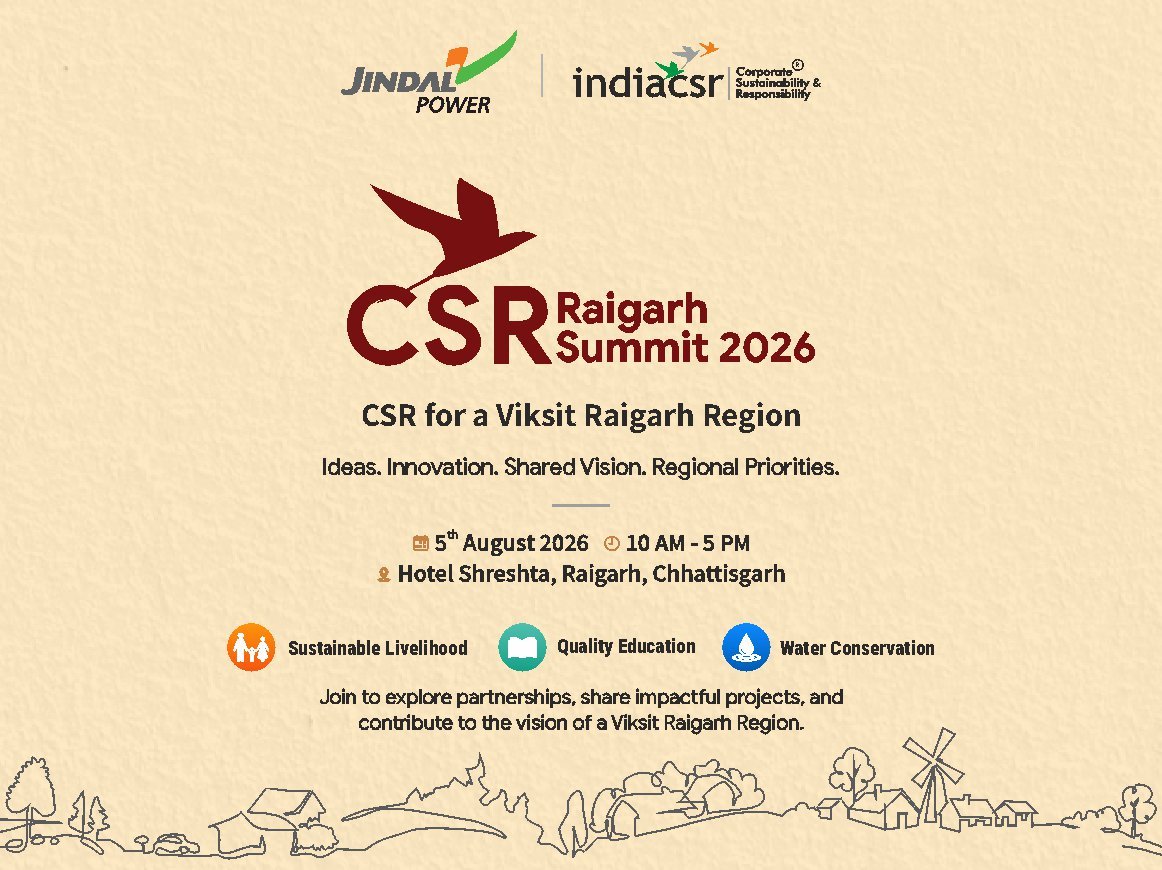
raigarh csr summit
ADVERTISEMENT

3. Climate Action

Greenhouse gas emissions from the production of plastic and its end-of-life incineration are enormous. By reducing plastic usage and promoting the use of sustainable materials, they directly contribute to and mitigate global warming levels.

4. Life Below Water

Plastic pollution looks most stark in our marine ecosystems. Every year, millions of tons of plastic find their way into the oceans, threatening marine animals, killing corals, and poisoning fish. To conserve marine biodiversity, we need to combat ocean plastic waste.

5. Life on Land

Plastics also have a significant influence on terrestrial ecosystems. It seeps into the soil and suffocates the plants and affects the animals. Animals mistake plastic for food, causing harm or even death. Reducing plastic waste contributes to the conservation of biodiversity and the quality of terrestrial soil.

Steps to Take Toward a Plastic-Free Future

Tackling plastic pollution requires action at all levels, such as individual, corporate, and governmental. Here is what we need to do in the direction of a future without plastic:

1. Promoting Circular Economy

The circular economy promotes the diversion of waste from landfills through repurposing, recycling, and product redesign. Such a transition can help reduce environmental pollution as nations are treating plastic waste as a high-value raw material that contributes to the economic prosperity of a nation.

2. Strengthening Waste Management Systems

Plastic pollution is among the top global challenges, and at the heart of the matter is good waste management; It means needing to focus on the infrastructure of new waste management, that is, the collection system, segregation, and recycling by the role of governments and organizations. Separating the plastics at the source gives a far better result for recycling and incentives for households and companies to start doing that.

3. Policy and Regulation

Many countries have already banned single-use plastics. While these efforts are encouraging, they need to be backed by extended producer responsibility (EPR) legislation that holds producers responsible for their products. There can also be significant shifts from policy measures that encourage innovation in compostable, sustainable alternatives.

4. Corporate Responsibility

Reinventing business is key to addressing plastic pollution. Packaging that tweaks the use of recyclable solutions, sustainable packaging, and eco-friendly manufacturing plastic applications further contributes to the worldwide concerted effort. Corporate sustainability initiatives must be transparent and accountable if we are serious about the Sustainable Development Goals (SDGs).

5. Individual Choices Matter

Using more reusable bags, bottles, and containers can help cut down the huge amount of single-use plastics in circulation. Raising awareness about plastic pollution and its implications on the environment and human health will inspire a community spirit.

6. Innovation and Technology

We make the path for better recycling, bioplastics and other new materials technology. Transformative technologies such as AI-powered waste sorting facilities, chemical recycling and plastic-to-fuel conversion are reshaping the way we think of the future of plastic waste. In this respect, stimulating research and innovation in that regard is anybody’s guess, consistent with the SDGs aspiration of a safe, sustainable and future-proofed industrialization.

Why Collaboration is Key?

Plastic pollution is a collective problem that requires collective action. Sometimes governments may create modalities, but industries and individuals are the ones to follow. The interplay among policymakers, business, recyclers, and citizens sets off a domino effect—spurring innovation, pushing education, and changing behavior.

Institutions of learning and Nonprofits have a meaningful role in refining and cultivating sustainable thinking for future generations. Likewise, local governments and social enterprises can also spearhead grassroots movements and be key players in the process of gathering and recycling plastic waste locally.

Final Words

Plastic pollution is not just about managing waste; it is the new way of taking care of the environment–to be sustainable in every way of living. Keeping these efforts with the Sustainable Development Goals can help us all get to a cleaner, safer, and more equitable future.

Innovative recyclers, like Banyan Nation, are helping to bring this change. Banyan Nation is making a significant contribution to the Sustainable Development Goals by developing cutting-edge recycling technologies and sustainable methods which could be applied to recycle these plastics, ultimately reducing plastic waste. Responsible recycling can be part of both the environmental and economic solution, and that growth can be progressive without sacrificing sustainability. We can do this sustainably by going beyond and raising awareness where needed, promoting and implementing innovative solutions together and with everyone involved.


19th India CSR Leadership Summit 2026
India CSR Image 1 India CSR Image 2

CSR, Sustainability, and ESG success stories hindustan zinc
ADVERTISEMENT
India CSR

India CSR

India CSR® is the largest media on CSR and sustainability offering diverse content across multisectoral issues on business responsibility. It covers Sustainable Development, Corporate Social Responsibility (CSR), Sustainability, and related issues in India. Founded in 2009, the organisation aspires to become a globally admired media that offers valuable information to its readers through responsible reporting.

Related Posts

Swiggy Chairman Anand Kripalu
Business

Swiggy Revenue Rises 51%, B2C GOV Reaches Rs. 67,734 Crore

22 hours ago
India CSR
Business

How AI Is Transforming Team Collaboration in 2026

2 days ago
India CSR
Business

Celebrating the Birthday of Dr. Priya Bhalla

2 days ago
India CSR
Business

The New Delhi Kitchen Obsessed With What Happens on the Way to Your Table

2 days ago
India CSR
Business

The Bright Horizons Brings 15+ Years of Expert Care to Children with Autism and Neurological Conditions

2 days ago
India CSR
Business

An IIT Roorkee Alumnus Shares a Cognitive Approach to Competitive Examination Preparation

2 days ago
Load More
indiacsr-awards-2026
ADVERTISEMENT
19th India CSR Leadership Summit 2026
ADVERTISEMENT
CSR Raigarh Summit 2026
ADVERTISEMENT
bba
ADVERTISEMENT

Interviews

Hardeep S. Brar - BMW Group India CEO
Interviews

Skills Are the Starting Line, Jobs Are the Finish Line: BMW Group India CEO Hardeep S. Brar

by India CSR
July 21, 2026

Hardeep S. Brar discussing BMW India Foundation’s youth skill development programme.

Read moreDetails
Dr. Vikas Garg, Chairman, Ebix Group

CSR: Compliance Gives You a Floor, But Purpose Gives You a Legacy: Dr. Vikas Garg, Chairman, Ebix Group

June 29, 2026
Harkirat Kaur, CEO, Hartek Foundation

Building Resilient Communities Through Sustainable Development: Harkirat Kaur, CEO, Hartek Foundation

June 22, 2026
Indu Mehta, Chief Sustainability Officer (CSO) at Bhilwara Energy Limited @IndiaCSR

ESG in India Has Moved Beyond Storytelling: Bhilwara Energy’s Indu Mehta on Sustainability as an Operating Discipline

May 30, 2026
Load More
Ad 1 Ad 2 Ad 3 Ad 4 Ad 5 Ad 6
ADVERTISEMENT

CSR UPDATES

CSR Partnerships to Boost Nutrition and Child Development in Chhattisgarh

ENTOD Pharmaceuticals Honours Six Veer Naris in Mumbai

CSR: ONGC Assam Asset Extends Relief to Flood-Affected Communities Despite Damage to Own Facilities

CSR: Tenneco Clean Air Commits 14,000 Native Saplings

Swiggy Reports No CSR Statutory Spending Obligation in FY 2025-26 Due to Past Losses

CSR: Eureka Forbes Spends Rs. 2.61 Crore in 2025-26

STEM Learning STEM Learning STEM Learning
ADVERTISEMENT
Facebook Twitter Youtube LinkedIn Instagram
India CSR Logo

India CSR is the largest tech-led platform for information on CSR and sustainability in India offering diverse content across multisectoral issues. It covers Sustainable Development, Corporate Social Responsibility (CSR), Sustainability, and related issues in India. Founded in 2009, the organisation aspires to become a globally admired media that offers valuable information to its readers through responsible reporting. To enjoy the premium services, we invite you to partner with us.

Follow us on social media:

Subscribe to Our Newsletter

Don't miss out on the latest updates in corporate social responsibility. Subscribe to our newsletter at indiacsr.in and be part of the positive change.
Please enable JavaScript in your browser to complete this form.
Loading

  • About India CSR
  • Team
  • India CSR Awards 2026
  • India CSR Leadership Summit
  • Partnership
  • Guest Posts
  • Services
  • ESG Professional Network
  • Content Writing Services
  • Business Information
  • Contact
  • Privacy Policy
  • Terms of Use
  • Donate

Copyright © 2026 - India CSR | All Rights Reserved

No Result
View All Result
  • Home
  • Corporate Social Responsibility
    • Art & Culture
    • CSR Leaders
    • Child Rights
    • Culture
    • Education
    • Gender Equality
    • Around the World
    • Skill Development
    • Safety
    • Covid-19
    • Safe Food For All
  • Sustainability
    • Sustainability Dialogues
    • Sustainability Knowledge Series
    • Plastics
    • Sustainable Development Goals
    • ESG
    • Circular Economy
    • BRSR
  • Corporate Governance
    • Diversity & Inclusion
  • Interviews
  • SDGs
    • No Poverty
    • Zero Hunger
    • Good Health & Well-Being
    • Quality Education
    • Gender Equality
    • Clean Water & Sanitation – SDG 6
    • Affordable & Clean Energy
    • Decent Work & Economic Growth
    • Industry, Innovation & Infrastructure
    • Reduced Inequalities
    • Sustainable Cities & Communities
    • Responsible Consumption & Production
    • Climate Action
    • Life Below Water
    • Life on Land
    • Peace, Justice & Strong Institutions
    • Partnerships for the Goals
  • Articles
  • Events
  • हिंदी
  • More
    • Business
    • Finance
    • Environment
    • Economy
    • Health
    • Around the World
    • Social Sector Leaders
    • Social Entrepreneurship
    • Trending News
      • Important Days
      • Great People
      • Product Review
      • International
      • Sports
      • Entertainment
    • Case Studies
    • Philanthropy
    • Biography
    • Technology
    • Lifestyle
    • Sports
    • Gaming
    • Knowledge
    • Home Improvement
    • Words Power
    • Chief Ministers

Copyright © 2026 - India CSR | All Rights Reserved

This website uses cookies. By continuing to use this website you are giving consent to cookies being used. Visit our Privacy and Cookie Policy.
