

A global call to build a barrier-free, compassionate, and inclusive world for persons with disabilities
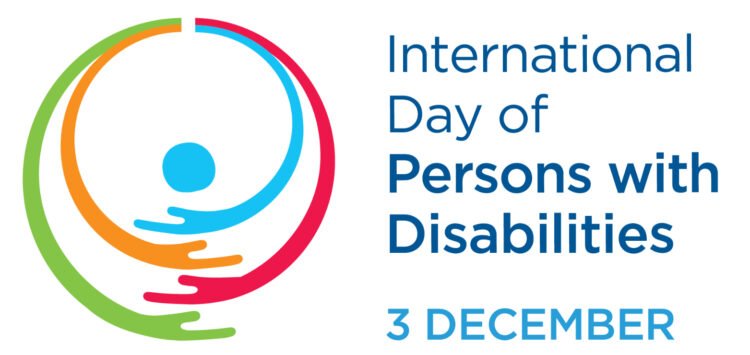
World Disability Day, observed every year on December 3, is a reminder that disability is not a limitation but a form of diversity. It is a day dedicated to promoting inclusion, accessibility, and equal opportunities for more than 1.3 billion persons with disabilities worldwide. The day urges governments, societies, and organisations to ensure that every individual—regardless of ability—can participate fully in social, economic, cultural, and political life.
World Disability Day 2025 focuses on removing barriers, expanding access, and redefining our understanding of human potential. It highlights the urgent need for inclusive policies, community participation, and universal design across systems and services.
Understanding the Meaning of Disability
Disability is not just a medical condition. It is the result of an interaction between a person’s health condition and the barriers present in society. These barriers can be physical, social, attitudinal, or technological.
Small changes in mindset can transform lives. A ramp in a building, a caption on a video, or a flexible workplace can open opportunities for millions. Disability inclusion starts with empathy and understanding.
Theme of World Disability Day 2025
Although the United Nations announces specific themes each year, the spirit remains constant:
Leave No One Behind.
World Disability Day 2025 emphasizes:
- Accessible technologies for all
- Inclusive education and skills development
- Employment opportunities for persons with disabilities
- Community-based rehabilitation and support systems
- Promoting dignity, respect, and independent living
This year highlights the idea that accessibility is not a favour. It is a fundamental human right.

The Global Context: A Call for Universal Inclusion
Across the world, persons with disabilities face multiple challenges. Many lack access to education, healthcare, employment, and public services. Discrimination, stigma, and exclusion often prevent them from reaching their full potential.
Countries are working to implement the UN Convention on the Rights of Persons with Disabilities (CRPD). Yet, progress remains uneven. The world must accelerate its efforts to create inclusive environments, especially in developing nations.
India’s Progress Toward Disability Inclusion
India has taken significant steps to support persons with disabilities. The Rights of Persons with Disabilities Act, 2016 expanded the recognized disability categories from 7 to 21. It strengthened legal protections and mandated accessibility in education, employment, and public infrastructure.
CSR programmes, NGOs, and governments are working on:
- Assistive devices and rehabilitation
- Inclusive classrooms and digital learning tools
- Skill development programmes
- Community-based care
- Support for caregivers and families
Yet, the journey is far from complete. The disability community still requires stronger implementation, better infrastructure, and deeper social acceptance.
Digital Inclusion: Technology as an Enabler
Technology can empower persons with disabilities. It can break barriers and create opportunities.
Accessible tools include:
- Screen readers
- Voice-based assistants
- AI-powered learning platforms
- Digital accessibility features
- Adaptive devices for mobility or communication
Companies are now integrating accessibility into product design. However, digital inclusion must become universal, not optional.
Education for All: Building Inclusive Classrooms
Education is the foundation of empowerment. Inclusive classrooms ensure that children with disabilities learn alongside their peers. This approach builds confidence and reduces discrimination.
Teachers need training in inclusive pedagogy. Schools require accessible infrastructure. Learning materials must be available in multiple formats—Braille, audio, sign language, or simplified text. Only then can children with disabilities enjoy equal opportunities and grow into independent adults.
Employment and Economic Empowerment
Persons with disabilities often face discrimination in the job market. Many employers underestimate their capabilities. Yet studies show that persons with disabilities bring resilience, creativity, and commitment to the workplace.
Companies must adopt:
- Inclusive hiring practices
- Accessible workspaces
- Assistive technologies
- Sensitization programmes for employees
Inclusive employment is not charity. It is smart economics.
Building Accessible Infrastructure
Accessibility is a cornerstone of dignity. Public spaces, transport systems, hospitals, and offices must be designed to include everyone.
An accessible city has:
- Ramps and elevators
- Tactile pathways
- Accessible public transport
- Sign language interpreters
- Clear signage and audio announcements
Accessibility benefits everyone—older persons, children, expectant mothers, and people with temporary disabilities as well.
Changing Attitudes: The Heart of Inclusion
Physical barriers can be removed by money.
Attitudinal barriers can only be removed by compassion.
Society must shift from charity to rights, from sympathy to respect. Persons with disabilities are not objects of pity. They are equal citizens with dreams, talents, and aspirations. True inclusion comes when society recognises their strengths rather than their limitations.
Role of Families and Communities
Families play a central role in support and empowerment. Communities must encourage participation, celebrate achievements, and create safe environments.
Community-based rehabilitation enables independent living and social inclusion. Inclusion begins at home, in the neighbourhood, and in the local school.
Conclusion: Towards a More Inclusive Tomorrow
World Disability Day reminds us that inclusion is a shared responsibility. Governments, businesses, educational institutions, NGOs, and citizens must work together to build a world where every individual feels valued and empowered.
A disability does not define a person. Barriers do.
When we remove these barriers, every person can live with dignity, freedom, and opportunity.
On this World Disability Day 2025, let us commit to creating a society that truly leaves no one behind.
(India CSR)