

• India CSR Awards 2026
  • India CSR Leadership Summit
  • Guest Posts
Thursday, August 27, 2026
India CSR
  • Home
  • Corporate Social Responsibility
    • Art & Culture
    • CSR Leaders
    • Child Rights
    • Culture
    • Education
    • Gender Equality
    • Around the World
    • Skill Development
    • Safety
    • Covid-19
    • Safe Food For All
  • Sustainability
    • Sustainability Dialogues
    • Sustainability Knowledge Series
    • Plastics
    • Sustainable Development Goals
    • ESG
    • Circular Economy
    • BRSR
  • Corporate Governance
    • Diversity & Inclusion
  • Interviews
  • SDGs
    • No Poverty
    • Zero Hunger
    • Good Health & Well-Being
    • Quality Education
    • Gender Equality
    • Clean Water & Sanitation – SDG 6
    • Affordable & Clean Energy
    • Decent Work & Economic Growth
    • Industry, Innovation & Infrastructure
    • Reduced Inequalities
    • Sustainable Cities & Communities
    • Responsible Consumption & Production
    • Climate Action
    • Life Below Water
    • Life on Land
    • Peace, Justice & Strong Institutions
    • Partnerships for the Goals
  • Articles
  • Events
  • हिंदी
  • More
    • Business
    • Finance
    • Environment
    • Economy
    • Health
    • Around the World
    • Social Sector Leaders
    • Social Entrepreneurship
    • Trending News
      • Important Days
        • Festivals
      • Great People
      • Product Review
      • International
      • Sports
      • Entertainment
    • Case Studies
    • Philanthropy
    • Biography
    • Technology
    • Lifestyle
    • Sports
    • Gaming
    • Knowledge
    • Home Improvement
    • Words Power
    • Chief Ministers
No Result
View All Result
  • Home
  • Corporate Social Responsibility
    • Art & Culture
    • CSR Leaders
    • Child Rights
    • Culture
    • Education
    • Gender Equality
    • Around the World
    • Skill Development
    • Safety
    • Covid-19
    • Safe Food For All
  • Sustainability
    • Sustainability Dialogues
    • Sustainability Knowledge Series
    • Plastics
    • Sustainable Development Goals
    • ESG
    • Circular Economy
    • BRSR
  • Corporate Governance
    • Diversity & Inclusion
  • Interviews
  • SDGs
    • No Poverty
    • Zero Hunger
    • Good Health & Well-Being
    • Quality Education
    • Gender Equality
    • Clean Water & Sanitation – SDG 6
    • Affordable & Clean Energy
    • Decent Work & Economic Growth
    • Industry, Innovation & Infrastructure
    • Reduced Inequalities
    • Sustainable Cities & Communities
    • Responsible Consumption & Production
    • Climate Action
    • Life Below Water
    • Life on Land
    • Peace, Justice & Strong Institutions
    • Partnerships for the Goals
  • Articles
  • Events
  • हिंदी
  • More
    • Business
    • Finance
    • Environment
    • Economy
    • Health
    • Around the World
    • Social Sector Leaders
    • Social Entrepreneurship
    • Trending News
      • Important Days
        • Festivals
      • Great People
      • Product Review
      • International
      • Sports
      • Entertainment
    • Case Studies
    • Philanthropy
    • Biography
    • Technology
    • Lifestyle
    • Sports
    • Gaming
    • Knowledge
    • Home Improvement
    • Words Power
    • Chief Ministers
No Result
View All Result
India CSR
No Result
View All Result
Home Around the World

US Will Stay Out of India-Pakistan Conflict, Says Vice President JD Vance

Vance Urges De-escalation but Rules Out US Military Role in India-Pakistan Tensions

India CSR by India CSR
May 10, 2025
in Around the World
Reading Time: 6 mins read
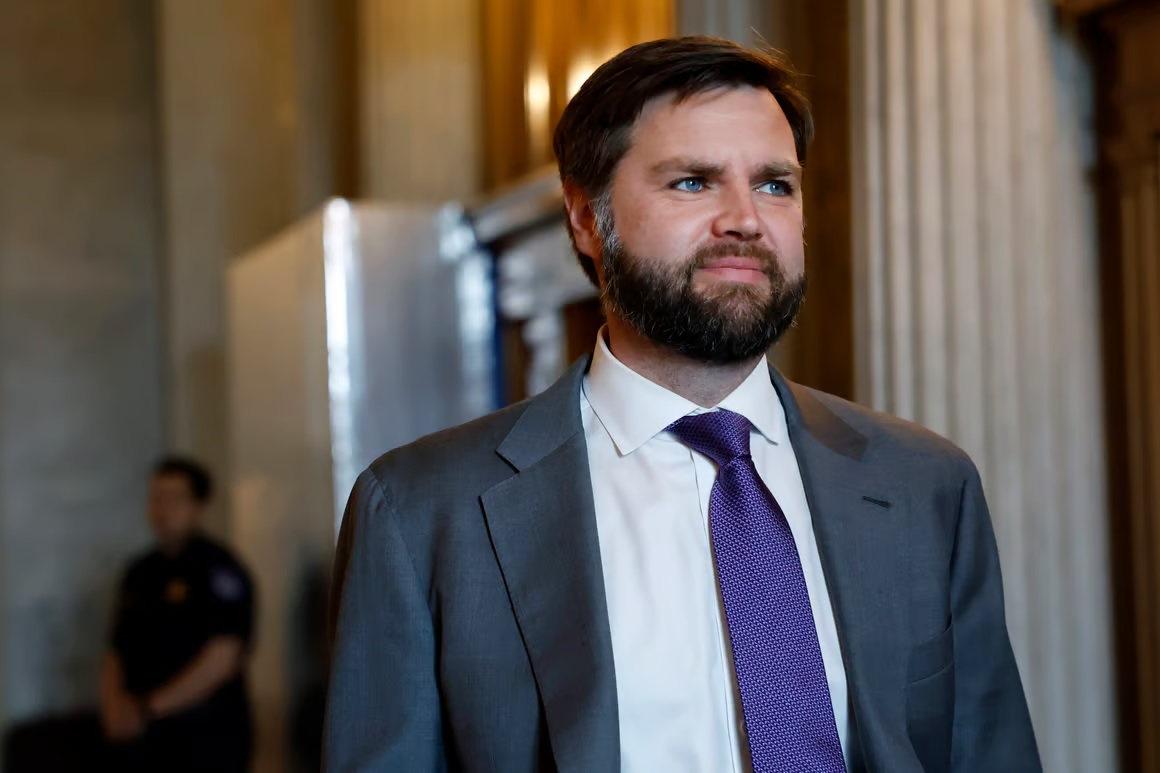
Vice President JD Vance
Share Share Share Share
WhatsApp icon
WhatsApp — Join Us
Instant updates & community
Google News icon
Google News — Follow Us
Get our articles in Google News feed
india csr awards
ADVERTISEMENT

In a world where global conflicts often draw international attention, the recent escalation between India and Pakistan has raised concerns about regional stability. On May 8, 2025, US Vice President JD Vance made a bold statement, emphasizing that the United States will not intervene militarily in the ongoing India-Pakistan conflict, calling it “fundamentally none of our business.” His remarks, delivered during an interview on Fox News’ The Story with Martha MacCallum (Reuters), reflect the Trump administration’s “America First” foreign policy, prioritizing diplomatic encouragement over direct involvement. As tensions between the two nuclear-armed nations intensify, Vance’s stance has sparked discussions about the US’s role in South Asian geopolitics and its broader implications for global security.

Vance’s Clear Stance on Non-Intervention

During his appearance on Fox News on May 8, 2025, Vice President JD Vance addressed the escalating tensions between India and Pakistan with a clear message: the US will not get involved militarily. “We want this thing to de-escalate as quickly as possible. We can’t control these countries, though,” Vance stated (The Guardian). He further elaborated, “What we can do is try to encourage these folks to de-escalate a little bit, but we’re not going to get involved in the middle of a war that’s fundamentally none of our business and has nothing to do with America’s ability to control it.” This position underscores the administration’s view that India and Pakistan, as sovereign nuclear powers, must manage their own conflicts, with the US limited to offering diplomatic support.
19th India CSR Leadership Summit 2026
ADVERTISEMENT

Vance’s comments highlight a pragmatic acknowledgment of the US’s limited influence in the region. “America can’t tell the Indians to lay down their arms. We can’t tell the Pakistanis to lay down their arms,” he noted, emphasizing the sovereignty of both nations (NPR). This stance aligns with earlier remarks Vance made during a visit to India in April 2025, where he supported India’s right to counter terrorism but cautioned against actions that could lead to broader conflict (Newsweek).

The Roots of the Current Conflict

The latest escalation in the decades-old India-Pakistan rivalry began on April 22, 2025, when Islamist militants killed 26 people in a brutal attack in India-administered Kashmir. India quickly attributed the attack to Pakistan-based militants, a claim Islamabad denied, calling for a neutral probe (Hindustan Times). In response, India launched Operation Sindoor on May 7, targeting what it described as “terrorist infrastructure” in Pakistan and Pakistan-occupied Kashmir (PoK). Pakistan retaliated with a coordinated assault involving drones, missiles, and heavy artillery, targeting both civilian and military areas across the border (India Today).

The two days of clashes have resulted in nearly 50 casualties, with both sides accusing each other of unprovoked aggression. Pakistan’s defense minister, Khawaja Asif, warned that further retaliation was “increasingly certain,” while India vowed to defend its sovereignty at all costs. The involvement of advanced weaponry, including drones and missile interceptions, has heightened fears of a broader regional conflict, particularly given the nuclear capabilities of both nations.

US Diplomatic Efforts to Encourage De-escalation

While Vance ruled out military involvement, the US has not remained entirely passive. On May 8, 2025, Secretary of State Marco Rubio held separate calls with Pakistan’s Prime Minister Shehbaz Sharif and India’s External Affairs Minister S. Jaishankar, urging both nations to de-escalate and engage in direct dialogue. The State Department has condemned terrorism and called for a “responsible solution” to the crisis, emphasizing the need to hold perpetrators accountable (Reuters).

President Donald Trump also addressed the situation, describing the escalating tensions as “a shame” on May 7, 2025. “I hope they stop now after going ‘tit-for-tat,’” Trump stated, expressing hope for a peaceful resolution (Fox News). These diplomatic efforts reflect the US’s commitment to supporting de-escalation, even as it maintains a non-interventionist stance.

Geopolitical Context and Strategic Priorities

Vance’s remarks come at a time when the US is navigating multiple global challenges, including Russia’s war in Ukraine and Israel’s conflict in Gaza. Analysts suggest that these commitments may limit Washington’s capacity to engage deeply in South Asian tensions. “The US has historically played a mediating role in India-Pakistan conflicts, but current priorities elsewhere may leave the two nations to manage this crisis independently,” a former US diplomat noted (NPR). This shift has opened the door for other regional players, such as Saudi Arabia and Iran, to potentially mediate, altering the geopolitical dynamics in South Asia.

India remains a critical partner for the US in countering China’s growing influence in the Indo-Pacific, while Pakistan, though a diminished ally since the US withdrawal from Afghanistan in 2021, retains strategic importance. Vance’s earlier statements in April 2025, during a visit to the Rajasthan International Centre in Jaipur, emphasized the need for Pakistan to cooperate with India against terrorism, indicating a balanced approach to maintaining relations with both nations (Bloomberg).

The Human Toll and Global Stakes

The conflict’s human cost is significant, with nearly 50 lives lost in the recent clashes, affecting both civilians and military personnel. The fear of a broader conflict, potentially involving nuclear weapons, looms large, raising concerns about regional stability and global security. As two of the world’s most populous nations, any escalation could have devastating consequences, not just for South Asia but for the global community. The international community, including the US, is keenly aware of these stakes and is calling for restraint and dialogue to prevent a catastrophic outcome.

Reactions and Implications

Vance’s non-interventionist stance has elicited varied reactions. Some experts argue that it provides India and Pakistan with the autonomy to resolve their differences, potentially encouraging direct negotiations. “The US stepping back could push both nations to take responsibility for de-escalation,” a geopolitical analyst suggested. However, others warn that the absence of US mediation could embolden escalatory actions, particularly given the nuclear capabilities of both nations. “Vance’s comments signal a departure from decades of US involvement in South Asia, which could benefit adversaries like China,” an MSNBC analysis noted (Indian Express).

Cultural and diplomatic ties, such as shared media and border ceremonies, have historically served as mechanisms to ease tensions between India and Pakistan. Yet, unresolved issues, particularly over Kashmir, continue to fuel mistrust. The recent clashes underscore the fragility of the region’s stability, with both nations deploying advanced military technology.

Historical US Role in India-Pakistan Conflicts

YearEventUS Role
1999Kargil WarPresident Clinton mediated, urging Pakistan to withdraw forces.
2001-2002Parliament Attack CrisisUS diplomatic pressure helped de-escalate tensions.
2019Pulwama AttackUS supported India’s right to self-defense but urged restraint.
2025Current ConflictUS rules out military involvement, focuses on diplomacy (Reuters).

This table illustrates the US’s evolving role, from active mediation to a more restrained approach in 2025, reflecting changing global priorities.

Looking Ahead: A Call for Restraint

As the world watches the unfolding crisis, Vice President Vance’s message is clear: the US will support de-escalation through diplomacy but will not be drawn into a conflict it views as outside its purview. “Our hope and expectation is that this does not spiral into a broader regional war or, God forbid, a nuclear conflict,” Vance reiterated (India Today). The responsibility now lies with India and Pakistan to navigate their differences and prevent a catastrophic escalation.

The coming days will test the diplomatic resolve of both nations and the effectiveness of global efforts to prevent a crisis with far-reaching consequences. For now, the international community, including the US, is urging restraint while closely monitoring the situation.

(India CSR)

Tags: India-Pakistan ConflictUS Vice President JD Vance
India CSR Image 1 India CSR Image 2

CSR, Sustainability, and ESG success stories hindustan zinc
ADVERTISEMENT
India CSR

India CSR

India CSR® is the largest media on CSR and sustainability offering diverse content across multisectoral issues on business responsibility. It covers Sustainable Development, Corporate Social Responsibility (CSR), Sustainability, and related issues in India. Founded in 2009, the organisation aspires to become a globally admired media that offers valuable information to its readers through responsible reporting.

Related Posts

US Ambassador to India Sergio Gor
USA

India-US Ties at a Defining Moment as Bilateral Investment Surges to $240 Billion: US Ambassador Sergio Gor

India CSR
Around the World

Lakshmi Mittal-Owned ArcelorMittal Plant in Ukraine Hit by Russian Missile Strike; 2 Killed

Nuclear Power Reactors
India

India Targets 100 GW Nuclear Power Capacity With Five New Nuclear Reactors

Power of Artificial Intelligence (AI) in Education
India

India Plans AI Skills for One Crore Youth in One Year

Global Capability Centres
India

India aims to host 5,000 Global Capability Centres by 2030

India CSR
Around the World

Countries Agree to Scale Solar Power, Storage and Clean Energy Cooperation at ISA Meet

Load More
bba
ADVERTISEMENT

Interviews

Akanksha Sharma, Vice President – Sustainability, Subcontinent, Central Asia, Levant and; Egypt DP World
Interviews

DP World’s Sustainability Strategy: Building Greener, Inclusive Logistics in India

by India CSR

Responsible leadership means taking a long-term view, acting with transparency and ensuring that growth creates value for people, communities and...

Read moreDetails
Dr. V.K. Raju

Every Premature Baby Deserves the Right to Sight: Dr. V.K. Raju, Chairman, Goutami Eye Institute & Founder, Eye Foundation of America

India CSR Interview with George Muthoot George, Deputy Managing Director of Muthoot Finance

Muthoot Finance CSR Is About Empowerment, Not Dependency: George Muthoot George

Hardeep S. Brar - BMW Group India CEO

Skills Are the Starting Line, Jobs Are the Finish Line: BMW Group India CEO Hardeep S. Brar

Load More
Ad 1 Ad 2 Ad 3 Ad 4 Ad 5 Ad 6
ADVERTISEMENT

CSR UPDATES

FincFriends Reinforces Commitment to Inclusive Growth Through Multi-Sector CSR Programme

CSR: M3M Foundation Turns Commonwealth Games Glory into a Green Legacy Across Gurugram

From Vyaapaar to VyaPower: How M3M Foundation is Enabling Women to Create Opportunities

Chhattisgarh: Vedanta Power CSR Project Aarogya Benefits 4,600 Villagers in Sakti

REC Holds 57th AGM, Unveils 3rd ESG Report and FY26 Financial Performance

CSR: DBS Bank India Commits Rs 10 Crore to Expand MITTI Café Across India

STEM Learning STEM Learning STEM Learning
ADVERTISEMENT
Facebook Twitter Youtube LinkedIn Instagram
India CSR Logo

India CSR is the largest tech-led platform for information on CSR and sustainability in India offering diverse content across multisectoral issues. It covers Sustainable Development, Corporate Social Responsibility (CSR), Sustainability, and related issues in India. Founded in 2009, the organisation aspires to become a globally admired media that offers valuable information to its readers through responsible reporting. To enjoy the premium services, we invite you to partner with us.

Follow us on social media:

Subscribe to Our Newsletter

Don't miss out on the latest updates in corporate social responsibility. Subscribe to our newsletter at indiacsr.in and be part of the positive change.
Please enable JavaScript in your browser to complete this form.
Loading

  • About India CSR
  • Team
  • India CSR Awards 2026
  • India CSR Leadership Summit
  • Partnership
  • Guest Posts
  • Services
  • ESG Professional Network
  • Content Writing Services
  • Business Information
  • Contact
  • Privacy Policy
  • Terms of Use
  • Donate

Copyright © 2026 - India CSR | All Rights Reserved

18th CSR Leadership Summit 2026
APPLY NOW
No Result
View All Result
  • Home
  • Corporate Social Responsibility
    • Art & Culture
    • CSR Leaders
    • Child Rights
    • Culture
    • Education
    • Gender Equality
    • Around the World
    • Skill Development
    • Safety
    • Covid-19
    • Safe Food For All
  • Sustainability
    • Sustainability Dialogues
    • Sustainability Knowledge Series
    • Plastics
    • Sustainable Development Goals
    • ESG
    • Circular Economy
    • BRSR
  • Corporate Governance
    • Diversity & Inclusion
  • Interviews
  • SDGs
    • No Poverty
    • Zero Hunger
    • Good Health & Well-Being
    • Quality Education
    • Gender Equality
    • Clean Water & Sanitation – SDG 6
    • Affordable & Clean Energy
    • Decent Work & Economic Growth
    • Industry, Innovation & Infrastructure
    • Reduced Inequalities
    • Sustainable Cities & Communities
    • Responsible Consumption & Production
    • Climate Action
    • Life Below Water
    • Life on Land
    • Peace, Justice & Strong Institutions
    • Partnerships for the Goals
  • Articles
  • Events
  • हिंदी
  • More
    • Business
    • Finance
    • Environment
    • Economy
    • Health
    • Around the World
    • Social Sector Leaders
    • Social Entrepreneurship
    • Trending News
      • Important Days
      • Great People
      • Product Review
      • International
      • Sports
      • Entertainment
    • Case Studies
    • Philanthropy
    • Biography
    • Technology
    • Lifestyle
    • Sports
    • Gaming
    • Knowledge
    • Home Improvement
    • Words Power
    • Chief Ministers

Copyright © 2026 - India CSR | All Rights Reserved

This website uses cookies. By continuing to use this website you are giving consent to cookies being used. Visit our Privacy and Cookie Policy.
