

• India CSR Awards 2025
  • India CSR Leadership Summit
  • Guest Posts
Saturday, December 20, 2025
India CSR
  • Home
  • Corporate Social Responsibility
    • Art & Culture
    • CSR Leaders
    • Child Rights
    • Culture
    • Education
    • Gender Equality
    • Around the World
    • Skill Development
    • Safety
    • Covid-19
    • Safe Food For All
  • Sustainability
    • Sustainability Dialogues
    • Sustainability Knowledge Series
    • Plastics
    • Sustainable Development Goals
    • ESG
    • Circular Economy
    • BRSR
  • Corporate Governance
    • Diversity & Inclusion
  • Interviews
  • SDGs
    • No Poverty
    • Zero Hunger
    • Good Health & Well-Being
    • Quality Education
    • Gender Equality
    • Clean Water & Sanitation – SDG 6
    • Affordable & Clean Energy
    • Decent Work & Economic Growth
    • Industry, Innovation & Infrastructure
    • Reduced Inequalities
    • Sustainable Cities & Communities
    • Responsible Consumption & Production
    • Climate Action
    • Life Below Water
    • Life on Land
    • Peace, Justice & Strong Institutions
    • Partnerships for the Goals
  • Articles
  • Events
  • हिंदी
  • More
    • Business
    • Finance
    • Environment
    • Economy
    • Health
    • Around the World
    • Social Sector Leaders
    • Social Entrepreneurship
    • Trending News
      • Important Days
        • Festivals
      • Great People
      • Product Review
      • International
      • Sports
      • Entertainment
    • Case Studies
    • Philanthropy
    • Biography
    • Technology
    • Lifestyle
    • Sports
    • Gaming
    • Knowledge
    • Home Improvement
    • Words Power
    • Chief Ministers
No Result
View All Result
  • Home
  • Corporate Social Responsibility
    • Art & Culture
    • CSR Leaders
    • Child Rights
    • Culture
    • Education
    • Gender Equality
    • Around the World
    • Skill Development
    • Safety
    • Covid-19
    • Safe Food For All
  • Sustainability
    • Sustainability Dialogues
    • Sustainability Knowledge Series
    • Plastics
    • Sustainable Development Goals
    • ESG
    • Circular Economy
    • BRSR
  • Corporate Governance
    • Diversity & Inclusion
  • Interviews
  • SDGs
    • No Poverty
    • Zero Hunger
    • Good Health & Well-Being
    • Quality Education
    • Gender Equality
    • Clean Water & Sanitation – SDG 6
    • Affordable & Clean Energy
    • Decent Work & Economic Growth
    • Industry, Innovation & Infrastructure
    • Reduced Inequalities
    • Sustainable Cities & Communities
    • Responsible Consumption & Production
    • Climate Action
    • Life Below Water
    • Life on Land
    • Peace, Justice & Strong Institutions
    • Partnerships for the Goals
  • Articles
  • Events
  • हिंदी
  • More
    • Business
    • Finance
    • Environment
    • Economy
    • Health
    • Around the World
    • Social Sector Leaders
    • Social Entrepreneurship
    • Trending News
      • Important Days
        • Festivals
      • Great People
      • Product Review
      • International
      • Sports
      • Entertainment
    • Case Studies
    • Philanthropy
    • Biography
    • Technology
    • Lifestyle
    • Sports
    • Gaming
    • Knowledge
    • Home Improvement
    • Words Power
    • Chief Ministers
No Result
View All Result
India CSR
No Result
View All Result
17th India CSR Summit
ADVERTISEMENT
Home Essay

Essay on Silver Economy for Students

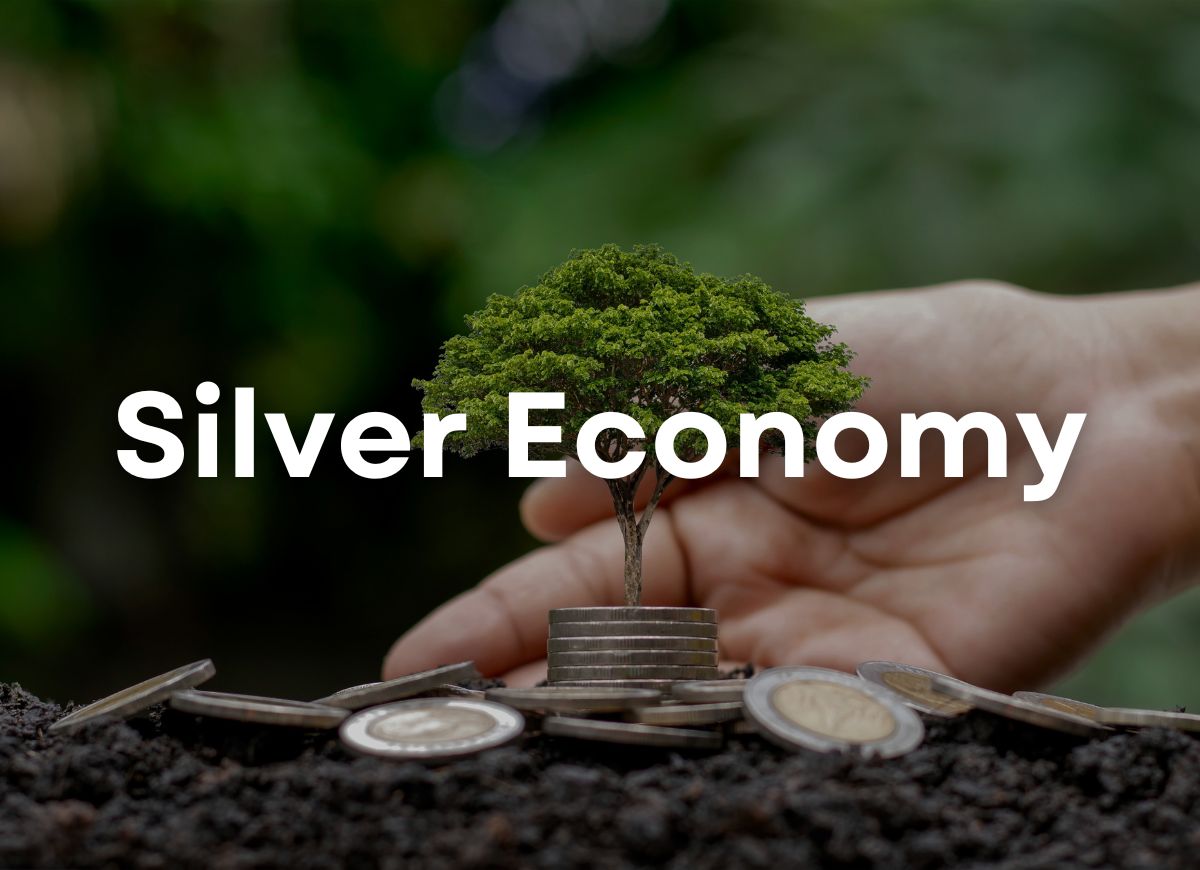
The silver economy is a concept that reflects the economic potential and impact of the ageing population in the world.

India CSR by India CSR
October 25, 2023
in Essay
Reading Time: 6 mins read
Silver Economy
Share Share Share Share
WhatsApp icon
WhatsApp — Join Us
Instant updates & community
Google News icon
Google News — Follow Us
Get our articles in Google News feed

Silver Economy: The Economic Potential of the Ageing Population

The silver economy is a term that refers to the economic activities, products and services that are designed to meet the needs and preferences of people over 50 years old. This segment of the population is also known as the “silver generation” or the “silver market”, due to their grey hair and their significant purchasing power1. The silver economy is not a separate market, but rather a cross-cutting concept that affects various sectors and industries, such as health, housing, transport, tourism, leisure, education, finance, insurance, technology and innovation. The silver economy also includes the contribution of older people to the economy as workers, entrepreneurs, volunteers and caregivers.
The silver economy is a phenomenon that is driven by the demographic changes in the world, especially the increase in life expectancy and the decrease in birth rate. According to the United Nations, the global population aged 60 years or over was 962 million in 2017, representing 13% of the total population. This number is projected to increase to 1.4 billion in 2030 and 2.1 billion in 2050. In some regions, such as Europe and North America, the share of older people is even higher, reaching 25% and 22% respectively in 2017. These trends imply that there are more and more older people and less young people, which has implications for the economy and society.

The silver economy is a concept that captures the economic potential and impact of the ageing population in the world. It is characterized by a large, diverse, influential and innovative market that affects various sectors and industries. It plays a vital role in supporting economic growth, social inclusion and environmental sustainability.

Characteristics of the Silver Economy

The silver economy is characterized by several features that make it an attractive and dynamic market for businesses and policymakers. Some of these features are:

  • It is large and growing. The silver generation represents a huge market opportunity for businesses that can offer products and services that suit their needs and preferences. According to some estimates, the global spending power of people over 50 was $15 trillion in 2020, and it is expected to reach $28.2 trillion by 2050. Moreover, the silver economy can generate employment opportunities for both young and old workers, as well as stimulate innovation and entrepreneurship.
  • It is diverse and heterogeneous. The silver generation is not a homogeneous group, but rather a diverse and complex one that varies in terms of age, income, education, health, lifestyle, preferences and expectations. Therefore, the silver economy requires a tailored and personalized approach that takes into account the different needs and wants of different segments of older consumers. For example, some older people may be active and healthy, while others may have chronic conditions or disabilities. Some may be tech-savvy and adventurous, while others may be more conservative and traditional.
  • It is influential and demanding. The silver generation has a significant influence on the economy and society, as they have accumulated wealth, experience and knowledge over their lifetimes. They also have high expectations and demands for quality, convenience, accessibility, sustainability and social responsibility in the products and services they consume. They are not passive recipients of goods and services, but active participants in the economy who seek to maintain their autonomy, dignity and well-being.
  • It is innovative and dynamic. The silver economy is a source of innovation and dynamism for the economy and society, as it stimulates the development of new products, services and solutions that cater to the specific needs and preferences of older people. These innovations can also benefit other segments of the population and create positive spillover effects for other sectors and industries. For example, technologies such as telemedicine, smart homes, wearable devices and assistive robots can improve the quality of life and health of older people, as well as reduce costs and increase efficiency for health care providers.

Examples of Sectors Affected by the Silver Economy

The silver economy affects various sectors and industries that offer products and services for older people or that are influenced by their consumption patterns. Some examples of these sectors are:

  • Health care. Health care is one of the most important sectors for the silver economy, as older people tend to have higher health care needs than younger people. The health care sector includes both public and private providers of medical services, pharmaceuticals, medical devices, diagnostics, preventive care, wellness programs, etc. The silver economy can create opportunities for innovation in this sector by developing new solutions that can improve health outcomes, quality of life, and access to care for older people. For example, telemedicine can enable remote diagnosis, monitoring, and treatment of patients, reducing travel costs and waiting times.
  • Housing. Housing is another key sector for the silver economy, as older people have specific housing needs and preferences that differ from those of younger people. The housing sector includes both public and private providers of housing options, such as independent living, assisted living, nursing homes, cohousing, etc. The silver economy can create opportunities for innovation in this sector by developing new solutions that can enhance the comfort, safety, accessibility, and affordability of housing for older people. For example, smart homes can use sensors, devices, and applications to automate and control various aspects of the home environment, such as lighting, temperature, security, entertainment, etc.
  • Transport. Transport is another essential sector for the silver economy, as older people have different mobility needs and preferences than younger people. The transport sector includes both public and private providers of transport modes, such as cars, buses, trains, planes, etc. The silver economy can create opportunities for innovation in this sector by developing new solutions that can improve the convenience, safety, reliability, and sustainability of transport for older people. For example, autonomous vehicles can provide self-driving options for older people who may have difficulties or limitations in driving themselves.
  • Tourism. Tourism is another important sector for the silver economy, as older people have more time and money to travel than younger people. The tourism sector includes both public and private providers of tourism products and services, such as hotels, restaurants, attractions, tours, etc. The silver economy can create opportunities for innovation in this sector by developing new solutions that can cater to the specific interests, needs, and preferences of older travelers. For example, senior-friendly tourism can offer customized packages, accessible facilities, and specialized guides for older tourists.

Conclusion

The silver economy is a concept that reflects the economic potential and impact of the ageing population in the world. It is characterized by a large, diverse, influential and innovative market that affects various sectors and industries. It plays a vital role in supporting economic growth, social inclusion and environmental sustainability. The silver economy offers opportunities and challenges for businesses and policymakers who need to adapt to the changing needs and preferences of older consumers. The silver economy also requires a collaborative and multidisciplinary approach that involves different stakeholders, such as governments, businesses, civil society organizations, and older people themselves.

Also Read:
  • Silver Economy: The Definition, Characteristics, Role and Impact Explained
  • Silver Economy: The Economic Power of the Elderly
17th India CSR Summit
ADVERTISEMENT
ESG Professional Network
ADVERTISEMENT
India CSR Image 1 India CSR Image 2
India Sustainability Awards 2026 India Sustainability Awards 2026
Tags: Silver Economy

CSR, Sustainability, and ESG success stories hindustan zinc
ADVERTISEMENT
India CSR

India CSR

India CSR is the largest media on CSR and sustainability offering diverse content across multisectoral issues on business responsibility. It covers Sustainable Development, Corporate Social Responsibility (CSR), Sustainability, and related issues in India. Founded in 2009, the organisation aspires to become a globally admired media that offers valuable information to its readers through responsible reporting.

Related Posts

Viksit Bharat
Essay

Essay on Viksit Bharat: A Vision for a Developed India

1 year ago
World Laughter Day
Essay

Essay on World Laughter Day for Students

2 years ago
National Hot Chocolate Day
Essay

Essay on National Hot Chocolate Day for Students

2 years ago
National Girl Child Day
Essay

Essay on National Girl Child Day for Students

2 years ago
Essay

Essay on Ayodhya Ram Mandir for Students

2 years ago
Republic Day
Essay

Essay on Republic Day for Students on 26th January

2 years ago
Load More
17th india csr summit
ADVERTISEMENT
India Sustainability Awards 2026
ADVERTISEMENT

LATEST NEWS

IIDE Partners with NASSCOM to Build India’s AI Talent

SoulAce Hosts SEVA Summit 2025 for CSR, HR & ESG Leaders in Mumbai

WCAA Announces Global Development Program (GDP) with USD 1 Million Commitment to Advance Education Worldwide

IBM Commits to Skill 5 Million Indian Youth in AI, Cybersecurity & Quantum by 2030

PayU Advances CSR in 2025 with Digital Safety and Sustainable Livelihoods

Delhi Airport Cuts Emissions 97% with 100% Green Energy

Ad 1 Ad 2 Ad 3
ADVERTISEMENT
ESG Professional Network
ADVERTISEMENT

TOP NEWS

Welspun Inaugurates World’s Largest Towel Plant in Gujarat

Madhav Anuragi Ji’s Presence Draws Massive Devotee Gathering at Har Kameshwar Dham Darbar

CSR: Swades Foundation Expands Into 3 New Districts, Impact to 1M+ Rural Citizens

Sharon Shobana – Embracing Expression Through Music and Creativity

PMP Certification Requirements & Costs in India

Prakash Varma Interview Sparks Widespread Conversation on Kerala’s Digital Space

Load More
STEM Learning STEM Learning STEM Learning
ADVERTISEMENT

Interviews

Sakina Baker, Head – CSR, Bosch Limited, and Head – Bosch India Foundation
Interviews

Driving Social Innovation & Inclusive Skilling: An Exclusive Interview with Sakina Baker of Bosch India

by India CSR
December 1, 2025

Bosch India’s far-reaching commitment to social innovation, inclusive skilling, and sustainable development.

Read moreDetails
Sita Ram Gupta speaking at the 16th India CSR Summit in New Delhi on November 21, 2025. © India CSR

Life is a Forward Progression, not a Backward Regression, Says Sita Ram Gupta

November 26, 2025
Brijesh Agarwal, Co-Founder of IndiaMART InterMESH Limited

Driving Education and Skill Development Through CSR: An Interview with Brijesh Agarwal of IndiaMART

November 10, 2025
Ritu Prakash Chhabria, Managing Trustee and Co-founder of the Mukul Madhav Foundation (MMF)

Redefining CSR with Compassion: An Interview with Ritu Prakash Chhabria of Mukul Madhav Foundation

October 28, 2025
Load More
17th India CSR Summit
ADVERTISEMENT
Facebook Twitter Youtube LinkedIn Instagram
India CSR Logo

India CSR is the largest tech-led platform for information on CSR and sustainability in India offering diverse content across multisectoral issues. It covers Sustainable Development, Corporate Social Responsibility (CSR), Sustainability, and related issues in India. Founded in 2009, the organisation aspires to become a globally admired media that offers valuable information to its readers through responsible reporting. To enjoy the premium services, we invite you to partner with us.

Follow us on social media:


Dear Valued Reader

India CSR is a free media platform that provides up-to-date information on CSR, Sustainability, ESG, and SDGs. We need reader support to continue delivering honest news. Donations of any amount are appreciated.

Help save India CSR.

Donate Now

Donate at India CSR

  • About India CSR
  • Team
  • India CSR Awards 2025
  • India CSR Leadership Summit
  • Partnership
  • Guest Posts
  • Services
  • ESG Professional Network
  • Content Writing Services
  • Business Information
  • Contact
  • Privacy Policy
  • Terms of Use
  • Donate

Copyright © 2025 - India CSR | All Rights Reserved

india csr summit
REGISTER NOW
No Result
View All Result
  • Home
  • Corporate Social Responsibility
    • Art & Culture
    • CSR Leaders
    • Child Rights
    • Culture
    • Education
    • Gender Equality
    • Around the World
    • Skill Development
    • Safety
    • Covid-19
    • Safe Food For All
  • Sustainability
    • Sustainability Dialogues
    • Sustainability Knowledge Series
    • Plastics
    • Sustainable Development Goals
    • ESG
    • Circular Economy
    • BRSR
  • Corporate Governance
    • Diversity & Inclusion
  • Interviews
  • SDGs
    • No Poverty
    • Zero Hunger
    • Good Health & Well-Being
    • Quality Education
    • Gender Equality
    • Clean Water & Sanitation – SDG 6
    • Affordable & Clean Energy
    • Decent Work & Economic Growth
    • Industry, Innovation & Infrastructure
    • Reduced Inequalities
    • Sustainable Cities & Communities
    • Responsible Consumption & Production
    • Climate Action
    • Life Below Water
    • Life on Land
    • Peace, Justice & Strong Institutions
    • Partnerships for the Goals
  • Articles
  • Events
  • हिंदी
  • More
    • Business
    • Finance
    • Environment
    • Economy
    • Health
    • Around the World
    • Social Sector Leaders
    • Social Entrepreneurship
    • Trending News
      • Important Days
      • Great People
      • Product Review
      • International
      • Sports
      • Entertainment
    • Case Studies
    • Philanthropy
    • Biography
    • Technology
    • Lifestyle
    • Sports
    • Gaming
    • Knowledge
    • Home Improvement
    • Words Power
    • Chief Ministers

Copyright © 2025 - India CSR | All Rights Reserved

This website uses cookies. By continuing to use this website you are giving consent to cookies being used. Visit our Privacy and Cookie Policy.

