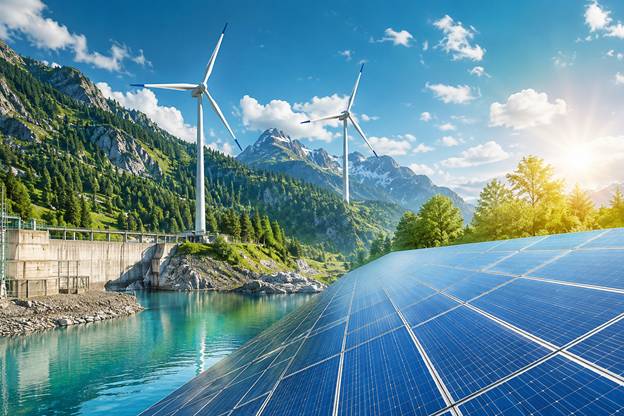



Explore solar, wind, hydropower, biomass and pumped-storage systems in this 2026 guide to renewable energy sources and India’s clean energy growth.
Have you ever wondered how electricity gets to your home when you flip a light switch? For a long time, most of that power came from burning coal and gas, which harm the air we breathe. Today, the way we generate power is shifting completely. Entire cities and industrial zones are switching to cleaner options that rely on the natural elements around us. Clean power generation is no longer an experimental concept. It has become a standard part of our daily power supply, helping to provide clean air and stable electricity across the country.
Types of Renewable Energy Resources
Clean energy comes from continuous natural resources that do not run out. Unlike fossil fuels, these options produce electricity without releasing harmful smoke or greenhouse gases into the atmosphere. The most common clean renewable energy resources include:
- Solar Energy: This system uses solar panels to capture sunlight and convert it directly into electricity. By June 2026, India’s total installed solar capacity successfully crossed 162.15 GW.
- Wind Energy: Massive wind turbines are placed in open areas where strong winds spin the blades. This spinning movement turns an internal generator to create clean electrical power. India’s total wind power capacity reached 57.44 GW by mid-2026.
- Hydroelectric Power: This traditional method generates electricity by using the natural force of flowing or falling water to spin large river turbines.
- Biomass Energy: This method uses organic matter, such as agricultural waste and wood pellets, to generate heat and electricity, keeping organic waste out of landfills.
The Role of Hydro and Pumped Storage Systems
A common concern with sun and wind power is that they depend on weather conditions. The sun only shines during daytime hours, and the wind can stop blowing without warning. To keep the electrical grid balanced, utilities require advanced systems that store extra electricity when production is high and release it when demand spikes.

A highly reliable method for large-scale energy management is pumped-storage hydroelectricity. This system functions like a giant water battery, using two water reservoirs at different heights.
The system functions through a simple mechanical process:
- When solar and wind plants produce extra electricity during midday, the system uses that surplus power to pump water from the lower reservoir up to the higher reservoir.
- During evening hours, when electricity demand peaks and solar production stops, the gate opens to allow water to flow back into the lower reservoir.
- As the water falls, it spins large hydraulic turbines that generate steady, dependable electricity for the general public.
.India’s total operational capacity for these water storage systems reached 7.43 GW by the end of June 2026 These installations provide long-duration grid stability and feature an operational asset life of over 70 years with minimal system degradation.
Direct Progress in Infrastructure Development
Building a stable utility grid requires a balanced mix of direct generation and scalable storage technologies. Industrial sectors require steady power around the clock to sustain manufacturing operations and prevent regional blackouts. India’s cumulative renewable energy capacity, including large hydro facilities, reached 288.59 GW by mid-2026. This massive development has successfully minimised national power supply gaps to historic lows.
To support this domestic transition, renewable energy manufacturers such as the Avaada Group are actively developing large-scale clean power infrastructure across high-growth states. By constructing advanced hybrid plants that combine solar generation with large storage systems, the Avaada Group helps industrial consumers meet clean energy targets while ensuring a continuous power supply. These integrated supply chains lower production costs and reduce reliance on old fossil fuel systems.
Final Thoughts
Transitioning to clean utilities requires a clear understanding of the options available to balance the power grid. By combining abundant solar and wind assets with water-based storage systems, communities can enjoy reliable power at any hour of the day. Modern engineering developments ensure that clean power generation remains affordable and practical for heavy industries and residential homes alike. Continued investment in domestic manufacturing and localized infrastructure ensures long-term energy independence, providing the nation with a stable foundation for cleaner economic growth.
Copyright Disclaimer: All rights reserved. No part of this report may be reproduced, republished or distributed without prior written permission from India CSR®.