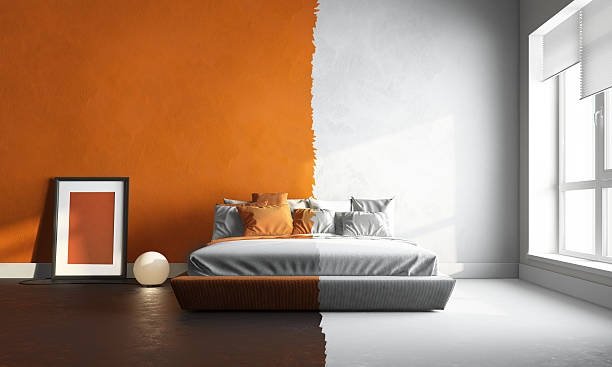



A bedroom should feel calm, restful, and easy to live in. Wall colour plays a major role in that feeling because it affects visual comfort, softness, and the overall mood of the space. Choosing the best colour for bedroom walls is therefore not only about style but also about calmness and ease.
Here’s a clear look at how bedroom colours influence relaxation and which shades are generally better suited to a peaceful space.
What is Colour Psychology in Interior Design?
Colour psychology in interior design refers to how colours influence the feel of a room. In a bedroom, this matters because colour affects mood, visual comfort, and the sense of balance in the space. Some shades appear soft and restful, while others feel sharper and more active.

This does not mean one colour suits every home. It means certain tones are usually better for creating a peaceful room, especially when they are muted and well-balanced.
Why Bedroom Colours Matter for Relaxation
Bedroom colours matter because they shape the atmosphere of the room throughout the day. A soft shade may make the space feel easier to settle into at night, while a stronger shade may keep the room looking more active than restful. This can change how the room feels, which may affect comfort and relaxation over time.
Best Bedroom Colours for Relaxation
Relaxing bedrooms usually rely on shades that feel gentle rather than demanding. The following colour shades for bedroom spaces are often chosen for a calmer look.
Soft Blues
Soft blues can make a bedroom feel quieter and visually lighter. They are often chosen when the room needs calmness without feeling dull. They suit light-filled rooms.
- Pale blue feels airy.
- Dusty blue looks gentle.
- Grey-blue feels balanced.
Gentle Greens
Gentle greens bring a settled, natural feel to a bedroom. They work well when warmth and freshness are both needed in the same space. They rarely feel harsh.
- Sage green feels calm.
- Soft olive adds warmth.
- Misty green stays fresh.
Warm Neutrals (Beige, Taupe, Cream)
Warm neutrals such as beige, taupe, and cream are often chosen for bedrooms because they create a soft and balanced look. These shades usually make the room feel calm, light, and comfortable without appearing too bright.
- Beige feels soft.
- Taupe adds depth.
- Cream reflects light gently.
Muted Pastels (Lavender, Pale Pink)
Muted pastels can suit a bedroom when the shade is soft and not too bright. These colours are usually preferred in lighter tones because they keep the room gentle rather than visually busy.
- Lavender gives the room a soft look.
- Pale pink can make the space feel gentle.
- Lighter pastel tones are usually more suitable than brighter ones.
Earthy Tones (Terracotta, Soft Brown)
Earthy tones are often selected for bedrooms that need warmth and a more grounded look. When used in softer shades, they can make the room feel cosy without appearing too dark.
- Soft brown gives the room a settled look.
- Muted terracotta adds warmth in a gentle way.
- Clay tones can make the space feel more grounded.
Colours to Avoid in a Bedroom
Some colours may be too bright or too strong for a comfortable bedroom. High saturation can make the room feel busy rather than relaxing.
- Very bright red may feel intense and overstimulating.
- Neon shades may disturb calmness.
- Strong orange may feel active.
- Very dark schemes may feel heavy.
How to Choose the Right Shade for Your Bedroom
The right shade depends on light, room size, and finish as much as colour family. An appropriate tone must be comfortable within the real space, rather than just in a chart. Brushing up is important before the final selection.
- Consider natural light, as the same shade can look cooler or warmer throughout the day.
- Choose muted or dusty versions instead of highly saturated tones.
- Match the shade with the room’s size, since darker tones often feel closer and lighter tones more open.
Conclusion
Bedroom colour has an important role in how restful the space may feel, even when the design is simple. Soft blues, gentle greens, warm neutrals, muted pastels, and earthy tones are often preferred because they create a quieter visual effect. The best result usually comes from choosing a tone that suits the room’s light, size, and mood. When the shade looks balanced and soft, the room is more likely to feel calm and comfortable.