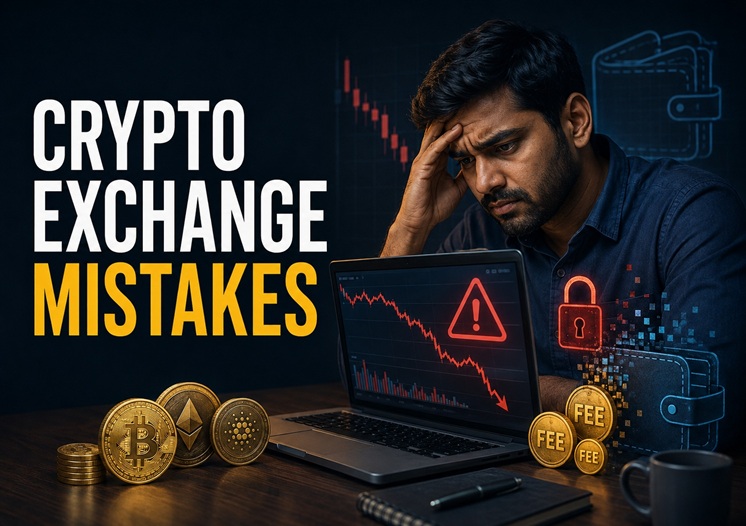



Learn the common crypto exchange mistakes involving fees, security, liquidity, platform credibility and emotional trading that can cause financial losses.
Crypto trading looks easy. It isn’t. Every choice matters: which platform you use, how you lock down your account, how you manage risk. Get any of it wrong, and it costs you. More people are getting into digital assets. But most skip the basics: fees, security, whether a platform is even trustworthy. Skip that homework, and small mistakes snowball into real losses.
A crypto exchange is just a place to buy, sell, and trade digital assets. Not all of them are built the same. Security, transparency, coin selection, fees, and user experience vary widely. Know the pitfalls, and you’ll trade smarter.
Ignoring Withdrawal Fees and Transaction Costs
Most traders watch the price. Few watch what it costs to move their money. Withdrawal charges and network fees add up fast, especially if you trade often or shuffle funds between wallets.

Common cost mistakes
- Not checking withdrawal fees before transferring funds
- Overlooking blockchain network fees on each transaction
- Picking platforms with confusing or hidden fee structures
- Making frequent small withdrawals, which quietly adds up
When you’re using a crypto exchange, look at all the charges: trading fees, deposit fees, withdrawal costs, conversion rates, network fees. These depend on the platform, the asset and how busy the network is.
Hidden fees may look small, but frequent transactions can steadily drain a trader’s overall returns.
Using Weak Security Settings
Security isn’t optional. Crypto transactions are usually final once confirmed; no undo button. A hacked account can mean your money is gone for good, though some exchanges do offer recovery or investigation support depending on their policies.
Security mistakes to avoid
- Reusing simple passwords
- Skipping two-factor authentication 2FA
- Sharing login details or security codes with anyone
- Ignoring login alerts or unusual activity notices
Use strong, unique passwords. Turn on every security feature the platform offers. Check your account activity regularly; it’s the fastest way to catch unauthorised access. If you use a self-custodial wallet, guard your private key and recovery phrase carefully. Lose them, and you lose your funds. There’s no support line to call.
Strong passwords and two-factor authentication form the first defence against irreversible crypto account financial losses.
Trading Illiquid Assets Without Proper Research
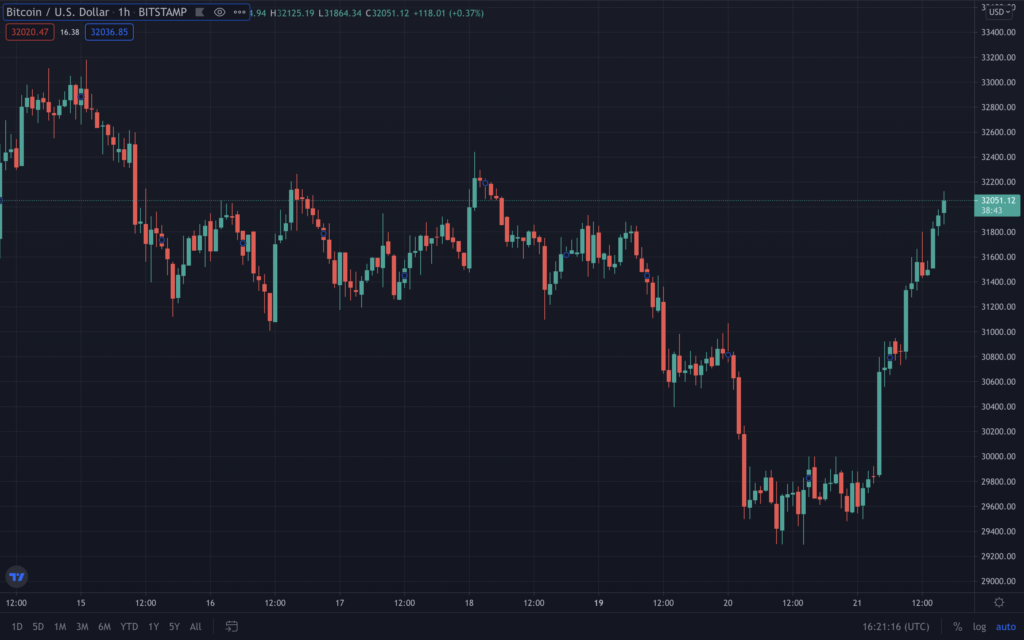
Not every cryptocurrency trades the same way. Lesser-known coins can offer upside. But thin trading volume brings its own risk. Low liquidity makes it harder to buy or sell at a fair price.
Risks of trading illiquid assets:
- Wider gaps between buy and sell prices
- Trouble executing larger orders
- Bigger swings from sudden market moves
- Higher exposure to price manipulation
Look at trading volume, market activity, project background, and real demand before investing. Research-backed decisions hold up better than ones chasing a quick price spike.
Failing to Verify Platform Credibility
Picking a reliable exchange matters as much as picking the right coin. Not every platform holds itself to the same standard on security, transparency, support, or day-to-day operations.
What to check before choosing an exchange:
- Platform reputation and user reviews
- Security measures and account protections
- How clearly fees and policies are explained
- Range of trading options and supported assets
- Quality of customer support
Low-liquidity cryptocurrencies can trap traders, widen price spreads, and amplify losses during sudden market volatility.
Indian traders should also check a platform’s regulatory footing before depositing funds, for instance, whether it’s registered with the Financial Intelligence Unit, India FIU IND, where applicable. That said, FIU IND registration relates to compliance requirements like anti-money laundering rules. It isn’t a government guarantee that the exchange is safe.
Making Decisions Without a Trading Strategy
Crypto markets swing hard. Trade on emotion, and risk management goes out the window. Buying or selling because the market feels exciting rarely ends well.
Better trading habits:
- Set clear investment goals upfront
- Know your own risk tolerance
- Resist impulsive moves during volatility
- Diversify where it makes sense, though diversification won’t erase market risk
- Track your trades and performance over time
A structured approach keeps decisions grounded in research, not emotion. Even so, no strategy removes the risk baked into crypto markets.
A disciplined trading strategy helps investors resist emotional decisions and manage unavoidable cryptocurrency market risks.
Conclusion: Trade Smarter by Avoiding Common Mistakes
Crypto trading is more than just picking assets and placing orders. Pass on your research, trust an unreliable platform, skimp on security, ignore withdrawal fees any one of these will quietly eat into your returns. Know these mistakes, and you are already on your way. Select a cryptocurrency exchange with strong security, real transparency and a proven track record. Be disciplined. This is what responsible crypto trading looks like.
© Copyright Disclaimer: All rights reserved. No part of this report may be reproduced, republished, distributed or transmitted in any form without prior written permission from India CSR®.