


Every year, Indian companies covered by the CSR mandate publish detailed accounts of what they spent and what it achieved. The documents are thorough, carefully audited and, for the most part, unread outside a small circle of compliance officers, board members and analysts. The schools built, the water systems repaired and the livelihoods supported rarely reach the employees, customers and communities who would find them most meaningful.
The communication gap is not about willingness. It is about format and budget. A well-produced impact film requires field travel, a crew, consent processes and post-production, and most CSR budgets rightly prioritise programme spending over storytelling. Short-form AI video is beginning to change that equation, and it raises questions that CSR teams should think through before they start.
What has changed
Generative video models can now produce short, coherent clips from a written description or a reference image. Recent models generate continuous clips of up to around thirty seconds with synchronised audio, which is enough for a complete social media story, an explainer for an employee town hall or the opening sequence of a report presentation.
For CSR communication, the practical value lies in the parts of an impact story that are hard or expensive to film but carry no claim of fact: an animated map of the districts a programme covers, a visual explanation of how a rainwater harvesting structure works, a sequence that shows the stages of a skilling programme from enrolment to employment, or a simple visual metaphor for compounding change over ten years.
The ethical line CSR teams must hold
Impact communication rests on trust. Stakeholders believe what a company says about its social programmes because they assume the people and places shown are real. That makes the misuse of generated imagery far more damaging here than in ordinary marketing.
A clear principle helps: generated visuals may explain, but they must never stand in for beneficiaries or outcomes. An animation of how a solar micro-grid distributes power is explanation. A generated image of a village family presented as programme participants is fabrication, however carefully captioned.
Practical safeguards include:
- Use only real, consented footage and photographs for beneficiaries, testimonies and outcomes.
- Never generate identifiable people and present them as part of a programme.
- Label generated sequences clearly in credits or captions.
- Have the implementation partner or programme lead review every film for accuracy before release.
- Document the policy before the first project, so decisions are not made under deadline pressure.
A workflow that respects both budget and truth
A mixed approach works best. Field teams and implementation partners already capture photographs and short phone videos during monitoring visits. With proper consent, this material forms the factual core of a film. Generated sequences then fill the explanatory gaps: context, process and data, where an animation communicates more clearly than real footage could.
The resulting short films can be repurposed widely: a ninety-second version for the annual report launch, thirty-second cuts for social media, and an internal version to help employees understand where the company’s CSR spending goes, which also supports employee volunteering programmes.
Working with implementation partners
Most CSR programmes are delivered through NGOs and implementation agencies, and they should be involved in any communication about their work from the start. They know which stories are representative, which communities have consented to be shown, and which details could cause harm if misrepresented. Agreeing a simple content protocol with partners at the beginning of the year, covering what will be filmed, how consent is recorded and how generated material will be labelled, avoids difficult conversations later.
Partners also benefit directly. Many smaller NGOs lack the resources to produce their own communication material, and a short film co-created with a corporate partner can support their fundraising beyond the CSR relationship. Sharing the final assets with partners, with appropriate credit, is a low-cost way to strengthen the collaboration.
Cost and practicalities
AI video is typically priced per second of generated output, and teams usually produce several attempts for every clip they keep. Even so, the cost of explanatory sequences for a short impact film is generally a small fraction of a single day of professional field production. The larger investment remains human: scripting, consent management, accuracy review and editing.
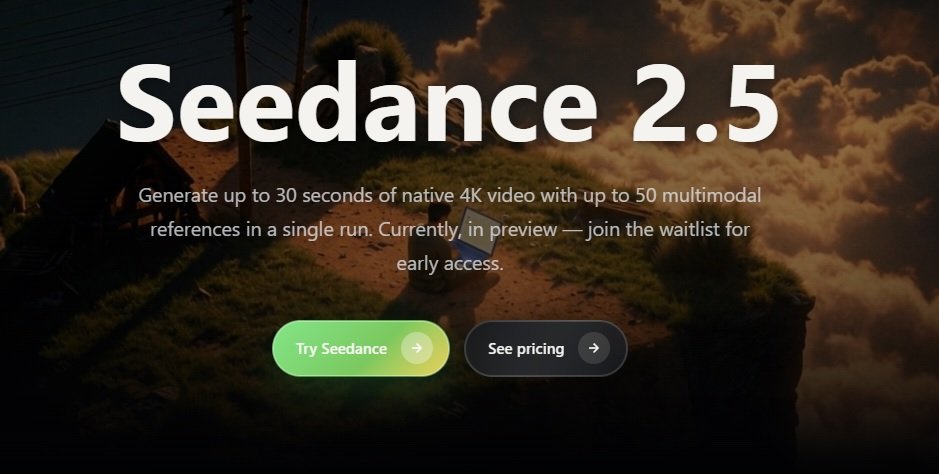
Agencies and larger CSR foundations that produce films regularly, for example a standard explainer for each programme, often integrate the video model directly into their production tools through an API. When assessing options, it helps to compare clip length, support for reference images and per-second pricing; the published details for the Seedance 2.5 API on APIMart, which generates native 30-second clips with audio, give a useful benchmark for budgeting a year of programme films.
Measuring whether it works
CSR communication should be measured by understanding and engagement, not views alone. Useful indicators include employee awareness of programmes before and after an internal campaign, volunteer sign-ups, stakeholder feedback and media pick-up of impact stories. A short film that is watched widely but misunderstood has not succeeded.
Conclusion
The CSR mandate has produced a decade of meaningful work across India, much of it invisible beyond compliance documents. AI video offers CSR teams an affordable way to make that work visible, provided they hold a firm line between explanation and evidence. Used with care, it can bring impact reports to life without compromising the trust on which every CSR programme depends.