

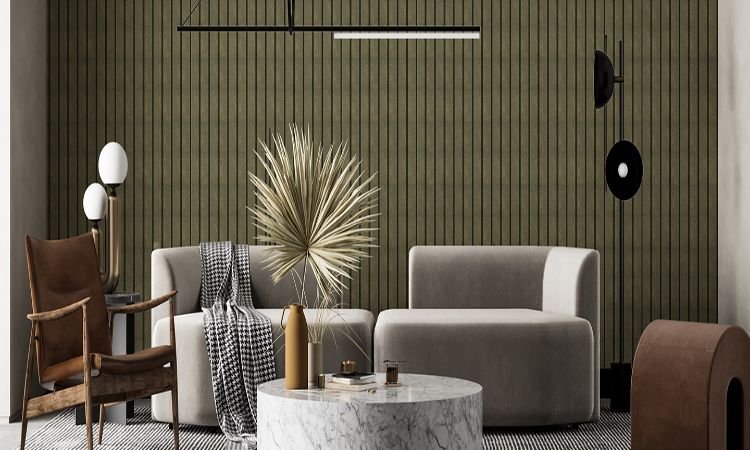



Walk into any high-end apartment preview across Mumbai, Bengaluru, or Delhi this season, and a distinct tactile rhythm immediately catches your attention. Flat, sterile drywall surfaces are conspicuously absent. Instead, the architectural narrative is dominated by alternating ridges and grooves that catch the light, creating a sense of depth that shifts dynamically as you move through a room.
The thing is, achieving this look historically meant embarking on a logistical nightmare. It was a process fraught with error. Within a single changing season, India’s intense humidity fluctuations would cause individual wood strips to expand and contract at different rates, leading to hairline cracks along the joints and warping that completely ruined the clean lines.
To understand why modern spaces look so sharp today, we have to look at the massive shift toward pre-engineered material systems. Homeowners are no longer willing to tolerate the mess, time delays, and unpredictable structural lifespan of old-school carpentry patches.

Elevating the Entertainment Hub: TV Units
1. The Charcoal Matte Media Frame
Modern ultra-thin televisions look awkward when hung against a massive, plain white wall. A popular design solution involves wrapping the central media column in deep, midnight charcoal matte panels. The deep recesses swallow up the visual clutter of hanging wires and black plastic screen borders, turning the entire electronics setup into an integrated, luxury installation.
2. Golden Oak Slats with Floating Marble
Texture contrasts are driving high-end design this year. Designers are increasingly backing massive slabs of white Italian marble or light porcelain tiles with a flanking wing of warm, golden oak fluted slats. The organic warmth of the wood-grain texture softens the hard, cold surface of the stone, creating a balanced, gallery-like focal point in the main living space.
3. Asymmetric Slatted Accents
You don’t always need to cover a wall from corner to corner. Running a narrow, deliberate band of vertical grooves on just the left or right third of a media console breaks the symmetry of a room beautifully. It creates an understated backdrop for a tall indoor plant or a sculptural floor lamp.
4. The Hidden Storage Disguise
This is where smart engineering gets really clever. If you panel a whole living room wall with continuous vertical grooves, you can hide push-to-open cabinets or console doors right in plain sight. The repeating lines of the panels completely mask the seams of the doors, leaving guests totally unaware that a massive storage unit is sitting right behind that sleek wall.
Solving Spatial Friction: Smart Partitions
5. Open-Lattice Visual Filters
In modern open-plan apartments, building a solid brick wall to separate rooms can make the place feel small and claustrophobic. Instead, designers are using double-sided, open-slat partitions to split living and dining areas. They block the view just enough to give you some privacy while letting natural daylight flow through the entire house uninterrupted.
6. Smoked Walnut Room Dividers
Using rich, deep smoked walnut tones for a floor-to-ceiling partition adds instant maturity to an interior. The deep grain patterns provide a physical anchor in a room, working exceptionally well in transition zones like the space between a main entryway and an open lounge.
7. Rotating Slatted Panels
This is a major high-end trend for premium penthouses. Individual vertical slats are mounted on synchronized internal pivots, allowing the homeowner to manually adjust the angle of the panels. You can open them completely to let light flood the space, or tilt them closed when you want an intimate, enclosed dining experience.
8. The Foyer Transition Wall
First impressions matter, but foyers are often cramped. A lightweight, vertical slatted wall right at the entrance creates a sophisticated decompression zone. It sets a premium design tone the moment the front door opens, preventing a direct, immediate view into the private living quarters.
The New Canvas: Feature Walls
9. Soft Taupe Minimalist Bedsides
In the bedroom, high-contrast wood grains can sometimes feel too stimulating. The trend for 2026 favors incredibly soft, muted taupes and warm stone greys. Running these subtle, matte fluted panels behind the bed serves as an oversized architectural headboard that feels peaceful, tactile, and completely glare-free.
10. Alternating Width Ribbons
Instead of using perfectly uniform, identical spacing, designers are experimenting with intentional irregularity. By mixing wide structural panels with ultra-narrow, deep grooves, the wall gets a custom, rhythmic look. It feels far more high-end and bespoke than a standard, off-the-shelf repeating pattern you see everywhere else.
11. Metallic-Infused Grooves
For formal dining spaces or luxury formal drawing rooms, panels featuring subtle champagne gold or brushed copper accents embedded deep within the dark grooves are making a massive impact. The metallic highlights remain hidden from a direct angle but catch the light brilliantly when viewed from the side.
12. Monochromatic Floor-to-Ceiling Extensions
To make low ceilings feel significantly taller, designers are running clean, white or cream-toned louvers from the baseboard straight up the wall, and then pivoting them ninety degrees to continue across a section of the ceiling. This continuous vertical line tricks the eye into expanding the vertical volume of the room.
By prioritizing advanced material science over fragile, unbranded shortcuts, Advance Laminates ensures the panels resist scratching, denting, and fading natively. It effectively bridges the gap between high design and effortless maintenance.



