

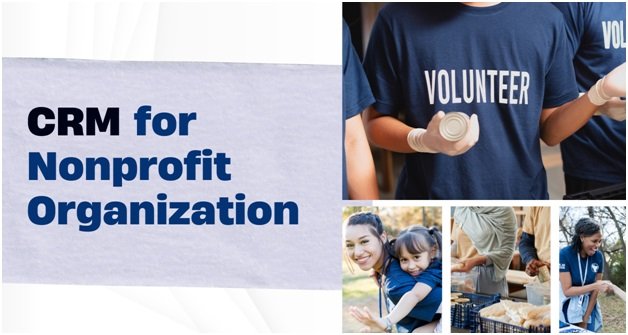



Managing volunteers is one of the most difficult yet most rewarding parts of running a nonprofit organization. You need to track a lot of volunteers, sometimes 100, who have different skills, working for a specific reason, schedule, etc. Phone calls can be missed, spreadsheets get old, follow-ups get lost in the shuffle, and before you know it, your most loyal volunteers feel like you’re not paying attention to them and leave.
That’s exactly where a CRM for non-profit organizations makes a big difference.

It’s not just sales teams that use a Customer Relationship Management system anymore. When used in the social sector, an NGO CRM becomes the operational backbone that keeps volunteers involved, coordinators up to date, and missions moving forward.
This blog will show you five real, useful ways that NGOs can use CRM tools to make coordinating volunteers easier, from the first sign-up to keeping them around for a long time.
Why Volunteer Coordination is Harder Than it Looks
Truth is, most NGOs begin with solid goals and a shared spreadsheet. That changes once the team hits 300 names and in which half have old contact numbers or emails. Jumping in without fixing that causes issues fast. One worker sends an email to the group, then another does too – same recipients. A third follows up without checking what came before. When something urgent pops up needing fifty helpers, it turns out no one has tracked who can show up.
Fixing people won’t fix this – the system’s what needs changing. When set up right, a nonprofit CRM handles what people can’t. If your organization is planning to implement CRM, choosing the right provider is very important, companies like CRM Masters helping various industries including nonprofits implementing CRM for the last 10 years. Contact them to learn more about it.
5 Ways NGOs Can Use CRM
1. Centralize Volunteer Data for Smarter
- One big plus of using a CRM for NGO teams in centralized data. No more lost files on different sheets or messages stuck in inboxes. Every information regarding volunteers lives in one place, be it names, contact details, skills, availability, certifications, past event participation, and communication history.
- A good volunteer management CRM helps in coordination as how things line up makes a big difference. Imagine, 10 volunteers needed who speak Hindi fluently for a community health camp next weekend. With a CRM, it takes five seconds to work but without it, your two hours just gone in swapping messages.
2. Automate Communication with a Human Touch
- A CRM for nonprofit organizations allows them to build automated communication workflows. For example, a volunteer sign up – they receive a welcome email. An event is 36 hours away – all confirmed attendees get a reminder. A volunteer completes their first shift – an automated thank you message goes out. This helps in improving volunteer experience by making them feel valued and influencing them to show up again.
- NGO CRM software really shines when it comes to personalization because unlike bulk emails tools, a CRM helps you send messages that reference their specific role, the cause area they care about, or the event they signed up for.
3. Shift Management and Volunteer Scheduling
- A volunteer tracking CRM can link scheduling directly to volunteer profiles. When you create a new event, or a new shift, the system can automatically match available volunteers by location, skills, and past availability patterns. You can send targeted invitations to the right people, rather than blasting everyone with every opportunity.
- Coordinators get real-time visibility into who’s confirmed, who’s pending and where the gaps are all from one dashboard. No dashboard, no more last minute panic because you thought you had 20 people but only 12 confirmed. A NGO CRM gives you constant visibility into your status.
4. Track Volunteer Contribution & Engagement
- A nonprofit CRM allows you to set up volunteer milestone triggers, automatically acknowledging volunteers when they reach 10 hours, 50 hours, or complete their first year. These moments of recognition, even small ones, can make a big difference in volunteer loyalty and word of mouth referrals.
- The engagement data also helps you identify your most engaged volunteers, those you should consider for leadership roles, program ambassador positions or peer-to-peer fundraising. These diamonds in the rough often go unnoticed without a CRM because no one had the data to uncover them.
5. Generate Reports for Better Decision-Making
- The right NGO CRM with built-in reporting, allows you to answer questions to empower coordination and leadership to make more informed investments. like Which recruitment channels attract volunteers who stick around? Volunteer retention year over year: what do we do?What events have the highest no-show rates – and why?, Do we have missing demographic groups in our volunteer base?
- There is another advantage that is often overlooked; donor and funder reporting. NGOs are often required to present volunteer impact in quantitative terms for many grants. A CRM makes it easy to pull volunteer hours, geographic reach, program participation rates, and community touchpoints, data that strengthens grant applications and builds funder confidence.
Choose the Right CRM for NGO
Not all the CRM are made with non-profits in mind. So, when you look at the CRM available, look for the platforms that offer:
- Modules for volunteers instead of general contact management.
- Works with the tools you already use like donation systems, email, social media, etc.
- Easy for non-technical staff to use, since coordinators aren’t always tech-savvy.
- The ability to grow with your organization.
Not every NGO has the same best choice. People often use tools like Zoho CRM, Salesforce Nonprofit Cloud, and Bloomerang. Your budget, the size of your team, and the features you need to keep track of volunteers will all affect which option is best for you.
If you are considering Zoho CRM, working with a certified Zoho Implementation Partner can help you set up the system according to your process.
Get the Right NGO CRM
A well-implemented CRM gives NGOs a clear way to manage people, communication, and day-to-day operations without getting confused. It makes sure that volunteers are trained, scheduled, and involved in the same way every time.
This change isn’t meant to take the place of personal connection but it helps the team to focus on it more. Coordinators can build stronger relationships with the people who support their mission when they do their routine tasks correctly.
A CRM is no longer optional for NGOs that are getting more and more volunteers.
It becomes a practical step toward running programs that are organised, responsive, and easier to sustain.
FAQ
Q1. Is CRM software expensive for small non-profit organisations?
Ans. Not necessarily as many CRM providers also offer discounted pricing or even free CRM for nonprofit organizations. The cost depends on the number of users, features, etc.
Q2. How is nonprofit CRM different from a regular CRM?
Ans. A nonprofit CRM is designed to manage volunteers, supporters, donors rather than focusing on sales. In NGO CRM organizations can manage events, track engagement, and measure impact.
Q3. Can a CRM improve volunteer retention?
Ans. Yes, a NGO CRM helps track volunteer activity, maintain consistent communication, and recognize their contributions. When you make volunteers feel valued and acknowledge their efforts, they are more likely to stay involved.
Q4. Is data safe in a nonprofit CRM?
Ans. Yes, most CRM platforms follow proper safety norms with secure data usage, user access controls, and regular backups. Choosing the trusted CRM implementation partner ensures that your data remains protected.


