

• India CSR Awards 2025
  • India CSR Leadership Summit
  • Guest Posts
  • Login
Friday, March 13, 2026
India CSR
  • Home
  • Corporate Social Responsibility
    • Art & Culture
    • CSR Leaders
    • Child Rights
    • Culture
    • Education
    • Gender Equality
    • Around the World
    • Skill Development
    • Safety
    • Covid-19
    • Safe Food For All
  • Sustainability
    • Sustainability Dialogues
    • Sustainability Knowledge Series
    • Plastics
    • Sustainable Development Goals
    • ESG
    • Circular Economy
    • BRSR
  • Corporate Governance
    • Diversity & Inclusion
  • Interviews
  • SDGs
    • No Poverty
    • Zero Hunger
    • Good Health & Well-Being
    • Quality Education
    • Gender Equality
    • Clean Water & Sanitation – SDG 6
    • Affordable & Clean Energy
    • Decent Work & Economic Growth
    • Industry, Innovation & Infrastructure
    • Reduced Inequalities
    • Sustainable Cities & Communities
    • Responsible Consumption & Production
    • Climate Action
    • Life Below Water
    • Life on Land
    • Peace, Justice & Strong Institutions
    • Partnerships for the Goals
  • Articles
  • Events
  • เคนเคฟเค‚เคฆเฅ€
  • More
    • Business
    • Finance
    • Environment
    • Economy
    • Health
    • Around the World
    • Social Sector Leaders
    • Social Entrepreneurship
    • Trending News
      • Important Days
        • Festivals
      • Great People
      • Product Review
      • International
      • Sports
      • Entertainment
    • Case Studies
    • Philanthropy
    • Biography
    • Technology
    • Lifestyle
    • Sports
    • Gaming
    • Knowledge
    • Home Improvement
    • Words Power
    • Chief Ministers
No Result
View All Result
  • Home
  • Corporate Social Responsibility
    • Art & Culture
    • CSR Leaders
    • Child Rights
    • Culture
    • Education
    • Gender Equality
    • Around the World
    • Skill Development
    • Safety
    • Covid-19
    • Safe Food For All
  • Sustainability
    • Sustainability Dialogues
    • Sustainability Knowledge Series
    • Plastics
    • Sustainable Development Goals
    • ESG
    • Circular Economy
    • BRSR
  • Corporate Governance
    • Diversity & Inclusion
  • Interviews
  • SDGs
    • No Poverty
    • Zero Hunger
    • Good Health & Well-Being
    • Quality Education
    • Gender Equality
    • Clean Water & Sanitation – SDG 6
    • Affordable & Clean Energy
    • Decent Work & Economic Growth
    • Industry, Innovation & Infrastructure
    • Reduced Inequalities
    • Sustainable Cities & Communities
    • Responsible Consumption & Production
    • Climate Action
    • Life Below Water
    • Life on Land
    • Peace, Justice & Strong Institutions
    • Partnerships for the Goals
  • Articles
  • Events
  • เคนเคฟเค‚เคฆเฅ€
  • More
    • Business
    • Finance
    • Environment
    • Economy
    • Health
    • Around the World
    • Social Sector Leaders
    • Social Entrepreneurship
    • Trending News
      • Important Days
        • Festivals
      • Great People
      • Product Review
      • International
      • Sports
      • Entertainment
    • Case Studies
    • Philanthropy
    • Biography
    • Technology
    • Lifestyle
    • Sports
    • Gaming
    • Knowledge
    • Home Improvement
    • Words Power
    • Chief Ministers
No Result
View All Result
India CSR
No Result
View All Result
Home Interviews

An Interview with Student Changemaker Kayana Monga Working on Rural Mental Health

Student-led Project Muskan brings mental health awareness and care to rural children across India.

India CSR by India CSR
March 12, 2026
in Interviews
Reading Time: 8 mins read
Kayana Monga, a student at Shiv Nadar School, Noida on Metal Health in Rural India

Kayana Monga, a student at Shiv Nadar School, Noida on Metal Health in Rural India

Share Share Share Share
WhatsApp icon
WhatsApp โ€” Join Us
Instant updates & community
Google News icon
Google News โ€” Follow Us
Get our articles in Google News feed

The Role of Partnerships, CSR Support, and Youth Leadership in Expanding Impact
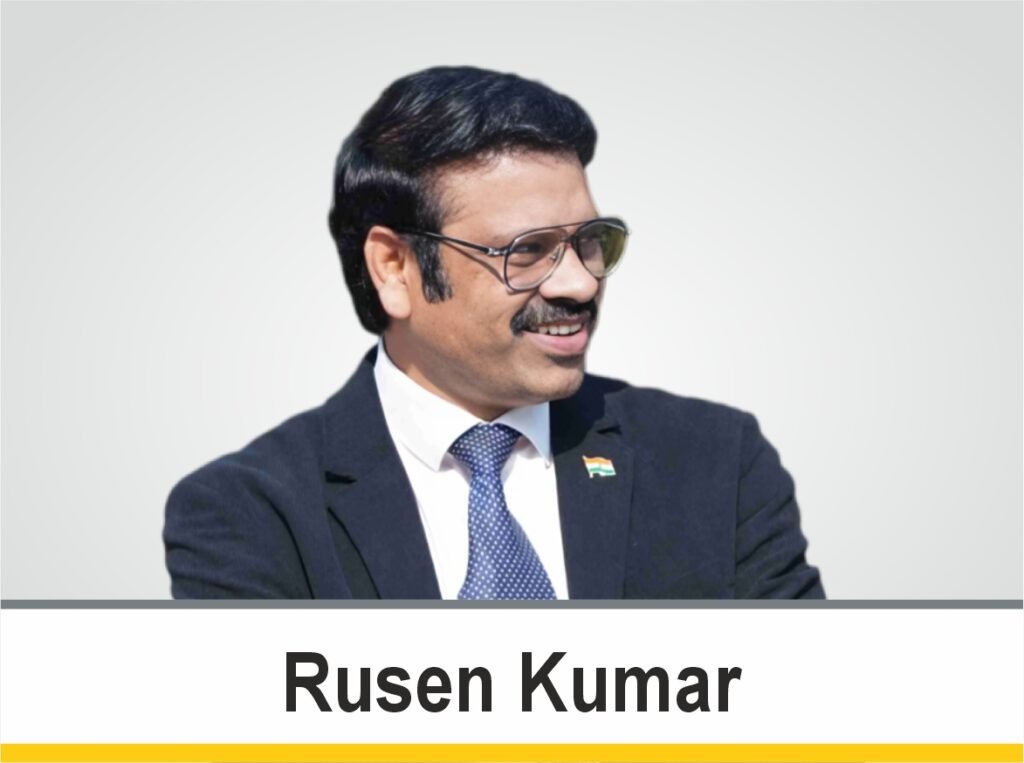
Rusen Kumar Founder and Managing Editor India CSR

By Rusen Kumar

NEW DELHI (India CSR): Mental health remains one of the most overlooked aspects of healthcare in rural India, especially among children and adolescents. Lack of awareness, stigma, and limited access to professional support often leave emotional distress unrecognized and untreated. Addressing this critical gap, Kayana Monga, a student at Shiv Nadar School, Noida, launched Project Muskan, a youth-led initiative focused on improving mental health awareness and support systems for children in rural communities.

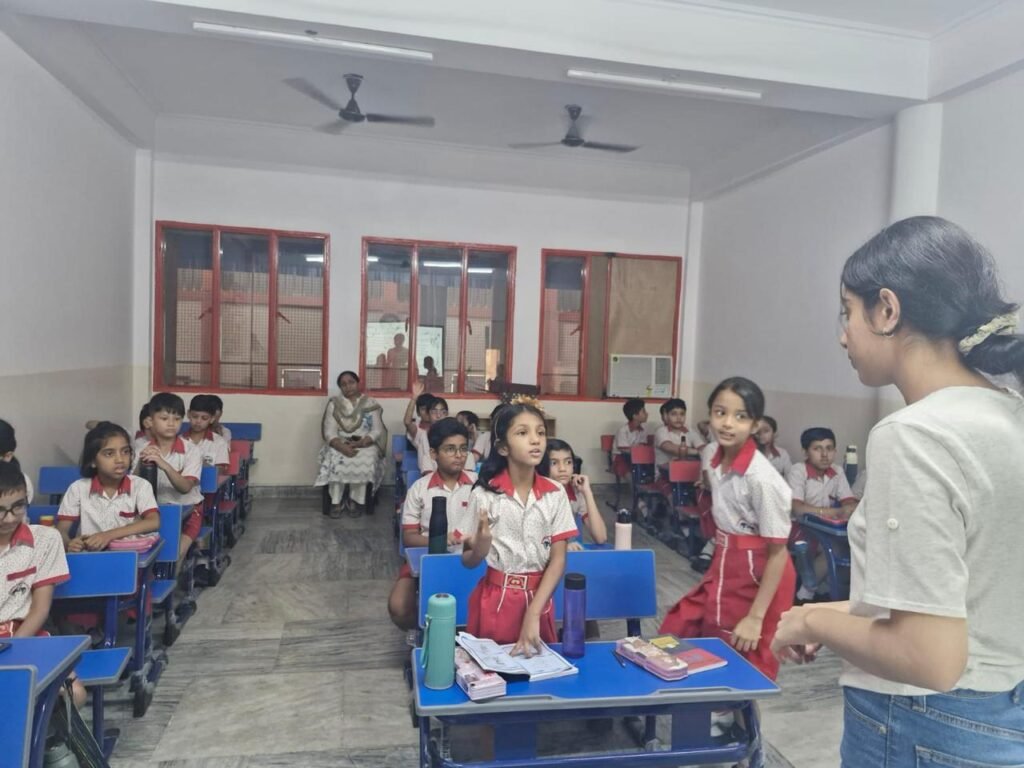
Through structured engagement sessions, screenings under professional supervision, and partnerships with psychologists and community organizations, Project Muskan aims to build a pathway from awareness to identification and referral for care. The initiative has already reached more than 500 children and identified over 40 high-risk cases, highlighting the urgent need for accessible mental health support in underserved areas.
In this India CSR Interview, Rusen Kumar, Editor of India CSR, speaks with Kayana Monga about the inspiration behind Project Muskan, the challenges of addressing mental health stigma in rural communities, and how structured partnerships and long-term support can strengthen grassroots mental health interventions.

Edited excerpts of an interview:

What triggered the idea for Project Muskan, and what specific gap in rural mental health were you trying to address?

Project Muskan was deeply personal in its origin. I struggled with anxiety for over two years before I even understood what mental health meant. I didnโ€™t have the vocabulary to describe what I was feeling, and that confusion stayed with me. Later, during a visit to a village in Haryana, I met a young girl who had stopped eating and speaking after losing her father. Instead of recognizing her grief, people questioned her academic performance and her responsibilities at home. That moment made it clear to me that emotional distress in rural communities often remains invisible or misunderstood. There was no structured pathway from awareness to clinical care, especially for children. Muskan was created to bridge that gap – to make emotional wellbeing visible, valid, and supported.
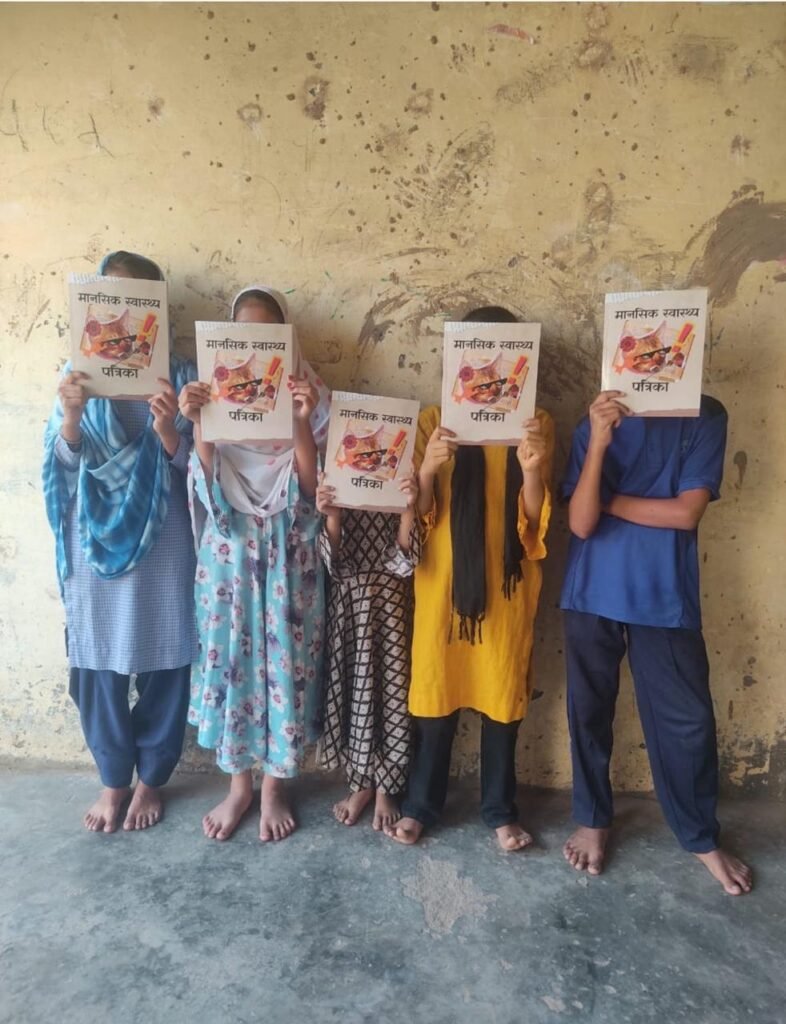
Project Muskan was deeply personal in its origin. I struggled with anxiety for over two years before I even understood what mental health meant. I didnโ€™t have the vocabulary to describe what I was feeling, and that confusion stayed with me. Later, during a visit to a village in Haryana, I met a young girl who had stopped eating and speaking after losing her father. Instead of recognizing her grief, people questioned her academic performance and her responsibilities at home. That moment made it clear to me that emotional distress in rural communities often remains invisible or misunderstood. There was no structured pathway from awareness to clinical care, especially for children. Muskan was created to bridge that gap - to make emotional wellbeing visible, valid, and supported.

Can you explain the intervention model you have built, from awareness to identification to referral and follow-up?

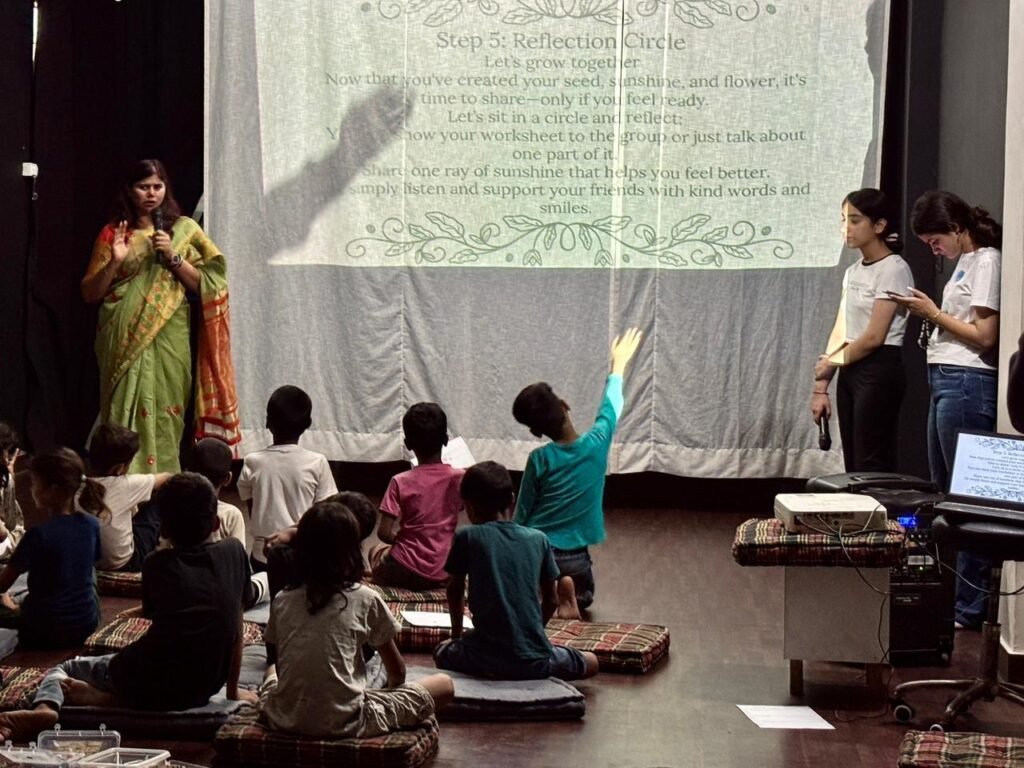
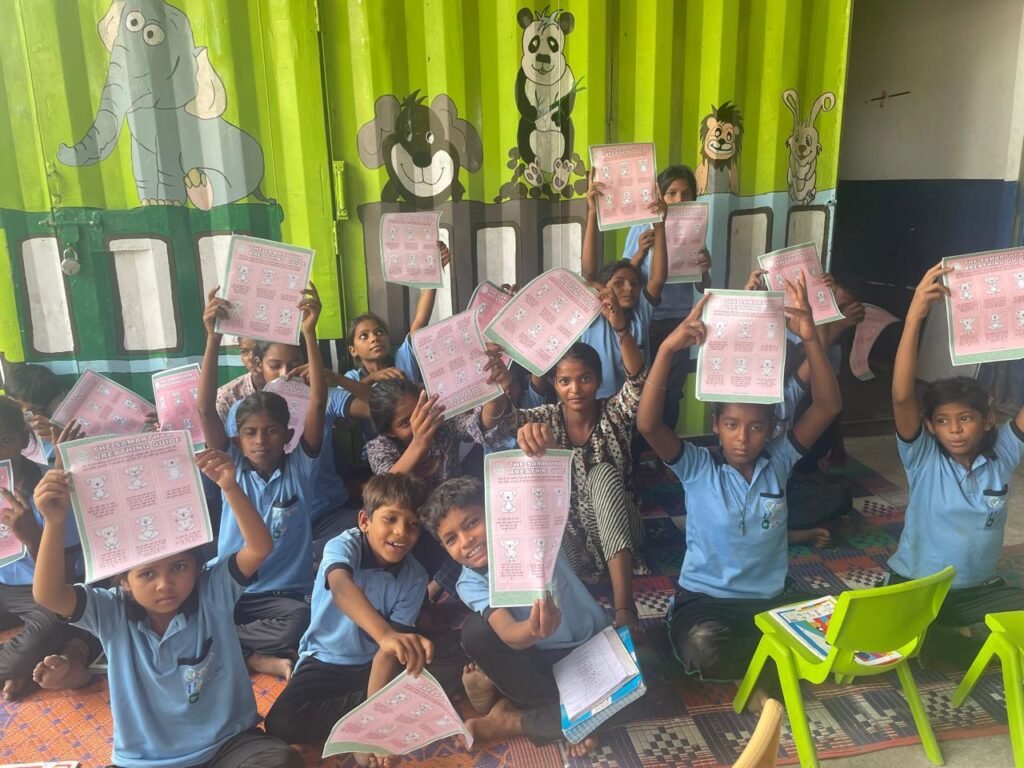
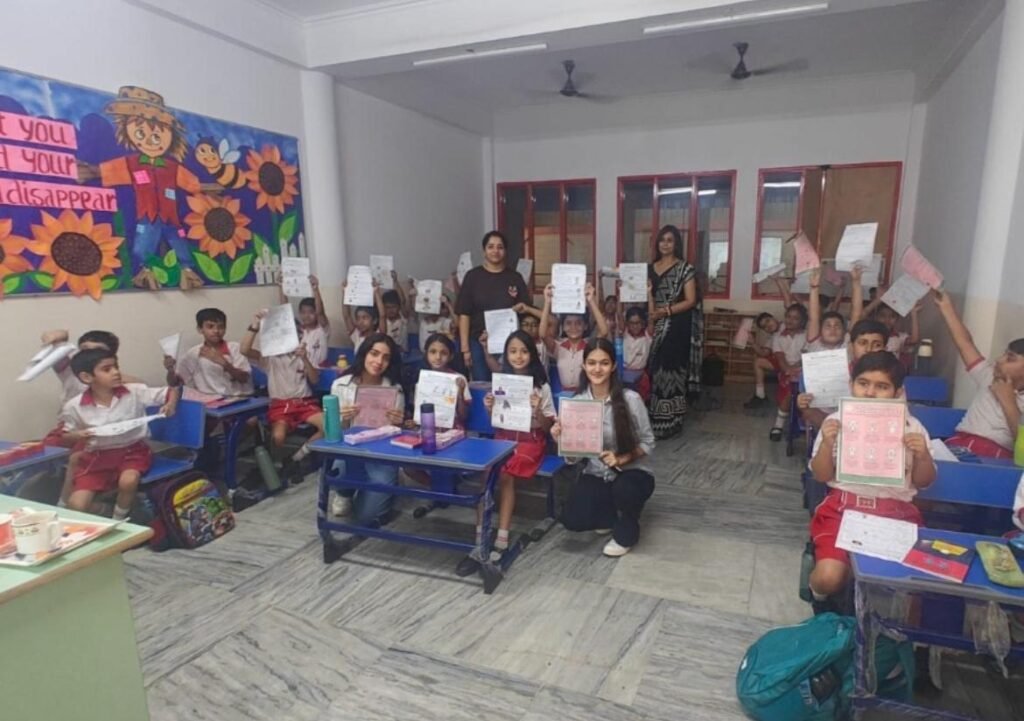
Our intervention model is structured but begins gently. We start with non-clinical engagement – art-based sessions, discussions, and interactive activities – to build trust and psychological safety before introducing screening. Once children feel comfortable, we conduct culturally adapted screenings under the supervision of licensed psychologists. Cases identified as high-risk are referred to our partner psychologists, with urgent situations fast-tracked for crisis care. At the same time, we train local volunteers to recognize early signs of emotional distress so that support continues within the community even after our sessions conclude. The goal is not a one-time intervention, but a sustainable chain of awareness, identification, referral, and follow-up.
Reaching over 500 children and identifying 40+ high-risk cases is significant. What processes ensured accuracy and responsible handling?

Accuracy and ethics have been central to our work from the beginning. All screenings are conducted under professional supervision, and only trained psychology interns and licensed psychologists handle red-flag identification. Cases are anonymized, securely documented, and reviewed before any referral decisions are made. We intentionally separate operational teams from clinical teams to protect confidentiality and ensure that decisions are evidence-based rather than emotional. Each high-risk case is carefully assessed and, where necessary, double-reviewed to ensure responsible and timely intervention.
Accuracy and ethics have been central to our work from the beginning. All screenings are conducted under professional supervision, and only trained psychology interns and licensed psychologists handle red-flag identification. Cases are anonymized, securely documented, and reviewed before any referral decisions are made. We intentionally separate operational teams from clinical teams to protect confidentiality and ensure that decisions are evidence-based rather than emotional. Each high-risk case is carefully assessed and, where necessary, double-reviewed to ensure responsible and timely intervention.

How did you build credibility and trust within rural communities where mental health conversations are often stigmatized?

Trust did not come from credentials. It came from sitting on the floor and listening. We never began with clinical terminology or formal assessments. Instead, we started with conversations, art, and activities that normalized emotional expression. We ensured informed parental consent before beginning any formal intervention, while maintaining a safe and independent space for children to express themselves. We made repeated visits rather than one-time appearances, allowing relationships to develop organically. Over time, communities began to trust us not because of our credentials, but because of our presence and respect for their lived realities.

What partnerships have been critical to the success of the initiative?

Partnerships have been foundational to Muskanโ€™s growth. Our network of over 20 psychologists ensures that all clinical interventions are ethical and professionally guided. NGOs, orphanages, and government schools have provided structured access to children in need, especially in rural and under-resourced areas. Healthcare professionals have strengthened our referral systems for high-risk cases. Engagement with the Delhi Health Ministry has also helped us better understand systemic gaps and position our work within larger policy conversations.

Your work has received recognition from the Delhi Health Ministry and has been referenced in UNICEFโ€™s State of the Worldโ€™s Children report. How has this institutional validation influenced your scale or approach?

For the first year, I wasnโ€™t focused on recognition; I was focused on impact. However, institutional acknowledgment significantly expanded our reach and credibility. It allowed us to engage more confidently with policymakers, schools, and professionals. It also broadened my perspective – what began as a local initiative became part of a much larger conversation about child and adolescent mental health.

Note: Just clarifying that Project Muskan itself has not been referenced in UNICEFโ€™s State of the Worldโ€™s Children Report. I personally contributed insights and shared my experiences as a young entrepreneur and mental health advocate in India.
Mental health initiatives require sustained support rather than one-time funding. Long-term partnerships that invest in clinical supervision, infrastructure expansion, and digital accessibility in rural areas would make a significant difference. Training frontline workers to identify early signs of distress can help create community-level resilience. Subsidized therapy, affordable medication access, and multi-year funding commitments would help address the financial constraints that often prevent rural families from seeking care, while allowing grassroots organizations like ours to build stable and scalable support systems.

From a CSR standpoint, what kind of structured support would meaningfully strengthen rural mental health interventions like yours?

Mental health initiatives require sustained support rather than one-time funding. Long-term partnerships that invest in clinical supervision, infrastructure expansion, and digital accessibility in rural areas would make a significant difference. Training frontline workers to identify early signs of distress can help create community-level resilience. Subsidized therapy, affordable medication access, and multi-year funding commitments would help address the financial constraints that often prevent rural families from seeking care, while allowing grassroots organizations like ours to build stable and scalable support systems.

As a young founder, what were the biggest operational or systemic challenges you faced while executing this on the ground?

One of the biggest challenges was balancing emotional sensitivity with operational responsibility. Witnessing children struggle while trying to build structured systems around them required resilience. Language barriers, parental stigma, and limited rural infrastructure added complexity. There were also moments of personal doubt – questioning whether we were doing enough or reaching effectively. Over time, I learned that empathy must be paired with structure, and that impact requires both compassion and discipline.
The IB framework significantly influenced how I approached research, ethics, and community engagement. It trained me to evaluate sources critically, design evidence-based interventions, and prioritize informed consent. Beyond academics, it strengthened my communication skills and taught me the importance of being an attentive listener - whether persuading psychologists to collaborate with us or creating a space where children felt safe enough to trust us. Exposure to diverse global perspectives deepened my sensitivity to cultural context and inclusivity. Applying classroom concepts to real-world settings sharpened my analytical thinking and reinforced that sustainable change requires both theoretical grounding and practical adaptation.

How has your learning experience within the IB framework shaped the way you designed and implemented Project Muskan?

The IB framework significantly influenced how I approached research, ethics, and community engagement. It trained me to evaluate sources critically, design evidence-based interventions, and prioritize informed consent. Beyond academics, it strengthened my communication skills and taught me the importance of being an attentive listener – whether persuading psychologists to collaborate with us or creating a space where children felt safe enough to trust us. Exposure to diverse global perspectives deepened my sensitivity to cultural context and inclusivity. Applying classroom concepts to real-world settings sharpened my analytical thinking and reinforced that sustainable change requires both theoretical grounding and practical adaptation.


About the Author

Rusen Kumar, Editor of India CSR, is a renowned thought leader in the field of Corporate Sustainability and Corporate Social Responsibility (CSR). He regularly writes insightful articles and conducts interviews with industry leaders, policymakers, and development practitioners, promoting dialogue on responsible business and sustainable development.

(India CSR)

India Responsible Education & AI Summit 2026
ADVERTISEMENT
Ambedkar Chamber
ADVERTISEMENT
ESG Professional Network
ADVERTISEMENT
India Sustainability Awards 2026
ADVERTISEMENT
India CSR Image 1 India CSR Image 2
Tags: Kayana MongaProject MuskanRusen KumarShiv Nadar School

CSR, Sustainability, and ESG success stories hindustan zinc
ADVERTISEMENT
India CSR

India CSR

India CSR is the largest media on CSR and sustainability offering diverse content across multisectoral issues on business responsibility. It covers Sustainable Development, Corporate Social Responsibility (CSR), Sustainability, and related issues in India. Founded in 2009, the organisation aspires to become a globally admired media that offers valuable information to its readers through responsible reporting.

Related Posts

Meha Patel, Vice Chairperson of Zydus Foundation
Interviews

Interview: Meha Patel on Zydus Foundationโ€™s Vision for Sustainable Social Impact

1 day ago
Prachi Kaushik, Founder and Director of Vyomini Social Enterprise
Interviews

Menstrual Hygiene Awareness Must Go Beyond Pad Distribution: Prachi Kaushik, Vyomini Social Enterprise

4 days ago
Prerrit Mansingh, Secretary, Aayom Welfare Society
Interviews

Scaling Compassion into Structured Social Change: An Interview with Prerrit Mansingh

2 weeks ago
Sheena Kapoor, Head โ€“ Marketing, Corporate Communication & CSR at ICICI Lombard
Interviews

ICICI Lombard at 25: Sheena Kapoor on Promise-Led CSR and Lasting Impact

2 weeks ago
Arun Jain, Founder and CMD of Intellect and Founder of Mission Samriddhi
Interviews

Design Thinking for Rural India: Arun Jainโ€™s Civilisation Economics Model

2 weeks ago
Rajani Jalan, Director, CSR & People Relations, mPokket
Interviews

mPokketโ€™s Decade of CSR Impact in West Bengal: An Interview with Rajani Jalan

2 weeks ago
Load More
India Responsible Education & AI Summit 2026
ADVERTISEMENT
Ambedkar Chamber
ADVERTISEMENT
India Sustainability Awards 2026
ADVERTISEMENT

LATEST NEWS

What is the Future of Daughters from Red-Light Areas in India?

An Interview with Student Changemaker Kayana Monga Working on Rural Mental Health

Whatโ€™s Cooking: Is it Oil or Politics in India?

Petronet LNG CSR Spending Report of Rs 67.24 Crore for FY25

From Emerging Markets to Global Platforms: The Entrepreneurial Journey of Avinash Jha

CSR: VLCTPP Rolls Out Mobile Health Unit to Serve 7,000 Villagers

Economy India Largest Media on Indian Economy and Business
ADVERTISEMENT
Ad 1 Ad 2 Ad 3
ADVERTISEMENT
ESG Professional Network
ADVERTISEMENT

TOP NEWS

‘Livelihood on Wheels’ Initiative Empowers Persons with Disabilities in Kolkata

R.C. Reddy IAS Study Circle Produces Over 60 Successful Candidates in UPSC 2025

Disruption In Indiaโ€™s Wellness Market: dLife Introduces โ€˜Reverse Or Refundโ€™ Guarantee For Type 2 Diabetes, PCOS & NAFLD

From Emerging Markets to Global Platforms: The Entrepreneurial Journey of Avinash Jha

AAHAR 2026 โ€“ 40th Edition: Strengthening Indiaโ€™s Role in the Global Food Economy Through a Structured B2B Platform

CSR: Hyundai Motor India Foundation Strengthens Rural Education with โ‚น5.22 Cr Center of Excellence in Kancheepuram

Load More
STEM Learning STEM Learning STEM Learning
ADVERTISEMENT

Interviews

Kayana Monga, a student at Shiv Nadar School, Noida on Metal Health in Rural India
Interviews

An Interview with Student Changemaker Kayana Monga Working on Rural Mental Health

by India CSR
March 12, 2026

Student-led Project Muskan brings mental health awareness and care to rural children across India.

Read moreDetails
Meha Patel, Vice Chairperson of Zydus Foundation

Interview: Meha Patel on Zydus Foundationโ€™s Vision for Sustainable Social Impact

March 11, 2026
Prachi Kaushik, Founder and Director of Vyomini Social Enterprise

Menstrual Hygiene Awareness Must Go Beyond Pad Distribution: Prachi Kaushik, Vyomini Social Enterprise

March 8, 2026
Prerrit Mansingh, Secretary, Aayom Welfare Society

Scaling Compassion into Structured Social Change: An Interview with Prerrit Mansingh

February 28, 2026
Load More
Facebook Twitter Youtube LinkedIn Instagram
India CSR Logo

India CSR is the largest tech-led platform for information on CSR and sustainability in India offering diverse content across multisectoral issues. It covers Sustainable Development, Corporate Social Responsibility (CSR), Sustainability, and related issues in India. Founded in 2009, the organisation aspires to become a globally admired media that offers valuable information to its readers through responsible reporting. To enjoy the premium services, we invite you to partner with us.

Follow us on social media:


Dear Valued Reader

India CSR is a free media platform that provides up-to-date information on CSR, Sustainability, ESG, and SDGs. We need reader support to continue delivering honest news. Donations of any amount are appreciated.

Help save India CSR.

Donate Now

Donate at India CSR

  • About India CSR
  • Team
  • India CSR Awards 2025
  • India CSR Leadership Summit
  • India Responsible Education & AI Summit 2026
  • Partnership
  • Guest Posts
  • Services
  • ESG Professional Network
  • Content Writing Services
  • Business Information
  • Contact
  • Privacy Policy
  • Terms of Use
  • Donate

Copyright ยฉ 2025 - India CSR | All Rights Reserved

Welcome Back!

Login to your account below

Forgotten Password?

Retrieve your password

Please enter your username or email address to reset your password.

Log In
No Result
View All Result
  • Home
  • Corporate Social Responsibility
    • Art & Culture
    • CSR Leaders
    • Child Rights
    • Culture
    • Education
    • Gender Equality
    • Around the World
    • Skill Development
    • Safety
    • Covid-19
    • Safe Food For All
  • Sustainability
    • Sustainability Dialogues
    • Sustainability Knowledge Series
    • Plastics
    • Sustainable Development Goals
    • ESG
    • Circular Economy
    • BRSR
  • Corporate Governance
    • Diversity & Inclusion
  • Interviews
  • SDGs
    • No Poverty
    • Zero Hunger
    • Good Health & Well-Being
    • Quality Education
    • Gender Equality
    • Clean Water & Sanitation – SDG 6
    • Affordable & Clean Energy
    • Decent Work & Economic Growth
    • Industry, Innovation & Infrastructure
    • Reduced Inequalities
    • Sustainable Cities & Communities
    • Responsible Consumption & Production
    • Climate Action
    • Life Below Water
    • Life on Land
    • Peace, Justice & Strong Institutions
    • Partnerships for the Goals
  • Articles
  • Events
  • เคนเคฟเค‚เคฆเฅ€
  • More
    • Business
    • Finance
    • Environment
    • Economy
    • Health
    • Around the World
    • Social Sector Leaders
    • Social Entrepreneurship
    • Trending News
      • Important Days
      • Great People
      • Product Review
      • International
      • Sports
      • Entertainment
    • Case Studies
    • Philanthropy
    • Biography
    • Technology
    • Lifestyle
    • Sports
    • Gaming
    • Knowledge
    • Home Improvement
    • Words Power
    • Chief Ministers

Copyright ยฉ 2025 - India CSR | All Rights Reserved

This website uses cookies. By continuing to use this website you are giving consent to cookies being used. Visit our Privacy and Cookie Policy.

