


By Varun Pahwa
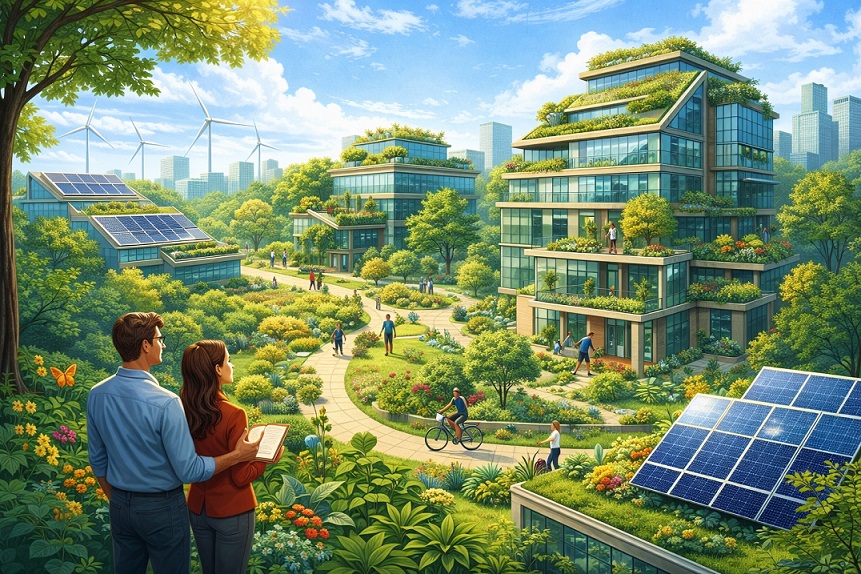
NEW DELHI (India CSR): Across the world, the conversation around buildings is changing. Climate concerns are no longer confined to policy papers or sustainability forums. They are beginning to influence everyday decisions in real estate, construction, and urban planning. When you look at both construction activity and the way buildings are used every day, the sector accounts for a large share of global emissions. That alone has pushed it into the center of climate discussions.
Not long ago, environmentally conscious construction was treated as a specialized idea discussed mostly by sustainability experts. Today it is firmly on the radar of governments, developers, and companies that are under pressure to reduce their environmental footprint. Green construction is no longer seen as experimental or optional. In many markets, it is fast becoming an expectation.

Part of this shift comes from a change in how performance is viewed. Building design is no longer just about structure and appearance. It is also about how a building behaves over time. Decisions taken during planning, from materials and insulation to glazing and cooling systems, can influence a building’s energy use for many years. Projects that use better insulation, passive cooling methods, efficient glass, and energy recovery systems often consume far less power than conventional buildings. Many new commercial developments are also adding renewable energy systems so that at least part of their electricity comes from on site sources.
Efficiency, however, is only part of the story. There is growing focus on the quality of indoor environments and how they affect occupants. Indoor Air Quality (IAQ) is now considered alongside energy performance rather than being addressed later. Findings from various building settings indicate that better indoor air quality boosts concentration, decreases sick leave, and enhances overall comfort. This shift has led designers to incorporate ventilation, filtration, and humidity control into their plans from the outset.
One technology that has gained ground in this space is the Treated Fresh Air, or TFA, system. These systems bring in outdoor air that has been filtered and dried, and they do it without the heavy energy demand older ventilation setups often required. Handling fresh air separately from cooling makes it easier to keep indoor conditions consistent, especially in humid regions. When moisture is left unmanaged, it can encourage mold, affect materials, and force cooling systems to work harder. Well planned air systems help avoid those problems while keeping energy use within reasonable limits.
Market signals suggest that sustainable construction is not slowing down. Developers are using eco friendly materials more often, and certified green buildings are becoming a more common sight in major cities. Policy is also moving in the same direction. Regulators are tightening efficiency norms, expanding disclosure requirements, and encouraging high-performing buildings through incentives. Across India, rising tenant preference for eco-conscious and healthier workplaces is pushing developers to seek green building ratings.
Technology is adding momentum to this shift. Modern building systems can monitor temperature, humidity, occupancy, and air quality as conditions change, making adjustments on their own. This level of responsiveness shifts the way efficiency is evaluated, with more attention on how a building adjusts in real conditions rather than fixed benchmarks.
There is also a business case that is hard to ignore. Properties created with sustainability as a priority often see better tenant demand, steadier value, and reduced running costs. For growing cities, they offer something even more important. They provide a practical way to cut emissions without slowing development. As urban populations rise, the pace at which better building practices spread will make a real difference to whether climate targets are met.
At its heart, eco-architecture is about balance. Buildings have to work for people, but they also have to respect environmental limits. When energy efficiency, clean indoor air, and well managed fresh air systems are planned together, that balance becomes achievable. The real question now is not whether sustainable construction will shape the future of the industry. It is how quickly it will happen.
About the Author
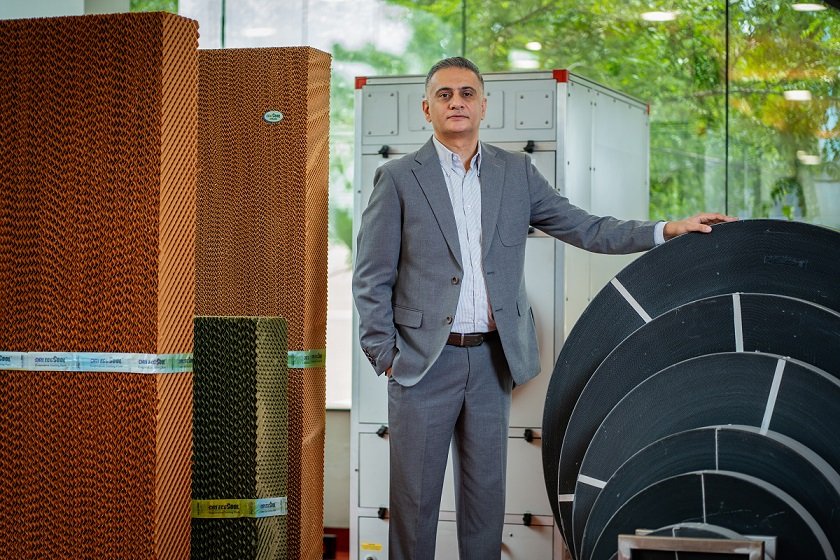
Varun Pahwa, President, Desiccant Rotors International
(India CSR)