

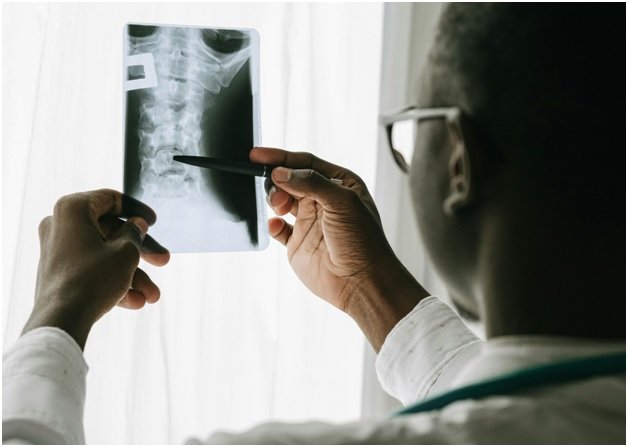



Preventive healthcare focuses on finding diseases early, before symptoms appear and before complications develop. In this regard, medical imaging has become a practical tool for risk assessment, screening, and follow-up, especially for people who prefer visiting a diagnostic centre near me for timely testing and regular monitoring.
The role of advanced radiology in preventive healthcare is expanding because modern imaging can detect subtle structural and functional changes in organs, blood vessels, and bones with high precision.

Radiology supports prevention in two main ways. First, it helps identify early-stage disease in people who feel well but may be at risk due to age, family history, lifestyle factors, or existing conditions such as diabetes or hypertension. Second, it helps clinicians monitor known risks over time and adjust preventive strategies based on measurable findings rather than assumptions.
What Advanced Radiology Means in Prevention
Advanced radiology refers to newer types of scans and improved ways of doing imaging tests. These updates help doctors see problems more clearly and make more accurate decisions, while still keeping patient safety in mind. Many scans are now quicker, easier for patients, and are planned to limit avoidable exposure.
Common features of advanced imaging used for prevention include:
- Sharper images that can pick up very small changes early
- Lower radiation dose protocols are used when tests use radiation
- Standardised reports so results are easier to compare and follow over time
- Measured results (such as scores or density readings) that help track changes across future scans
Where Radiology Adds Preventive Value
Preventive imaging is not a replacement for clinical evaluation or laboratory testing. It works best when used selectively, based on individual risk and evidence-based screening guidance. In practical care pathways, radiology commonly supports prevention in these areas:
- Cancer screening and early detection
- Cardiovascular risk evaluation
- Bone health assessment
- Detection of silent organ disease (for example, fatty liver or kidney abnormalities)
- Monitoring of incidental findings that require periodic checks
Examples of Imaging Tests Used in Preventive Care
The choice of test depends on age, sex, personal history, family history, and symptoms (if present). A clinician typically decides whether imaging is appropriate and which modality provides the safest, most useful information.
| Imaging modality | Preventive use cases | Typical value provided |
| Digital mammography (often with tomosynthesis) | Breast cancer screening | Detects early lesions and microcalcifications |
| Low-dose CT | Lung cancer screening in eligible high-risk individuals | Detects small nodules earlier than a standard chest X-ray |
| Ultrasound | Thyroid checks (selected cases), abdominal screening, carotid evaluation | Identifies nodules, cysts, plaque, and organ changes without radiation |
| MRI (selected protocols) | Brain, spine, joints, and certain cancer risk evaluations | High soft-tissue detail; useful when radiation avoidance is preferred |
| CT coronary calcium scoring | Cardiovascular risk stratification | Measures coronary calcification to refine prevention plans |
These exams are most effective when paired with a clear plan for next steps. Imaging that identifies a risk should lead to specific actions, such as:
- Lifestyle changes
- Medication review
- Specialist referral, or
- Interval follow-up imaging
Benefits for Patients and Care Teams
When used appropriately, advanced radiology helps shift healthcare from reactive treatment to planned prevention. It can also reduce uncertainty in borderline cases where symptoms are absent or non-specific. Key benefits include:
- An earlier diagnosis, which often expands treatment options
- More targeted follow-up, reducing unnecessary repeat testing
- Objective monitoring, especially for slowly evolving conditions
Safety, Appropriateness, and Limitations
Preventive imaging should be used with care. Not every scan improves outcomes, and some tests can lead to overdiagnosis or additional procedures that may not be necessary. For imaging that uses radiation, dose optimisation and medical importance remain essential. Important considerations include:
- Medical history review to confirm that an exam is needed
- Use of recognised guidance (for example, eligibility criteria for lung screening)
- Discussion of benefits and potential downstream testing
- Radiation safety practices for CT and X-ray-based imaging
- Clear documentation of follow-up intervals for incidental findings
Conclusion
In many cases, the best preventive plan combines clinical evaluation, risk scoring, laboratory tests, and a small number of well-chosen imaging exams rather than broad “full body” scanning. Imaging quality is only one part of preventive value.
Reporting standards and structured measurements make results more actionable for clinicians and easier to track over time. For individuals seeking a reliable ultrasound scan near me as part of preventive care, Vijaya DiagnosticCentre is one option to consider for imaging and health screening support.


