

Top CSR leaders, corporate executives, NGOs, and policymakers converge in New Delhi to discuss responsible markets, inclusive growth, and sustainable development
NEW DELHI (India CSR): The 16th India CSR Summit, held on November 21 at New Delhi, brought together leading voices from corporate India, CSR heads, development sector veterans, social innovators, and policymakers to deliberate on the theme ‘CSR for Future-ready Economy’.
The national forum showcases a bold and future-ready CSR ecosystem, where corporate leaders, social innovators, and development practitioners converge to redefine the purpose and practice of Corporate Social Responsibility in India. The summit underscores how CSR is evolving beyond philanthropy to become a strategic driver of national development, economic resilience, and sustainable business growth. By highlighting emerging priorities such as climate responsibility, inclusive markets, equitable opportunities, and SDG alignment, the event positions CSR as a transformative tool for shaping India’s tomorrow. It brings forth a collective vision—one where businesses create long-term value for communities, strengthen social infrastructure, champion dignity and livelihood, and prepare the nation for the challenges and opportunities of the future.
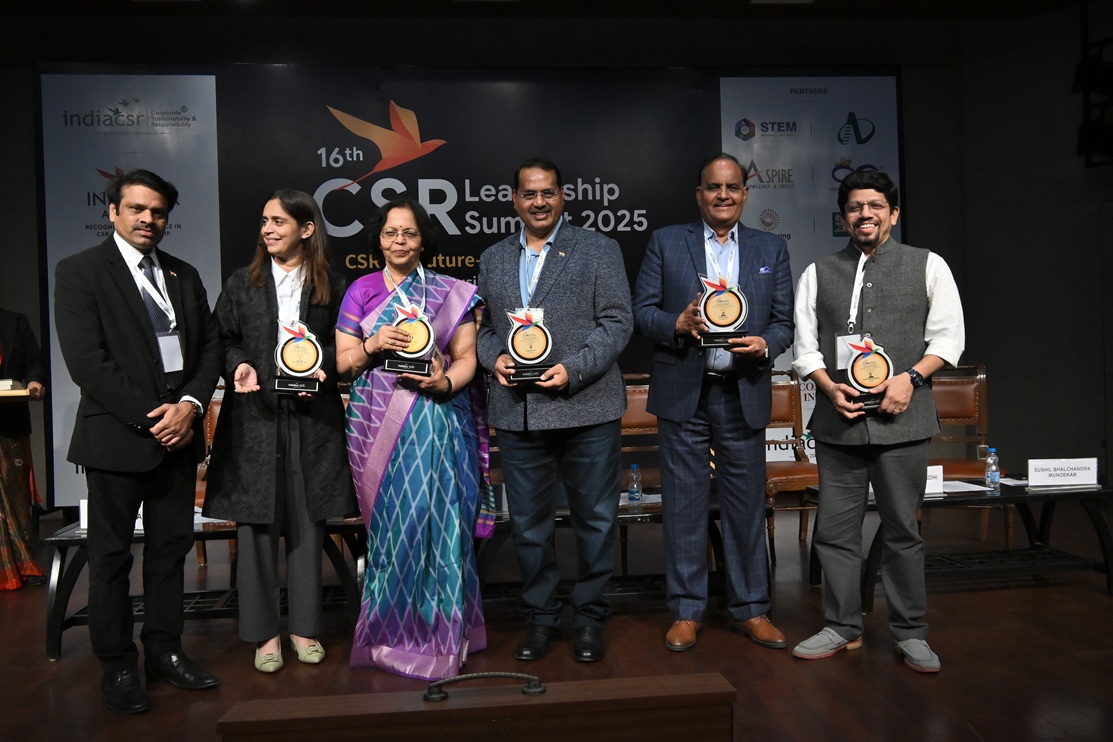
The summit featured insightful keynote addresses, engaging panel discussions, and the prestigious India CSR Awards, celebrating excellence in CSR leadership and impactful community development initiatives.
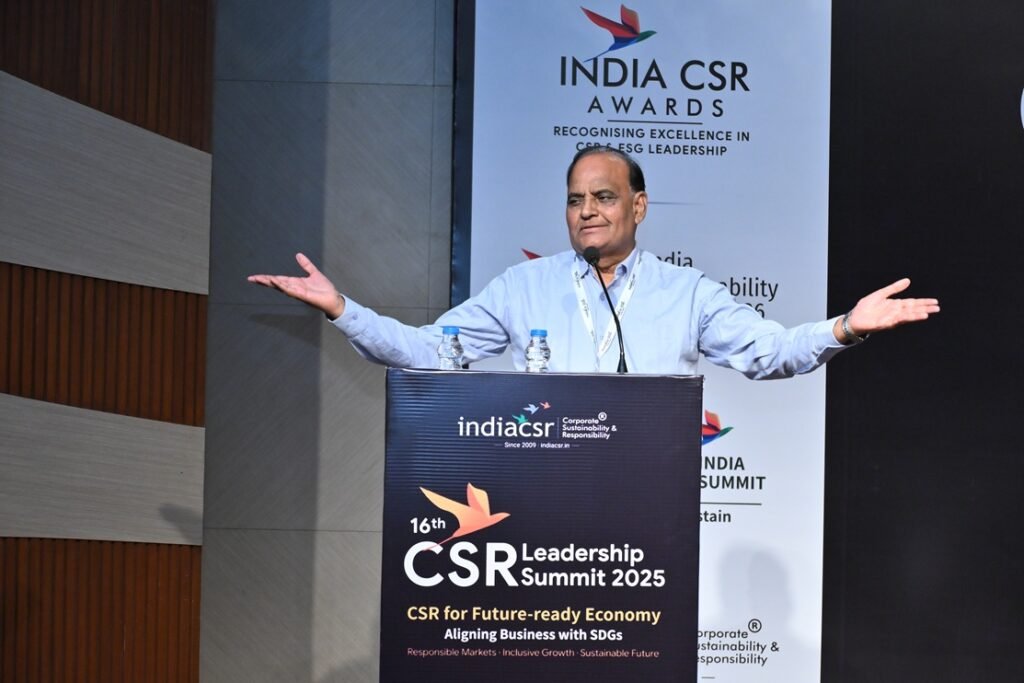
A Distinguished Gathering of Visionaries
The summit commenced with the Welcome Address by Rusen Kumar, Founder of India CSR, who highlighted the growing importance of aligning CSR with national development goals, sustainability priorities, and the future workforce.
The Leadership Session set the tone for the day, featuring powerful keynote addresses from:
- Dr. Leena Deshpande, Head of CSR, Bharat Forge Limited
- Sushil Bhalchandra Mungekar, Founder & CEO, ENpower
- Adv. Sadiya Rohma Khan, Delhi High Court
- Sita Ram Gupta, Social Sector Veteran
- Dr. Sanjay Gandhi, MD, Aspire Knowledge & Skills India Pvt. Ltd.
Speakers emphasized the need for a responsible market ecosystem, integration of the UN Sustainable Development Goals (SDGs), and the rise of inclusive and sustainable business practices.

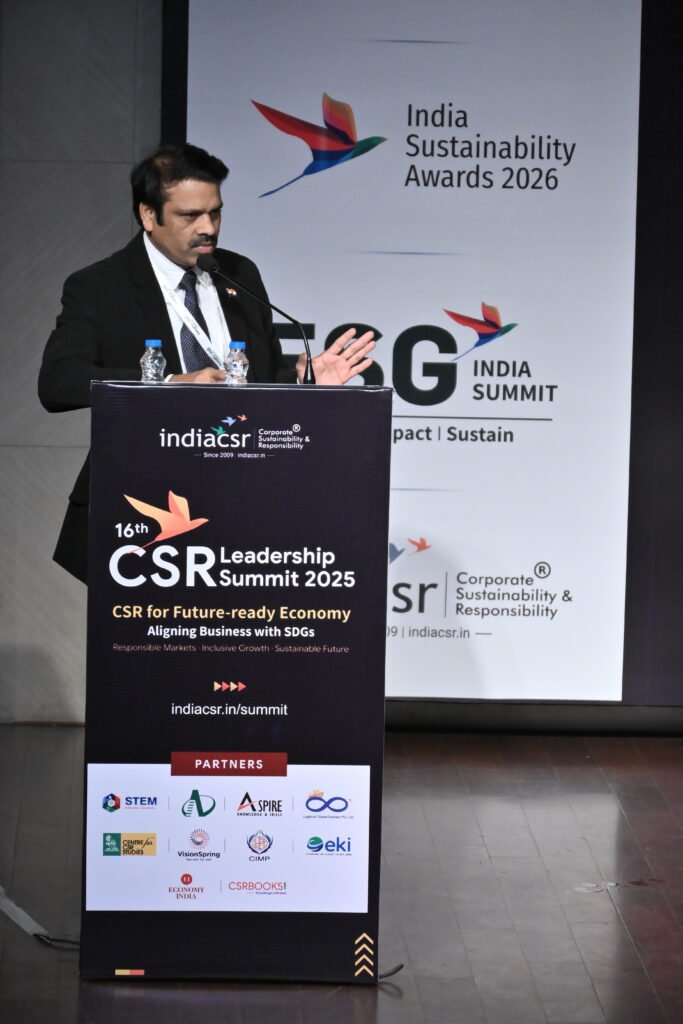
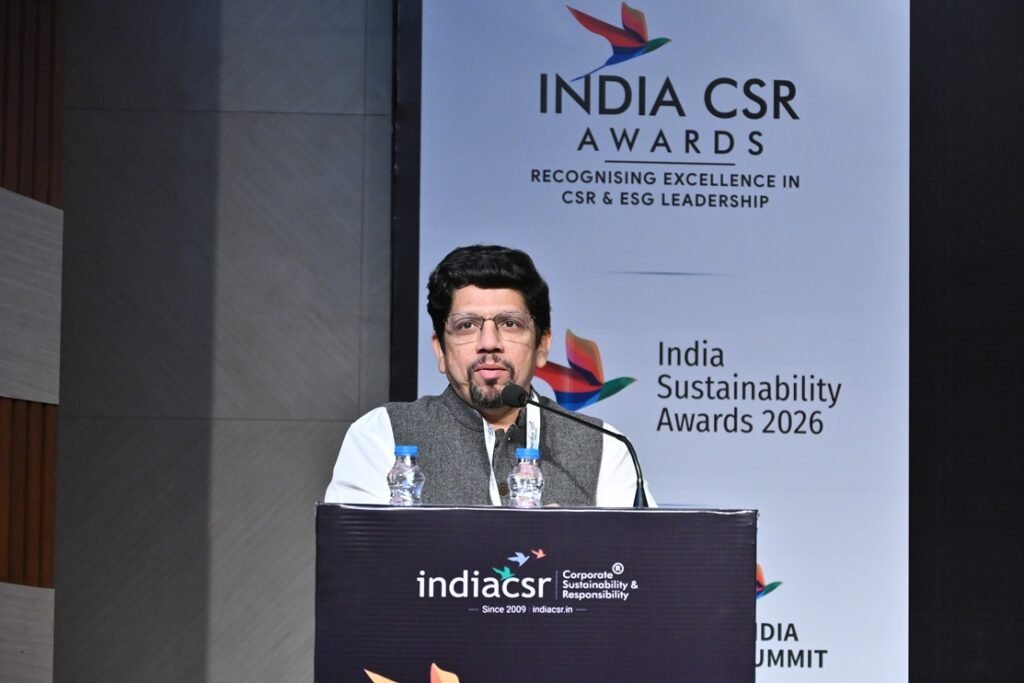
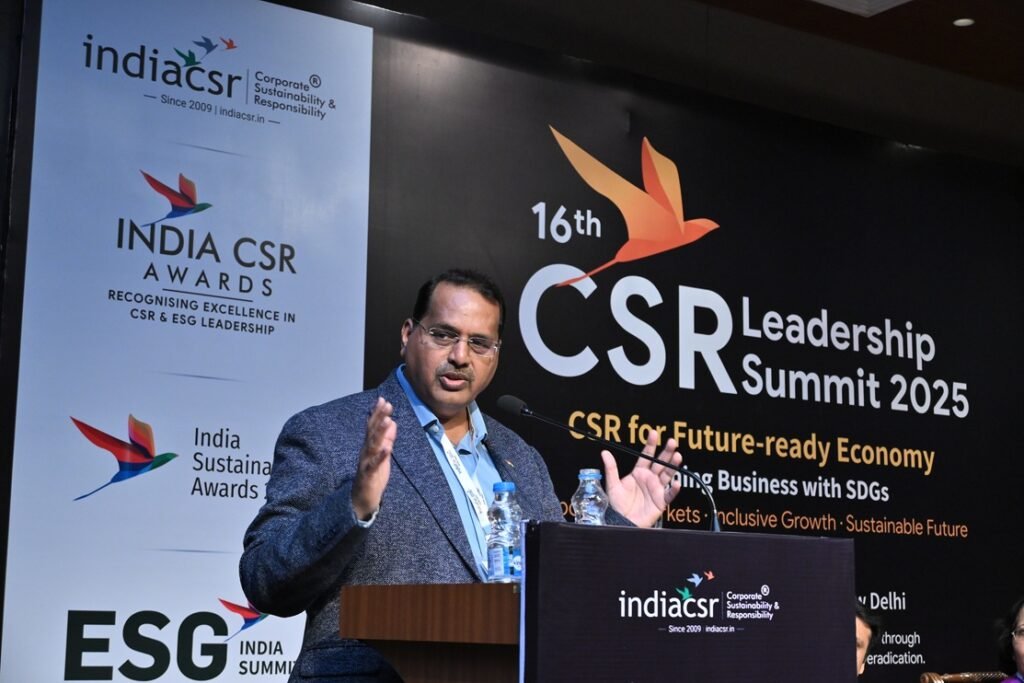
Panel Discussion: Redesigning CSR for Economic Dignity
Supported by Afita Constructions Pvt. Ltd., the central panel discussion focused on ‘Redesigning CSR for Economic Dignity and Opportunity’, placing a strong emphasis on SDG 1 – No Poverty, one of the most urgent and foundational global development goals. The session highlighted the growing need to rethink traditional CSR paradigms and to adopt holistic, dignity-centered approaches that uplift individuals and communities from the cycle of deprivation.
Prominent panelists included:
- Dr. Binita Verdia, Head – CSR, Zydus Life
- Firoz Sadikot, Managing Director, Afita Constructions Pvt. Ltd.
- Ritesh Kumar Sinha, Group CSR Head, Krishna Maruti Limited
- Dr. Neelam Gupta, President & CEO, AROH Foundation
Panelists emphasized that poverty is not merely a lack of income but a multidimensional challenge involving access to education, healthcare, sanitation, housing, skilling, and social protection.
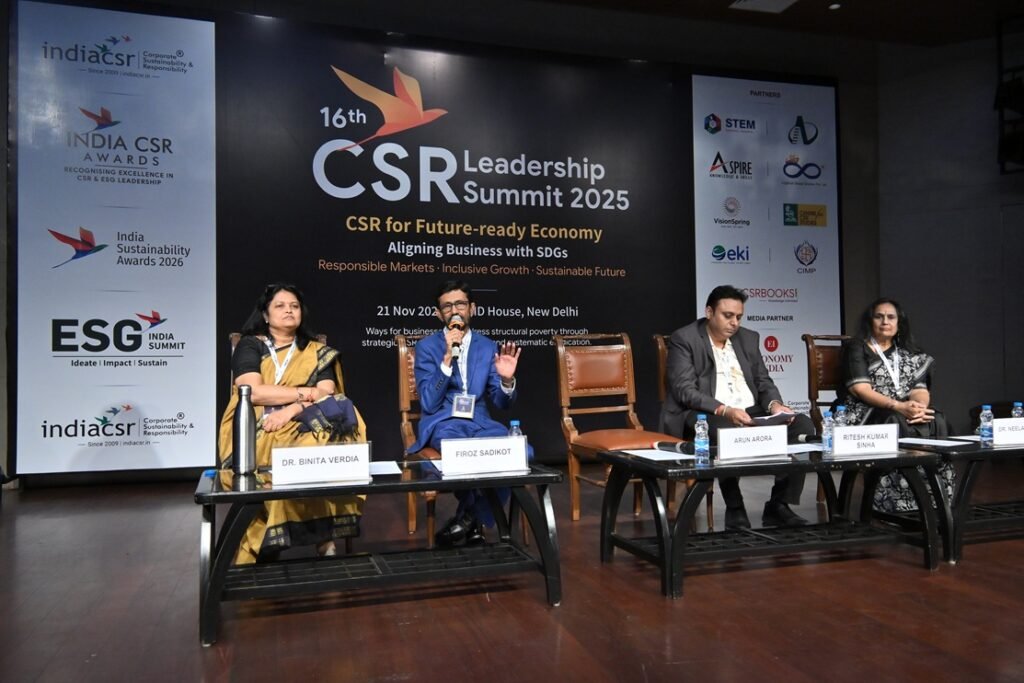
Therefore, CSR interventions must be designed to empower people with opportunities rather than assistance, enabling them to build sustainable livelihoods and participate fully in the economic mainstream. Speakers discussed successful models of livelihood creation, women-led enterprises, rural transformation, and community-owned development, underscoring the importance of long-term capacity-building over short-term relief.
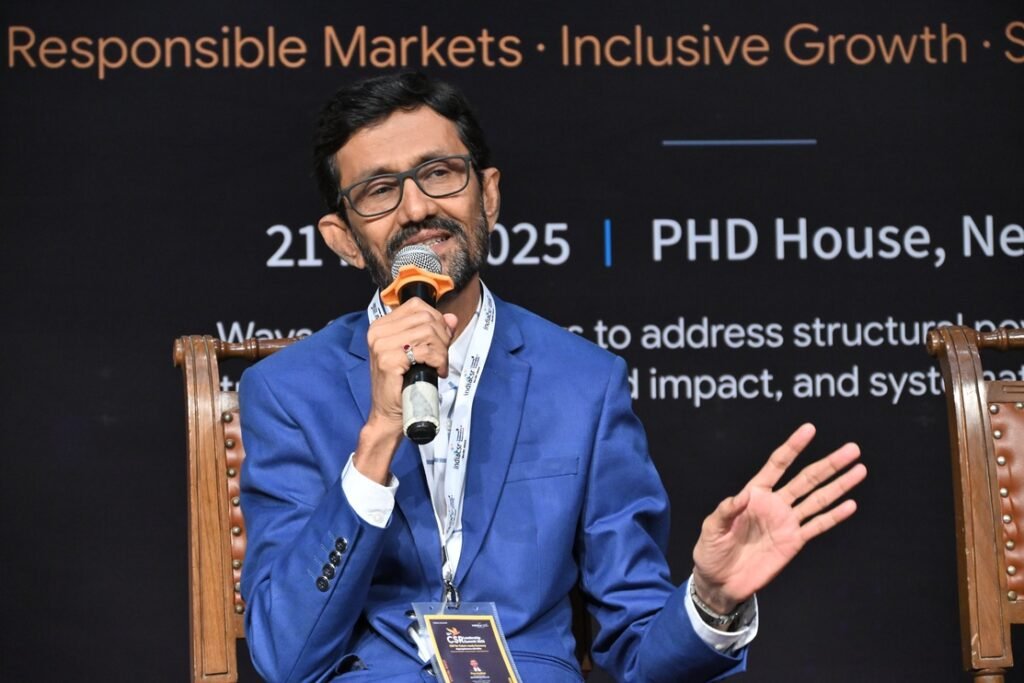
The conversation also touched upon the role of technology, climate resilience, and public-private collaboration in accelerating poverty reduction. By bringing together diverse perspectives from industry leaders, development professionals, and grassroots practitioners, the session reinforced the belief that CSR, when strategically redesigned, can be a powerful catalyst for economic dignity and a poverty-free India.
The session, moderated by Arun Arora, Director, Chetak Foundation, explored scalable models for poverty alleviation, livelihood generation, and community resilience.

Leadership Talk: CSR as a Driver of Change
The Leadership Talk session brought forward emerging trends and bold ideas from:
- M. Aabid, Global Head – Environmental Commodity, EKI Energy Services Limited
- M. S. SriHarsha, CSR Partnerships & Communications, Vidyadhan (SFPI)
- Shweta Verma, Deputy Director, VisionSpring Foundation
- Sanjib Kumar Das, CEO, Bandhan Konnagar
The Leadership Talk brought together four dynamic voices who shared bold ideas and emerging trends shaping the future of social responsibility in India. The session demonstrated how CSR is no longer confined to compliance, but is becoming a central driver of innovation, community empowerment, and sustainable growth across sectors.
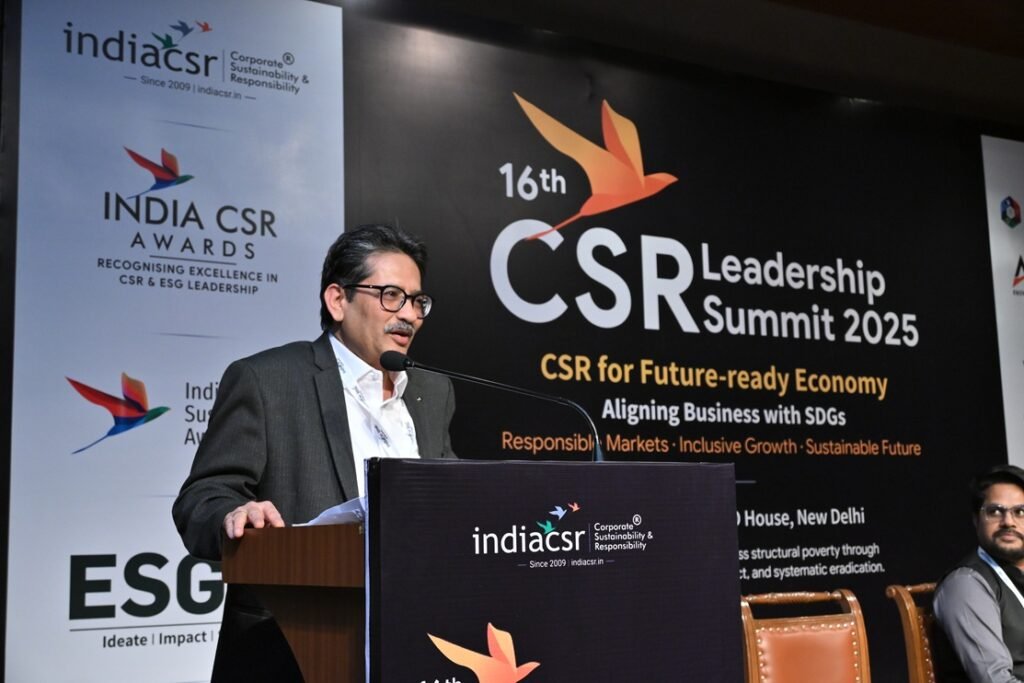
M. Aabid, Global Head – Environmental Commodity at EKI Energy Services Limited, opened the discussion by highlighting the transformative impact of smokeless cookstoves in rural and tribal communities. He explained how these interventions significantly reduce indoor air pollution—one of the leading causes of respiratory diseases among women and children. Beyond health, Aabid emphasized the economic and environmental benefits, including reduced fuel consumption, enhanced family savings, and measurable carbon reductions that contribute directly to India’s climate goals. His insights underscored how climate-friendly CSR solutions can simultaneously improve wellbeing and strengthen local economies.
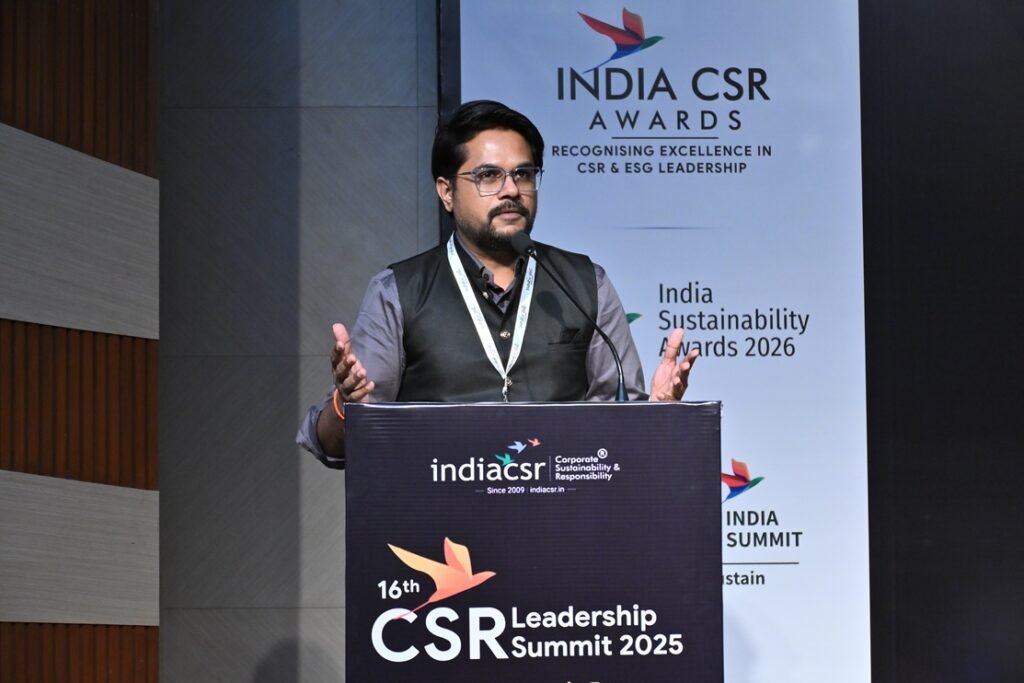
M. S. SriHarsha, representing Vidyadhan, a Shibulal Family Philanthropic Initiative (SFPI), spoke passionately about education as the most powerful equalizer. He described how Vidyadhan identifies and supports talented students from economically disadvantaged families, providing scholarships, mentorship, and long-term academic guidance. SriHarsha stressed that education-driven CSR must go beyond financial aid to focus on empowerment, confidence-building, life skills, and upward mobility, enabling young individuals to reshape their life trajectories.
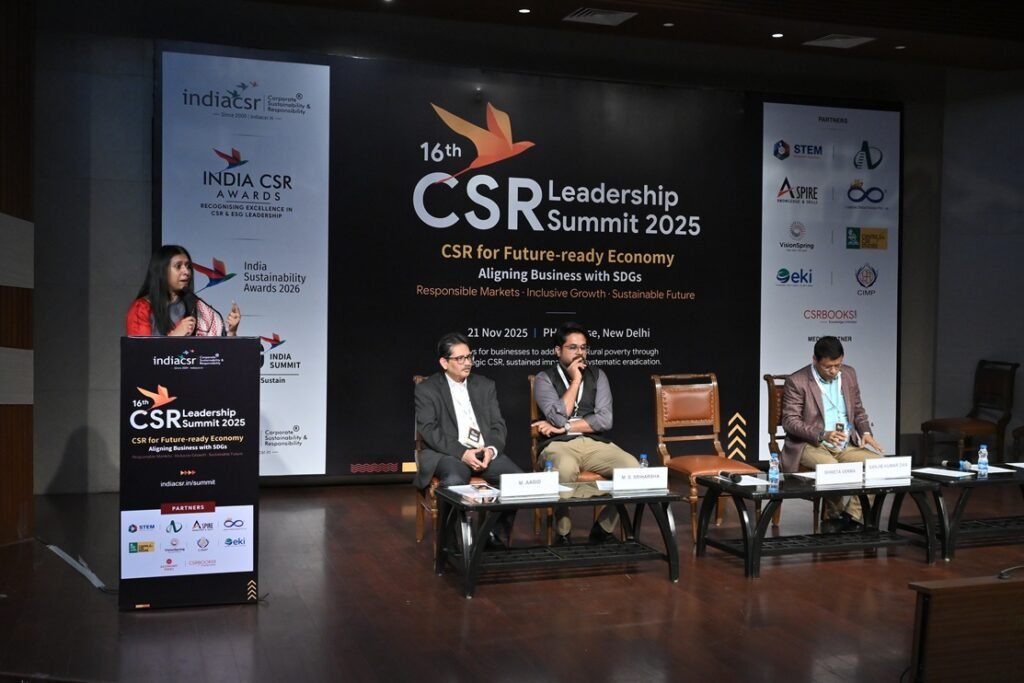
Shweta Verma, Deputy Director at VisionSpring Foundation, shared compelling evidence on the link between eye care and economic productivity. She explained how simple interventions like eye screenings and affordable corrective eyewear dramatically improve earning potential, accuracy in work, and overall quality of life for workers, artisans, and micro-entrepreneurs. Her remarks highlighted eye health as a high-impact yet underprioritized CSR domain with direct livelihood benefits.
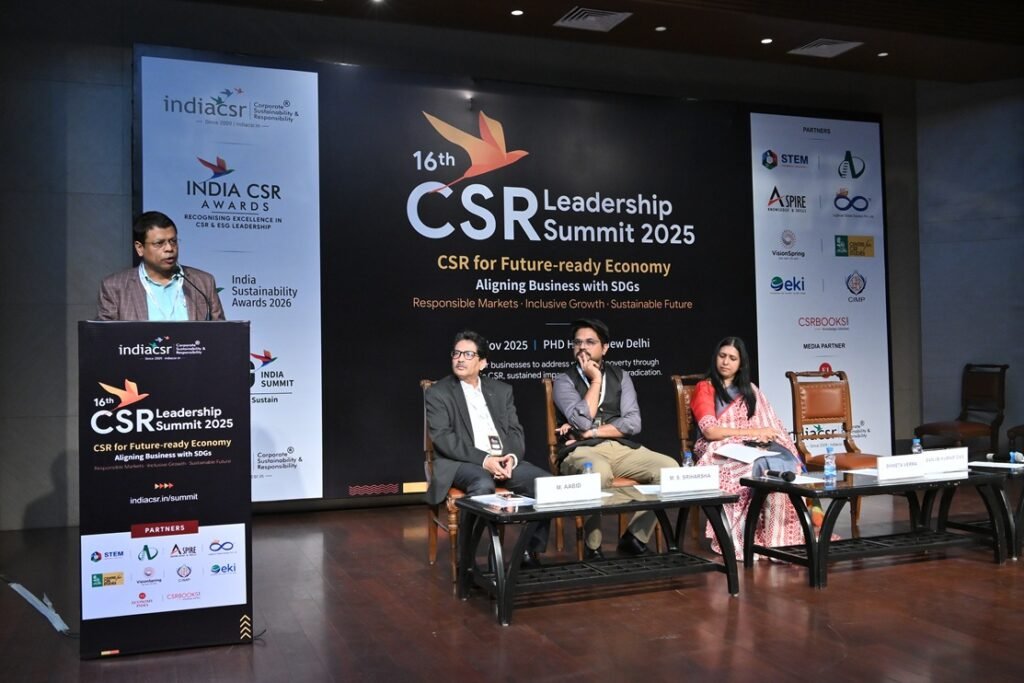
Sanjib Kumar Das, CEO of Bandhan Konnagar, concluded the session with powerful insights on addressing poverty at every level—economic, social, and psychological. He emphasized the need for integrated development models that combine financial inclusion, women empowerment, skill development, and behavioral transformation to create lasting change.
Collectively, the session showcased how innovative CSR strategies can serve as drivers of social change, economic dignity, and inclusive development.
Discussions centered on climate action through CSR, strengthening social enterprises, sustainable supply chains, and innovations that can drive systemic change.
***
Fireside Chat: Celebrating a Decade of Bharatiya Model of CSR
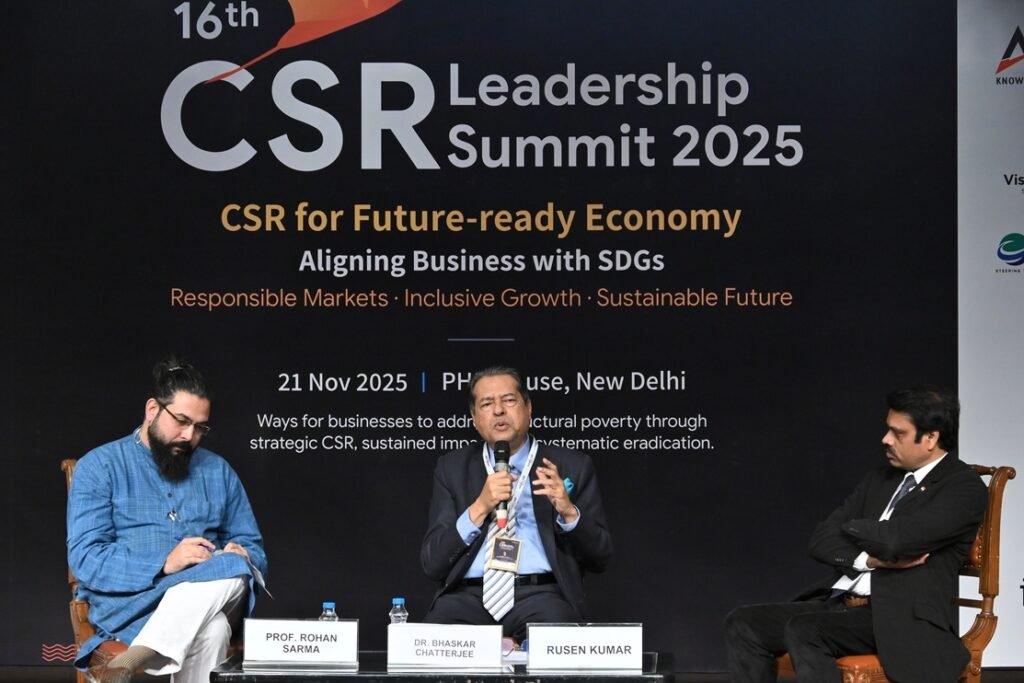
A highlight of the summit was the special fireside chat titled “Exploring the ‘Chatterjee Trikon’ – Celebrating a Decade of Bharatiya Model of CSR.”
The distinguished Chief Guest, Dr. Bhaskar Chatterjee, widely regarded as the Dr. Bhaskar Chatterjee – Father of Indian CSR and Sustainability’ and ‘Chairman, National Sustainability Reporting and Disclosure Standards Committee, Bureau of Indian Standards’, shared profound insights on India’s unique CSR journey over the past decade and the strengthening of sustainability reporting frameworks.
He was joined in conversation by:
- Prof. Rohan Sarma, Social Scientist & CSR Expert
- Rusen Kumar, Editor, India CSR
Together, they reflected on the evolution of CSR laws, sectoral trends, and the roadmap ahead for corporate responsibility in India.

The Uniqueness of India’s CSR Law and the Chatterjee Trikon
India’s CSR law, introduced through the Companies Act, 2013, is globally recognized for creating a unique and mandatory model of corporate responsibility, setting it apart from voluntary frameworks adopted in most other countries. This distinctive approach—popularly known as the Bharatiya Model of CSR—was conceptualized and shaped under the leadership of Dr. Bhaskar Chatterjee, often regarded as the Father of Indian CSR. He emphasized that CSR in India is not merely charity or goodwill but a structured, accountable, and measurable development mechanism integrated into the corporate fabric.
At the heart of this model lies the influential framework called the ‘Chatterjee Trikon’, which defines the strength and sustainability of India’s CSR ecosystem. The triangle comprises three essential pillars: the Regulator (Government), which sets the legal framework, monitors compliance, and ensures transparency; the Profit Maker (Corporate Sector), which allocates financial resources, expertise, and innovation to social development; and the Implementor (NGOs and Civil Society Organizations), which executes projects at the grassroots level, ensuring community participation and measurable impact.
This three-way partnership makes India’s CSR landscape collaborative, accountable, and impact-driven. Over the past decade, this model has helped institutionalize development work, promote responsible business, and create a nationwide ecosystem where corporate funds are strategically deployed for nation-building.
***
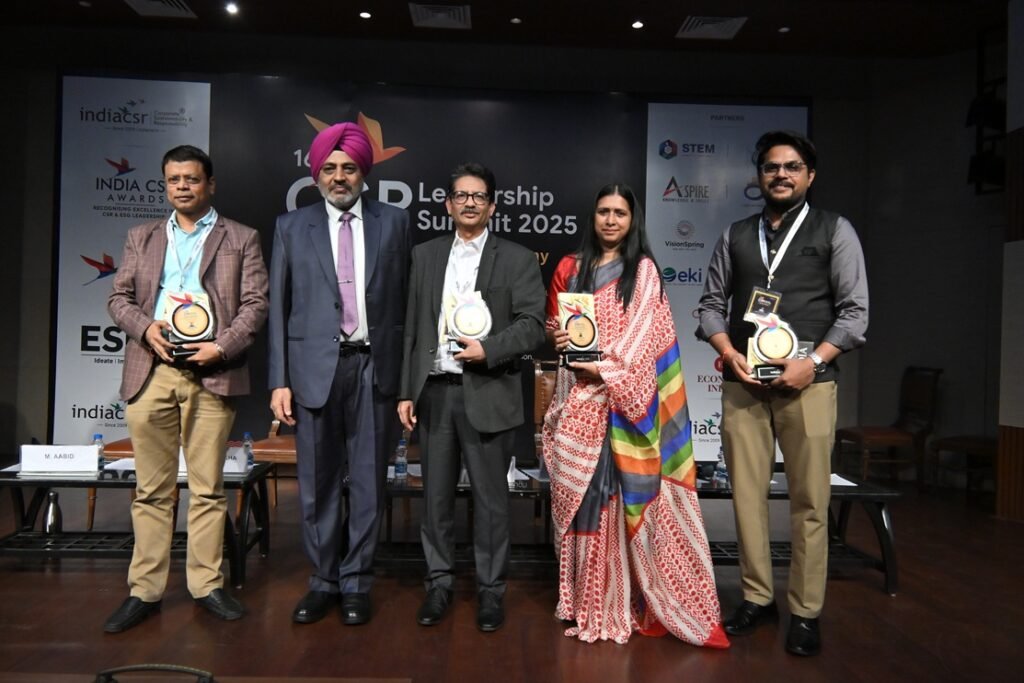
India CSR Awards 2025: Honouring Excellence
The summit culminated in the prestigious India CSR Awards, recognizing outstanding contributions by:
- Corporates
- Nonprofits
- CSR Leaders
Awards were presented for pioneering work in education, health, environment, women empowerment, community development, and innovation-driven CSR practices.
Networking & Collaborations
The event concluded with high tea and networking, offering delegates valuable opportunities to collaborate, exchange ideas, and explore potential partnerships to scale CSR impact across India.
(India CSR)