How thoughtful education, hands-on learning, and global collaboration are shaping better periodontal and implant care
Modern dentistry loves its shiny new toys—better materials, faster drills, smarter tech. But here’s the thing: behind every smile that actually lasts, there’s something way less flashy going on. It’s about understanding how living tissue behaves, how the body heals, and what happens six months down the line, not just six days.
In the world of gums and implants, soft tissue management has become the quiet game-changer. Get it right, and everything else falls into place. Get it wrong, and even the fanciest implant won’t save you.
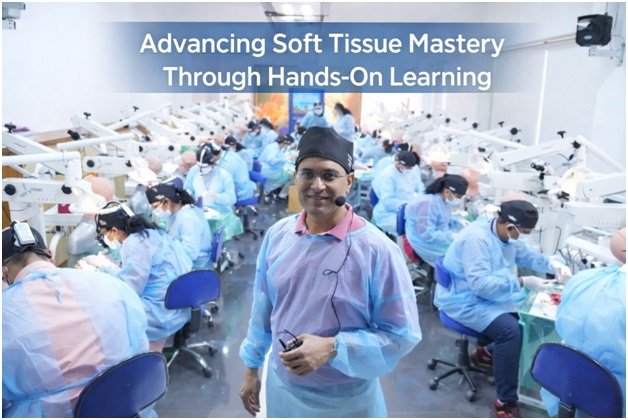
That’s exactly what brought dentists from across India and as far as Australia to a three-day intensive in late January 2025. The Soft Tissue Masterclass, led by Dr. Neel Bhatavadekar from Clarus Dental Specialties—a periodontist known for keeping things real and evidence-based—wasn’t about flashy tricks or cookie-cutter solutions. It was about learning to think like a clinician, not just operate like one.
It’s Not Just About Technique—It’s About Thinking
Here’s the problem with a lot of dental training: it teaches you how to do things, but not always when or why. Soft tissue work gets reduced to a set of steps, like following a recipe. But anyone who’s spent time in a real clinic knows that no two mouths are the same.
Tissue quality varies. Patient health matters. Expectations differ. And what works beautifully for one person might completely flop for another.
So instead of just drilling techniques, this masterclass focused on something harder to teach: clinical judgment.
Participants dug into:
- How tissue actually heals (and why that matters more than you’d think)
- Planning procedures with the long game in mind
- Common mistakes—and how to dodge them before they happen
- Tailoring your approach to the person in the chair, not just the textbook case
The vibe was collaborative. Small groups, real case discussions, lots of questions. The kind of environment where you can admit you’re not sure about something without feeling like you’re back in dental school getting grilled.
As Dr. Neel Bhatavadekar put it during one session:
“Good dentistry is not about doing more. It’s about doing what’s appropriate for the patient, based on sound biological principles.”
Translation? Sometimes the best move is knowing when not to intervene.
Learning by Doing (Not Just Watching)
You can read about soft tissue surgery all day, but until you’ve held the instruments and worked through a case under someone’s watchful eye, it doesn’t quite click.
That’s why the hands-on component was such a big deal. Over three days, participants practiced surgical protocols with real-time feedback. No rushing. No showing off. Just careful, deliberate work that respects what tissue can actually handle.
For a lot of attendees, this was a wake-up call. Several said afterward that the course made them rethink their usual routines—how they assess cases, talk to patients, and map out treatment plans.
Sometimes slowing down is the fastest way to get better.
Learning Across Borders
One of the coolest things about this masterclass? It wasn’t just local. Dentists from India trained alongside colleagues from Australia, and the program had academic backing from Tufts University Dental School.
Mixing perspectives like that made for richer conversations:
- How do protocols differ across countries?
- What do patients expect in different cultures?
- How do you balance textbook ideals with real-world constraints?
Rather than pushing a one-size-fits-all system, the program focused on adaptable principles—stuff you can actually use no matter where you practice.
“Dentistry is universal, but practice environments differ,” Dr. Neel Bhatavadekar noted. “When we learn together, we gain perspective—and that ultimately benefits our patients.”
Staying Humble in a World of Highlight Reels
Let’s be honest: social media has changed the game. These days, everyone’s posting their best cases, their cleanest X-rays, their happiest patients. And that’s fine—except it can create this weird pressure to never admit when things don’t go perfectly.
This masterclass took a different approach. It made space for honesty.
Complications happen. Cases don’t always turn out as planned. And that’s not failure—it’s part of the learning curve.
Experienced clinicians especially seemed to appreciate this. Because the longer you practice, the more you realize that staying current, staying humble, and being willing to adjust your thinking is what separates good dentists from great ones.
Patients notice this too. They don’t just want someone who’s confident—they want someone who’s thoughtful, transparent, and focused on what’s best for them long-term, not just what looks good in the moment.
What This Actually Means for Patients
Okay, so this was a course for dentists. But here’s why it matters to anyone sitting in a dental chair:
Dentists who understand soft tissue principles at this level are better at:
- Avoiding complications before they start
- Helping you heal faster and more comfortably
- Delivering results that actually last
- Knowing when not to recommend surgery (which is just as important)
If you’re considering periodontal treatment or dental implants, you want someone who’s invested in staying sharp, who learns from others, and who treats continuing education as part of the job—not a checkbox.
Specialized gum care and soft tissue management form the foundation of long-term implant success, which is why services such as Periodontics & Gum Care remain central to modern dentistry.
Dr. Neel Bhatavadekar’s whole philosophy boils down to this: when clinicians keep growing, patient care gets better. Simple as that.
Modern dentistry isn’t just about the latest gadgets. It’s about people who care enough to keep learning, to question their own assumptions, and to put biology and long-term outcomes ahead of quick wins.
That’s the kind of dentistry worth investing in—for practitioners and patients alike.