• India CSR Awards 2025
  • India CSR Leadership Summit
  • Guest Posts
  • Login
Friday, March 13, 2026
India CSR
  • Home
  • Corporate Social Responsibility
    • Art & Culture
    • CSR Leaders
    • Child Rights
    • Culture
    • Education
    • Gender Equality
    • Around the World
    • Skill Development
    • Safety
    • Covid-19
    • Safe Food For All
  • Sustainability
    • Sustainability Dialogues
    • Sustainability Knowledge Series
    • Plastics
    • Sustainable Development Goals
    • ESG
    • Circular Economy
    • BRSR
  • Corporate Governance
    • Diversity & Inclusion
  • Interviews
  • SDGs
    • No Poverty
    • Zero Hunger
    • Good Health & Well-Being
    • Quality Education
    • Gender Equality
    • Clean Water & Sanitation – SDG 6
    • Affordable & Clean Energy
    • Decent Work & Economic Growth
    • Industry, Innovation & Infrastructure
    • Reduced Inequalities
    • Sustainable Cities & Communities
    • Responsible Consumption & Production
    • Climate Action
    • Life Below Water
    • Life on Land
    • Peace, Justice & Strong Institutions
    • Partnerships for the Goals
  • Articles
  • Events
  • हिंदी
  • More
    • Business
    • Finance
    • Environment
    • Economy
    • Health
    • Around the World
    • Social Sector Leaders
    • Social Entrepreneurship
    • Trending News
      • Important Days
        • Festivals
      • Great People
      • Product Review
      • International
      • Sports
      • Entertainment
    • Case Studies
    • Philanthropy
    • Biography
    • Technology
    • Lifestyle
    • Sports
    • Gaming
    • Knowledge
    • Home Improvement
    • Words Power
    • Chief Ministers
No Result
View All Result
  • Home
  • Corporate Social Responsibility
    • Art & Culture
    • CSR Leaders
    • Child Rights
    • Culture
    • Education
    • Gender Equality
    • Around the World
    • Skill Development
    • Safety
    • Covid-19
    • Safe Food For All
  • Sustainability
    • Sustainability Dialogues
    • Sustainability Knowledge Series
    • Plastics
    • Sustainable Development Goals
    • ESG
    • Circular Economy
    • BRSR
  • Corporate Governance
    • Diversity & Inclusion
  • Interviews
  • SDGs
    • No Poverty
    • Zero Hunger
    • Good Health & Well-Being
    • Quality Education
    • Gender Equality
    • Clean Water & Sanitation – SDG 6
    • Affordable & Clean Energy
    • Decent Work & Economic Growth
    • Industry, Innovation & Infrastructure
    • Reduced Inequalities
    • Sustainable Cities & Communities
    • Responsible Consumption & Production
    • Climate Action
    • Life Below Water
    • Life on Land
    • Peace, Justice & Strong Institutions
    • Partnerships for the Goals
  • Articles
  • Events
  • हिंदी
  • More
    • Business
    • Finance
    • Environment
    • Economy
    • Health
    • Around the World
    • Social Sector Leaders
    • Social Entrepreneurship
    • Trending News
      • Important Days
        • Festivals
      • Great People
      • Product Review
      • International
      • Sports
      • Entertainment
    • Case Studies
    • Philanthropy
    • Biography
    • Technology
    • Lifestyle
    • Sports
    • Gaming
    • Knowledge
    • Home Improvement
    • Words Power
    • Chief Ministers
No Result
View All Result
India CSR
No Result
View All Result
Home Health

What is Nipah Virus? Symptoms, Spread, and Risk Explained

India CSR by India CSR
January 31, 2026
in Health
Reading Time: 9 mins read
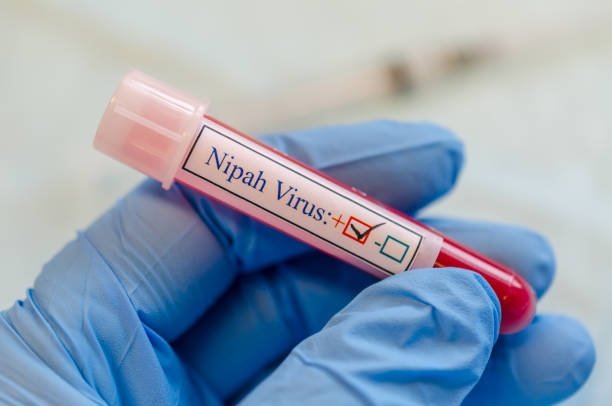
nipah virus

Image Credit: iStock

Share Share Share Share
WhatsApp icon
WhatsApp — Join Us
Instant updates & community
Google News icon
Google News — Follow Us
Get our articles in Google News feed

After fresh Nipah cases were reported in eastern India, here’s a clear, science-backed explainer on what the virus is, how it spreads, and why health authorities treat it as a high-risk outbreak threat.

NEW DELHI (India CSR): A renewed spotlight has fallen on Nipah Virus (NiV) after new cases were reported in India in January 2026, prompting heightened vigilance among health authorities and travel operators across parts of Asia. In West Bengal, officials confirmed infections among healthcare workers linked to a private hospital near Kolkata, and contact tracing and testing were rapidly expanded. In at least one report, authorities said nearly 200 contacts had been traced and tested negative, supporting claims that the cluster was contained.

The development has revived public anxiety for a simple reason: Nipah is rare, but it can be deadly, and it has no approved, widely available vaccine or specific curative treatment. Global health agencies have repeatedly flagged it as a virus with outbreak potential—especially in regions where humans, livestock, and wildlife habitats overlap.

Below is what we know about Nipah virus, including symptoms, transmission routes, mortality risk, and practical prevention steps, along with context on why even small clusters draw major attention.

What Exactly Is Nipah Virus?

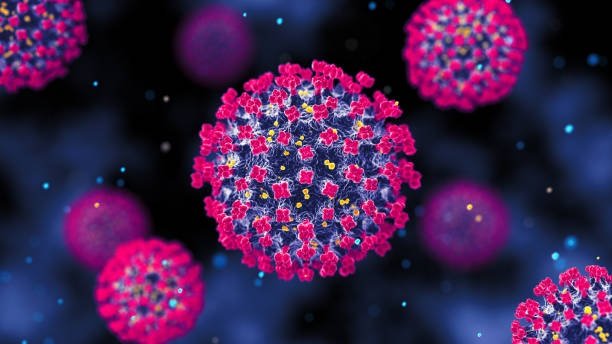
Nipah virus is a zoonotic virus, meaning it can spread from animals to humans. Fruit bats—particularly bats in the Pteropus (flying fox) group—are considered the natural reservoir. The virus was first identified in 1999, after an outbreak linked to pigs and humans in Malaysia and Singapore.
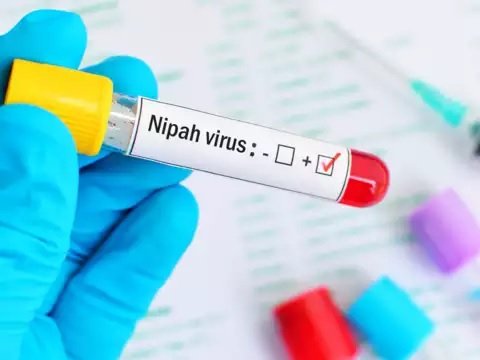
Nipah virus

Since then, outbreaks have been reported intermittently in parts of South and Southeast Asia, most notably in Bangladesh and India, where transmission sometimes occurs through close contact and caregiving environments.

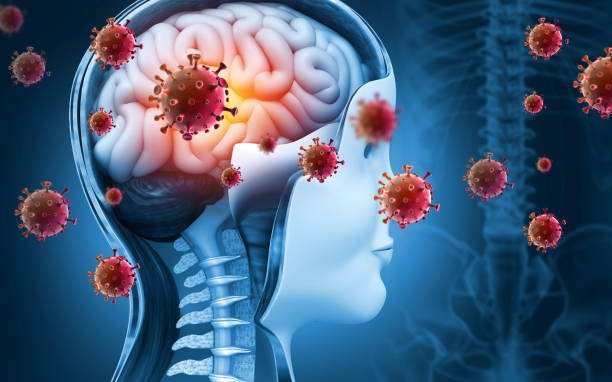
What makes Nipah different from many common respiratory viruses is its ability to cause severe neurological disease, including encephalitis (brain inflammation)—a condition that can progress rapidly and become fatal.

Why Nipah Virus Triggers High Alert

Nipah virus is watched closely for three reasons:

  1. High severity: In recognized outbreaks, mortality has often been high.
  2. Multiple transmission routes: It can spread via animal-to-human and human-to-human pathways.
  3. No specific cure: Treatment is largely supportive.

The case fatality rate reported by major public health agencies typically ranges around 40% to 75%, varying by outbreak, healthcare access, and detection timing.

That combination—high consequence + limited medical countermeasures—is why even small clusters prompt containment measures and intensive contact tracing.

Symptoms: How Nipah Infection Usually Presents

Nipah symptoms can start like many other infections—fever and fatigue—before escalating to serious respiratory or neurological illness.

Common early symptoms include:

  • Fever
  • Headache
  • Muscle pain
  • Sore throat
  • Cough
  • Vomiting
  • Weakness or fatigue

As illness worsens, some patients develop:

  • Breathing difficulty
  • Drowsiness or confusion
  • Seizures
  • Encephalitis
  • Coma within 24–48 hours in severe cases

Clinical summaries from the U.S. CDC note that illness can range from mild to severe and may progress quickly to encephalitis.
The WHO also highlights the neurological progression and the possibility of long-term complications among survivors.
India CSR
Image Credit: iStock

Incubation Period: Why Monitoring Can Last Weeks

The incubation period—time from infection to symptoms—is typically 3 to 14 days, but in rare instances it can extend up to 45 days, according to the WHO.

This long window is one reason public health officials often:

  • Identify and list contacts
  • Monitor them for symptoms
  • Test when needed
  • Apply quarantine or isolation where appropriate

It’s also why outbreaks can be unsettling: a person may feel fine while still within the monitoring period.


How Nipah Spreads

Nipah can spread through several pathways:

1) Animal-to-human transmission
Humans can be infected after contact with infected animals or their bodily fluids. In the original 1999 outbreak, pigs played a key role in transmission.

2) Food-borne transmission
People can be infected via food contaminated by bats—for example, fruit or raw sap products contaminated by bat saliva or urine (this route has been highlighted in multiple past outbreak investigations).

3) Human-to-human transmission
Nipah can spread between people through close contact, including exposure to respiratory secretions or bodily fluids—especially in caregiving or hospital settings. The WHO and CDC both recognize human-to-human transmission as possible, which is why healthcare clusters are treated with urgency.

Why Hospitals Are Often the Center of Nipah Response

Healthcare settings can amplify risk when:

  • Patients are not diagnosed early
  • Infection control measures are delayed
  • Protective equipment is inconsistent

In the January 2026 India reports, the cases were linked to a hospital environment near Kolkata, and authorities emphasized contact tracing and reassurance to airlines. One report said 196 contacts were traced, monitored, and tested negative, suggesting no wider spread was detected at the time of reporting.

This pattern—rapid response, aggressive contact tracing, strict infection control—mirrors what has helped contain past Nipah events in India.


How Deadly Is Nipah Virus, Really?

Nipah’s fatality rate is high compared with many infectious diseases, but it can vary widely depending on:

  • How quickly cases are identified
  • Access to intensive care
  • Underlying health conditions
  • Whether encephalitis develops

Major health authorities often cite a case fatality range around 40%–75%.

It’s important to interpret those numbers carefully. Nipah outbreaks are typically small, and severe cases are more likely to be detected and reported—meaning milder infections might be missed. Still, because severe disease can be rapid and unpredictable, clinicians treat suspected cases with extreme caution.
India CSR
Image Credit: iStock

Is There a Treatment or Vaccine for Nipah?

At present, there is no specific antiviral cure that is widely approved as definitive treatment for Nipah, and no licensed vaccine for broad public use.

Care is usually supportive, including:

  • Early hospital evaluation for suspected cases
  • Respiratory support if pneumonia or breathing failure develops
  • Intensive care for encephalitis or seizures
  • Strict infection prevention and control

The WHO emphasizes supportive care and notes that severe cases may progress quickly to coma.

Research continues globally on vaccines and therapeutics, but outbreak control still relies mainly on public health measures: identify, isolate, trace, test, and protect healthcare workers.

Prevention: Practical Steps That Actually Reduce Risk

Because Nipah spreads through contact and contamination, prevention focuses on reducing exposure:

For the public (during alerts):

  • Avoid consuming fruits that look bitten or partially eaten by animals
  • Wash fruits thoroughly and peel when possible
  • Avoid contact with bats and sick animals
  • Follow health advisories about outbreak locations

For caregivers and healthcare settings:

  • Use PPE (gloves, masks/respirators as advised, eye protection)
  • Isolate suspected cases
  • Practice strict hand hygiene and surface disinfection
  • Follow hospital infection-control protocols for respiratory and neurological cases

These aren’t “panic steps.” They’re standard containment practices that have proven effective for rare but high-impact viruses.

Why Travel Screening Became a Talking Point

After the India reports in January 2026, some countries in Asia discussed or introduced enhanced airport checks for travelers arriving from affected areas, reflecting caution around a virus with a high fatality rate and long incubation period.

At the same time, local airport health officials in Kolkata reportedly told airlines screening was not necessary, citing containment measures and negative test results among monitored contacts.

The takeaway: travel advisories can differ by country, but they generally reflect the same goal—early detection and prevention of onward spread.

What This Means for India Right Now

Public health experts tend to emphasize two truths at once:

  • Nipah is serious because severe cases can be fatal and there’s no specific cure.
  • Nipah is containable when outbreaks are detected early and infection control is strong—especially with rapid contact tracing.

If you live in or near an affected region, the most useful action is to follow official state and central health advisories, seek medical attention early if symptoms develop, and avoid rumor-driven “home cures” circulating online.

(India CSR)

India Responsible Education & AI Summit 2026
ADVERTISEMENT
Ambedkar Chamber
ADVERTISEMENT
ESG Professional Network
ADVERTISEMENT
India Sustainability Awards 2026
ADVERTISEMENT
India CSR Image 1 India CSR Image 2
Tags: Nipah VirusNipah Virus in IndiaWhat is Nipah Virus

CSR, Sustainability, and ESG success stories hindustan zinc
ADVERTISEMENT
India CSR

India CSR

India CSR is the largest media on CSR and sustainability offering diverse content across multisectoral issues on business responsibility. It covers Sustainable Development, Corporate Social Responsibility (CSR), Sustainability, and related issues in India. Founded in 2009, the organisation aspires to become a globally admired media that offers valuable information to its readers through responsible reporting.

Related Posts

Women Lead the Way in Emergency Care at Bharati Hospital in Pune
Health

Women Lead the Way in Emergency Care at Bharati Hospital in Pune

1 week ago
Bile Duct Cancer
Health

Early Warning Signs of Gallbladder and Bile Duct Cancer

3 weeks ago
Cracking Cachexia: How Brain–Liver Miscommunication Drives Severe Weight Loss in Cancer
Health

Cracking Cachexia: How Brain–Liver Miscommunication Drives Severe Weight Loss in Cancer

3 weeks ago
Understanding the Brain-Glucose Connection: What Alzheimer’s, Diabetes, and CGM Have in Common
Health

Understanding the Brain-Glucose Connection: What Alzheimer’s, Diabetes, and CGM Have in Common

4 weeks ago
Fertility Treatment Accessibility & Health Equity in India: A Ground-Level Reality Check
Health

Fertility Treatment Accessibility & Health Equity in India: A Ground-Level Reality Check

1 month ago
Online Pharmacy Website Before Ordering
Health

5 Safety Features To Look For In An Online Pharmacy Website Before Ordering

1 month ago
Load More
India Responsible Education & AI Summit 2026
ADVERTISEMENT
Ambedkar Chamber
ADVERTISEMENT
ADVERTISEMENT
India Sustainability Awards 2026
ADVERTISEMENT

LATEST NEWS

Former Union Minister Suresh Prabhu to Launch ‘India@100 Resurgent Bharat: Road Map for 2047’ on March 24, 2026 in New Delhi

India Can End Import Dependence if It Unlocks Its Resource Potential, says Vedanta Chairman Anil Agarwal

Actor Vikrant Massey Launches Rungta IAS Academy; Says Bhilai Can Become the ‘Mukherjee Nagar’ for IAS Aspirants

Dr. Bhaskar Chatterjee Joins CIMP as Professor of Practice and Chief Advisor for CSR & ESG Foundation

Energy Security in an Age of Conflict—The Case for Accelerating the Transition

White Paper Proposes a New Framework for Inclusive Education in Urban India

Economy India Largest Media on Indian Economy and Business
ADVERTISEMENT
Ad 1 Ad 2 Ad 3
ADVERTISEMENT
ESG Professional Network
ADVERTISEMENT

TOP NEWS

Wizz Financial Completes First Stablecoin-Powered Cross-Border Transaction from the US to 80 Countries with BitGo

DBS Bank’s Sustainable Financing Reaches SGD 102 billion in 2025, Up 14% Year-on-Year

Applications Invited for the Social Entrepreneur of the Year Award, India 2026

World’s Largest Free Wellness App Insight Timer Launches in India

CREDAI Surat Women’s Wing Strengthens Community Initiatives and Women’s Leadership in Real Estate

ABB Deepens Karnataka Footprint with New Investments to Serve High Growth Emerging Sectors

Load More
STEM Learning STEM Learning STEM Learning
ADVERTISEMENT

Interviews

Kayana Monga, a student at Shiv Nadar School, Noida, Founder - Project Muskan
Interviews

An Interview with Student Changemaker Kayana Monga Working on Rural Mental Health

by India CSR
March 12, 2026

Student-led Project Muskan brings mental health awareness and care to rural children across India.

Read moreDetails
Meha Patel, Vice Chairperson of Zydus Foundation

Interview: Meha Patel on Zydus Foundation’s Vision for Sustainable Social Impact

March 11, 2026
Prachi Kaushik, Founder and Director of Vyomini Social Enterprise

Menstrual Hygiene Awareness Must Go Beyond Pad Distribution: Prachi Kaushik, Vyomini Social Enterprise

March 8, 2026
Prerrit Mansingh, Secretary, Aayom Welfare Society

Scaling Compassion into Structured Social Change: An Interview with Prerrit Mansingh

February 28, 2026
Load More
Facebook Twitter Youtube LinkedIn Instagram
India CSR Logo

India CSR is the largest tech-led platform for information on CSR and sustainability in India offering diverse content across multisectoral issues. It covers Sustainable Development, Corporate Social Responsibility (CSR), Sustainability, and related issues in India. Founded in 2009, the organisation aspires to become a globally admired media that offers valuable information to its readers through responsible reporting. To enjoy the premium services, we invite you to partner with us.

Follow us on social media:


Dear Valued Reader

India CSR is a free media platform that provides up-to-date information on CSR, Sustainability, ESG, and SDGs. We need reader support to continue delivering honest news. Donations of any amount are appreciated.

Help save India CSR.

Donate Now

Donate at India CSR

  • About India CSR
  • Team
  • India CSR Awards 2025
  • India CSR Leadership Summit
  • India Responsible Education & AI Summit 2026
  • Partnership
  • Guest Posts
  • Services
  • ESG Professional Network
  • Content Writing Services
  • Business Information
  • Contact
  • Privacy Policy
  • Terms of Use
  • Donate

Copyright © 2025 - India CSR | All Rights Reserved

Welcome Back!

Login to your account below

Forgotten Password?

Retrieve your password

Please enter your username or email address to reset your password.

Log In
No Result
View All Result
  • Home
  • Corporate Social Responsibility
    • Art & Culture
    • CSR Leaders
    • Child Rights
    • Culture
    • Education
    • Gender Equality
    • Around the World
    • Skill Development
    • Safety
    • Covid-19
    • Safe Food For All
  • Sustainability
    • Sustainability Dialogues
    • Sustainability Knowledge Series
    • Plastics
    • Sustainable Development Goals
    • ESG
    • Circular Economy
    • BRSR
  • Corporate Governance
    • Diversity & Inclusion
  • Interviews
  • SDGs
    • No Poverty
    • Zero Hunger
    • Good Health & Well-Being
    • Quality Education
    • Gender Equality
    • Clean Water & Sanitation – SDG 6
    • Affordable & Clean Energy
    • Decent Work & Economic Growth
    • Industry, Innovation & Infrastructure
    • Reduced Inequalities
    • Sustainable Cities & Communities
    • Responsible Consumption & Production
    • Climate Action
    • Life Below Water
    • Life on Land
    • Peace, Justice & Strong Institutions
    • Partnerships for the Goals
  • Articles
  • Events
  • हिंदी
  • More
    • Business
    • Finance
    • Environment
    • Economy
    • Health
    • Around the World
    • Social Sector Leaders
    • Social Entrepreneurship
    • Trending News
      • Important Days
      • Great People
      • Product Review
      • International
      • Sports
      • Entertainment
    • Case Studies
    • Philanthropy
    • Biography
    • Technology
    • Lifestyle
    • Sports
    • Gaming
    • Knowledge
    • Home Improvement
    • Words Power
    • Chief Ministers

Copyright © 2025 - India CSR | All Rights Reserved

This website uses cookies. By continuing to use this website you are giving consent to cookies being used. Visit our Privacy and Cookie Policy.