• India CSR Awards 2025
  • India CSR Leadership Summit
  • Guest Posts
Friday, December 19, 2025
India CSR
  • Home
  • Corporate Social Responsibility
    • Art & Culture
    • CSR Leaders
    • Child Rights
    • Culture
    • Education
    • Gender Equality
    • Around the World
    • Skill Development
    • Safety
    • Covid-19
    • Safe Food For All
  • Sustainability
    • Sustainability Dialogues
    • Sustainability Knowledge Series
    • Plastics
    • Sustainable Development Goals
    • ESG
    • Circular Economy
    • BRSR
  • Corporate Governance
    • Diversity & Inclusion
  • Interviews
  • SDGs
    • No Poverty
    • Zero Hunger
    • Good Health & Well-Being
    • Quality Education
    • Gender Equality
    • Clean Water & Sanitation – SDG 6
    • Affordable & Clean Energy
    • Decent Work & Economic Growth
    • Industry, Innovation & Infrastructure
    • Reduced Inequalities
    • Sustainable Cities & Communities
    • Responsible Consumption & Production
    • Climate Action
    • Life Below Water
    • Life on Land
    • Peace, Justice & Strong Institutions
    • Partnerships for the Goals
  • Articles
  • Events
  • हिंदी
  • More
    • Business
    • Finance
    • Environment
    • Economy
    • Health
    • Around the World
    • Social Sector Leaders
    • Social Entrepreneurship
    • Trending News
      • Important Days
        • Festivals
      • Great People
      • Product Review
      • International
      • Sports
      • Entertainment
    • Case Studies
    • Philanthropy
    • Biography
    • Technology
    • Lifestyle
    • Sports
    • Gaming
    • Knowledge
    • Home Improvement
    • Words Power
    • Chief Ministers
No Result
View All Result
  • Home
  • Corporate Social Responsibility
    • Art & Culture
    • CSR Leaders
    • Child Rights
    • Culture
    • Education
    • Gender Equality
    • Around the World
    • Skill Development
    • Safety
    • Covid-19
    • Safe Food For All
  • Sustainability
    • Sustainability Dialogues
    • Sustainability Knowledge Series
    • Plastics
    • Sustainable Development Goals
    • ESG
    • Circular Economy
    • BRSR
  • Corporate Governance
    • Diversity & Inclusion
  • Interviews
  • SDGs
    • No Poverty
    • Zero Hunger
    • Good Health & Well-Being
    • Quality Education
    • Gender Equality
    • Clean Water & Sanitation – SDG 6
    • Affordable & Clean Energy
    • Decent Work & Economic Growth
    • Industry, Innovation & Infrastructure
    • Reduced Inequalities
    • Sustainable Cities & Communities
    • Responsible Consumption & Production
    • Climate Action
    • Life Below Water
    • Life on Land
    • Peace, Justice & Strong Institutions
    • Partnerships for the Goals
  • Articles
  • Events
  • हिंदी
  • More
    • Business
    • Finance
    • Environment
    • Economy
    • Health
    • Around the World
    • Social Sector Leaders
    • Social Entrepreneurship
    • Trending News
      • Important Days
        • Festivals
      • Great People
      • Product Review
      • International
      • Sports
      • Entertainment
    • Case Studies
    • Philanthropy
    • Biography
    • Technology
    • Lifestyle
    • Sports
    • Gaming
    • Knowledge
    • Home Improvement
    • Words Power
    • Chief Ministers
No Result
View All Result
India CSR
No Result
View All Result
17th India CSR Summit
ADVERTISEMENT
Home Corporate Social Responsibility Environment

Alarming Decline: Vultures Vanish from 72% of Traditional Indian Nesting Grounds, Warns Landmark WII Study

India CSR by India CSR
November 4, 2025
in Environment
Reading Time: 7 mins read
India CSR
Share Share Share Share
WhatsApp icon
WhatsApp — Join Us
Instant updates & community
Google News icon
Google News — Follow Us
Get our articles in Google News feed

In a stark reminder of India’s fragile biodiversity, a groundbreaking nationwide survey has uncovered a devastating truth: vultures, the unsung guardians of the ecosystem, have forsaken nearly 72% of their ancestral nesting sites across the country. The Wildlife Institute of India (WII), in collaboration with conservation experts, released the “Pan India Assessment and Monitoring of Endangered Species – Vultures” report on November 3, painting a grim picture of these majestic birds’ struggle for survival. Once abundant skies filled with soaring wings are now eerily silent, as habitat pressures, toxic legacies, and emerging threats like feral dog packs push these scavengers to the brink.

The report, the first of its kind to systematically map vulture nesting across 25 states, documents 425 historical sites gleaned from decades of literature and field notes. Yet, between February 2023 and January 2025, ground teams confirmed active nesting in just 120 of these— a mere 28% retention rate. Undeterred by the losses, the survey also spotlighted 93 fresh nesting colonies, elevating the current tally to 213. Hearteningly, over half (103 sites) are nestled within protected areas (PAs), underscoring the vital role of sanctuaries in holding the line against extinction.

At the epicenter of this crisis are Madhya Pradesh and Rajasthan, which together harbor about 63% of India’s known vulture nests. More than 60% of these are safeguarded in PAs, from the arid expanses of Ranthambore to the forested hills of Panna. “These states represent a beacon of hope amid the gloom,” notes lead author R. Suresh Kumar, a senior scientist at WII. “But even here, the birds are clinging to existence. Without intensified interventions, we risk losing these last strongholds.”

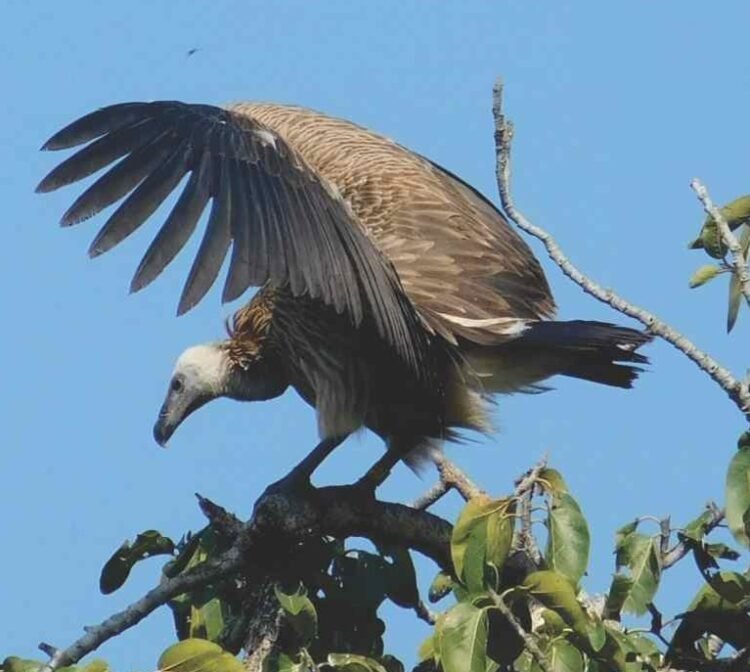
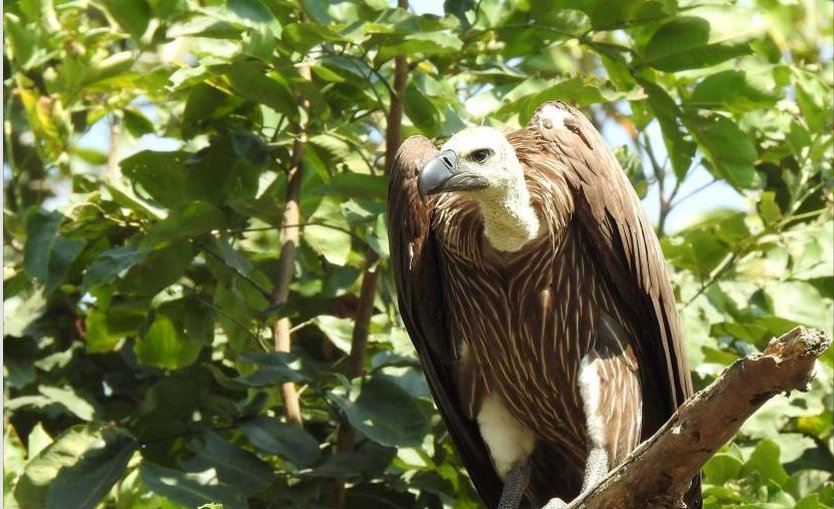
The assessment zeroed in on four critically endangered resident breeders: the white-rumped vulture (Gyps bengalensis), Indian vulture (Gyps indicus), slender-billed vulture (Gyps tenuirostris), and red-headed vulture (Sarcogyps calvus). These species, integral to India’s ecological balance by devouring carrion and curbing disease spread, plummeted catastrophically in the early 2000s due to veterinary diclofenac—a painkiller that ravaged their kidneys. India’s 2006 ban on the drug for cattle slowed the freefall, stabilizing numbers since 2007. However, as the WII report cautions, “stabilization is not recovery.” Populations hover at perilously low levels, with no upward trajectory in sight for the trio of Gyps species.
India CSR

The Indian vulture, the most resilient of the bunch, clings to 110 sites—86 historical holdovers and 24 newcomers. Yet, it’s vanished from 30% of its former haunts, retreating almost exclusively to central India’s PAs. “This species is a survivor, but its confinement to protected zones signals broader habitat fragmentation,” explains Kumar. In contrast, the white-rumped vulture—once the subcontinent’s most ubiquitous scavenger with 238 documented sites—has dwindled to a heartbreaking 69 locations. Only 30 of these echo its storied past; the rest are desperate new claims on unfamiliar turf. That’s a 90% abandonment rate, a testament to irreversible site collapses where recolonization proves agonizingly rare.

No story is more tragic than that of the slender-billed vulture. All 47 of its previously charted nesting sites—scattered across the fertile Gangetic plains and Brahmaputra Valley—stand abandoned, silent relics of a bygone era. Surveyors found just 12 novel sites, yielding a paltry 20 active nests, all huddled in Upper Assam’s misty foothills. “This bird’s breeding grounds have contracted to a pinpoint on the map,” the report laments. Field notes reveal a poignant adaptation: these vultures now favor Bombax ceiba, or silk cotton trees—the towering sentinels of floodplains with their umbrella-like canopies. But deforestation gnaws at these refuges, turning verdant valleys into barren stretches and sealing the species’ fate unless habitats are fiercely guarded.

The red-headed vulture fares marginally better but no less precariously, with five entirely new sites and zero returns to its 10 old ones. Migratory kin offer slivers of solace: the Egyptian vulture claimed 11 fresh spots with 24 nests (14 buzzing with activity), while the bearded vulture eked out one new colony boasting two nests. The Himalayan griffon, a high-altitude wanderer, dotted eight sites, four familiar and four forged anew.

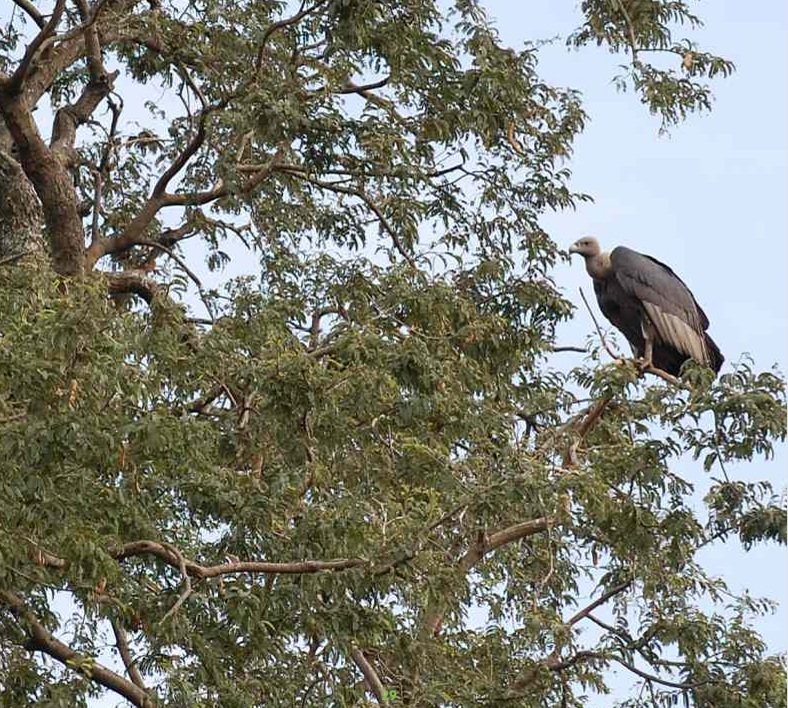
Beyond nests, the survey delved into feeding fronts: carcass dumps that once teemed with vulture feasts. Here, the absences scream louder than any presence. Resident stalwarts like the Indian and white-rumped vultures are ghosts at these sites, their numbers too depleted to muster a meal. Instead, global risers—the Eurasian griffon and Egyptian vulture—dominate, mirroring upward trends elsewhere on the planet. “This shift isn’t benign,” warns the report. “It disrupts local scavenging dynamics, potentially inflating disease risks as uneaten carcasses fester.”
India CSR

A sinister new villain lurks in these dumps: packs of feral dogs. Proliferating unchecked, these canines muscle in on carrion, snarling and snapping at any feathered intruder. “Humans feed them or ignore them—either way, their behavior warps into predation,” says a related WII analysis on Thar Desert dynamics. In Rajasthan’s arid heartlands, dogs now bar vultures from historic feeding grounds, compounding toxic drug residues and habitat erosion. The report urges a multi-pronged assault: regulate carcass purity to excise lingering NSAIDs, erect dog-exclusion barriers, and launch vigilant monitoring to track scavenger guilds.

This crisis isn’t abstract—it’s etched in India’s environmental ledger. Vultures, by efficiently disposing of over 90% of ungulate carcasses, prevent anthrax and rabies outbreaks, saving millions in public health costs annually. Their decline has unleashed ecological ripples: feral dog surges (up 20-30% in some regions), rabid fox proliferations, and even microbial blooms in tainted water sources. In the 1990s, India boasted 40 million vultures; today, estimates peg survivors at under 20,000—a 95% cull in two decades.

Also Read: Population of Vultures in India – 2024 I India CSR

Conservationists hail the WII effort as a pivotal baseline. “We’ve mapped not just where they are, but where they’ve fled—and why,” Kumar asserts. “Targeted actions can stem the bleed: captive breeding releases, like the 100+ white-rumped chicks reintroduced in Madhya Pradesh since 2020, show promise.” The Vulture Conservation Project, backed by the Bombay Natural History Society (BNHS) and international allies like the RSPB, has amplified “vulture-safe zones” with diclofenac-free meloxicam alternatives for vets. Yet, enforcement lags; illegal diclofenac persists in black markets.

Geographically, the nesting renaissance clusters in central and northwestern India. Madhya Pradesh alone claims 40% of nests, its PAs like Kanha and Bandhavgarh serving as arks amid agricultural sprawl. Rajasthan’s Mukundra Hills and Tal Chhapar teem with activity, though climate volatility—erratic monsoons scorching nest trees—looms large. Southern and eastern India, once vulture heartlands, are hollowed out, with Tamil Nadu and West Bengal reporting near-zero sightings.

The slender-billed’s Assam enclave demands bespoke salvation. Kaziranga’s floodplains, a biodiversity jewel, host these last breeders, but poaching and encroachment encroach. “We must fortify silk cotton groves with community patrols,” urges Assam’s chief wildlife warden, emphasizing eco-tourism as a funding lifeline. Nationally, the report calls for a Vulture Recovery Fund, integrating carcass management into wildlife policy, and AI-driven aerial surveys for real-time tracking.

Key Fact CategoryDetailsSpecifics/Statistics
Overall DeclineVultures have disappeared from historical nesting sites72% loss (305 out of 425 sites inactive); only 120 active historical sites remain
New DiscoveriesNewly identified nesting sites93 new sites; total active sites now 213 (nearly half, or 103, in protected areas)
Geographic ConcentrationStates hosting majority of nestsMadhya Pradesh and Rajasthan account for 63% of all nests; over 60% in protected areas
White-rumped Vulture (Gyps bengalensis)Historical vs. current sites238 historical sites; now 69 sites (30 historical + 39 new); 13% retention (90% loss)
Indian Vulture (Gyps indicus)Distribution and loss110 sites (86 historical + 24 new); disappeared from 30% of historical sites; mostly in central India PAs
Slender-billed Vulture (Gyps tenuirostris)Critical statusAll 47 historical sites lost; 12 new sites in Upper Assam only; 20 active nests; nests on Bombax ceiba trees
Red-headed Vulture (Sarcogyps calvus)Current findings5 new sites; no historical sites active (out of 10 known)
Himalayan GriffonNesting sites8 sites (4 historical + 4 new)
Migratory SpeciesEgyptian Vulture11 new sites; 24 nests (14 active)
Migratory SpeciesBearded Vulture1 new site; 2 active nests
Feeding Site ObservationsCarcass dumpsResident vultures absent (e.g., Indian and white-rumped); dominated by migratory species (Eurasian griffon, Egyptian vulture)
Emerging ThreatsFeral dogs at sitesObstruct access to carrion; increasing in areas like Thar Desert; linked to human feeding/neglect altering dog behavior
Other ThreatsHabitat and toxinsDeforestation/degradation; lingering toxic drugs (e.g., diclofenac despite 2006 ban); no significant population recovery since 2007 stabilization
Study ScopeAssessment detailsPan-India survey (Feb 2023–Jan 2025) by Wildlife Institute of India (WII); covers 25 states and 4 critically endangered resident species
Conservation NotesUrgency and recommendationsNeed for carcass management, dog exclusion, monitoring; targeted interventions essential for recolonization

(India CSR)

Also Read

CSR: Khambhat Vulture Conservation Project: Origin, Purpose, Pillars, and Achievements on the Ground I India CSR

17th India CSR Summit
ADVERTISEMENT
ESG Professional Network
ADVERTISEMENT
India CSR Image 1 India CSR Image 2
India Sustainability Awards 2026 India Sustainability Awards 2026
Tags: Vultures

CSR, Sustainability, and ESG success stories hindustan zinc
ADVERTISEMENT
India CSR

India CSR

India CSR is the largest media on CSR and sustainability offering diverse content across multisectoral issues on business responsibility. It covers Sustainable Development, Corporate Social Responsibility (CSR), Sustainability, and related issues in India. Founded in 2009, the organisation aspires to become a globally admired media that offers valuable information to its readers through responsible reporting.

Related Posts

Biofertilizers are Breaking the Norm
Environment

Biofertilizers are Breaking the Norm

1 month ago
CSR: Prestige Group to Plant One Million Trees in Bengaluru
Environment

CSR: Prestige Group to Plant One Million Trees in Bengaluru

2 months ago
CSR: Brigade Foundation to Create an Urban Forest Sanctuary in Haralur, North Bengaluru
Environment

CSR: Brigade Foundation to Create an Urban Forest Sanctuary in Haralur, North Bengaluru

2 months ago
Jindal’s Gare Palma Sector-I Coal Mine: Environmental Toll on Forests, Ecology, and Water in Chhattisgarh
Environment

Jindal’s Gare Palma Sector-I Coal Mine: Environmental Toll on Forests, Ecology, and Water in Chhattisgarh

3 months ago
Jindal Steel Limited
Environment

Raigarh: Jindal Steel Slapped with ₹16.75 lakh Penalty for Environmental Violations

4 months ago
Green Development and SDGs
Environment

13,400 Hectares Turned Green Around Mines in India

4 months ago
Load More
17th india csr summit
ADVERTISEMENT
India Sustainability Awards 2026
ADVERTISEMENT

LATEST NEWS

PayU Advances CSR in 2025 with Digital Safety and Sustainable Livelihoods

Delhi Airport Cuts Emissions 97% with 100% Green Energy

CSR: Etude India Fixing Tint Shades Support Smile Foundation’s Swaabhimaan Program

Meet the CEOs & Founders Who Transformed Their Companies into Industry-Leading Powerhouses

Social Hikers: A Content & Digital Marketing Agency Shaping Uttarakhand’s Digital Landscape

Clarity, Not Campaigns, Emerges as the Real Growth Lever for Businesses

Ad 1 Ad 2 Ad 3
ADVERTISEMENT
ESG Professional Network
ADVERTISEMENT

TOP NEWS

Top Messaging App Development Companies

Doctor Arif Patel Dubai: Dentist and Beyond!

Gift for 3-Year-Old Boy: Fun & Educational Picks

Gujarat Lions Women’s Rugby Team Wins Silver Medal at Khelo India ASMITA Women’s West Zone National Tournament

CSR: Branch International & United Way Launch Saksham to Support 63 Women Entrepreneurs

CSR: Kotak Education Foundation Awards Scholarships to Meritorious Students in Mumbai

Load More
STEM Learning STEM Learning STEM Learning
ADVERTISEMENT

Interviews

Sakina Baker, Head – CSR, Bosch Limited, and Head – Bosch India Foundation
Interviews

Driving Social Innovation & Inclusive Skilling: An Exclusive Interview with Sakina Baker of Bosch India

by India CSR
December 1, 2025

Bosch India’s far-reaching commitment to social innovation, inclusive skilling, and sustainable development.

Read moreDetails
Sita Ram Gupta speaking at the 16th India CSR Summit in New Delhi on November 21, 2025. © India CSR

Life is a Forward Progression, not a Backward Regression, Says Sita Ram Gupta

November 26, 2025
Brijesh Agarwal, Co-Founder of IndiaMART InterMESH Limited

Driving Education and Skill Development Through CSR: An Interview with Brijesh Agarwal of IndiaMART

November 10, 2025
Ritu Prakash Chhabria, Managing Trustee and Co-founder of the Mukul Madhav Foundation (MMF)

Redefining CSR with Compassion: An Interview with Ritu Prakash Chhabria of Mukul Madhav Foundation

October 28, 2025
Load More
17th India CSR Summit
ADVERTISEMENT
Facebook Twitter Youtube LinkedIn Instagram
India CSR Logo

India CSR is the largest tech-led platform for information on CSR and sustainability in India offering diverse content across multisectoral issues. It covers Sustainable Development, Corporate Social Responsibility (CSR), Sustainability, and related issues in India. Founded in 2009, the organisation aspires to become a globally admired media that offers valuable information to its readers through responsible reporting. To enjoy the premium services, we invite you to partner with us.

Follow us on social media:


Dear Valued Reader

India CSR is a free media platform that provides up-to-date information on CSR, Sustainability, ESG, and SDGs. We need reader support to continue delivering honest news. Donations of any amount are appreciated.

Help save India CSR.

Donate Now

Donate at India CSR

  • About India CSR
  • Team
  • India CSR Awards 2025
  • India CSR Leadership Summit
  • Partnership
  • Guest Posts
  • Services
  • ESG Professional Network
  • Content Writing Services
  • Business Information
  • Contact
  • Privacy Policy
  • Terms of Use
  • Donate

Copyright © 2025 - India CSR | All Rights Reserved

india csr summit
REGISTER NOW
No Result
View All Result
  • Home
  • Corporate Social Responsibility
    • Art & Culture
    • CSR Leaders
    • Child Rights
    • Culture
    • Education
    • Gender Equality
    • Around the World
    • Skill Development
    • Safety
    • Covid-19
    • Safe Food For All
  • Sustainability
    • Sustainability Dialogues
    • Sustainability Knowledge Series
    • Plastics
    • Sustainable Development Goals
    • ESG
    • Circular Economy
    • BRSR
  • Corporate Governance
    • Diversity & Inclusion
  • Interviews
  • SDGs
    • No Poverty
    • Zero Hunger
    • Good Health & Well-Being
    • Quality Education
    • Gender Equality
    • Clean Water & Sanitation – SDG 6
    • Affordable & Clean Energy
    • Decent Work & Economic Growth
    • Industry, Innovation & Infrastructure
    • Reduced Inequalities
    • Sustainable Cities & Communities
    • Responsible Consumption & Production
    • Climate Action
    • Life Below Water
    • Life on Land
    • Peace, Justice & Strong Institutions
    • Partnerships for the Goals
  • Articles
  • Events
  • हिंदी
  • More
    • Business
    • Finance
    • Environment
    • Economy
    • Health
    • Around the World
    • Social Sector Leaders
    • Social Entrepreneurship
    • Trending News
      • Important Days
      • Great People
      • Product Review
      • International
      • Sports
      • Entertainment
    • Case Studies
    • Philanthropy
    • Biography
    • Technology
    • Lifestyle
    • Sports
    • Gaming
    • Knowledge
    • Home Improvement
    • Words Power
    • Chief Ministers

Copyright © 2025 - India CSR | All Rights Reserved

This website uses cookies. By continuing to use this website you are giving consent to cookies being used. Visit our Privacy and Cookie Policy.