• India CSR Awards 2025
  • India CSR Leadership Summit
  • Guest Posts
  • Login
Thursday, March 12, 2026
India CSR
  • Home
  • Corporate Social Responsibility
    • Art & Culture
    • CSR Leaders
    • Child Rights
    • Culture
    • Education
    • Gender Equality
    • Around the World
    • Skill Development
    • Safety
    • Covid-19
    • Safe Food For All
  • Sustainability
    • Sustainability Dialogues
    • Sustainability Knowledge Series
    • Plastics
    • Sustainable Development Goals
    • ESG
    • Circular Economy
    • BRSR
  • Corporate Governance
    • Diversity & Inclusion
  • Interviews
  • SDGs
    • No Poverty
    • Zero Hunger
    • Good Health & Well-Being
    • Quality Education
    • Gender Equality
    • Clean Water & Sanitation – SDG 6
    • Affordable & Clean Energy
    • Decent Work & Economic Growth
    • Industry, Innovation & Infrastructure
    • Reduced Inequalities
    • Sustainable Cities & Communities
    • Responsible Consumption & Production
    • Climate Action
    • Life Below Water
    • Life on Land
    • Peace, Justice & Strong Institutions
    • Partnerships for the Goals
  • Articles
  • Events
  • हिंदी
  • More
    • Business
    • Finance
    • Environment
    • Economy
    • Health
    • Around the World
    • Social Sector Leaders
    • Social Entrepreneurship
    • Trending News
      • Important Days
        • Festivals
      • Great People
      • Product Review
      • International
      • Sports
      • Entertainment
    • Case Studies
    • Philanthropy
    • Biography
    • Technology
    • Lifestyle
    • Sports
    • Gaming
    • Knowledge
    • Home Improvement
    • Words Power
    • Chief Ministers
No Result
View All Result
  • Home
  • Corporate Social Responsibility
    • Art & Culture
    • CSR Leaders
    • Child Rights
    • Culture
    • Education
    • Gender Equality
    • Around the World
    • Skill Development
    • Safety
    • Covid-19
    • Safe Food For All
  • Sustainability
    • Sustainability Dialogues
    • Sustainability Knowledge Series
    • Plastics
    • Sustainable Development Goals
    • ESG
    • Circular Economy
    • BRSR
  • Corporate Governance
    • Diversity & Inclusion
  • Interviews
  • SDGs
    • No Poverty
    • Zero Hunger
    • Good Health & Well-Being
    • Quality Education
    • Gender Equality
    • Clean Water & Sanitation – SDG 6
    • Affordable & Clean Energy
    • Decent Work & Economic Growth
    • Industry, Innovation & Infrastructure
    • Reduced Inequalities
    • Sustainable Cities & Communities
    • Responsible Consumption & Production
    • Climate Action
    • Life Below Water
    • Life on Land
    • Peace, Justice & Strong Institutions
    • Partnerships for the Goals
  • Articles
  • Events
  • हिंदी
  • More
    • Business
    • Finance
    • Environment
    • Economy
    • Health
    • Around the World
    • Social Sector Leaders
    • Social Entrepreneurship
    • Trending News
      • Important Days
        • Festivals
      • Great People
      • Product Review
      • International
      • Sports
      • Entertainment
    • Case Studies
    • Philanthropy
    • Biography
    • Technology
    • Lifestyle
    • Sports
    • Gaming
    • Knowledge
    • Home Improvement
    • Words Power
    • Chief Ministers
No Result
View All Result
India CSR
No Result
View All Result
Home Interviews

Empowering Rural Craft Entrepreneurs: An Interview with N E Sridhar, Titan Company

India CSR by India CSR
May 15, 2025
in Interviews
Reading Time: 7 mins read
N E Sridhar, the Chief Sustainability Officer at Titan Company Ltd.

N E Sridhar, the Chief Sustainability Officer at Titan Company Ltd.

Share Share Share Share
WhatsApp icon
WhatsApp — Join Us
Instant updates & community
Google News icon
Google News — Follow Us
Get our articles in Google News feed
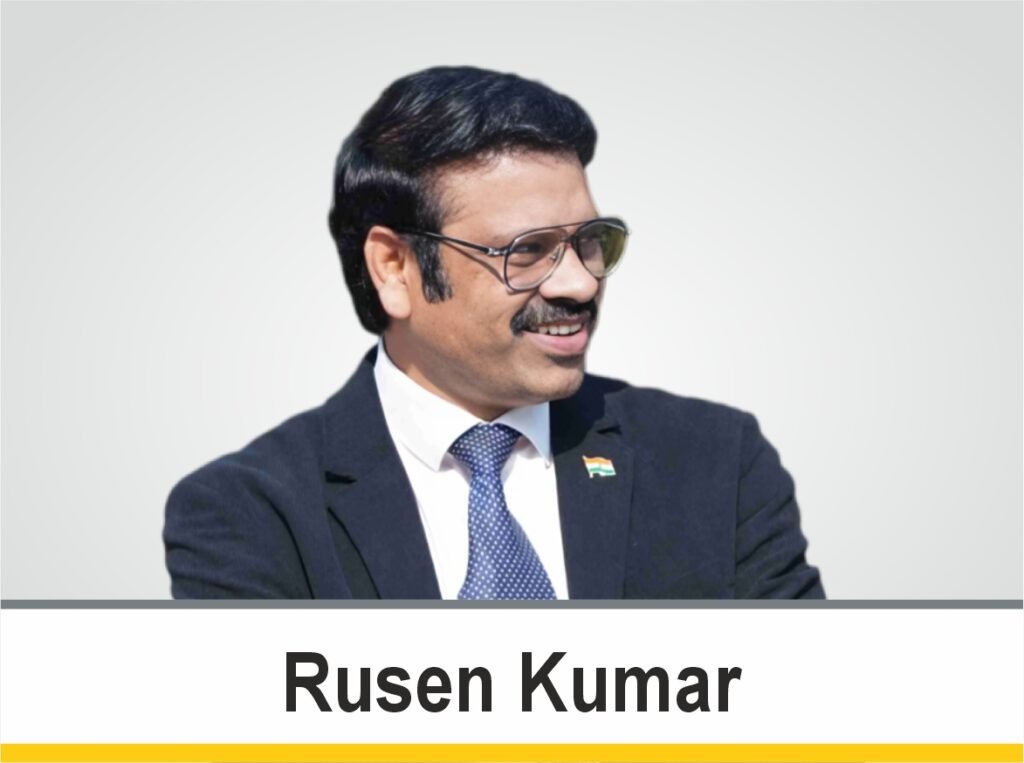
Rusen Kumar Founder and Managing Editor India CSR

By Rusen Kumar

NEW DELHI (India CSR): N E Sridhar, the Chief Sustainability Officer at Titan Company Ltd., leads one of the most transformative initiatives in rural India—Project Tarasha. Conceived in 2020 during the COVID-19 pandemic, the project set out to address a critical need: empowering rural craft entrepreneurs or “craftpreneurs” whose livelihoods were deeply affected by the shutdown of traditional craft markets. Titan saw an opportunity to not only offer immediate relief but to build long-term sustainability by providing artisans with the tools and skills to thrive in the modern economy.

Project Tarasha combines innovation, digital transformation, and design mentorship to help artisans elevate their craft businesses. With a strong focus on empowering women-led enterprises, non-textile crafts, and marginalized communities, the project has impacted over 1,000 households across 19 states in India. By offering tailored support, from digital upskilling to business strategy training, Titan has created a holistic ecosystem that nurtures both individual artisans and the craft industry as a whole.

In this detailed conversation, Sridhar shares the vision behind Project Tarasha, its success stories, its alignment with Titan’s broader ESG goals, and the challenges faced while scaling the initiative. He also discusses the future trajectory of Tarasha and Titan’s commitment to fostering sustainable empowerment in India’s craft sector.

1. What was the inspiration behind Project Tarasha, and how did Titan embark on this journey to empower rural craft entrepreneurs across India?

Project Tarasha was conceived in early 2020, at the height of the COVID-19 lockdowns, when our traditional craft markets shut down overnight and rural artisans lost their primary means of livelihood. We saw a crisis—and an opportunity—to go beyond emergency relief. Our aim was to reimagine artisan empowerment as “craftpreneurship.” We began by creating micro-websites for artisans and rolling out digital upskilling. Very quickly, that pilot evolved into a full-blown incubator model, offering design mentoring, digital transformation workshops, business strategy training, and direct market linkages. In 2022, our partnership with Creative Dignity (CD) deepened the on-ground impact—especially for non-textile crafts and artisans from underrepresented geographies.

2. Can you share compelling success stories of artisans whose lives and livelihoods have been transformed through Project Tarasha?

The initiative has touched the lives of over 1,047 households, promoting 49 unique crafts across 19 states. Some success highlights:

  1. Bholanath Karmakar – Suri Bowls (West Bengal)
    As the sole practitioner of the centuries-old Sherpai craft in Birbhum, Bholanath revived Suri bowl–making (wood + brass measuring bowls) after demand nearly vanished. Today, his workshop sustains his entire family, preserves a unique cultural legacy and attracts orders from across India—turning a near-extinct tradition into a viable livelihood.
  2. Khetaram Sumra – Rohida Handlooms (Rajasthan)
    At just 25, Khetaram leveraged his CDEM training to relaunch pattu shawl weaving in Barmer. By instituting fair wages and stable work, he’s not only stemmed out-migration but also built a growing social enterprise that supports 40+ local weavers and keeps an iconic Rajasthani craft alive.
  3. Javed Abdulla – Copper Bell Art (Kutch, Gujarat)
    Nine years ago Javed founded his bell-metal workshop to tackle low artisan incomes. Now he collaborates with 20 craftsmen, showcases at major fairs, and has multiplied local earnings by 3×. His bells—valued for their sound and eco-metal upcycling—have put Kutch’s bell-making back on the map.
  4. Touseef & Shavez Mian – Indian Fighter Kites (Gujarat)
    Third-generation kite makers, these brothers turned a family hobby into a thriving brand (est. 2017). Employing 30 artisans, they’ve expanded from traditional patangs to designer decor items—revitalizing Gujarat’s Makara Sankranti heritage and giving young makers a reason to stay.
  5. Purnachandra Ghosh – Pipli Appliqué (Odisha)
    Self-taught in Pipli’s famed appliqué, Purnachandra trained his wife plus 30 local artisans, growing from umbrellas for Jagannath rituals to a full home-decor line. His export-ready pieces (bed-linen, lampshades, umbrellas) now command premium prices, anchoring Pipli as a craft hub.

Each story reflects how Project Tarasha has moved beyond one-off grants to create sustainable enterprises—empowering artisans, reviving traditions and uplifting entire communities.

3. How does Titan assess the impact of Project Tarasha on artisan communities and rural economies?

We follow a robust, data-driven framework that begins with baseline and endline surveys to quantify shifts in income, digital proficiency, design capabilities and market reach. We then benchmark each enterprise against our “Transformation Tiers,” where ventures achieving 50% or more growth qualify as “Transformative,” and those registering 20–30% growth fall into our “Deep Impact” category. But success isn’t just about sales—our holistic metrics also monitor artisan confidence, enterprise independence and production efficiency. Finally, continuous feedback loops—regular mentoring sessions, progress reviews and personalized support plans—ensure we tailor our approach to each artisan’s unique journey.

4. What role does craftpreneurship play in preserving India’s rich craft heritage, and how does Project Tarasha contribute to this mission?

Craftpreneurship, for us, is all about evolving cherished traditions to meet contemporary markets. Through Tarasha, we innovate design—aligning age-old techniques with modern aesthetics and real-world usability. We build ownership by shifting artisans from wage earners to true business owners, giving them agency over their craft and income. And we elevate vulnerable crafts—with a deliberate focus on tribal, women-led, and minority communities—so these non-textile traditions finally receive the visibility they deserve. By blending heritage skills with technology, market insights, and compelling storytelling, Tarasha ensures our craft legacy not only survives but thrives and adapts in today’s economy.

5. How does Project Tarasha align with Titan’s broader ESG goals and commitment to inclusive and sustainable growth?

Tarasha is built on three core commitments. First, Equity & Inclusion—we target aspirational districts and prioritize women-led and tribal enterprises, ensuring no community is left behind. Second, Transparency & Democracy—all of our learning modules are fully open-source, and we work hand-in-glove with artisans to co-create solutions that address their real challenges. Third, Environmental Responsibility—we champion sustainable raw materials and lean, technology-driven processes to minimize waste and carbon footprint. By nurturing artisan entrepreneurs to become self-sustaining business leaders, Tarasha fuels a regenerative rural economy aligned with Titan’s commitment to sustainable livelihoods and inclusive growth.

6. What key challenges has Titan encountered while scaling Project Tarasha, and what strategies have been most effective in overcoming them?

One of our biggest hurdles has been digital literacy gaps—many rural artisans lack basic tech skills, so we roll out phased onboarding through modular Digital Skill courses. Coordinating across 19 states, each with its own language and culture, also proved complex; we address this with localized, contextual capacity‐building workshops tailored to each community. Ensuring our design interventions align with artisans’ skill levels required a two-year engagement model, allowing for deeper mentorship and iterative feedback. Finally, managing time-intensive mentorship alongside artisans’ work schedules meant we had to innovate with collaborative exhibitions and curated pop-ups—bringing new markets directly to them rather than expecting them to travel.

7. What’s next for Project Tarasha? Can you share Titan’s vision for the future of sustainable empowerment in the craft sector?

Looking ahead to 2025–26, Project Tarasha will expand its artisan community by onboarding 22 new practitioners while continuing our support to the 18 artisans we’ve already partnered with. We’re placing a special emphasis on uplifting non-textile crafts in states that have traditionally been underrepresented—West Bengal, Chhattisgarh, Madhya Pradesh and Odisha. To help our artisans reach wider markets, we’ll be strengthening their digital infrastructure through dedicated website development, hands-on SEO training and targeted online-sales plans tied to clear performance goals. Later in the year, we’ll host the “Tarasha Experience,” our flagship B2B and retail showcase featuring a graduation ceremony for our latest cohort, collaborative exhibitions and an “Anokha” innovation space spotlighting breakthrough product concepts. Finally, we’ll forge strategic partnerships with market facilitators across regions to deepen integration into domestic and export channels, ensuring that each craft not only survives but thrives in the years ahead.

8. What makes Project Tarasha Unique

Project Tarasha, an initiative by Titan, stands at the intersection of tradition and transformation, empowering rural craft entrepreneurs—or “craftpreneurs”—across India through a multi-dimensional strategy that blends design, technology and business development into sustainable CSR. First, we deliver customized, need-based support—from design interventions and digital-skills training to business workshops, market connects and technology infusion—each phase guided by rigorous baseline and endline assessments to ensure measurable impact. Second, our collaborative ecosystem unites designers, domain experts and craft stakeholders, creating a dynamic network whose diverse expertise makes every intervention more effective and responsive. Third, transformative design mentorship and joint new-product development initiatives elevate both craftsmanship quality and market readiness, opening up fresh opportunities for craftpreneurs. Fourth, aligned with Tata’s core values, Tarasha sets new benchmarks in transparency and impact: our open methodology fosters replicability, scalability and continuous improvement, all driven by data and ethical practices. Finally, by navigating complexity with cultural sensitivity, we adapt empathetically to India’s varied geographies and socio-economic contexts, making Tarasha resilient, inclusive and uniquely positioned to uplift entire communities.

***

About Rusen Kumar

Rusen Kumar is a distinguished journalist, author, and visionary knowledge entrepreneur specializing in Corporate Social Responsibility (CSR) and sustainability in India. He is the founder and managing editor of India CSR Network, a leading platform dedicated to CSR and sustainability issues.

Copyright@IndiaCSR
India Responsible Education & AI Summit 2026
ADVERTISEMENT
Ambedkar Chamber
ADVERTISEMENT
ESG Professional Network
ADVERTISEMENT
India Sustainability Awards 2026
ADVERTISEMENT
India CSR Image 1 India CSR Image 2
Tags: Craft EntrepreneurshipDesign MentorshipDigital UpskillingIndia craftsN E SridharProject TarashaRural ArtisansRural DevelopmentSocial ImpactSustainable EmpowermentTitan Company

CSR, Sustainability, and ESG success stories hindustan zinc
ADVERTISEMENT
India CSR

India CSR

India CSR is the largest media on CSR and sustainability offering diverse content across multisectoral issues on business responsibility. It covers Sustainable Development, Corporate Social Responsibility (CSR), Sustainability, and related issues in India. Founded in 2009, the organisation aspires to become a globally admired media that offers valuable information to its readers through responsible reporting.

Related Posts

Kayana Monga, a student at Shiv Nadar School, Noida on Metal Health in Rural India
Interviews

An Interview with Student Changemaker Kayana Monga Working on Rural Mental Health

35 minutes ago
Meha Patel, Vice Chairperson of Zydus Foundation
Interviews

Interview: Meha Patel on Zydus Foundation’s Vision for Sustainable Social Impact

23 hours ago
Prachi Kaushik, Founder and Director of Vyomini Social Enterprise
Interviews

Menstrual Hygiene Awareness Must Go Beyond Pad Distribution: Prachi Kaushik, Vyomini Social Enterprise

4 days ago
Prerrit Mansingh, Secretary, Aayom Welfare Society
Interviews

Scaling Compassion into Structured Social Change: An Interview with Prerrit Mansingh

2 weeks ago
Sheena Kapoor, Head – Marketing, Corporate Communication & CSR at ICICI Lombard
Interviews

ICICI Lombard at 25: Sheena Kapoor on Promise-Led CSR and Lasting Impact

2 weeks ago
Arun Jain, Founder and CMD of Intellect and Founder of Mission Samriddhi
Interviews

Design Thinking for Rural India: Arun Jain’s Civilisation Economics Model

2 weeks ago
Load More
India Responsible Education & AI Summit 2026
ADVERTISEMENT
Ambedkar Chamber
ADVERTISEMENT
India Sustainability Awards 2026
ADVERTISEMENT

LATEST NEWS

What is the Future of Daughters from Red-Light Areas in India?

An Interview with Student Changemaker Kayana Monga Working on Rural Mental Health

What’s Cooking: Is it Oil or Politics in India?

Petronet LNG CSR Spending Report of Rs 67.24 Crore for FY25

From Emerging Markets to Global Platforms: The Entrepreneurial Journey of Avinash Jha

CSR: VLCTPP Rolls Out Mobile Health Unit to Serve 7,000 Villagers

Economy India Largest Media on Indian Economy and Business
ADVERTISEMENT
Ad 1 Ad 2 Ad 3
ADVERTISEMENT
ESG Professional Network
ADVERTISEMENT

TOP NEWS

Kisan Credit Card Scheme Expands Affordable Farm Credit, Supporting Over 7.7 Crore Farmers Across India

Hindustan Zinc, CMR to Build Zinc Alloy Facility in Rajasthan

Grasim Industries CSR Spending Report of Rs 88.42 Cr for FY25

CSR: PNB Housing Finance Plants 1 Lakh Trees in Greater Noida

ABB Deepens Karnataka Footprint with New Investments to Serve High Growth Emerging Sectors

Heapwell Superfoods Bolsters Japan-Sourced Matcha Supply Chain to Meet Surging Global Demand

Load More
STEM Learning STEM Learning STEM Learning
ADVERTISEMENT

Interviews

Kayana Monga, a student at Shiv Nadar School, Noida on Metal Health in Rural India
Interviews

An Interview with Student Changemaker Kayana Monga Working on Rural Mental Health

by India CSR
March 12, 2026

Student-led Project Muskan brings mental health awareness and care to rural children across India.

Read moreDetails
Meha Patel, Vice Chairperson of Zydus Foundation

Interview: Meha Patel on Zydus Foundation’s Vision for Sustainable Social Impact

March 11, 2026
Prachi Kaushik, Founder and Director of Vyomini Social Enterprise

Menstrual Hygiene Awareness Must Go Beyond Pad Distribution: Prachi Kaushik, Vyomini Social Enterprise

March 8, 2026
Prerrit Mansingh, Secretary, Aayom Welfare Society

Scaling Compassion into Structured Social Change: An Interview with Prerrit Mansingh

February 28, 2026
Load More
Facebook Twitter Youtube LinkedIn Instagram
India CSR Logo

India CSR is the largest tech-led platform for information on CSR and sustainability in India offering diverse content across multisectoral issues. It covers Sustainable Development, Corporate Social Responsibility (CSR), Sustainability, and related issues in India. Founded in 2009, the organisation aspires to become a globally admired media that offers valuable information to its readers through responsible reporting. To enjoy the premium services, we invite you to partner with us.

Follow us on social media:


Dear Valued Reader

India CSR is a free media platform that provides up-to-date information on CSR, Sustainability, ESG, and SDGs. We need reader support to continue delivering honest news. Donations of any amount are appreciated.

Help save India CSR.

Donate Now

Donate at India CSR

  • About India CSR
  • Team
  • India CSR Awards 2025
  • India CSR Leadership Summit
  • India Responsible Education & AI Summit 2026
  • Partnership
  • Guest Posts
  • Services
  • ESG Professional Network
  • Content Writing Services
  • Business Information
  • Contact
  • Privacy Policy
  • Terms of Use
  • Donate

Copyright © 2025 - India CSR | All Rights Reserved

Welcome Back!

Login to your account below

Forgotten Password?

Retrieve your password

Please enter your username or email address to reset your password.

Log In
No Result
View All Result
  • Home
  • Corporate Social Responsibility
    • Art & Culture
    • CSR Leaders
    • Child Rights
    • Culture
    • Education
    • Gender Equality
    • Around the World
    • Skill Development
    • Safety
    • Covid-19
    • Safe Food For All
  • Sustainability
    • Sustainability Dialogues
    • Sustainability Knowledge Series
    • Plastics
    • Sustainable Development Goals
    • ESG
    • Circular Economy
    • BRSR
  • Corporate Governance
    • Diversity & Inclusion
  • Interviews
  • SDGs
    • No Poverty
    • Zero Hunger
    • Good Health & Well-Being
    • Quality Education
    • Gender Equality
    • Clean Water & Sanitation – SDG 6
    • Affordable & Clean Energy
    • Decent Work & Economic Growth
    • Industry, Innovation & Infrastructure
    • Reduced Inequalities
    • Sustainable Cities & Communities
    • Responsible Consumption & Production
    • Climate Action
    • Life Below Water
    • Life on Land
    • Peace, Justice & Strong Institutions
    • Partnerships for the Goals
  • Articles
  • Events
  • हिंदी
  • More
    • Business
    • Finance
    • Environment
    • Economy
    • Health
    • Around the World
    • Social Sector Leaders
    • Social Entrepreneurship
    • Trending News
      • Important Days
      • Great People
      • Product Review
      • International
      • Sports
      • Entertainment
    • Case Studies
    • Philanthropy
    • Biography
    • Technology
    • Lifestyle
    • Sports
    • Gaming
    • Knowledge
    • Home Improvement
    • Words Power
    • Chief Ministers

Copyright © 2025 - India CSR | All Rights Reserved

This website uses cookies. By continuing to use this website you are giving consent to cookies being used. Visit our Privacy and Cookie Policy.