• India CSR Awards 2025
  • India CSR Leadership Summit
  • Guest Posts
Wednesday, January 28, 2026
India CSR
  • Home
  • Corporate Social Responsibility
    • Art & Culture
    • CSR Leaders
    • Child Rights
    • Culture
    • Education
    • Gender Equality
    • Around the World
    • Skill Development
    • Safety
    • Covid-19
    • Safe Food For All
  • Sustainability
    • Sustainability Dialogues
    • Sustainability Knowledge Series
    • Plastics
    • Sustainable Development Goals
    • ESG
    • Circular Economy
    • BRSR
  • Corporate Governance
    • Diversity & Inclusion
  • Interviews
  • SDGs
    • No Poverty
    • Zero Hunger
    • Good Health & Well-Being
    • Quality Education
    • Gender Equality
    • Clean Water & Sanitation – SDG 6
    • Affordable & Clean Energy
    • Decent Work & Economic Growth
    • Industry, Innovation & Infrastructure
    • Reduced Inequalities
    • Sustainable Cities & Communities
    • Responsible Consumption & Production
    • Climate Action
    • Life Below Water
    • Life on Land
    • Peace, Justice & Strong Institutions
    • Partnerships for the Goals
  • Articles
  • Events
  • हिंदी
  • More
    • Business
    • Finance
    • Environment
    • Economy
    • Health
    • Around the World
    • Social Sector Leaders
    • Social Entrepreneurship
    • Trending News
      • Important Days
        • Festivals
      • Great People
      • Product Review
      • International
      • Sports
      • Entertainment
    • Case Studies
    • Philanthropy
    • Biography
    • Technology
    • Lifestyle
    • Sports
    • Gaming
    • Knowledge
    • Home Improvement
    • Words Power
    • Chief Ministers
No Result
View All Result
  • Home
  • Corporate Social Responsibility
    • Art & Culture
    • CSR Leaders
    • Child Rights
    • Culture
    • Education
    • Gender Equality
    • Around the World
    • Skill Development
    • Safety
    • Covid-19
    • Safe Food For All
  • Sustainability
    • Sustainability Dialogues
    • Sustainability Knowledge Series
    • Plastics
    • Sustainable Development Goals
    • ESG
    • Circular Economy
    • BRSR
  • Corporate Governance
    • Diversity & Inclusion
  • Interviews
  • SDGs
    • No Poverty
    • Zero Hunger
    • Good Health & Well-Being
    • Quality Education
    • Gender Equality
    • Clean Water & Sanitation – SDG 6
    • Affordable & Clean Energy
    • Decent Work & Economic Growth
    • Industry, Innovation & Infrastructure
    • Reduced Inequalities
    • Sustainable Cities & Communities
    • Responsible Consumption & Production
    • Climate Action
    • Life Below Water
    • Life on Land
    • Peace, Justice & Strong Institutions
    • Partnerships for the Goals
  • Articles
  • Events
  • हिंदी
  • More
    • Business
    • Finance
    • Environment
    • Economy
    • Health
    • Around the World
    • Social Sector Leaders
    • Social Entrepreneurship
    • Trending News
      • Important Days
        • Festivals
      • Great People
      • Product Review
      • International
      • Sports
      • Entertainment
    • Case Studies
    • Philanthropy
    • Biography
    • Technology
    • Lifestyle
    • Sports
    • Gaming
    • Knowledge
    • Home Improvement
    • Words Power
    • Chief Ministers
No Result
View All Result
India CSR
No Result
View All Result
Home Articles

From Compliance to Circularity: How EPR solutions is Shaping India’s Path to Viksit Bharat 2047

India CSR by India CSR
September 12, 2024
in Articles
Reading Time: 6 mins read
India CSR
Share Share Share Share
WhatsApp icon
WhatsApp — Join Us
Instant updates & community
Google News icon
Google News — Follow Us
Get our articles in Google News feed

By Abhishek Agashe

India stands at a pivotal juncture in its developmental journey and is rapidly advancing in its commitment to environmental sustainability, joining a global movement toward greener practices, as it aims to become a sustainably developed & Aatmanirbhar nation by 2047—an ambitious goal that marks the centenary of its independence. At the heart of this progress is the concept of Extended Producer Responsibility (EPR), a policy that ensures manufacturers are accountable for their products throughout their entire lifecycle, including managing post-consumer waste. This approach not only promotes responsible waste management but also drives manufacturers to consider the environmental impact of their products from inception to disposal.

Central to this vision, known as “Viksit Bharat 2047”, is a pivotal transition from a linear economy to a circular economy. This shift also involves fundamentally rethinking how resources are managed, products are designed, and waste is handled. A key catapulter for this transformation is Extended Producer Responsibility (EPR), a policy mechanism that is seen to be steering India towards a more sustainable future.

The Role of EPR in Driving Circularity

Extended Producer Responsibility (EPR) is a regulatory approach that places the responsibility for the end-of-life management of products on the producers themselves. Traditionally, waste management has been a reactive process, primarily focused on complying with environmental regulations. However, with the introduction of EPR, the focus has shifted from mere compliance to proactive waste management, emphasizing the role of producers in the entire lifecycle of their products. 

EPR mandates that producers, importers, and brand owners (PIBOs) take responsibility for the take-back, recycling, and final disposal of their products. This approach not only ensures that waste is managed more effectively but also encourages producers to design products that are easier to recycle, have a lower environmental impact, and are more durable. For instance, the use of materials that can be easily separated and recycled, the reduction of hazardous substances, and the design for reusability are now integral to the product development process.

Take-Back Programs: The Cornerstone of Circularity

One of the most significant aspects of EPR is the implementation of take-back programs. These programs enable producers to reclaim their products after they have been used by consumers, facilitating the collection and recycling of end-of-life products. This process not only reduces environmental impact but also fosters collaboration between producers, retailers, and consumers, ultimately strengthening the recycling infrastructure in India.

Take-back programs are expected to become more widespread as the EPR framework evolves. By encouraging producers to take responsibility for the entire lifecycle of their products, these programs are helping to close the loop in the product lifecycle, making the circular economy a reality. Moreover, these initiatives are also driving innovation in product design, as companies seek to create products that are easier to disassemble, repair, and recycle.

EPR and the Path to Viksit Bharat 2047

Achieving the goals of Viksit Bharat 2047 requires a multi-faceted strategic approach that includes economic growth, social development, and environmental sustainability. EPR solutions are crucial in this regard, as they provide a structured approach for managing waste, promoting sustainability, and reducing the environmental footprint of industrial activities.

A recent study by S&P Global cited that “India is poised to become the world’s third-largest economy by 2030, accounting for 8.5% of the global GDP”. The circular economy, driven by EPR policies, has the potential to fuel this growth by creating new business opportunities, reducing resource dependency, and minimizing waste. As India progresses towards 2047, EPR will play a key role in ensuring that economic growth is sustainable and inclusive.

Key Enablers to bolster circularity

The government’s ambitious targets for Viksit Bharat 2047 can only be achieved through a concerted effort involving multiple stakeholders, including government agencies, industry bodies, and startups. Startups, in particular, have emerged as key players in driving innovation and implementing EPR solutions. With their agility, technological prowess, and ability to innovate, startups are redefining the waste management landscape in India. They are seen to be perpetually developing new technologies for waste collection, processing, and recycling, which are essential for the successful implementation of EPR.

Collaboration and Innovation: The Way Forward

The successful implementation of EPR in India will require collaboration at multiple levels. Government bodies need to create a conducive regulatory environment that encourages businesses to adopt sustainable practices. Industry bodies must promote best practices and facilitate knowledge sharing among their members. Meanwhile, startups and innovators must continue to develop new technologies and business models that support the circular economy.

Moreover, public awareness and consumer participation are critical to the success of EPR. Consumers need to be educated about the importance of recycling and the role they play in the circular economy. Retailers can also contribute by providing easy access to take-back programs and promoting products that are designed for circularity.

Roadblocks ahead

 As per a recent study by Chase India, the global transition to a circular economy offers a value potential of $4.5 trillion by 2030 and India stands to capture 11% of this potential, equating to half a trillion dollars. However, the optimum potential is plagued with the prevailing linear economic model—characterized by resource extraction, production, consumption, and disposal, which has led to significant environmental degradation and hinders the achievement of this target. Furthermore, India is the third-largest emitter of greenhouse gases, contributing 9.2% to global emissions. 

Historically, EPR has covered e-waste, batteries, plastics and tyres. Recently the government has added used oil to the category and the draft on EPR for Non-Ferrous metals is also published. However, it does not yet apply to sectors like textiles or chemicals. Expanding EPR to these areas is key for advancing a sustainable and circular economy.

Road Ahead

The worldwide waste management sector, valued at USD 423.4 billion in 2021, is earmarked to reach USD 542.7 billion by 2026, growing at a compound staggering annual growth rate (CAGR) of 5.1% from 2022 to 2031, for which the efficient implementation of EPR solutions will play a role of gamechanger. It is welcoming to see Govt’s forward-thinking policies, like the Extended Producer Responsibility (EPR) exemplifies the crucial role of policy in shaping a sustainable e-waste ecosystem. The fundamental meaning of “EPR” at core could also be abbreviated as “Every Person’s Responsibility” as it captures the true essence of how everyone plays a role in achieving a sustainable future, and not only producers or manufacturers. By embracing the idea that waste management is “Every Person’s Responsibility,” individuals can collectively contribute to building a more sustainable future, where resources are conserved, waste is minimized, and environmental impacts are reduced and thus we can inch one step closer towards powering the circular economy and bolster sustainability efforts.

The journey to 2047 is long and challenging, but with EPR leading the way, India is well on its path to becoming a global leader in sustainability.

About the Author
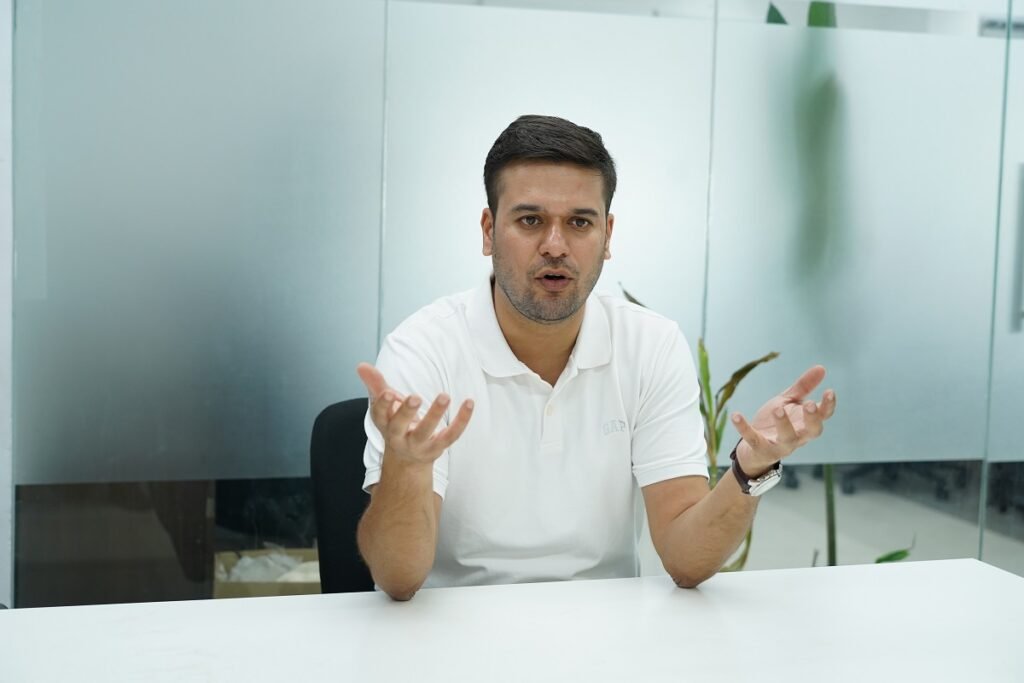
Abhishek Agashe- Cofounder & CEO at elima

Abhishek Agashe- Cofounder & CEO at elima.

(India CSR)
Ambedkar Chamber
ADVERTISEMENT
ESG Professional Network
ADVERTISEMENT
India Sustainability Awards 2026
ADVERTISEMENT
India CSR Image 1 India CSR Image 2
Tags: Viksit Bharat 2047

CSR, Sustainability, and ESG success stories hindustan zinc
ADVERTISEMENT
India CSR

India CSR

India CSR is the largest media on CSR and sustainability offering diverse content across multisectoral issues on business responsibility. It covers Sustainable Development, Corporate Social Responsibility (CSR), Sustainability, and related issues in India. Founded in 2009, the organisation aspires to become a globally admired media that offers valuable information to its readers through responsible reporting.

Related Posts

Carbon Neutral Manufacturing: Technology Pathways and Investment Strategies
Articles

Carbon Neutral Manufacturing: Technology Pathways and Investment Strategies

4 weeks ago
CSR in India
Articles

Corporate Social Responsibility (CSR) Must Include Environmental Responsibility: Supreme Court Judgment

1 month ago
CSR in India
Articles

Strategic CSR: Creating Lasting Community Impact

2 months ago
The New Face of Greenwashing: When Climate Awards Become Corporate Campaigns
Articles

The New Face of Greenwashing: When Climate Awards Become Corporate Campaigns

2 months ago
Neal Thakker Founder and CEO Magma-Group-@India CSR
Articles

Industrial Waste as India’s Most Reliable New Raw Material Source

2 months ago
Satish Jha
Articles

Interview with Satish Jha: Pioneering CSR in Education

2 months ago
Load More
Ambedkar Chamber
ADVERTISEMENT
India Sustainability Awards 2026
ADVERTISEMENT

LATEST NEWS

Republic Day Humanitarian Initiative by ‘Being Sevaka NGO’: Ration Distribution to the Needy in Collaboration with Police Administration

Char Dham Yatra 2026: Growing Challenges Highlight the Need for Better Travel Planning

Unfiltered with Ria Sets a New Standard in Authentic Podcasting

Alakh Pandey Donates INR 88 Lakhs to Army, Cancer Patients, Farmers & More, Ahead of Republic Day

The Truth About Dental Treatment in Health Insurance Policies: What Gets Covered and What Doesn’t

Tribal Community Initiative: Confluence of Tradition and Modernity

Ad 1 Ad 2 Ad 3
ADVERTISEMENT
ESG Professional Network
ADVERTISEMENT

TOP NEWS

Openhouse Is Redefining Early Learning in India Through a Simple Idea: Learn by Doing

Ambedkar Chamber of Commerce and Industry Receives CSR-1 Registration Certificate from MCA

Arif Patel Launches Youth Innovation Fund to Boost Next-Gen Entrepreneurs

Char Dham Yatra 2026: Growing Challenges Highlight the Need for Better Travel Planning

The Truth About Dental Treatment in Health Insurance Policies: What Gets Covered and What Doesn’t

ISR Leads to Democratize AI Skills Across Indian Schools

Load More
STEM Learning STEM Learning STEM Learning
ADVERTISEMENT

Interviews

Magma Group CEO and Founder, Neal Thakker
Interviews

Embedding CSR in Responsible Manufacturing at Magma Group: An Interview with Neal Thakker

by India CSR
January 21, 2026

Neal Thakker on integrating CSR and sustainability into factory operations.

Read moreDetails
Sudeep Agrawal, CFO & Head – CSR, Ashirvad by Aliaxis

Integrating Financial Leadership With Impactful CSR Initiatives: An Interview with Sudeep Agrawal, Ashirvad by Aliaxis

December 29, 2025
Sakina Baker, Head – CSR, Bosch Limited, and Head – Bosch India Foundation

Driving Social Innovation & Inclusive Skilling: An Exclusive Interview with Sakina Baker of Bosch India

December 1, 2025
Sita Ram Gupta speaking at the 16th India CSR Summit in New Delhi on November 21, 2025. © India CSR

Life is a Forward Progression, not a Backward Regression, Says Sita Ram Gupta

November 26, 2025
Load More
Facebook Twitter Youtube LinkedIn Instagram
India CSR Logo

India CSR is the largest tech-led platform for information on CSR and sustainability in India offering diverse content across multisectoral issues. It covers Sustainable Development, Corporate Social Responsibility (CSR), Sustainability, and related issues in India. Founded in 2009, the organisation aspires to become a globally admired media that offers valuable information to its readers through responsible reporting. To enjoy the premium services, we invite you to partner with us.

Follow us on social media:


Dear Valued Reader

India CSR is a free media platform that provides up-to-date information on CSR, Sustainability, ESG, and SDGs. We need reader support to continue delivering honest news. Donations of any amount are appreciated.

Help save India CSR.

Donate Now

Donate at India CSR

  • About India CSR
  • Team
  • India CSR Awards 2025
  • India CSR Leadership Summit
  • Partnership
  • Guest Posts
  • Services
  • ESG Professional Network
  • Content Writing Services
  • Business Information
  • Contact
  • Privacy Policy
  • Terms of Use
  • Donate

Copyright © 2025 - India CSR | All Rights Reserved

No Result
View All Result
  • Home
  • Corporate Social Responsibility
    • Art & Culture
    • CSR Leaders
    • Child Rights
    • Culture
    • Education
    • Gender Equality
    • Around the World
    • Skill Development
    • Safety
    • Covid-19
    • Safe Food For All
  • Sustainability
    • Sustainability Dialogues
    • Sustainability Knowledge Series
    • Plastics
    • Sustainable Development Goals
    • ESG
    • Circular Economy
    • BRSR
  • Corporate Governance
    • Diversity & Inclusion
  • Interviews
  • SDGs
    • No Poverty
    • Zero Hunger
    • Good Health & Well-Being
    • Quality Education
    • Gender Equality
    • Clean Water & Sanitation – SDG 6
    • Affordable & Clean Energy
    • Decent Work & Economic Growth
    • Industry, Innovation & Infrastructure
    • Reduced Inequalities
    • Sustainable Cities & Communities
    • Responsible Consumption & Production
    • Climate Action
    • Life Below Water
    • Life on Land
    • Peace, Justice & Strong Institutions
    • Partnerships for the Goals
  • Articles
  • Events
  • हिंदी
  • More
    • Business
    • Finance
    • Environment
    • Economy
    • Health
    • Around the World
    • Social Sector Leaders
    • Social Entrepreneurship
    • Trending News
      • Important Days
      • Great People
      • Product Review
      • International
      • Sports
      • Entertainment
    • Case Studies
    • Philanthropy
    • Biography
    • Technology
    • Lifestyle
    • Sports
    • Gaming
    • Knowledge
    • Home Improvement
    • Words Power
    • Chief Ministers

Copyright © 2025 - India CSR | All Rights Reserved

This website uses cookies. By continuing to use this website you are giving consent to cookies being used. Visit our Privacy and Cookie Policy.