

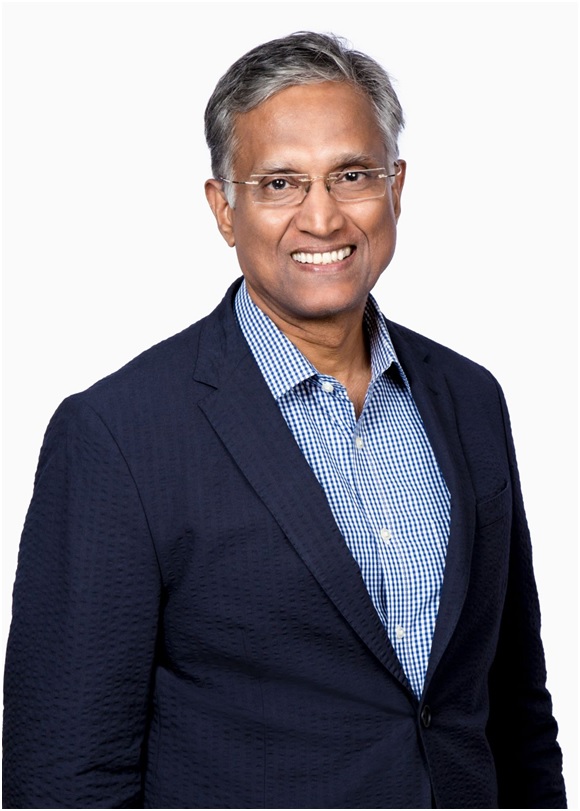



By Rajeev Menon
We often measure philanthropy by the money raised, people reached or scale of programmes supported. These measures matter, but they tell only part of the story. A more important question is what those resources make possible. Do they help families live with greater security, pursue their aspirations and come together around a shared purpose?
For Roshni, a young mother from Dahe village in Maharashtra’s Palghar district, the difference between a temporary shelter and a permanent home is reflected in the smallest details of everyday life.
Her family previously lived in a shelter made from mud walls and tree branches, covered with dry grass and plastic sheets. During heavy rain, water entered their shelter, while the absence of a proper toilet and bathing space made daily routines difficult.
With financial assistance, technical guidance and house design support from Habitat for Humanity India, Roshni and her family participated in building a permanent home with a bedroom, kitchen, toilet and bathroom. Reflecting on the change, Roshni said: “Earlier, even the simplest things were difficult. We had little space, no proper toilet and struggled during the rains. Today, we have a safe home, privacy and a place for everything. I can finally think about making our house a home for my family. These may seem like small changes, but for us, they mean everything.”
Her words reveal something important. The value of a home extends beyond its walls and roof. It lies in everyday possibilities: organising belongings, cooking with greater ease, enjoying privacy and having a secure space in which a family can live together.
Roshni’s experience illustrates the deeper purpose of philanthropy. Beyond mobilising resources, giving can create opportunities for people to shape their lives with greater security, dignity and confidence.
For corporate India and individual philanthropists, this perspective matters. Financial contributions are important, but their value becomes more meaningful when connected to tangible improvements in people’s lives.
India’s Housing for All vision reflects a shared commitment to improving living conditions and strengthening communities. Government initiatives provide an important foundation, complemented by the resources, expertise and networks of civil society organisations and private sector partners.
My association with Habitat for Humanity India has reinforced the importance of bringing people together around practical outcomes. Habitat partners with families to build or improve their homes, recognising their aspirations and active participation in shaping their futures.
The Habitat Charity Golf initiative – a unique golf tournament organised by Habitat for Humanity India to raise awareness and support underprivileged families with housing solutions – demonstrates how collective goodwill can translate into meaningful change. Resources mobilized at the sixth edition of Habitat Charity Golf helped Roshni’s family build their home in Dahe village. What began as a shared interest in sport became an opportunity to contribute towards a family’s future.
Sport brings people together across professional and social circles. When these connections are directed towards a cause, they can encourage participation through financial support, expertise, networks and sustained engagement.
For companies, it is a chance to connect social responsibility to an outcome you can see. For individuals, it is a reminder that giving goes beyond writing a cheque. Making an introduction or sharing what you know also builds something lasting.
But enthusiasm is not enough. Good philanthropy rests on a clear understanding of need, responsible implementation and respect for the people it serves. Habitat’s model reflects this: families take part in building their own homes. The support makes it possible, but the home is also the result of their own effort.
That distinction matters. Purposeful giving honours people’s agency, not just the generosity of the giver.
As India works towards the vision of ‘Housing for All’, Government, civil society and business each have a part to play. The real test of our contribution won’t be how much we gave. It will be what we made possible. Sometimes that begins with a donation, a partnership or a conversation on a golf course. It ends with a family, a home and a foundation to build a better future.
(Rajeev Menon, Advisor, Habitat for Humanity India)