

• India CSR Awards 2025
  • India CSR Leadership Summit
  • Guest Posts
Wednesday, February 18, 2026
India CSR
  • Home
  • Corporate Social Responsibility
    • Art & Culture
    • CSR Leaders
    • Child Rights
    • Culture
    • Education
    • Gender Equality
    • Around the World
    • Skill Development
    • Safety
    • Covid-19
    • Safe Food For All
  • Sustainability
    • Sustainability Dialogues
    • Sustainability Knowledge Series
    • Plastics
    • Sustainable Development Goals
    • ESG
    • Circular Economy
    • BRSR
  • Corporate Governance
    • Diversity & Inclusion
  • Interviews
  • SDGs
    • No Poverty
    • Zero Hunger
    • Good Health & Well-Being
    • Quality Education
    • Gender Equality
    • Clean Water & Sanitation – SDG 6
    • Affordable & Clean Energy
    • Decent Work & Economic Growth
    • Industry, Innovation & Infrastructure
    • Reduced Inequalities
    • Sustainable Cities & Communities
    • Responsible Consumption & Production
    • Climate Action
    • Life Below Water
    • Life on Land
    • Peace, Justice & Strong Institutions
    • Partnerships for the Goals
  • Articles
  • Events
  • हिंदी
  • More
    • Business
    • Finance
    • Environment
    • Economy
    • Health
    • Around the World
    • Social Sector Leaders
    • Social Entrepreneurship
    • Trending News
      • Important Days
        • Festivals
      • Great People
      • Product Review
      • International
      • Sports
      • Entertainment
    • Case Studies
    • Philanthropy
    • Biography
    • Technology
    • Lifestyle
    • Sports
    • Gaming
    • Knowledge
    • Home Improvement
    • Words Power
    • Chief Ministers
No Result
View All Result
  • Home
  • Corporate Social Responsibility
    • Art & Culture
    • CSR Leaders
    • Child Rights
    • Culture
    • Education
    • Gender Equality
    • Around the World
    • Skill Development
    • Safety
    • Covid-19
    • Safe Food For All
  • Sustainability
    • Sustainability Dialogues
    • Sustainability Knowledge Series
    • Plastics
    • Sustainable Development Goals
    • ESG
    • Circular Economy
    • BRSR
  • Corporate Governance
    • Diversity & Inclusion
  • Interviews
  • SDGs
    • No Poverty
    • Zero Hunger
    • Good Health & Well-Being
    • Quality Education
    • Gender Equality
    • Clean Water & Sanitation – SDG 6
    • Affordable & Clean Energy
    • Decent Work & Economic Growth
    • Industry, Innovation & Infrastructure
    • Reduced Inequalities
    • Sustainable Cities & Communities
    • Responsible Consumption & Production
    • Climate Action
    • Life Below Water
    • Life on Land
    • Peace, Justice & Strong Institutions
    • Partnerships for the Goals
  • Articles
  • Events
  • हिंदी
  • More
    • Business
    • Finance
    • Environment
    • Economy
    • Health
    • Around the World
    • Social Sector Leaders
    • Social Entrepreneurship
    • Trending News
      • Important Days
        • Festivals
      • Great People
      • Product Review
      • International
      • Sports
      • Entertainment
    • Case Studies
    • Philanthropy
    • Biography
    • Technology
    • Lifestyle
    • Sports
    • Gaming
    • Knowledge
    • Home Improvement
    • Words Power
    • Chief Ministers
No Result
View All Result
India CSR
No Result
View All Result
Home Sustainability

From ESG to UI: Measuring Harm-Reduction Features in Consumer Apps

ESG is often discussed as policy, audits, and corporate commitments. For consumer apps, ESG can also be observed in the interface itself.

India CSR by India CSR
February 18, 2026
in Sustainability
Reading Time: 7 mins read
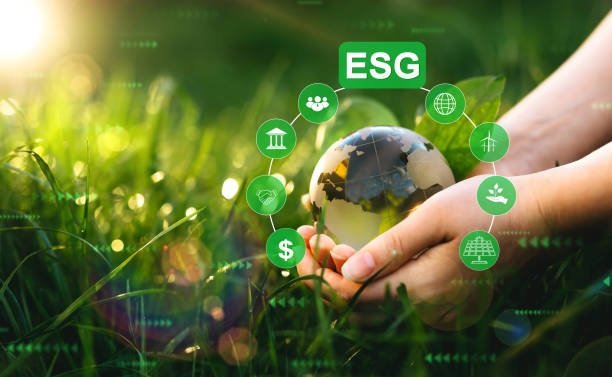
Global Environment, Social, and Governance (ESG): Transforming Industries with Sustainability

Image Credit: iStock

Share Share Share Share

Harm-reduction design is one of the most constructive ways to bring ESG into product reality. It does not mean removing excitement or creativity from digital experiences. It means adding guardrails that help users stay in control, especially during fast moments. Real-time products make the challenge visible because they compress decisions into seconds. A recognizable example is aviator spribe gaming, where outcomes can shift quickly and attention tightens. That same “fast loop” exists in many consumer categories, from one-tap purchases to instant posting and live dashboards. Measuring how well an app supports safe decisions is a modern way to show social responsibility through design, not slogans.

Why Harm-Reduction Belongs in ESG Reporting

ESG is often discussed as policy, audits, and corporate commitments. For consumer apps, ESG can also be observed in the interface itself. The UI is the place where a company’s values meet human behavior. If a product nudges clarity, autonomy, and informed choice, it supports the “S” and “G” in a direct and measurable way.

From a social perspective, harm-reduction features reduce preventable stress and regret. They help users avoid accidental actions, overspending, or impulsive choices that feel good for a moment and frustrating later. From a governance perspective, these features demonstrate responsible decision architecture. They show that growth is not built on confusion or pressure, but on long-term trust.
These design decisions also align with business outcomes. Fewer disputes. Fewer support escalations. Higher retention. Better brand reputation. In a market where switching apps is easy, trust becomes one of the strongest forms of loyalty.

Harm-reduction design is also scalable. A single guardrail, applied across millions of users, can prevent countless small negative experiences. That is a powerful ESG story because it is concrete and repeatable, not theoretical.

Which UI Patterns Increase Risk in Real-Time Products

Harm-reduction starts with understanding where risk comes from. In many consumer apps, risk is not created by “bad users.” It is created by rushed moments, unclear flows, and interface pressure. Real-time products magnify these factors because they move quickly and deliver constant feedback.

Several UI patterns commonly raise the likelihood of regret:

Urgency cues that narrow attention. Countdown timers, flashing prompts, and “limited time” messaging can be useful for information. They can also trigger reflex decisions when used too aggressively.

Frictionless commits. One-tap actions are convenient, but they can become risky when the action is costly or irreversible. A fast commit needs a matching safety net.

Ambiguous buttons and labels. If “Continue,” “Confirm,” and “Proceed” are used interchangeably, users rely on habit rather than understanding. Habit increases errors when stakes are high.

Layout shifts at the worst time. A banner loads late. A pop-up changes spacing. A button moves just as a user taps. These micro-events are a top source of accidental actions.

Overloaded screens with too many choices. Dense options force users to skim. Skimming is fine for low-stakes browsing, but dangerous for financial or personal decisions.

These patterns do not need to be banned. They need to be balanced. The goal is not to slow the product down. The goal is to prevent the product from turning speed into pressure.

A Measurement Framework: What to Track and How to Interpret It

If harm-reduction is part of ESG, it must be measurable. The most useful approach combines user behavior signals with outcomes that reflect user wellbeing and trust. Measurement should be practical, not academic. It should connect to real product decisions.

A strong framework separates leading indicators from lagging indicators.

Leading indicators show risk developing before it becomes a complaint. They include patterns like rapid reversals, repeated taps, frequent backtracking, or unusually fast confirmation times. These behaviors suggest that the interface may be prompting reflex actions.

Lagging indicators reflect consequences. Support tickets about accidental purchases, refund requests, charge disputes, and account lock issues. These outcomes often arrive after harm has occurred.

Measurement also benefits from context. A spike in fast confirmations may not be negative if the flow is truly clear. A spike in reversals after a new design launch often signals confusion. Trends matter more than single numbers.

A positive ESG lens helps here. The point is not to accuse teams of bad design. The point is to build a learning loop. Measure. Improve. Re-measure. Over time, harm-reduction becomes a product capability, not a one-time fix.

A practical measurement framework can include

  • Regret actions: cancellations, refunds, undo usage, and reversals within short windows.
  • Misclick proxies: multiple taps on the same button, or immediate navigation away from confirmation screens.
  • Friction sensitivity: drop-off rates when a protective step is added.
  • Support and dispute rates: categorized by “accidental action” or “confusion”.
  • Time-to-decision distributions: unusually fast choices for high-stakes actions can indicate pressure.
  • User sentiment: feedback that references feeling rushed, tricked, or unclear.

When these metrics improve, the ESG story becomes stronger. It is not a promise. It is a verified pattern of care.

Design Guardrails That Reduce Harm Without Killing Usability

The most effective harm-reduction features work quietly. They do not add complexity for the sake of caution. They add clarity and control at the precise moment when mistakes are most likely.

Undo windows are one of the most user-friendly guardrails. They keep the experience fast while giving users a short window to correct accidental actions. This approach works well for content posting, messaging actions, and many settings changes.

Meaningful confirmations protect high-stakes decisions. The best confirmations do not rely on generic popups. They restate the action clearly and highlight what changes. They make “Cancel” as easy to find as “Confirm.”

Hold-to-confirm and swipe-to-confirm are strong patterns for irreversible actions. They prevent accidental taps without feeling punishing. They also communicate, through interaction, that the decision matters.

Cooling-off moments can be integrated without drama. A short pause before finalizing a high-cost action. A “Review” step that is structured and clear. A gentle reminder when a behavior pattern suggests impulsive action.

Transparent limits and self-controls are another form of harm reduction. Time reminders. Spending caps. Activity summaries. These features support autonomy. They let users choose boundaries rather than having boundaries imposed on them.

Practical Scorecard for Auditing Consumer Apps

An audit scorecard helps teams translate ESG intentions into actionable checks. It can be used during design reviews, feature launches, and quarterly reporting. It also creates alignment across product, legal, and trust teams.

Below is a practical scorecard that works across many consumer categories. Each point is designed to be observable and testable:

  • Clarity at commit moments: high-stakes actions have specific labels and a clear preview of outcomes.
  • Accidental action protection: irreversible actions include hold, swipe, confirmation, or an undo window.
  • Layout stability: critical buttons do not shift due to late-loading content or pop-ups.
  • Friction is proportional: protective steps appear where stakes are high, not everywhere.
  • User control features exist: limits, reminders, and summaries are available and easy to find.
  • Regret signals are monitored: reversals, cancellations, and disputes are tracked and reviewed after releases.
  • Dark-pattern resistance: prompts do not hide declines or make “Cancel” difficult to choose.

This scorecard can be adapted for ESG reporting. It turns user protection into a measurable design standard. It also helps teams celebrate improvements. Small adjustments that reduce regret can be recognized as meaningful impact.

When ESG Feels Real in the Interface

Harm-reduction design is a positive strategy because it improves both user experience and business stability. It shows that a company takes responsibility for how its product shapes behavior, not only for what the product claims to do.

The best part is that this work does not require sacrificing innovation. Real-time products can still be dynamic, engaging, and modern. They simply become more supportive. They help users make decisions with confidence rather than pressure.

As consumer apps continue to grow into essential tools, the UI becomes a public statement of values. Companies that connect ESG to interface decisions will stand out. They will not only say they care. They will prove it through design patterns, measured outcomes, and a consistent commitment to user control.

(India CSR)

Tags: ConsumerESGESG Reporting

CSR, Sustainability, and ESG success stories hindustan zinc
ADVERTISEMENT
India CSR

India CSR

India CSR is the largest media on CSR and sustainability offering diverse content across multisectoral issues on business responsibility. It covers Sustainable Development, Corporate Social Responsibility (CSR), Sustainability, and related issues in India. Founded in 2009, the organisation aspires to become a globally admired media that offers valuable information to its readers through responsible reporting.

Related Posts

Sustainability Blue Dart Achieves Landmark Milestone of 1 Million Trees Planted Across India
Sustainability

Sustainability: Blue Dart Achieves Landmark Milestone of 1 Million Trees Planted Across India

13 minutes ago
Making ESG Real
Sustainability

Making ESG Real

2 hours ago
Saatvik Green Energy’s first Sustainability Report highlights 544.75 tCO₂e emissions avoided in FY25
Sustainability

Saatvik Green Energy’s first Sustainability Report highlights 544.75 tCO₂e emissions avoided in FY25

2 days ago
To Achieve Net-Zero by 2046, IndianOil to Investing ₹2.5 Lakh Crore in a Comprehensive Green Energy Roadmap
Sustainability

To Achieve Net-Zero by 2046, IndianOil to Investing ₹2.5 Lakh Crore in a Comprehensive Green Energy Roadmap

2 days ago
Jindal Stainless Launches ‘Sanjeevan’ Mega Air Purification Project at Shri Kashi Vishwanath Dham
Sustainability

CSR: Jindal Stainless Deploys Advanced Air Purification System at Kashi Vishwanath Dham

3 days ago
Supreme Court
Sustainability

Supreme Court Puts ‘100-Metre Aravalli Definition’ on Hold

2 months ago
Load More
Ambedkar Chamber
ADVERTISEMENT
India Sustainability Awards 2026
ADVERTISEMENT

LATEST NEWS

Sustainability: Blue Dart Achieves Landmark Milestone of 1 Million Trees Planted Across India

CSR: STEM Lab at Zilla Parishad Primary School, Upparwahi

CSR: Robots, Resolve and Rising Girls

Making ESG Real

From ESG to UI: Measuring Harm-Reduction Features in Consumer Apps

ED Imposes Rs 184 Crore FEMA Penalty on NewsClick and Founder Prabir Purkayastha

Economy India Largest Media on Indian Economy and Business
ADVERTISEMENT
Ad 1 Ad 2 Ad 3
ADVERTISEMENT
ESG Professional Network
ADVERTISEMENT

TOP NEWS

Sustainability: Blue Dart Achieves Landmark Milestone of 1 Million Trees Planted Across India

How a Demat Account Helps You Start Your Investment Journey

Enhancing Workplace Safety with Advanced Robot Safety Fencing Solutions

When Deadlines Start Sounding Better: A 2026 Workflow-First Guide to AI Music Generators

उदयपुर में जिंक कौशल द्वारा आयोजित मेगा रोजगार मेला बना युवाओं के लिए सुनहरा अवसर

Vocallabs Named Among Top 5 AI Startups in Karnataka by State Government

Load More
STEM Learning STEM Learning STEM Learning
ADVERTISEMENT

Interviews

Monika Walia Head – Corporate Social Responsibility GlobalLogic
Interviews

CSR: Robots, Resolve and Rising Girls

by India CSR
February 18, 2026

Inside GlobalLogic’s STEM Push from Pune.

Read moreDetails
Prof. Kang Sung Lee, PhD

Prof. Kang Sung Lee on Academia, Policy, and Industry-Linked Career Pathways

February 5, 2026
Magma Group CEO and Founder, Neal Thakker

Embedding CSR in Responsible Manufacturing at Magma Group: An Interview with Neal Thakker

January 21, 2026
Sudeep Agrawal, CFO & Head – CSR, Ashirvad by Aliaxis

Integrating Financial Leadership With Impactful CSR Initiatives: An Interview with Sudeep Agrawal, Ashirvad by Aliaxis

December 29, 2025
Load More
Facebook Twitter Youtube LinkedIn Instagram
India CSR Logo

India CSR is the largest tech-led platform for information on CSR and sustainability in India offering diverse content across multisectoral issues. It covers Sustainable Development, Corporate Social Responsibility (CSR), Sustainability, and related issues in India. Founded in 2009, the organisation aspires to become a globally admired media that offers valuable information to its readers through responsible reporting. To enjoy the premium services, we invite you to partner with us.

Follow us on social media:


Dear Valued Reader

India CSR is a free media platform that provides up-to-date information on CSR, Sustainability, ESG, and SDGs. We need reader support to continue delivering honest news. Donations of any amount are appreciated.

Help save India CSR.

Donate Now

Donate at India CSR

  • About India CSR
  • Team
  • India CSR Awards 2025
  • India CSR Leadership Summit
  • Partnership
  • Guest Posts
  • Services
  • ESG Professional Network
  • Content Writing Services
  • Business Information
  • Contact
  • Privacy Policy
  • Terms of Use
  • Donate

Copyright © 2025 - India CSR | All Rights Reserved

No Result
View All Result
  • Home
  • Corporate Social Responsibility
    • Art & Culture
    • CSR Leaders
    • Child Rights
    • Culture
    • Education
    • Gender Equality
    • Around the World
    • Skill Development
    • Safety
    • Covid-19
    • Safe Food For All
  • Sustainability
    • Sustainability Dialogues
    • Sustainability Knowledge Series
    • Plastics
    • Sustainable Development Goals
    • ESG
    • Circular Economy
    • BRSR
  • Corporate Governance
    • Diversity & Inclusion
  • Interviews
  • SDGs
    • No Poverty
    • Zero Hunger
    • Good Health & Well-Being
    • Quality Education
    • Gender Equality
    • Clean Water & Sanitation – SDG 6
    • Affordable & Clean Energy
    • Decent Work & Economic Growth
    • Industry, Innovation & Infrastructure
    • Reduced Inequalities
    • Sustainable Cities & Communities
    • Responsible Consumption & Production
    • Climate Action
    • Life Below Water
    • Life on Land
    • Peace, Justice & Strong Institutions
    • Partnerships for the Goals
  • Articles
  • Events
  • हिंदी
  • More
    • Business
    • Finance
    • Environment
    • Economy
    • Health
    • Around the World
    • Social Sector Leaders
    • Social Entrepreneurship
    • Trending News
      • Important Days
      • Great People
      • Product Review
      • International
      • Sports
      • Entertainment
    • Case Studies
    • Philanthropy
    • Biography
    • Technology
    • Lifestyle
    • Sports
    • Gaming
    • Knowledge
    • Home Improvement
    • Words Power
    • Chief Ministers

Copyright © 2025 - India CSR | All Rights Reserved

This website uses cookies. By continuing to use this website you are giving consent to cookies being used. Visit our Privacy and Cookie Policy.

