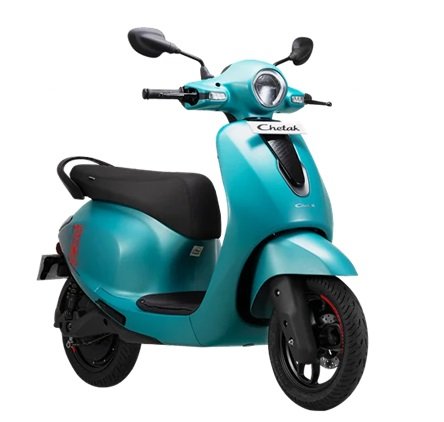
You’re ready to switch to an electric scooter, but the first number you see stops you in your tracks. The e-scooter price seems all over the place. Some scooters look economical, while others feel expensive for what they offer. You’ve probably wondered what actually drives these prices and how to find the right value for your money.
The price tag doesn’t just reflect a brand name or some marketing magic. It represents real engineering costs, performance choices, build quality, and long‑term ownership value. When you understand the fundamentals behind pricing, you feel confident about investing in something that suits your daily commute and budget.
Let’s break down the key cost drivers behind e‑scooter prices in India, so you know exactly what you’re paying for and why.
Key Factors That Shape E-scooter Price in India
Here are the main elements that determine the e-scooter price you see on showroom stickers or online listings.
1. Battery: The Heart of E-scooter Price
The biggest single driver of e-scooter price is the battery pack. Electric scooters get their juice from lithium‑ion batteries. These batteries are expensive because they use advanced materials (like lithium and nickel) and complex manufacturing processes. A battery that gives a scooter a 110‑150 km range will cost much more than a small battery that only does 60‑70 km.
So every ₹10,000-₹20,000 of extra cost in an e-scooter often reflects improvements in battery performance and range. For you, that translates to fewer charges and longer daily travel without worry.
2. Motor, Electronics, and Ride Quality
Right after the battery, the electric motor and power electronics matter a lot. A smooth, responsive motor with efficient controllers costs more to build than a basic unit. That’s why premium models command higher e-scooter prices; they deliver better acceleration, hill performance, and less battery drain.
Best e-scooters use refined motors and well‑integrated electronics that make riding feel comfortable and controlled.
3. Build Quality and Materials
Durability isn’t free. Metal bodies, quality suspension, robust brakes, and water‑resistant components add to manufacturing costs. Scooters cut corners here to hit low sticker prices, but you can feel the difference in ride stability and long‑term toughness.
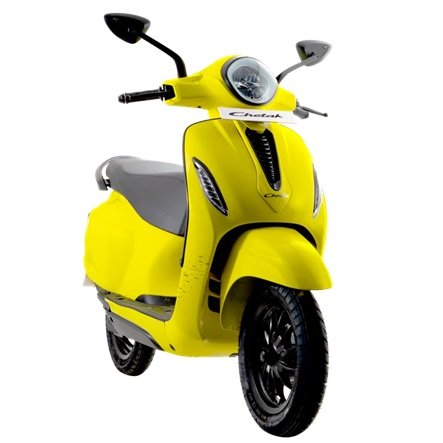
The electric scooter’s metal body and solid construction add to its appeal and pricing. Premium build quality saves you from early wear‑and‑tear expenses. So when you see e-scooter price tags that look high, ask: What quality of parts am I paying for?
4. Research, Design, and Brand Trust
Scooter makers invest in design, reliability testing, and long‑term customer support. Brands with proven track records justify higher prices because they reduce your future risks.
When a brand invests in software connectivity, safety features, and user experience, that investment rolls into the price you see.
5. Manufacturing Scale and Local Sourcing
If a company can source more parts locally and make scooters at a larger scale, it can lower costs. Smaller manufacturers or import‑heavy supply chains often translate to a higher e-scooter price for comparable scooters.
India’s electric vehicle industry is still building scale. This means parts like batteries are often imported, adding to the cost. Local sourcing initiatives and more established production lines will gradually ease prices, but that’s still evolving.
You’re paying not just for the scooter, but for a manufacturing ecosystem that’s still growing and improving.
6. Government Policies and Incentives
Government subsidies for EVs can lower the effective price you pay for an e-scooter. Schemes like FAME (Faster Adoption and Manufacturing of Electric Vehicles) provided incentives early on. Subsidy shifts can change scooter costs overnight. For example, some price adjustments happened in the market as governments changed EV incentives.
Note: E-scooter prices may vary by state and subsidy eligibility; understanding how these schemes affect costs enables smarter buying decisions.
7. Dealer Margins, Registration, and Insurance
The ex‑showroom price is only part of your total bill. On‑road price includes RTO charges, insurance, and dealer handling. For instance, the e-scooter ex‑showroom range can start near ₹87,100 for entry variants, but on‑road prices in cities can climb as high as ₹1.47 lakh with registration and insurance.
When you think of e-scooter price, always break down these extra charges so you’re comparing apples to apples.
8. Perceived Value and Total Cost of Ownership
Smart buyers don’t just look at the ticket price. You’re thinking about running costs, maintenance, and savings on petrol. Electric scooters cost significantly less per kilometre to charge than a petrol scooter costs to fuel.
Some data suggests running costs can be as low as ₹0.15 per km. That low ongoing cost makes a seemingly higher e-scooter price easier to swallow when you think long-term.
9. Competition and Market Positioning
Finally, where a scooter sits in the market affects price. Entry‑level scooters aim to win on affordability, while premium models focus on features, build quality, and performance. Some scooters balance both offering reliable performance and long‑term durability without chasing only the lowest e-scooter price. These models often appeal to commuters who want the best value for everyday riding.
Ready to Decide? Here’s the Moment to Act on Your E‑scooter Choice
Now you understand the key cost drivers that shape e-scooter prices in India, from battery tech to build quality, brand trust, and long‑term ownership value. These factors explain why scooters priced differently deliver varying levels of comfort, performance, reliability, and daily usability.
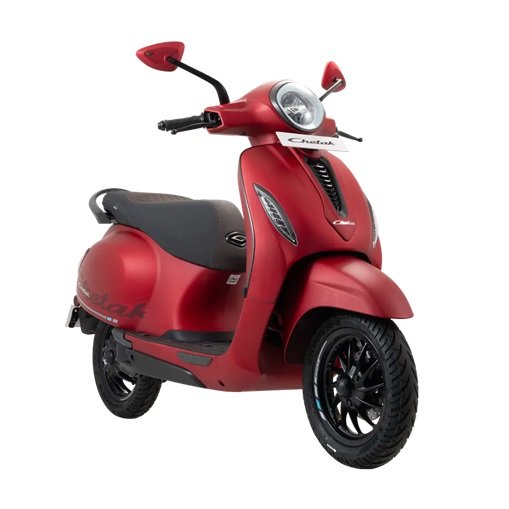
If you’re looking at established brands with strong legacy and real performance credibility, the Bajaj Chetak electric scooter lineup continues to stand out. The company’s recent launches reflect how quickly demand is growing and how competitive pricing is evolving.
Waiting too long can cost you more, as subsidies and introductory offers don’t last forever. With electric scooters becoming a preferred choice for urban commuters, demand is rising fast. Don’t let hesitation cost you the ride you deserve.