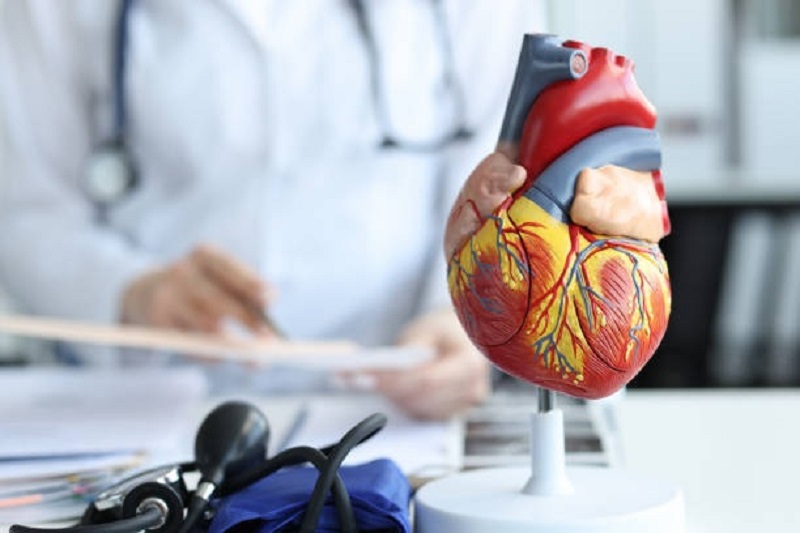



Cardiac healthcare in India has undergone a remarkable transformation over the past two decades. With world-class infrastructure, cutting-edge medical technology, and internationally trained specialists, India has become one of the most trusted destinations for complex cardiac procedures. Among these, tricuspid valve repair and replacement surgeries stand out as some of the most challenging and delicate operations performed by a cardiac surgeon in India.
The tricuspid valve, located between the right atrium and right ventricle, ensures smooth blood flow within the heart. When this valve becomes diseased or damaged, it can lead to serious conditions like tricuspid regurgitation where blood leaks backward into the right atrium—eventually impairing the heart’s pumping efficiency. Addressing such conditions requires immense surgical precision, deep anatomical understanding, and multidisciplinary coordination.
This article explores the surgical complexities, decision-making dilemmas, and post-operative challenges associated with tricuspid valve surgery in India while highlighting how advancements in Indian cardiac care are aligning with the country’s growing medical innovation ecosystem.

The Intricate Anatomy of the Tricuspid Valve
One of the foremost challenges faced by a cardiac surgeon in India during tricuspid valve surgery is its intricate anatomy. The tricuspid valve sits adjacent to critical structures such as the right coronary artery and the atrioventricular node responsible for the heart’s electrical impulses. Even a minor error in this region can disrupt the heart’s rhythm, leading to arrhythmias or conduction block.
The valve itself consists of three delicate leaflets that must be addressed individually. In cases of severe regurgitation or stenosis, the leaflets may be heavily scarred or deformed, requiring precise surgical correction. Indian cardiac centers such as AIIMS, Apollo Hospitals, and Narayana Health have become pioneers in advanced imaging and intraoperative monitoring techniques, helping surgeons operate with unparalleled accuracy while minimizing collateral damage.
Decision-Making: Repair vs. Replacement
A defining moment in tricuspid valve surgery lies in deciding between repair and replacement. A seasoned cardiac surgeon typically favors valve repair, as it preserves the native valve structure and avoids long-term anticoagulant therapy. However, when the valve is extensively damaged due to rheumatic disease or congenital defects, replacement becomes inevitable.
This choice depends on multiple patient-specific factors: age, comorbidities, pulmonary hypertension, and right ventricular function. While mechanical prosthetic valves offer longevity, they demand lifelong anticoagulant use, increasing the risk of bleeding. Conversely, biological valves provide a more natural flow but may require future reoperation.
Indian cardiac institutions are increasingly adopting patient-centered decision models, where multidisciplinary teams of cardiologists, anesthesiologists, and intensivists—collectively determine the most suitable surgical path for each case. This collaborative approach ensures the chosen procedure aligns with the patient’s lifestyle, health condition, and long-term prognosis.
Surgical Challenges in Indian Operating Rooms
Despite India’s advancements in cardiac surgery, performing tricuspid valve repair or replacement remains technically demanding. Surgeons must work through limited visualization fields while maintaining precise control over the valve’s geometry. The presence of associated cardiac issues like left-sided valve disease or pulmonary hypertension—adds further complexity.
In major cardiac centers across India, surgeries are often conducted with state-of-the-art tools like 3D echocardiography and intraoperative mapping, enabling real-time visualization of the valve. Leading hospitals in Mumbai, Chennai, and Delhi have introduced robotic and minimally invasive techniques that reduce surgical trauma and recovery time, helping patients return to normal life faster.
Furthermore, India’s evolving cardiac training programs are equipping surgeons with global exposure and technical proficiency. With mentorship under internationally renowned experts, many Indian cardiac surgeons now perform procedures that rival those done at top cardiac centers in the US and Europe.
Post-Operative Complications and Recovery
After tricuspid valve surgery, patient monitoring becomes critical. Complications such as bleeding, infection, or heart block can arise during the early recovery phase. Intensive care units (ICUs) in top Indian hospitals are equipped with advanced monitoring systems that help detect and address these complications swiftly.
Patients undergoing valve repair may face the risk of residual regurgitation, while those with prosthetic valves need long-term surveillance to prevent thrombosis or valve dysfunction. Post-surgery arrhythmias, heart block, or endocarditis remain potential risks.
A cardiac surgeon typically collaborates with an extended care team including cardiac anesthesiologists, physiotherapists, and rehabilitation specialists to manage recovery holistically. The goal is not just surgical success but also functional restoration, allowing patients to regain their quality of life through guided physiotherapy, lifestyle modification, and medication management.
The Emotional and Psychological Dimension
Beyond the operating table, tricuspid valve surgery takes an emotional toll on patients and families. The anxiety of undergoing open-heart surgery, coupled with fears of long recovery, often triggers psychological stress. Recognizing this, many Indian cardiac programs now integrate pre-operative counseling and mental health support as part of their care pathway.
Patients are educated about the surgical process, risks, and recovery expectations, helping them mentally prepare for the journey ahead. Post-operative counseling also plays a crucial role in managing depression or anxiety that may follow prolonged hospitalization.
This patient-first approach, combining empathy with medical precision is one of the hallmarks of cardiac care in India and has been instrumental in improving long-term outcomes.
The Impact of Age and Comorbidities
India’s aging population has led to a surge in cardiac cases among elderly patients. For older individuals with diabetes, hypertension, or kidney disease, tricuspid valve surgery becomes even more complex. These comorbidities heighten surgical risks and delay recovery.
A cardiac surgeon in India must therefore adopt a highly individualized approach. Preoperative optimization stabilizing blood sugar, managing pulmonary pressures, and improving nutrition is essential before surgery. Many tertiary care hospitals now use advanced risk stratification tools to predict surgical outcomes and plan post-operative rehabilitation accordingly.
This proactive management has helped India achieve mortality rates for complex valve surgeries that are on par with Western benchmarks.
Innovation and the Future of Tricuspid Valve Surgery in India
India’s growing reputation as a global medical innovation hub extends beyond pharmaceuticals to include cardiac surgery as well. Robotic-assisted systems, enhanced imaging, and hybrid operating theaters are reshaping how surgeries are performed.
Innovations in bioprosthetic valve technology, stem-cell-based regeneration, and 3D-printed cardiac models are currently being explored in Indian cardiac institutes. These advances promise better precision, durability, and patient outcomes.
As India continues to invest in R&D and medical education, it is fostering an ecosystem that merges global technology with indigenous innovation ensuring that even the most complex procedures like tricuspid valve surgery can be performed safely and efficiently.
A Multidisciplinary Approach: The Cornerstone of Indian Cardiac Care
The hallmark of successful tricuspid valve surgery in India lies in teamwork. Every patient’s journey involves cardiologists, anesthesiologists, intensivists, perfusionists, and skilled nursing staff working in sync. This multidisciplinary structure ensures that complications are managed swiftly and the patient receives comprehensive care from admission to recovery.
Such collaboration is increasingly being recognized as the gold standard in Indian cardiac hospitals, reflecting the nation’s larger healthcare philosophy, where clinical excellence is inseparable from coordinated teamwork.
Conclusion
Tricuspid valve surgery exemplifies the depth of skill, precision, and coordination required in modern cardiac care. From the complex anatomy of the valve to the delicate balance between repair and replacement, the role of a cardiac surgeon in India has evolved into one that demands both scientific rigor and human empathy.
With continuous innovation, patient-centric care, and strong institutional frameworks, India stands at the forefront of advanced cardiac surgery. The nation’s progress mirrors its rise as a leader in healthcare and medical innovation much like its ascent in the global pharmaceutical sector.
For a broader perspective on India’s growing influence in healthcare and biotechnology, you can read this insightful article on why India is emerging as a global hub for pharmaceutical drug manufacturers.