




New Airport, Makhana Board, and Infrastructure Mark Seemanchal’s Rise
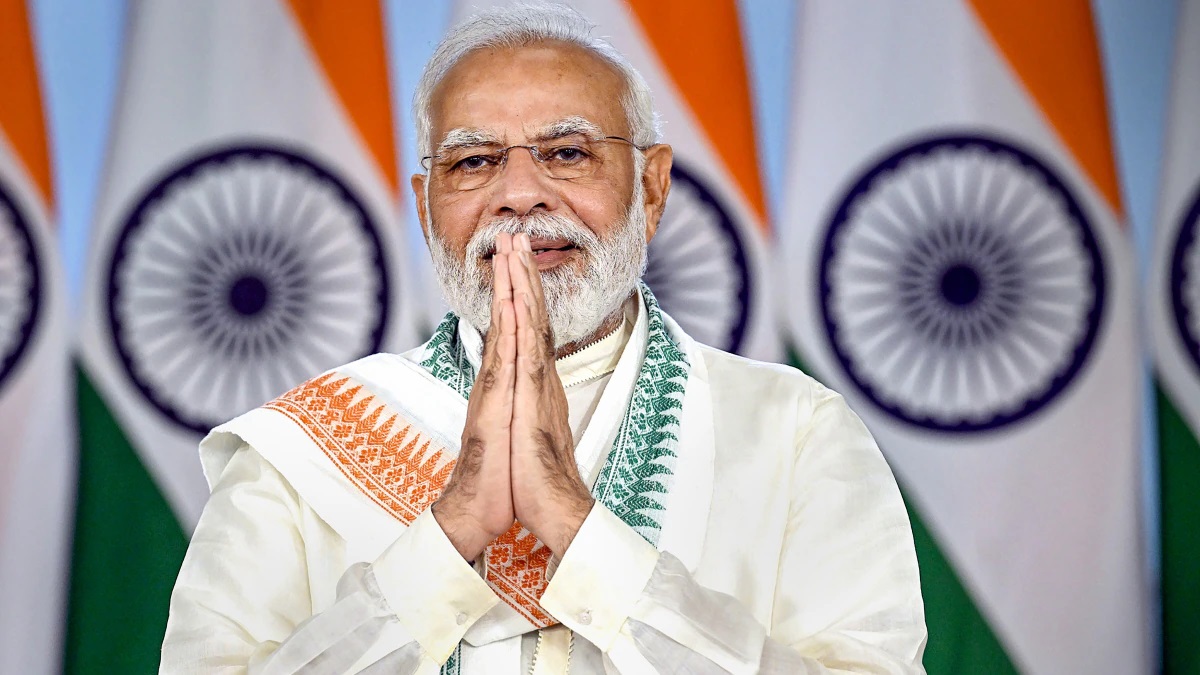
PURNEA, BIHAR (India CSR): Prime Minister Narendra Modi unveiled a transformative slate of development projects worth Rs 40,000 crore in Purnea, Bihar, on September 15, 2025, heralding a new era for the Seemanchal region. From launching the National Makhana Board to inaugurating Purnea’s airport terminal and flagging off high-tech trains, Modi’s initiatives aim to elevate Bihar’s economic and social landscape. Addressing a vibrant gathering, the Prime Minister paid homage to Purnea’s cultural legacy, from literary giants like Phanishwarnath Renu to spiritual icons like Maharshi Mehi Baba, while reaffirming his commitment to rooting out illegal infiltration and empowering the poor through housing and jobs.
A New Dawn for Seemanchal’s Connectivity
The inauguration of Purnea Airport’s interim terminal, completed in a record five months, marks a milestone in placing Seemanchal on India’s aviation map. With a capacity to handle 1,000 passengers daily, the airport connects Purnea to major hubs like Delhi and Kolkata, boosting tourism and trade. Modi also flagged off a Vande Bharat Express between Jogbani and Danapur, alongside Amrit Bharat Express trains linking Saharsa to Amritsar and Jogbani to Erode, enhancing travel across 10 districts. The new Araria-Galgalia rail line and the foundation stone for the Vikramshila-Katareah line, worth over Rs 6,580 crore combined, promise seamless connectivity, with the Buxar-Bhagalpur high-speed corridor set to spur industrial growth in Munger and Bhagalpur.

Empowering Farmers and Boosting Agriculture
Modi announced the establishment of the National Makhana Board, fulfilling a promise made to Bihar’s farmers. Notified on September 14, 2025, the board will enhance makhana production, which accounts for 90% of India’s output, primarily from districts like Purnea and Darbhanga. With a Rs 475 crore investment, the board aims to improve technology, post-harvest management, and global market access, potentially increasing farmers’ incomes by 20% by 2027, per ICAR estimates. Additionally, the Kosi-Mechi Intra-State River Link Project’s first phase, costing Rs 2,680 crore, will expand irrigation across 4.5 lakh hectares and mitigate floods, benefiting over 10 lakh farmers in northeastern Bihar.
Energy Security and Industrial Growth
The Rs 25,000 crore Pirpainti thermal power project in Bhagalpur, Bihar’s largest private-sector investment, was a centerpiece of the event. This 2,400 MW facility, built with ultra-super-critical technology, will bolster energy security, reducing outages by 30% in Seemanchal by 2028, according to state projections. Modi emphasized self-reliance in power, aligning with the Atmanirbhar Bharat vision. The project is expected to create 5,000 direct and indirect jobs, complementing a Rs 500 crore Community Investment Fund released for women’s self-help groups under DAY-NRLM, empowering 1.2 lakh “Lakhpati Didis” in Bihar’s villages.
Housing and Social Empowerment
Under the Pradhan Mantri Awas Yojana (PMAY), Modi participated in Griha Pravesh ceremonies for 40,920 beneficiaries—35,000 rural and 5,920 urban—handing over keys to new homeowners. Over the past 11 years, 4 crore homes have been built nationwide, with 3 crore more planned. “No poor family will remain homeless; this is Modi’s guarantee,” he declared. The Sex Sorted Semen Facility in Purnea, launched under the Rashtriya Gokul Mission, will produce 5 lakh doses annually, boosting dairy incomes for marginal farmers by enabling 90% female calf births, a first for eastern India using indigenous technology.
Tackling Infiltration and Political Challenges
Modi addressed the contentious issue of illegal infiltration in Seemanchal, criticizing opposition parties for defending infiltrators for vote-bank politics. “Indian law, not the whims of infiltrators, will prevail,” he asserted, promising action through the Demography Mission announced from the Red Fort in 2024. He accused opposition leaders of undermining Bihar’s progress, citing a recent social media post comparing the state to a “bidi.” Social media on X reflects polarized views, with supporters praising Modi’s development focus while critics question enforcement timelines for infiltration policies. Modi lauded Bihar’s women for driving change, transforming from victims of past misgovernance to leaders in initiatives like the Jeevika Didi campaign.
A Festive Boost with GST Relief
With Diwali and Chhath approaching, Modi highlighted the GST rate cuts effective September 22, 2025, reducing taxes on essentials like soap, toothpaste, and food items to 5% and consumer goods like electronics to 18%. This “Diwali gift” is expected to save households Rs 1,200 annually, per a 2025 CII estimate, easing kitchen and education expenses. The Prime Minister contrasted this with past corruption, recalling a former leader’s admission that 85% of funds were siphoned off, and emphasized direct benefits like free rations and Rs 5 lakh healthcare under Ayushman Bharat, reaching 2 crore Biharis in 2024.
Bihar’s Rising Global Profile
Modi celebrated Bihar’s growing stature, from hosting the Hockey Asia Cup in Rajgir to exporting rail engines to Africa. He credited Chief Minister Nitish Kumar’s leadership and the state’s women for sustaining development momentum. The event, attended by Governor Arif Mohammed Khan and Union Ministers like Chirag Paswan and Giriraj Singh, showcased Bihar’s potential as a growth engine. With Rs 1.2 lakh crore in investments secured in 2024-25, Bihar’s industrial output is projected to grow 8% annually through 2030, per NITI Aayog, positioning Purnea as a hub for inclusive progress.
(India CSR)



