


• India CSR Awards 2025
  • India CSR Leadership Summit
  • Guest Posts
  • Login
Thursday, March 26, 2026
India CSR
  • Home
  • Corporate Social Responsibility
    • Art & Culture
    • CSR Leaders
    • Child Rights
    • Culture
    • Education
    • Gender Equality
    • Around the World
    • Skill Development
    • Safety
    • Covid-19
    • Safe Food For All
  • Sustainability
    • Sustainability Dialogues
    • Sustainability Knowledge Series
    • Plastics
    • Sustainable Development Goals
    • ESG
    • Circular Economy
    • BRSR
  • Corporate Governance
    • Diversity & Inclusion
  • Interviews
  • SDGs
    • No Poverty
    • Zero Hunger
    • Good Health & Well-Being
    • Quality Education
    • Gender Equality
    • Clean Water & Sanitation – SDG 6
    • Affordable & Clean Energy
    • Decent Work & Economic Growth
    • Industry, Innovation & Infrastructure
    • Reduced Inequalities
    • Sustainable Cities & Communities
    • Responsible Consumption & Production
    • Climate Action
    • Life Below Water
    • Life on Land
    • Peace, Justice & Strong Institutions
    • Partnerships for the Goals
  • Articles
  • Events
  • हिंदी
  • More
    • Business
    • Finance
    • Environment
    • Economy
    • Health
    • Around the World
    • Social Sector Leaders
    • Social Entrepreneurship
    • Trending News
      • Important Days
        • Festivals
      • Great People
      • Product Review
      • International
      • Sports
      • Entertainment
    • Case Studies
    • Philanthropy
    • Biography
    • Technology
    • Lifestyle
    • Sports
    • Gaming
    • Knowledge
    • Home Improvement
    • Words Power
    • Chief Ministers
No Result
View All Result
  • Home
  • Corporate Social Responsibility
    • Art & Culture
    • CSR Leaders
    • Child Rights
    • Culture
    • Education
    • Gender Equality
    • Around the World
    • Skill Development
    • Safety
    • Covid-19
    • Safe Food For All
  • Sustainability
    • Sustainability Dialogues
    • Sustainability Knowledge Series
    • Plastics
    • Sustainable Development Goals
    • ESG
    • Circular Economy
    • BRSR
  • Corporate Governance
    • Diversity & Inclusion
  • Interviews
  • SDGs
    • No Poverty
    • Zero Hunger
    • Good Health & Well-Being
    • Quality Education
    • Gender Equality
    • Clean Water & Sanitation – SDG 6
    • Affordable & Clean Energy
    • Decent Work & Economic Growth
    • Industry, Innovation & Infrastructure
    • Reduced Inequalities
    • Sustainable Cities & Communities
    • Responsible Consumption & Production
    • Climate Action
    • Life Below Water
    • Life on Land
    • Peace, Justice & Strong Institutions
    • Partnerships for the Goals
  • Articles
  • Events
  • हिंदी
  • More
    • Business
    • Finance
    • Environment
    • Economy
    • Health
    • Around the World
    • Social Sector Leaders
    • Social Entrepreneurship
    • Trending News
      • Important Days
        • Festivals
      • Great People
      • Product Review
      • International
      • Sports
      • Entertainment
    • Case Studies
    • Philanthropy
    • Biography
    • Technology
    • Lifestyle
    • Sports
    • Gaming
    • Knowledge
    • Home Improvement
    • Words Power
    • Chief Ministers
No Result
View All Result
India CSR
No Result
View All Result
Home Articles

Why Livestock Health Is Central to Rural Economic Stability

India CSR by India CSR
February 12, 2026
in Articles
Reading Time: 3 mins read
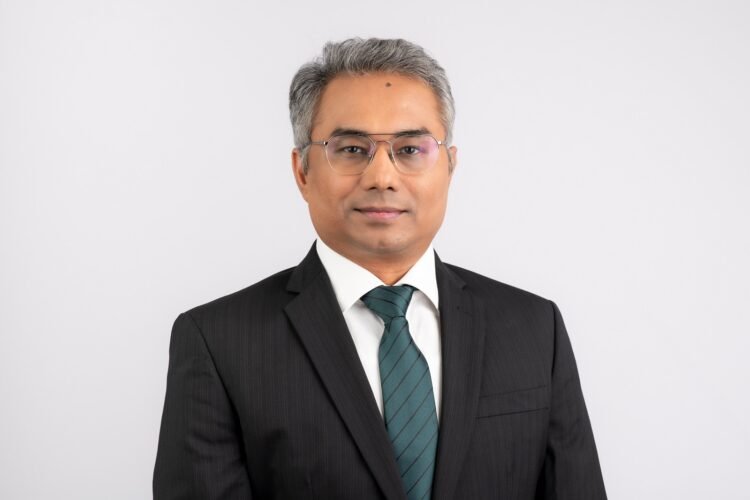
Gaurav Terdal, CHRO SMFG India Credit

Gaurav Terdal, CHRO SMFG India Credit

Share Share Share Share
WhatsApp icon
WhatsApp — Join Us
Instant updates & community
Google News icon
Google News — Follow Us
Get our articles in Google News feed
India CSR Awards
ADVERTISEMENT

By Gaurav Terdal

NEW DELHI (India CSR): India is home to the world’s largest livestock population, with more than 535 million animals supporting the livelihoods of over 70 percent of rural households. For small and marginal farmers, livestock is often the most reliable and liquid asset they possess, generating regular income that supports daily expenses, nutrition, and household resilience. Unlike crop agriculture, which remains exposed to seasonality, climate variability, and delayed returns, livestock provides steady cash flows that help families manage uncertainty and absorb financial shocks.

In rural India, animal health is more than a welfare concern; it is a form of economic infrastructure. When livestock fall ill due to preventable causes, household income is hit almost immediately as milk yields drop, costs rise, and families are pushed toward distress borrowing or asset sales. Preventive livestock healthcare, through vaccination, deworming, nutritional guidance, and early disease detection, helps protect productivity before losses occur, a need that has grown with rising climate and financial stress. Yet despite its clear economic value, veterinary care remains largely reactive, with emergency treatment, limited access, and weak continuity of care continuing to undermine outcomes.

Addressing these challenges requires delivery models that move beyond episodic treatment and focus instead on prevention, follow-up, and scale. Over the past few years, a small but growing number of structured interventions have shown how preventive livestock healthcare can be effectively delivered and sustained through consistent processes, local engagement, and long-term commitment. One such example can be seen in the approach adopted by SMFG India Credit, which has deliberately shifted its livestock interventions from emergency response to early and sustained care.

The Pashu Vikas Day initiative by SMFG India Credit focuses on routine health check-ups, vaccination, deworming, nutritional guidance, and farmer awareness, delivered through structured protocols and partnerships with veterinary professionals. Embedded within existing rural networks, it enables consistency and follow-up rather than one-time engagement, showing how preventive care can function as a system rather than a standalone activity. Implemented annually across multiple locations, the initiative is built around standardised service delivery, veterinary due diligence, and documentation, allowing preventive livestock healthcare to be coordinated effectively across geographies. Its steady expansion, from 71,500 cattle covered across 355 branches in 2019 to nearly 1.5 lakh cattle across 500 branches in 2025, underscores the operational feasibility of delivering preventive care at scale through sustained engagement and process discipline.

Such interventions also sit naturally within broader ESG frameworks. Preventive livestock healthcare contributes directly to livelihood resilience, income stability, food and nutrition security, and gender equity, given the central role women play in livestock management. From an environmental perspective, healthier animals improve productivity efficiency and reduce avoidable losses. From a governance standpoint, structured delivery, transparency, and accountability are essential to achieving consistent outcomes. Together, these dimensions align closely with evolving global sustainability expectations that emphasise long-term value creation over short-term impact.

The growing recognition of preventive livestock healthcare as a serious development intervention is reflected in independent validation as well. In recent years, large-scale initiatives in this space have received national and international recognition, including registration by the World Book of Records, and a Guinness World Record for conducting the largest cattle welfare lesson. Such recognition reinforces the credibility of preventive livestock healthcare as a scalable and replicable model, rather than a niche or episodic CSR activity.

As India’s rural economy faces increasing climate volatility and income uncertainty, livestock health can no longer remain peripheral to development planning. What is now required is a shift in emphasis, from proving that preventive veterinary care works to embedding it more systematically within rural development efforts.

The next phase calls for broader participation. Policymakers, development institutions, financial service providers, and corporates with deep rural footprints must collectively move from episodic treatment toward preventive systems that prioritise early intervention, awareness, and continuity of care. Embedding livestock health within mainstream development and ESG strategies offers a powerful opportunity to strengthen rural resilience while delivering durable economic and social value. Investing in preventive livestock healthcare is no longer a matter of goodwill; it is a strategic imperative for inclusive and sustainable growth.

About the Author

Gaurav Terdal, CHRO, SMFG India Credit.

(India CSR)

HDFC Securities – Powerful Voices in Finance
ADVERTISEMENT
India Responsible Education & AI Summit 2026
ADVERTISEMENT
Ambedkar Chamber
ADVERTISEMENT
ESG Professional Network
ADVERTISEMENT
India Sustainability Awards 2026
ADVERTISEMENT
India CSR Image 1 India CSR Image 2
Tags: SMFG India Credit

CSR, Sustainability, and ESG success stories hindustan zinc
ADVERTISEMENT
India CSR

India CSR

India CSR is the largest media on CSR and sustainability offering diverse content across multisectoral issues on business responsibility. It covers Sustainable Development, Corporate Social Responsibility (CSR), Sustainability, and related issues in India. Founded in 2009, the organisation aspires to become a globally admired media that offers valuable information to its readers through responsible reporting.

Related Posts

Mohammed Kaif
Articles

Zinc Football Academy’s Mohammed Kaif Joins India U-20 Team for SAFF Championship

Hindustan Zinc and Tata Steel Partner to Scale Low-Carbon Zinc Solutions with EcoZen
Articles

Hindustan Zinc and Tata Steel Partner to Scale Low-Carbon Zinc Solutions with EcoZen

Blueprint for Sustainability-Led Growth
Articles

EU–India FTA 2026: A New Blueprint for Sustainability-Led Growth

Rethinking Workplace Sustainability in India: Beyond Green Labels
Articles

Rethinking Workplace Sustainability in India: Beyond Green Labels

Vedanta, Hindustan Zinc Drive Rajasthan Growth with Rs 1 Lakh Cr Investment
Articles

Vedanta, Hindustan Zinc Drive Rajasthan Growth with Rs 1 Lakh Cr Investment

Ramkrishna Hospital raipur
Articles

Three Sanitation Workers Die in Ramkrishna Hospital Sewer Tank, Families Protest Negligence

Load More
HDFC Securities – Powerful Voices in Finance
ADVERTISEMENT
India Responsible Education & AI Summit 2026
ADVERTISEMENT

LATEST NEWS

Malabar Gold & Diamonds to Spend ₹200 Crore on Girls’ Education Under CSR Initiative

How to Open a Demat Account in India for Beginners

Should Working Couples Buy Separate Term Covers?

How EV Labs Are Driving Innovation in Student Electric Vehicle Projects

Hridayamrit Foundation Completes One Year: India’s Largest Youth-Led Cardiovascular Health Literacy and Prevention Organization Announces National Mission

Vijay Singh Senger: Fitness Enthusiast and Founder of Gym Lounge Bharat

Ambedkar Chamber
ADVERTISEMENT
India Sustainability Awards 2026
ADVERTISEMENT

TOP NEWS

CSR: WOTR Rejuvenates 147 Traditional Water Structures, Bringing Over 452 Million Litres of Water to Rural Communities in Rajasthan

CBI Questions Anil Ambani for 8 Hours in Rs 2,929 Crore Bank Fraud Case

HDFC Securities – Powerful Voices in Finance

Is Investing in JAYMAC Bar Bending & Cutting Machines Worth It? Cost vs ROI Explained

CSR: Marico Organises Women Water Meet in Jalgaon for Water Conservation

Twachalogy International Institute: Transforming Medical Careers in Cosmetology, Trichology & Skin Aesthetic

Load More
Ad 1 Ad 2 Ad 3
ADVERTISEMENT
Economy India Largest Media on Indian Economy and Business
ADVERTISEMENT

Interviews

Nirbhay Lumde is a seasoned leader in ESG and CSR with a vision to create a more sustainable and equitable world.
Interviews

How Prestige Group is Integrating Biodiversity into Urban Development

by India CSR

Nirbhay Lumde explains how Prestige Group is integrating biodiversity into urban development for greener, healthier, and more resilient cities.

Read moreDetails
Kayana Monga, a student at Shiv Nadar School, Noida, Founder - Project Muskan

An Interview with Student Changemaker Kayana Monga Working on Rural Mental Health

Meha Patel, Vice Chairperson of Zydus Foundation

Interview: Meha Patel on Zydus Foundation’s Vision for Sustainable Social Impact

Prachi Kaushik, Founder and Director of Vyomini Social Enterprise

Menstrual Hygiene Awareness Must Go Beyond Pad Distribution: Prachi Kaushik, Vyomini Social Enterprise

Load More
ESG Professional Network
ADVERTISEMENT
STEM Learning STEM Learning STEM Learning
ADVERTISEMENT
Facebook Twitter Youtube LinkedIn Instagram
India CSR Logo

India CSR is the largest tech-led platform for information on CSR and sustainability in India offering diverse content across multisectoral issues. It covers Sustainable Development, Corporate Social Responsibility (CSR), Sustainability, and related issues in India. Founded in 2009, the organisation aspires to become a globally admired media that offers valuable information to its readers through responsible reporting. To enjoy the premium services, we invite you to partner with us.

Follow us on social media:


Dear Valued Reader

India CSR is a free media platform that provides up-to-date information on CSR, Sustainability, ESG, and SDGs. We need reader support to continue delivering honest news. Donations of any amount are appreciated.

Help save India CSR.

Donate Now

Donate at India CSR

  • About India CSR
  • Team
  • India CSR Awards 2025
  • India CSR Leadership Summit
  • India Responsible Education & AI Summit 2026
  • Partnership
  • Guest Posts
  • Services
  • ESG Professional Network
  • Content Writing Services
  • Business Information
  • Contact
  • Privacy Policy
  • Terms of Use
  • Donate

Copyright © 2025 - India CSR | All Rights Reserved

Welcome Back!

Login to your account below

Forgotten Password?

Retrieve your password

Please enter your username or email address to reset your password.

Log In
IIM Ahmedabad
Submit Nomination Now
No Result
View All Result
  • Home
  • Corporate Social Responsibility
    • Art & Culture
    • CSR Leaders
    • Child Rights
    • Culture
    • Education
    • Gender Equality
    • Around the World
    • Skill Development
    • Safety
    • Covid-19
    • Safe Food For All
  • Sustainability
    • Sustainability Dialogues
    • Sustainability Knowledge Series
    • Plastics
    • Sustainable Development Goals
    • ESG
    • Circular Economy
    • BRSR
  • Corporate Governance
    • Diversity & Inclusion
  • Interviews
  • SDGs
    • No Poverty
    • Zero Hunger
    • Good Health & Well-Being
    • Quality Education
    • Gender Equality
    • Clean Water & Sanitation – SDG 6
    • Affordable & Clean Energy
    • Decent Work & Economic Growth
    • Industry, Innovation & Infrastructure
    • Reduced Inequalities
    • Sustainable Cities & Communities
    • Responsible Consumption & Production
    • Climate Action
    • Life Below Water
    • Life on Land
    • Peace, Justice & Strong Institutions
    • Partnerships for the Goals
  • Articles
  • Events
  • हिंदी
  • More
    • Business
    • Finance
    • Environment
    • Economy
    • Health
    • Around the World
    • Social Sector Leaders
    • Social Entrepreneurship
    • Trending News
      • Important Days
      • Great People
      • Product Review
      • International
      • Sports
      • Entertainment
    • Case Studies
    • Philanthropy
    • Biography
    • Technology
    • Lifestyle
    • Sports
    • Gaming
    • Knowledge
    • Home Improvement
    • Words Power
    • Chief Ministers

Copyright © 2025 - India CSR | All Rights Reserved

This website uses cookies. By continuing to use this website you are giving consent to cookies being used. Visit our Privacy and Cookie Policy.



