


Renowned social and communication leader explains how Rural women entrepreneurs can transform India’s economy through SHGs, livelihoods, and local enterprises.

By Pavan Kaushik
On the occasion of International Women’s Day, conversations about women’s empowerment often highlight corporate leadership and urban startups. Yet the real transformation of India’s socio-economic landscape may lie in empowering rural women entrepreneurs, who represent one of the most underutilized forces of economic growth.
India has made significant strides in mobilizing rural women into economic activity. Under the National Rural Livelihood Mission (NRLM), more than 10 crore women have been organized into over 90 lakh Self-Help Groups (SHGs) across the country. These groups form one of the world’s largest community-based networks for financial inclusion and social empowerment, enabling rural women to access credit, skill development, and market opportunities.
Despite this progress, women’s economic participation in India still has considerable room to grow. According to the World Bank, the female labour force participation rate in India remains around 32–33%, indicating a vast reservoir of untapped entrepreneurial potential.
Research by McKinsey & Company further estimates that advancing gender equality in economic participation could add up to $770 billion to India’s GDP by 2025. Encouraging rural women to transition from unpaid household roles to entrepreneurship could therefore significantly strengthen local economies while improving household incomes.
When rural women gain access to finance, training, digital tools, and markets, the impact extends far beyond individual livelihoods. Women-led enterprises strengthen local supply chains, generate employment within communities, and contribute to inclusive growth.
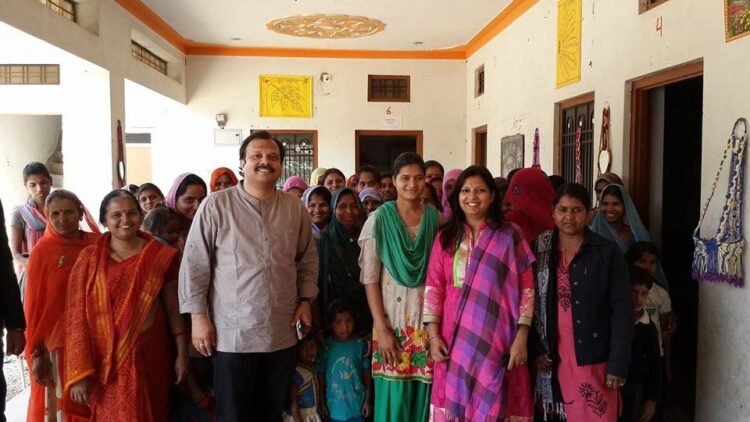
A compelling example of this transformation can be seen in Rajasthan. Kesi Bai, once a daily wage labourer, was able to transition into a small entrepreneur with the support of government livelihood initiatives and community guidance. With access to training, credit, and the support of a Self-Help Group, she began a small enterprise that improved her family’s income and brought greater confidence and recognition within her community.
Stories like that of Kesi Bai demonstrate how rural women, when given the right opportunities, can become agents of economic and social change. What begins as a small enterprise often evolves into a source of livelihood not only for one household but for many within the community.
Empowering rural women entrepreneurs is therefore not merely a matter of social equity; it is a strategic pathway toward sustainable development and national prosperity. The true measure of India’s progress will be reflected in how effectively millions of rural women are enabled to become entrepreneurs, innovators, and leaders within their communities.
When rural women rise as entrepreneurs, they do not merely transform their own lives—they become the architects of stronger families, resilient communities, and a more prosperous India.
About the Author:
Pavan Kaushik: Storyteller and Founder – Sakhi, a rural women empowerment initiative dedicated to fostering entrepreneurship, dignity, and self-reliance among rural women. His work focuses on promoting economic empowerment by enabling Self-Help Groups (SHGs) to connect with industries and markets where there is real demand for their products and services, thereby transforming rural skills into sustainable livelihoods.