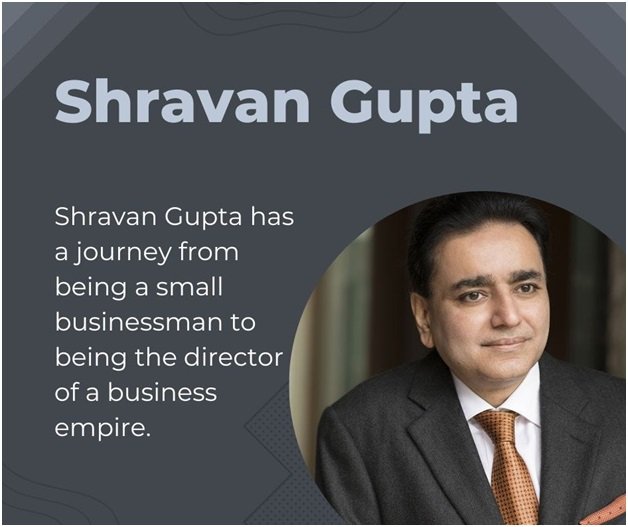
Shravan Gupta has always believed that true progress comes from adapting to change. As a forward-thinking leader, he understands that real estate is more than buildings—it reflects how people live, work, and grow. Real success lies in understanding people: their aspirations, lifestyles, and evolving needs.
By 2026, the rise of the smart rental economy marked a defining shift in Indian real estate. The way Indians rent and experience urban living began transforming rapidly. Young professionals increasingly prioritised flexibility, convenience, and community over long-term ownership. Technology became central to everyday life, reshaping the very definition of home.
Recognising this transformation early, Shravan Gupta guided MGF Group toward embracing a smarter, more adaptive living model—one aligned with the needs of a new generation.
The Shift from Traditional Rentals to Smart Living
For decades, homeownership symbolised stability and success. Today, however, younger generations value mobility over permanence and experiences over possessions.
This change in mindset has fuelled the growth of the smart rental economy—where homes are not merely physical spaces but thoughtfully designed experiences built around comfort, connectivity, and community. Co-living environments, managed rental platforms, and technology-enabled residences are redefining urban housing across India.
Sensing this shift, Shravan Gupta recognised that the future of real estate would not lie solely in ownership models, but in creating flexible, tech-integrated living spaces. Under his vision, projects began incorporating smart rental concepts—homes that are connected, adaptable, and aligned with modern urban lifestyles.
Early Vision and Strategic Foresight
Even before the smart rental economy gained mainstream momentum, Shravan Gupta anticipated the change. He believed the next phase of real estate would be driven not just by construction, but by connection and convenience.
He observed that young urban Indians were seeking more than four walls—they wanted homes that evolved with their pace of life. This understanding led to the integration of co-living and managed rental models into new developments. His approach focused on blending intelligent infrastructure with lifestyle-driven design.
Each project was envisioned to address present demands while remaining adaptable for the future. By listening, learning, and evolving with residents, his developments reflected a commitment to meaningful, experience-oriented living. This foresight distinguished his approach and shaped a new direction for modern housing.
The Road Ahead
By 2026, smart rental hubs became an integral part of both existing and new projects. These hubs seamlessly combined technology with comfort to create effortless living experiences.
App-based platforms simplified renting and maintenance. Smart home systems enabled residents to control lighting, temperature, and security with ease. AI-enabled services personalised living environments by learning from user preferences and routines.
These innovations reflected a deeper philosophy: the future of real estate lies not merely in selling homes, but in building communities and curated living experiences that people truly value.
Shravan Gupta’s journey from traditional rentals to the smart rental economy demonstrates how vision, empathy, and innovation can reshape an industry. For him, this transformation represents more than a business strategy—it signals a movement toward smarter, more connected living for the India of tomorrow.