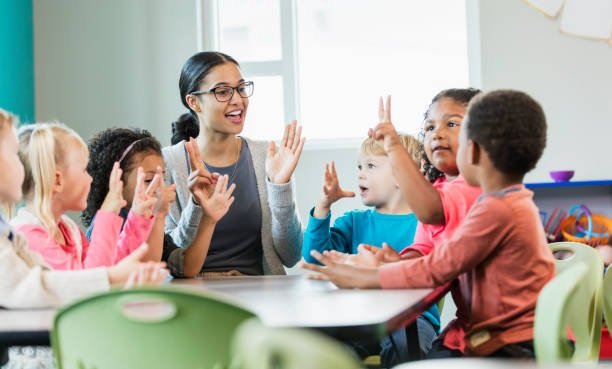


NEW DELHI (India CSR): If you’re visiting a pre-school in Chennai, you’ll notice that classrooms today often look different from what many parents remember. Learning is less about sitting still and more about doing, speaking, moving, and exploring. The best programmes still keep structure, but they try to make it child-friendly and calm.
This article walks you through teaching methods commonly used in preschool classrooms and how they support early childhood development, so you know what to look for during a school visit.
Play-Led Learning With Purpose
Play can look simple on the outside, but in a well-run classroom, it is planned with care. Teachers set up activities that invite children to experiment, build, pretend, and solve small problems.
The aim is to let children learn through experience rather than only through instructions.
You may notice play zones that encourage different skills, such as:
- Pretend play corners that support speaking, listening, and social confidence
- Building materials that support patience, balance, and early reasoning
- Puzzle and sorting trays that support focus and pattern recognition
The key sign is not the number of activities, but whether children are engaged without being rushed.
Teacher Guidance That Feels Supportive, Not Strict
Even in play-based classrooms, adult guidance matters. Teachers often step in at the right moments to introduce a new word, model a gentle behaviour, or extend a child’s thinking. They also step back when children are managing well on their own.
A balanced classroom usually includes:
- Short group moments for songs, stories, and shared routines
- Small-group support for children who need extra help settling in
- Gentle redirection that protects the child’s dignity
This approach can help children feel secure while still giving them space to try.
Language Growth Through Daily Conversations
Early language development is not only about the alphabet. It’s also about how often children get meaningful chances to speak and be heard. Many classrooms focus on building vocabulary through daily interactions.
You might hear teachers:
- Narrate routines in simple sentences (“We’re washing hands now”)
- Ask open questions that invite more than a yes/no response
- Encourage children to express their needs in words instead of only gestures
When language is treated as part of the day, quieter children also get more natural opportunities to join in.
Early Number Skills Through Hands-On Routines
In preschool, early maths is often introduced through objects and routines rather than heavy workbook time. Teachers may use everyday moments to build number sense and basic comparison.
Common approaches include:
- Counting during clean-up, snack time, or lining up
- Sorting by colour, size, or shape using classroom materials
- Using simple measuring language like full/empty, more/less, heavy/light
If you’re comparing a preschool in Chennai with other options, notice whether maths is taught as understanding, not memorisation.
Social And Emotional Learning Built Into The Day
Sharing, waiting, coping with disappointment, and making friends are significant learning milestones in the early years. Many teachers focus on emotional skills because they shape classroom comfort and participation.
You may notice:
- Teachers helping children name feelings in easy words
- Consistent routines that reduce anxiety during transitions
- Calm spaces where children can settle before rejoining play
The classroom doesn’t need to be silent to be well-managed. It needs to feel emotionally safe.
Movement And Sensory Activities That Support Attention
Young children learn with their whole body. Many preschool classrooms include movement and sensory play because it can help children regulate energy and concentrate better in quieter moments.
This may show up as:
- Music and action rhyme during the day
- Outdoor play that supports coordination and confidence
- Sensory trays, sand play, or water play under supervision
A promising sign is when movement is treated as learning time, not “break time.”
Creativity That Builds Patience And Fine Motor Control
Art and craft are not only about decoration. They can support hand strength, grip control, and the ability to follow a sequence. Teachers often keep the focus on the process rather than “perfect” outcomes.
You may see children working with:
- Crayons, chalk, and safe paint tools
- Tearing, pasting, and simple threading activities
- Clay or dough work that strengthens small muscles in the hands
When children are allowed to experiment, creativity becomes a calm space for focus.
Parent Communication That Feels Clear And Respectful
Many parents want regular updates, but they also want updates that matter. Strong programmes often keep communication simple, timely, and centred on the child’s day.
Proper communication often includes:
- Quick notes on meals, naps, mood, and participation
- Regular touchpoints on what the child is settling into
- A respectful tone that avoids comparing children
This kind of partnership helps home and school feel aligned, especially in the early weeks.
Safety And Well-being as Daily Classroom Habits
Safety is more than facilities. It is a set of habits that staff follow every day. Parents can look for consistent supervision, clean routines, and transparent handover processes.
During a visit, you can notice whether:
- Adults are attentive during play and transitions
- The room layout reduces unnecessary bumps and chaos
- Entry and pick-up feel organised and controlled
A trustworthy preschool in Chennai usually explains its safety routines in simple language, without overpromising.
Conclusion
Modern preschool classrooms are more likely to incorporate play, structure, and emotional support to suit the learning style of young children. Intentional play, language-based engagements, practical early mathematics, physical activities, originality, and consistent routines can all have significant impacts on early childhood development.
During your visit to a preschool, pay less attention to grand assertions and more to what you see: how teachers address children, how the day is organised, and how children are attentive and concerned. Even those signals, which occur in day-to-day life, can tell you much about what kind of learning your child will undergo.